
If you want a mountain trip that feels both classic and well organized, this 14-day private Everest Base Camp trek is a solid choice. You start with a short scenic flight into Lukla, then you work your way through Sherpa towns, monasteries, and high-altitude trails built for acclimatization, with permits and logistics taken care of.
I like two things in particular. First, the trip includes Kathmandu hotel time plus domestic flights (Kathmandu to Lukla and back), so you are not scrambling to line up key parts on your own. Second, you get a professional English-speaking guide and a porter arrangement for heavier gear, which matters a lot once the days get colder and your pack gets annoying.
One drawback to consider is altitude. Even with a smart pacing plan, this route still climbs high enough to trigger altitude sickness for some people, and you should take the acclimatization days seriously and be ready to adjust if you feel off.
Key things to know before you go
- Private tour, just your group: you do not share the experience with random strangers.
- Hotel in Kathmandu and tea house/lodge nights on trek: you get support from start to finish.
- Porter help for heavy gear: less strain on your body during long mountain days.
- Permits and entrance fees handled: fewer paperwork headaches.
- Domestic flights to Lukla included: major time saver versus long bus and trekking routes.
- Farewell dinner and a trek certificate: a nice wrap-up after the final day in Kathmandu.
From Tribhuvan Airport to Lukla: what your first days really feel like
This starts in Kathmandu, at Tribhuvan Airport, where staff meet you and arrange a transfer to your hotel. On arrival, an airport representative explains how the program runs, and you get a night to reset after travel. This little buffer matters, because the next piece is a quick jump into trekking mode.
Day 2 is the big turning point. You take a 40-minute flight to Lukla, landing at Tenzing Hillary Airport. Then your trek begins from Lukla right away. Even if you have trained, this is a mental shift. Your “warm up” is short, and you will likely feel the steepness and the frequent changes in altitude. The good news is that the early days of the Everest Base Camp route are built around moving forward while slowly letting your body adapt.
One practical tip: keep your mindset flexible in Lukla and on day 2. It is easy to overpack your energy on day 1 because you are excited. Instead, aim for calm breathing and steady steps, so the next days of acclimatization work as intended.
More ways to walk to Everest Base Camp:
- Everest Base Camp Trek – 14 Days
★ 5.0 · 1,499 reviews - Everest Base Camp Trek
★ 5.0 · 842 reviews - Everest Base Camp Helicopter Tour landing at Everest View Hotel
★ 5.0 · 668 reviews
Namche Bazaar acclimatization and the Dudh Koshi rhythm
A highlight of this itinerary is how it uses Namche Bazaar as your acclimatization hub. After trekking along the northern bank of the Dudh Koshi River, you cross many suspension bridges, including the Hillary Suspension Bridge. If you like the “real mountain trail” feeling, these river crossings and bridge walks are part of the charm, and they also remind you how remote this area is.
You spend a day in Namche specifically for acclimatization. That is where you slow down on purpose. The town is used to hikers, with WiFi-linked cafes and restaurants, plus gear shops and souvenir areas. This is not just downtime. It is where you reset your legs, learn your altitude limits, and figure out what your body needs for sleep, hydration, and eating.
Day 4 gives you a menu of options. You can explore Namche at an easy pace, plus choose short hiking add-ons (the plan mentions options like visiting viewpoints and nearby areas). The big value here is that you are not stuck doing one thing. You can tailor your day to your fitness level, as long as you keep it sensible.
A possible consideration: Namche is also where it is tempting to do more than you should. If you feel unusually energized, still treat acclimatization time as part of the trek, not as a vacation from it.
Tengboche: forests, monasteries, and that calm high-mountain mood
The next major stop is Tengboche. This day includes a trail that runs through ups and downs and passes through forests, so it is not an easy straight hike. The reward is the scenery and the spiritual side of the Khumbu region. Tengboche is the place many people associate with monastery culture, and the route description emphasizes Buddhist monasteries and Sherpa culture across the journey.
You also might see wildlife. The itinerary notes the possibility of spotting musk deer, which is the kind of detail that makes a trek feel alive rather than just scenic.
Why this stop matters for you: by the time you reach Tengboche, you have already climbed enough to need a mental breather. A day through forests can feel grounding, and you still get those high views that pull you forward.
Keep in mind: forest trekking can feel colder later in the day and sometimes the footing changes as you descend into and out of shaded areas. Your guide helps you manage pace and safety, which is especially useful if you have a slower rhythm or you are nursing sore knees.
Dingboche and the two-part acclimatization strategy
You move from Tengboche toward Dingboche, passing small villages and cultural landmarks like chortens and mani walls. The itinerary specifically mentions Pangboche as a place to enjoy views of Mt. Ama Dablam. For many people, this is one of those “wait, this is real” moments where the mountain scale becomes impossible to ignore.
Then you do something key: you spend time in Dingboche for acclimatization again. This part is not optional. The plan is designed for your body to adjust to thin air and high altitude. One day is used for a gentle climb above the town, which supports acclimatization without exhausting you. You then return for the night.
If you want to protect your summit day energy, this is where you should be disciplined. Eat the meals you are given, drink what you can, and do not treat acclimatization as a day off from good habits. Even if the trail feels manageable, your oxygen level is still the limiting factor.
More to compare around Kathmandu
- Private Kathmandu Sightseeing Tour | UNESCO World Heritage sites
★ 5.0 · 756 reviews - Kathmandu: 7 UNESCO Sites with Lunch
★ 4.8 · 744 reviews - Half day cooking class in Thamel kathmandu
★ 5.0 · 607 reviews - Everest Base Camp Trekking
★ 5.0 · 485 reviews
Lobuche and the road toward Base Camp
After Dingboche, you head toward Lobuche. The itinerary frames this stretch as full of Himalayan views, and the walking gets more demanding. It also points out how the valley shape changes as you approach certain areas (the route description references changes around Dusa and narrowing valleys).
This is where the trek starts to feel more “Everest-expedition shaped,” with the air thinner and the days more serious. Your lodge stops matter here. You need rest, warm layers, and predictable meals so you can keep going the next day.
What I like about this design: it does not rush you straight from one high point to another. Lobuche is a stepping stone that sets you up for Gorak Shep and Base Camp without asking you to gamble with your body.
Base Camp day: Gorak Shep, Khumbu Glacier, and the big achievement
Day 9 is the ceremonial one. You trek to Everest Base Camp after arriving at Gorak Shep, with the route describing travel along the lateral moraine of the Khumbu Glacier. That glacier scenery is the kind of detail that makes Base Camp feel earned rather than simply reached.
When you arrive, you get the sense that you are standing at the edge of a huge undertaking. Even though you are not climbing the mountain, you are witnessing the logistics of high altitude exploration, scaled down into a place you can actually walk to.
For you, the biggest practical win is that your guide and logistics support help keep the day from turning chaotic. When you are moving at altitude, you do not want surprises. Here, the goal is clarity: hike to Base Camp, take in the moment, and start your return plan in a controlled way.
Kala Patthar: early start, cold air, and real payoff
The next day is built around Kala Patthar. The plan has you start early, and it describes a downhill trek after a good night at Pheriche, passing bridges and through forest sections on the way down to lower areas like Tengboche.
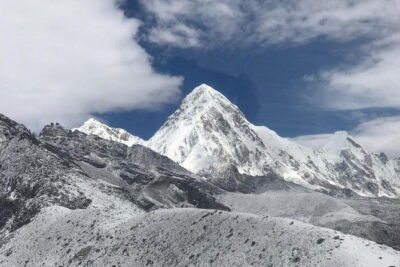
Kala Patthar tends to be one of those “people remember this forever” stops because it gives you a different angle on Everest and the surrounding massifs. The real tradeoff is physical. Early starts at altitude mean you will feel the cold and you will need to manage breathing and leg fatigue.
If you are sensitive to cold, pack discipline matters. Keep your hands and head warm, and do not wait until you are already uncomfortable to adjust layers. Your guide helps with pacing, which is more valuable than people think when temperatures drop.
Descending to Namche and using time wisely in the lower Khumbu
After the Kala Patthar day and the descent, you continue down the route toward Namche Bazaar. The itinerary again mentions forest walking, plus the feeling of being in the lower air that helps your body recover. This is not a “free day.” Still, it is easier on your system than the higher segments, which can make it feel like you got your energy back.
Namche is a useful stop because it is a familiar place now. You have already acclimatized there earlier, so you know what to expect in terms of food, rest, and how the town feels. You can also do small adjustments like re-hydrating, drying out gear, and cleaning up your pack for the final days.
The Lukla-to-Kathmandu arc: short trekking days and a soft landing
Day 12 brings a shorter trekking day toward Phakding, following the Dudh Koshi River and crossing suspension bridges. This is one of those days where you focus on finishing strong rather than going hard. The goal is to arrive with enough energy to make the final flight smooth.
Day 13 is your flight back to Kathmandu. You take the 40-minute return flight and get a chance to appreciate what you did, without forcing yourself into a long extra hike after altitude fatigue. This is where having the Kathmandu portion included helps a lot, because you are not dealing with last-minute lodging hunts.
Day 14 wraps it up with a farewell dinner and trek certificates. That finishing day is also a good time to reflect on what worked for you, what you want to tweak next time, and how you felt adjusting to altitude.
What you get for your $1,600 and why it can be good value
On paper, $1,600 for a 14-day private trek might look like a lot until you break down what is included.
You are paying for:
- 2 nights in Kathmandu at a 3-star hotel with breakfast
- Domestic flights Kathmandu to Lukla and back, including airport tax
- A professional English-speaking guide
- Accommodation on trek in lodges or tea houses
- All necessary permits and entrance fees
- Porter support for heavy gear (not just a guide who tells you what to carry)
- Meals included during the trekking schedule (breakfast, lunch, dinner as listed)
- Farewell dinner plus a trek certificate
For many people, the included domestic flights and permits are the hidden cost that usually adds up fast if you plan everything solo. Private guiding plus porter support also reduces stress, which is not a luxury at high altitude. It is practical.
If you are the type who wants control over pace and wants a guide to handle the paperwork, this pricing starts making sense. If you want the absolute cheapest way to do Everest Base Camp, this may not be the best fit. But for value tied to organization and support, it looks fair.
Guides, safety, and why pace control matters on Everest
Even when the route is “fixed,” the lived experience is all about pace. In the trip experiences associated with this company, guides like Kalyan Gurung and Romeo are repeatedly linked with staying attentive and keeping people safe. Porters such as Minmar and Ram are also mentioned for being kind and supportive.
What that tells you as you plan: the guide is not only there for directions. You want someone who can adjust the pace to your breathing and your energy. The itinerary’s acclimatization days are built for this, but it still depends on how you walk on the tough days.
If you have a moderate fitness level (the program calls for moderate physical fitness), do not compare yourself to fast hikers. You want consistent progress, steady breathing, and honest reporting if you feel off. Altitude issues can happen even when you trained properly, so give yourself permission to move carefully.
Who this private trek is best for
This works well if you:
- want private guiding and a planned route with fewer surprises
- appreciate having permits and fees handled
- prefer porter support rather than carrying heavy gear all day
- want a structured approach to acclimatization with built-in rest and easier trekking windows
- are comfortable walking about 5 hours per trekking day on average segments listed in the itinerary
It may be less ideal if you:
- want a fully DIY experience with minimal support
- are not willing to slow down and follow acclimatization guidance
- expect Base Camp to feel easy because the scenery is famous
Should you book this 14-day private Everest Base Camp trek?
Yes, if you want a classic Everest Base Camp trek with logistics handled, porter help, and enough structure to reduce stress at altitude. The combination of Kathmandu hotel nights, domestic flights, permits, and the day-by-day pacing makes it a strong pick for people who want to focus on walking and breathing, not on spreadsheets.
Before you book, check your own altitude tolerance honestly. Train your legs, yes, but also plan for cold and thin air. If you are ready to take acclimatization seriously, this route gives you a well-timed path to Base Camp and the big summit-day style payoff of Kala Patthar.
If you want, tell me your age range, fitness level, and when you plan to go. I can help you sanity-check how hard the route will feel and what to prioritize in your packing list based on the days in this itinerary.
FAQ
Where is the meeting point for this trek?
The start point is Tribhuvan Airport in Kathmandu, Nepal. Staff can also arrange pickup from your hotel or the airport, depending on your arrival.
How long is the Everest Base Camp experience?
The trek is planned for about 14 days total.
Is this a private tour?
Yes. This is listed as a private tour/activity, and only your group participates.
What is included in the price?
Included are airport pickup and drop by private vehicles, a professional English-speaking guide, accommodations in Kathmandu and on trek, all necessary permits and entrance fees, a porter arrangement for heavy gear, a farewell dinner, a trek certificate, 2 nights in Kathmandu in a 3-star hotel with breakfast, domestic flights Kathmandu-Lukla-Kathmandu including airport tax, and the scheduled meals (breakfast, lunch, dinner as listed).
Are domestic flights to Lukla included?
Yes. Domestic air fare for Kathmandu-Lukla-Kathmandu including airport tax is included.
Do I need travel insurance?
Travel insurance is not included.
What is the cancellation policy?
You can cancel for a full refund if you do it at least 24 hours in advance. If you cancel within 24 hours, the amount paid is not refunded. The experience can also be canceled due to weather, with an option for a different date or a full refund.
Latest Kathmandu write-ups
- Langtang Valley Trek★ 5.0 · 3 reviews
- Khopra Danda Trek★ 5.0 · 3 reviews
- Langtang Valley Trek from Kathmandu★ 5.0 · 3 reviews
- 5 night / 6 days Kathmandu Nagarkot Chitwan Pokhara tour★ 5.0 · 3 reviews
- Nepal Highlights Tour: 5 Nights 6 Days Kathmandu & Pokhara Tour★ 5.0 · 3 reviews
- Kathmandu Valley Private Day Tour★ 5.0 · 3 reviews
- Conquer the Himalayas: The Ultimate 16-Day Annapurna Circuit Trek★ 3.5 · 3 reviews
- Kathmandu Heritage Day Tour★ 5.0 · 3 reviews
Everest Base Camp Trek, compared.

Everest Base Camp Helicopter Tour landing at Everest View Hotel
Read our review →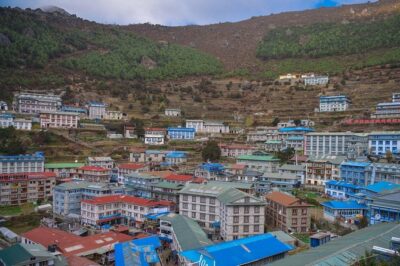
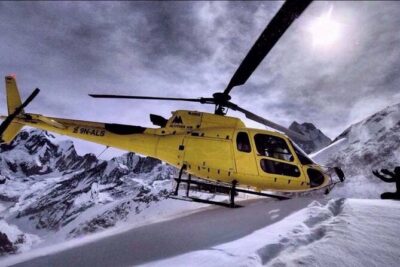
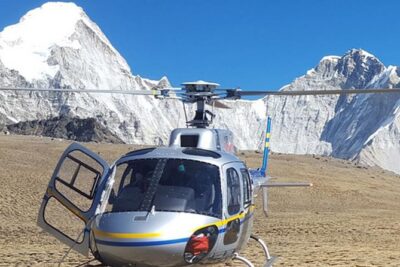
Everest Base Camp Helicopter Tour landing at Hotel Everest View
Read our review →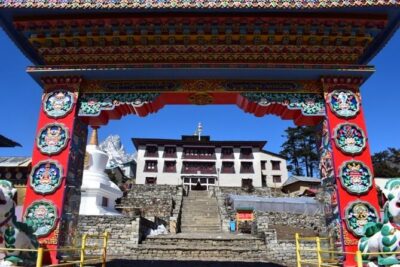
Browse the lists this tour appears in