
Reviewed · EVEREST BASE CAMP TREK
15 Days Private Everest Base Camp Trek
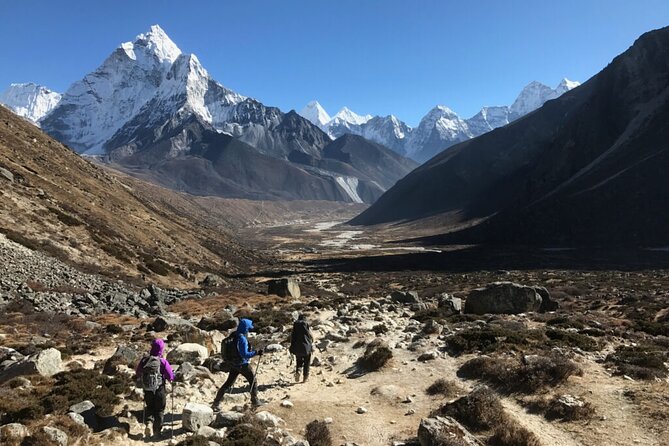
A trek to Everest Base Camp is already a big deal, but this one has two moments that make it extra memorable: the Lukla flight into one of the world’s toughest airports, and the Kala Patthar morning when the views get real. I like the built-in pacing, including acclimatization days that help you handle altitude with less panic. I also like that the route mixes iconic sights with Sherpa life, from Namche Bazaar to Tengboche monastery.
Here’s the main consideration. This is still a high-altitude trek on your feet for many days in a row, and weather can affect Lukla flights. Also, while porters are mentioned as part of trek support, the package info says a trek porter is not included, so you’ll want to clarify how baggage support works for your specific group.
Key highlights worth keeping in mind
- Lukla flight into an extreme airport with big mountain scenery right from day one
- Acclimatization in Namche Bazaar and Dingboche to help your body adjust before going higher
- Tengboche Monastery stop at Khumbu’s biggest Buddhist monastery with major mountain views
- Kala Patthar at dawn for a classic wide-angle look at the Everest region
- Lodges plus support gear in the package, including a duffel bag and sleeping bag
- Strong guide reputation based on past named guides like Kamal, Achut, Lhakpa, and Bishnu Bhatta for altitude care and group attention
Kathmandu Valley warm-up: Thamel time and a real trek briefing
Your first day is all about landing, resetting, and getting your bearings. You arrive at Tribhuvan International Airport, then get help with check-in and your room key. After that, you have time to stroll around Thamel to kill jet lag and get comfortable in Nepal’s big, busy entry zone.
In the evening, you meet your trekking guide and do a briefing session. This matters because EBC is not just a hike, it is a system of altitude, timing, and logistics. You’ll also start bonding with the group over a welcome dinner, which makes the early mornings feel a bit less like a shock.
One practical note I like about this setup is the hotel stay. You get 3-star accommodation in Kathmandu, so you are not exhausted before the big days begin.
More ways to walk to Everest Base Camp:
- Everest Base Camp Trek – 14 Days
★ 5.0 · 1,499 reviews - Everest Base Camp Trek
★ 5.0 · 842 reviews - Everest Base Camp Helicopter Tour landing at Everest View Hotel
★ 5.0 · 668 reviews
Lukla, then the Dudh Koshi trail to Phakding: the trek starts fast
Early on day two, you fly from Kathmandu to Lukla, a short flight that still feels like a milestone. It’s described as a lifetime experience, and it’s easy to understand why: the approach and takeoff happen right in the middle of dramatic terrain.
When you land, you meet local staff and porters, then start walking on a gentler trail toward Cheplung village. You pass a stupa that gives visitors a blessing as they enter the Everest region, which is a nice emotional start even if you’re focused on your next meal.
From there, you follow the Dudh Koshi River, described as the highest river in terms of elevation, heading toward Phakding. Phakding is small and village-based, which is exactly what you want on day two, because it keeps the effort manageable while you get used to breathing at altitude.
Namche Bazaar days: acclimatization that actually has a purpose
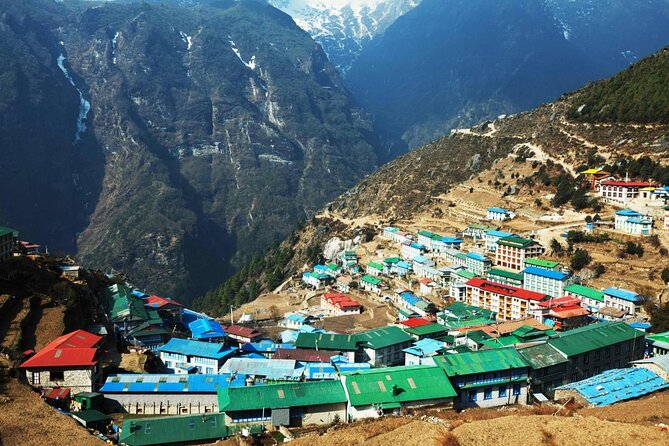
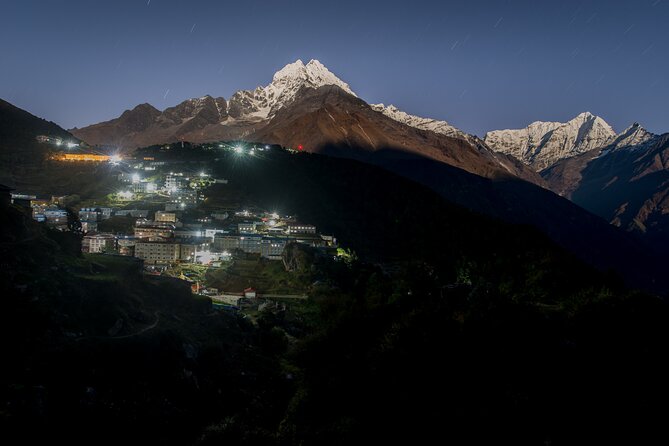
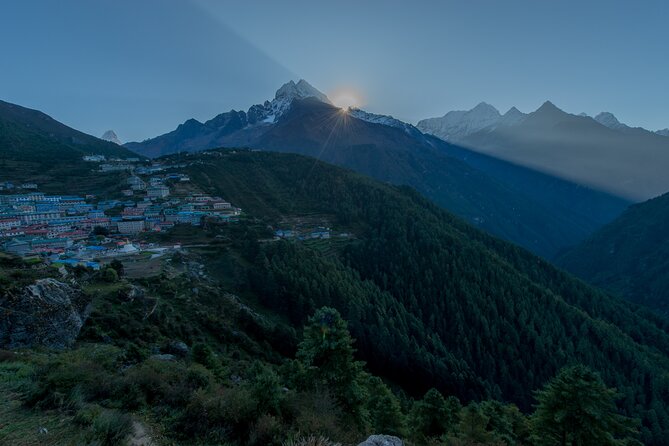
Day three and day four both focus on Namche Bazaar, the Sherpa hub and the place where the mountains start to feel close enough to touch. The walk takes you through pine forest, rustic villages, and occasional yak country. You’ll cross suspension bridges and pass through scenery that mixes culture and nature, not just one or the other.
Along the way, you get glimpses of major peaks, including Everest, Lhotse, and Nuptse, plus other surrounding giants like Kusum Kanguru and Thamserku. Then you climb into Namche Bazaar, which gets called the Sherpa capital for a reason. It’s a “base” town with real life, shops, and community.
What I really like here is the way the schedule supports acclimatization without wasting the day. On your first Namche day, the goal is altitude management, so you walk, but you don’t rush. On the second Namche day, you hike to Khumjung, where you can see a historic monastery and a school associated with Sir Edmund Hillary.
You also visit the Everest View Hotel, a well-known high-altitude hotel with huge panoramic views. Even if you don’t treat this as a luxury stop, it’s a useful moment to orient yourself to what you’ll see later from higher ground.
Possible drawback: Namche days are busy for walking, and you’ll still be waking up with less oxygen in your system. If you know altitude makes you cranky, bring a calm attitude and let your pace stay slow.
Tengboche monastery and the climb toward Dingboche: where the route turns serious
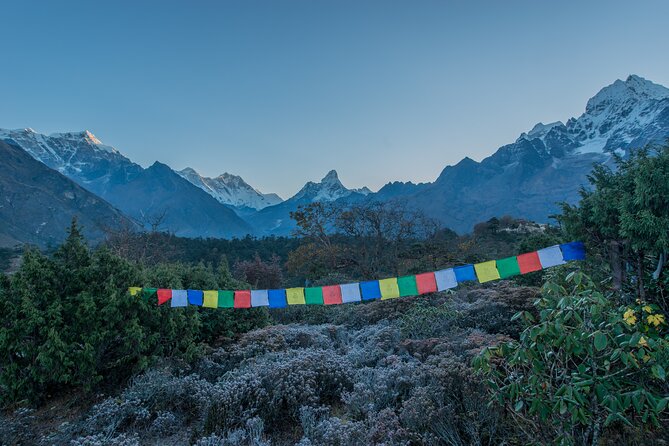
From Namche, you continue toward Tengboche, passing through dense forest and a more uphill style of trail. You’ll move through areas like Phungithanga, and the route includes a water-powered prayer wheel, which gives the whole walk a steady spiritual soundtrack.
Tengboche is where Khumbu’s largest Buddhist monastery comes into focus. Visiting Tengboche isn’t just about ticking a sight box. It’s a big moment in the trek because monasteries here sit at crossroads of community, weather, and belief. You’ll also get dramatic mountain views around the monastery, including Ama Dablam, Everest, Nuptse, and Lhotse.
After Tengboche, you head onward to Dingboche. The trail crosses a suspension bridge over the Dudh Koshi River, then winds through rhododendron, birch, and conifer trees. Dingboche itself is described as the highest Sherpa settlement in Khumbu, with stone walls and Ama Dablam appearing extremely close.
Then comes the big acclimatization tool: a second day in Dingboche to adjust to the high elevation. You do a controlled ascent toward Nangkartshang Peak on a northern slope. It’s a steep climb for part of the day, but the payoff is the panoramic viewpoint at about 5,083 meters. You also get views of Makalu, Cho Oyu, Lhotse, and others, which helps you picture the trek beyond the next set of steps.
More to compare around Kathmandu
- Private Kathmandu Sightseeing Tour | UNESCO World Heritage sites
★ 5.0 · 756 reviews - Kathmandu: 7 UNESCO Sites with Lunch
★ 4.8 · 744 reviews - Half day cooking class in Thamel kathmandu
★ 5.0 · 607 reviews - Everest Base Camp Trekking
★ 5.0 · 485 reviews
Dingboche to Lobuche: prayer flags, moraine crossings, and fatigue management
Once you leave Dingboche, the route turns more strenuous. You start toward Pheriche valley and get more of those sharp mountain backdrops, including Ama Dablam and Taboche. The trail becomes tougher with steep climbs over Khumbu Glacier moraine, which is that rough, broken ground left by glacial movement.
You’ll reach Thukla Pass, decorated with prayer flags and stone shrines. This is one of those places where you feel both the effort and the symbolism. Then you continue to Lobuche for the night.
Lobuche is a key “in-between” stop. It’s close to the Everest Base Camp approach corridor, but you’re not there yet. Staying here helps you spread out the energy so day nine can hit at full impact.
Everest Base Camp and Gorak Shep: the day the Khumbu Icefall becomes real
Day nine is a long one, and it’s one of the core reasons people take this route. You depart Lobuche and travel over rough terrain to Gorak Shep. From there, you drop your backpacks and follow a rocky trail toward Everest Base Camp.
The description here is vivid: glacial moraine, streams, and big, close-up views of the region around the base camp area. You also get to see major elements like the Khumbu Icefall and the Khumbu Glacier from the approach. If Everest feels theoretical from a distance, this day helps it feel physical.
You come back to Gorak Shep after base camp time. That matters because you get another night at a higher elevation staging point, not a sudden drop that can mess with your rhythm.
One practical detail I appreciate: this portion is not framed as a casual stroll. You should expect a steady effort with uneven ground. If you pace like you’re training, you’ll enjoy it more than if you treat it like a sprint.
Kala Patthar at dawn and Pheriche: the sunrise payoff plus a human service stop
On day ten, you hike early to Kala Patthar, one of the most famous viewpoints in the Everest region. The route is steep and rocky, but the big reward is the sunrise view from a prominent vantage point. This is also the day where you feel the difference between “seeing Everest” and really understanding the scale of the whole massif.
After your sunrise time, you descend toward Lobuche, cross back along rough trails, reach Thukla Pass, and then cross a bridge to Pheriche. Pheriche has a useful modern touch point: the Himalayan Rescue Association Clinic, described as a non-profit aimed at reducing casualties during trekking and mountaineering.
I like including this stop in your mental map. It’s a reminder that altitude trekking is not just about scenery. It’s about safety choices, listening to your body, and knowing help exists at the right points.
Back through Tengboche and forest trails: easing the load without losing the views
Day eleven brings you back toward Tengboche after an easier day of trekking with strenuous uphills. The walk runs through rhododendron and juniper covered forest, and you may spot rare wildlife and birds depending on conditions.
This is a “re-balance” day. It’s not a free day, but the overall flow is less intense than the high-impact base camp approach. When you arrive in Tengboche, the views keep coming, including Ama Dablam, Everest, Nuptse, and Lhotse.
Then day twelve brings you back toward Namche Bazaar again. The trekking description is similar: relatively easy progress with some uphills, plus more of that forest scenery and wildlife possibility.
What I like about this back-and-forth is that you get a second look at places that might have been emotionally overwhelming the first time. You also move through the same Sherpa country with a calmer head after the Everest Base Camp and Kala Patthar days.
The long descent toward Lukla and Kathmandu: finish with village rhythm
Eventually you work your way back to Lukla. Day thirteen starts with a steep descent from Namche Bazaar, then continues on challenging paths as you return toward the Dudh Koshi River bank. You’ll cross suspension bridges and walk through rhododendron and pine forests.
Along the way you pass Phakding, cross another suspension bridge, and hike uphill toward Lukla. This is a good time to soak up the “in-between” culture, like mani walls and chortens, because you’re not just trying to reach a top. You’re transitioning back into Nepal’s everyday mountain life.
On day fourteen, you fly back to Kathmandu. The flight is about forty minutes, and it’s timed for a final day that feels like closure rather than another hurdle. After arrival, you get greeted at the domestic terminal and transferred to your hotel, with time to relax or walk around Thamel for souvenirs.
Day fifteen ends with a representative transporting you to Tribhuvan International Airport for your departure.
Price and what $1,420 is really paying for in this setup
At $1,420 per person, you’re not just paying for “a trek.” You’re paying for several expensive and high-friction parts of this trip to be handled for you.
Here’s what stands out as value from the package:
- Two-way domestic flights between Kathmandu and Lukla, plus the airport support that makes the days less stressful
- Accommodation in Kathmandu (3-star hotel) and lodges on trek
- Meals spread across the trek days, including breakfast, lunch, and dinner as listed
- Gear support, including a Nepal Social Duffel Bag and a sleeping bag
- A professional trek leader and local staff support
You still need to budget for items not included. The data is clear that personal trekking gear and personal expenses are on you. It also says a trek porter is not included, and it reminds you that travel and medical insurance is not included. The Nepal entry visa fees are paid directly by you, and international airfare is not included.
So the best way to judge value is simple. If you want fewer moving parts, and you’re happy to pack light enough to work with the lodge rhythm and provided sleeping bag, then the package cost starts to make sense fast. If you already have your own sleeping bag and you prefer fully self-managed logistics, you might compare alternatives, but the included flights and guide leadership are the biggest cost drivers.
Who should book this private Everest Base Camp trek
This trek is a strong fit if you want classic Everest region highlights with a schedule built around acclimatization, not guesswork. The route hits the major emotional anchors: Namche Bazaar, Tengboche monastery, Kala Patthar sunrise, and Everest Base Camp itself.
It also tends to suit people who can handle steady hiking while staying flexible. You should have moderate physical fitness, and you should be comfortable with early starts and long walking days. It’s a private activity, so only your group participates, which usually helps with pacing and communication.
If you’re very altitude-sensitive, anxious, or want a totally relaxed, low-walking experience, you should think twice. This isn’t a short sightseeing walk. It’s a serious trek, with altitude doing most of the hard work.
Should you book this 15-day private Everest Base Camp trek?
I think you should book if you want a guided, supported EBC trek that handles the high-stress pieces like the Lukla flights, daily logistics, and lodge stays, while still giving you the big-mountain moments that make the Everest region unforgettable. The strongest signal here is the pattern of guide care seen in named examples like Kamal, Achut, Lhakpa, and Bishnu Bhatta, especially around keeping pace and managing altitude.
You should pause and ask questions before paying if you’re unclear on porter arrangements for your luggage, if you don’t have insurance lined up, or if your schedule is tight and Lukla weather could change flight timing. If you can handle those realities, this is a solid way to get to Everest Base Camp the classic way, with less chaos and more mountain time.
FAQ
How long is the Everest Base Camp trek in this package?
The trek runs for about 15 days.
What’s included for flights, and how long is the Lukla flight?
You get two-way domestic flights: Kathmandu to Lukla and back to Kathmandu. The Lukla flights are listed as about 40 minutes each.
Are meals and accommodation included?
Yes. You get accommodation in Kathmandu (3-star hotel) and lodges on trek, plus meals included as listed in the package, including breakfast, lunch, and dinner across multiple days.
Do I need my own trekking gear and sleeping bag?
The package includes a sleeping bag and a duffel bag, but it also states that personal trekking gears and equipment are not included, so you should plan to bring your own essentials.
Is a porter included?
The package info lists trekking porter as not included. You should clarify porter support for your group before you go.
What happens if the trek is canceled due to bad weather?
The experience requires good weather. If it’s canceled due to poor weather, you’ll be offered a different date or a full refund. You can also cancel up to 24 hours in advance for a full refund.
Latest Kathmandu write-ups
- Langtang Valley Trek★ 5.0 · 3 reviews
- Khopra Danda Trek★ 5.0 · 3 reviews
- Langtang Valley Trek from Kathmandu★ 5.0 · 3 reviews
- 5 night / 6 days Kathmandu Nagarkot Chitwan Pokhara tour★ 5.0 · 3 reviews
- Nepal Highlights Tour: 5 Nights 6 Days Kathmandu & Pokhara Tour★ 5.0 · 3 reviews
- Kathmandu Valley Private Day Tour★ 5.0 · 3 reviews
- Kathmandu Heritage Day Tour★ 5.0 · 3 reviews
- Conquer the Himalayas: The Ultimate 16-Day Annapurna Circuit Trek★ 3.5 · 3 reviews
Everest Base Camp Trek, compared.

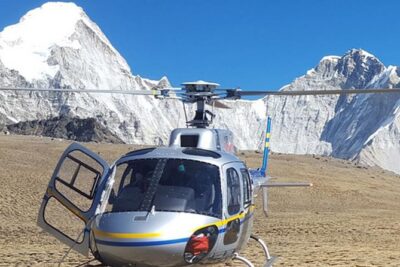
Everest Base Camp Helicopter Tour landing at Everest View Hotel
Read our review →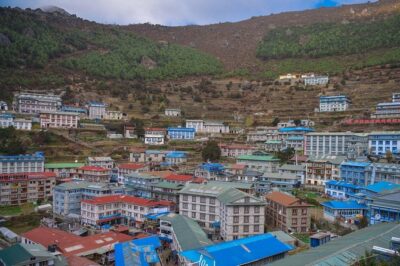
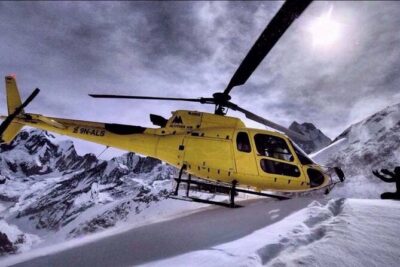
Everest Base Camp Helicopter Tour landing at Hotel Everest View
Read our review →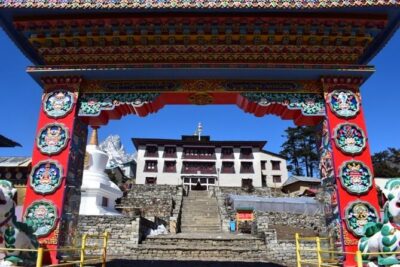
Browse the lists this tour appears in