
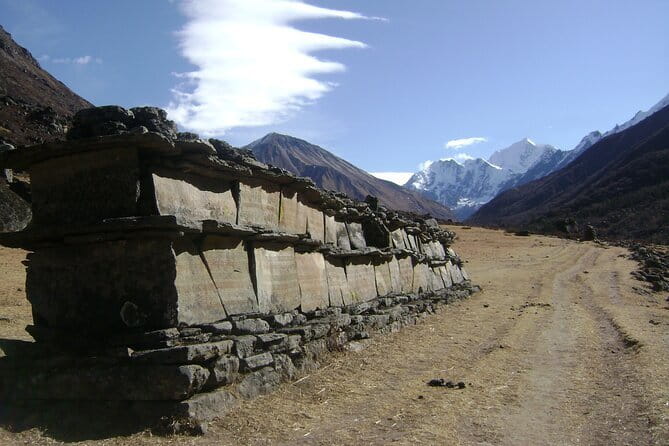
Reviewed · LANGTANG VALLEY TREK
9 Days LANGTANG VALLEY TREKKING IN NEPAL
This is an easy-to-understand Nepal adventure: you start with a UNESCO temple circuit in Kathmandu, then you work your way into the Langtang Valley for a real mountain trek. I like that the trip doesn’t treat culture and hiking as separate worlds. You get both, with local life showing up in the villages you walk through.
My favorite part is the payoff climb toward Kyanjin Ri, where the whole valley suddenly feels wide open. One thing to plan for is the height, since the route reaches around 4,773m and altitude can make even a steady pace feel tougher.
Key highlights you will actually feel
- UNESCO sites in Kathmandu: Pashupatinath, Swayambhunath (Monkey Temple), and Boudhanath
- A real trek gateway setup: drive by private AC vehicle from Kathmandu to Syabrubesi, via Dhunche and the Langtang National Park checkpost
- Thermal break in the mountains: stop at Syabrubesi Hot Spring for a warm reset
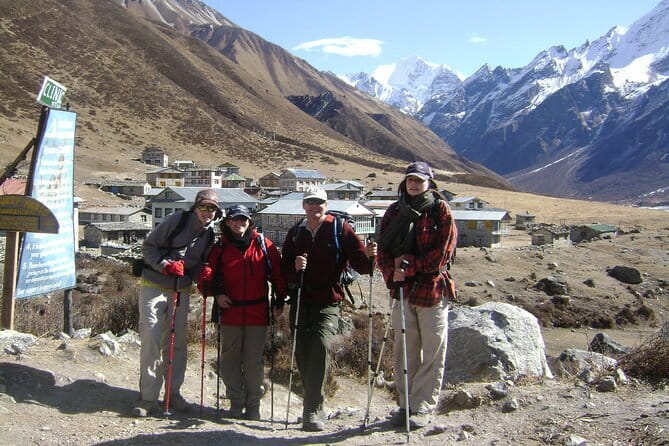
- Tamang villages on the way in: Thulo Syabru and Langtang Village, with traditional architecture and everyday hospitality
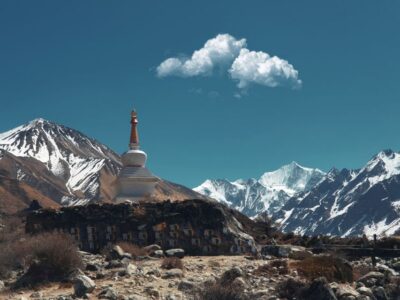
- Spiritual stop before the summit day: Kyanjin Gompa at about 3,870m, plus prayer flags and monastery vibes
- Guidance that keeps you moving well: accounts mention guide Rai navigating smoothly, with a memorable farewell dinner hosted by Binod
Kathmandu temple mornings that make the trek feel meaningful
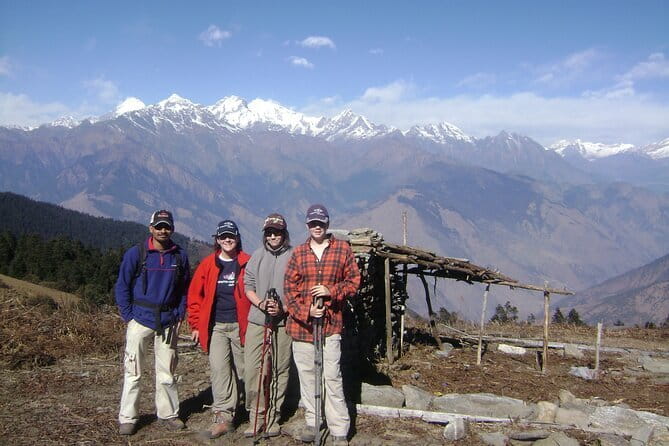
Most trekking trips start with a flight and a bus. This one gives you context first, in Kathmandu. You visit Pashupatinath, Swayambhunath, and Boudhanath, and each stop adds a different layer to what you will later see in the mountains.
At Pashupatinath Temple, you are on the Bagmati River and in the center of Hindu pilgrimage life. The site is dedicated to Lord Shiva, and it is a major destination for people traveling from Nepal and beyond. Practical tip: this is a working religious area, so keep your pace respectful. Expect a mix of pilgrims, ritual life, and the kind of sights you only get when a place is still alive.
Then you climb up to Swayambhunath, the Monkey Temple. It is one of the oldest important Buddhist sites in Kathmandu Valley, and its UNESCO listing dates back to 1979. The name means self-existent one, which is a neat reminder that some sacred sites are not just museums. They are still treated as living spiritual spaces.
Finally, you head to Boudhanath Stupa, believed to date to the 5th century. This huge stupa with the watchful eyes of the Buddha on all four sides is unmistakable. Those painted eyes, often called wisdom eyes, are meant to symbolize all-seeing compassion. When you are later walking through Buddhist-influenced monasteries and prayer-flag landscapes, you will feel that visual connection.
More of the Langtang valley:
- Langtang Valley Trek
★ 5.0 · 140 reviews - Langtang Valley Trek
★ 5.0 · 61 reviews - Langtang Valley Trek
★ 5.0 · 50 reviews
The drive to Syabrubesi: comfort on wheels, then the mountains start talking
The trekking portion begins with a private transfer. You ride from Kathmandu toward Syabrubesi in a private air-conditioned vehicle. Along the way you pass small villages and catch views of hills, terraces, and Ganesh Himal in the mix.
As you continue through Dhunche, you enter Langtang National Park through the checkpost. This matters because the permit process is not a vague concept here. You may be asked to show your Langtang National Park Permit upon arrival at the checkpoint. The good news is that the trek includes the TIMS and park permit, so you are not scrambling at the last minute.
Once you reach the trekking hub at Syabrubesi, the trip shifts from roads to trails fast. You also get your first feel for how the region organizes itself around walking routes. Guesthouses and basic eateries are there for a reason. This is how people live when the mountains are the main neighbor.
Syabrubesi Hot Spring: your first real “reset” day
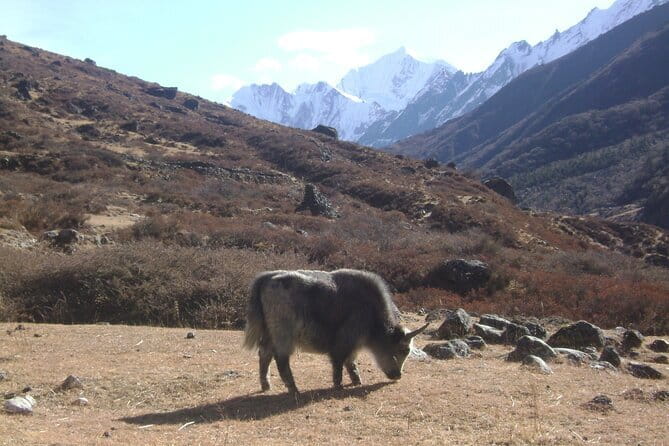
After the travel day, the itinerary includes a stop at Syabrubesi Hot Spring. Natural thermal water, mineral-rich pools, forests nearby, and mountain views all work together here. It is not a spa, it is better than that, because it feels built into the landscape rather than dropped into it.
This stop is valuable because it gives you a cushion on a trip that will later ask for steadier pacing. Your legs may feel fine on Day 1, but the muscles always remind you later. A warm soak can help you feel less beat up when you start climbing toward higher villages.
Thulo Syabru and Langtang Village: Tamang culture in everyday form
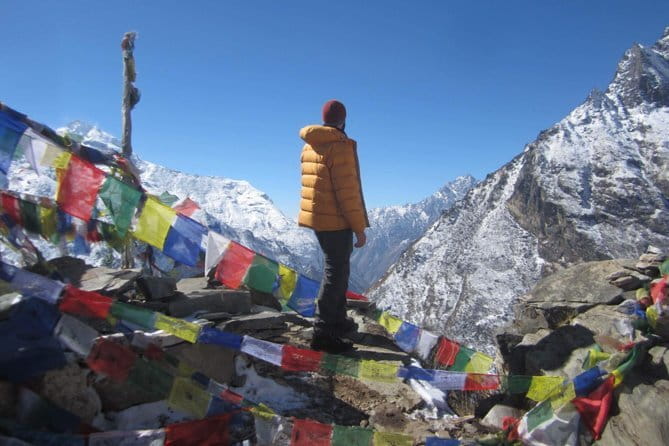
From Syabrubesi, the trek pushes deeper into the Langtang region with village stops that feel like real life, not just scenery. Two names stand out: Thulo Syabru and Langtang Village.
Thulo Syabru sits at about 2,200m. You get views of Himalayan peaks and green slopes, but the point is the human scale. The village is known for Tamang culture and traditional Tamang architecture. If you like meeting people where they live, this is where the trek starts feeling personal.
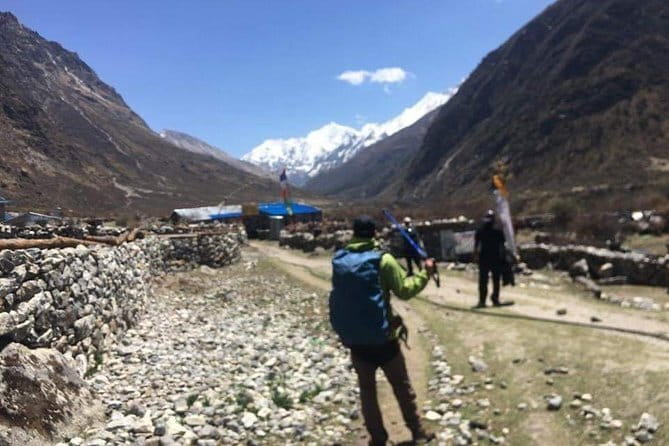
Then comes Langtang Village, a settlement in the Langtang Valley with strong mountain views and a Tamang cultural feel. You will see prayer flags on traditional stone houses. You also get terraced fields and forested edges around you, which makes this stage feel quieter than the entry point towns.
One practical note: village guesthouses in the mountains work on a simple rhythm. You will usually eat what is available, and you will settle in when the light drops. That is part of why tea house trekking feels different. You are not chasing constant entertainment. You are living inside the day.
More to compare around Kathmandu
- Everest Base Camp Trek – 14 Days
★ 5.0 · 1,499 reviews - Everest Base Camp Trek
★ 5.0 · 842 reviews - Private Kathmandu Sightseeing Tour | UNESCO World Heritage sites
★ 5.0 · 756 reviews - Kathmandu: 7 UNESCO Sites with Lunch
★ 4.8 · 744 reviews
Entering the Langtang National Park world: Ghodatabela’s quiet kind of magic
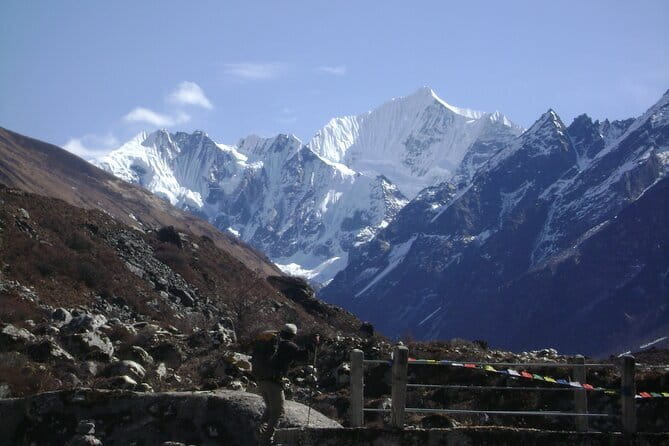
As the route continues, you pass through areas like Ghodatabela, an overnight stop in the Langtang Valley. The name translates to horse stable, which is a reminder that these trails have long been a working corridor for people and pack animals.
Ghodatabela is described as scenic and tranquil, with lush forests and panoramic mountain views. It is also known for a rugged mountain charm. That combination is important. It is not just dramatic. It is steady. You feel the valley narrowing and the trail becoming more “yours” each night you move deeper.
Kyanjin Gompa: monastery stillness at about 3,870m
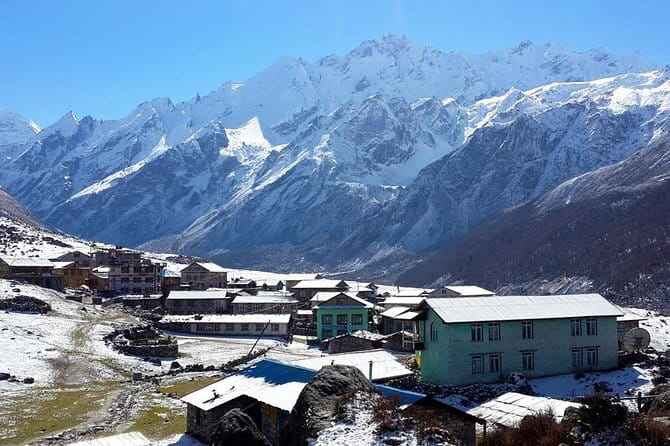
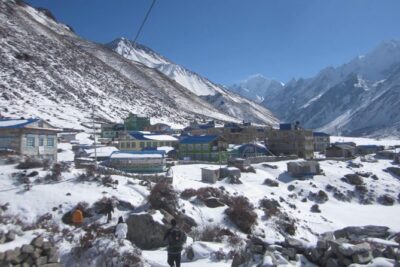
The spiritual and scenic centerpiece before the summit day is Kyanjin Gompa. At around 3,870m, the monastery sits in dramatic country and works as a base for high viewpoint hikes.
You get ornate monastery architecture and colorful prayer flags, plus a calm atmosphere that feels different from the villages below. If your brain likes quiet focus, this stop does that for you. Even if you do not join meditation sessions, you can feel the monastery rhythm through what people do around you.
This is also where the trek turns from “getting there” into “aiming at something.” The route to Kyanjin Ri starts from here, and the altitude gain starts to feel purposeful.
Kyanjin Ri (about 4,773m): the view that justifies the effort
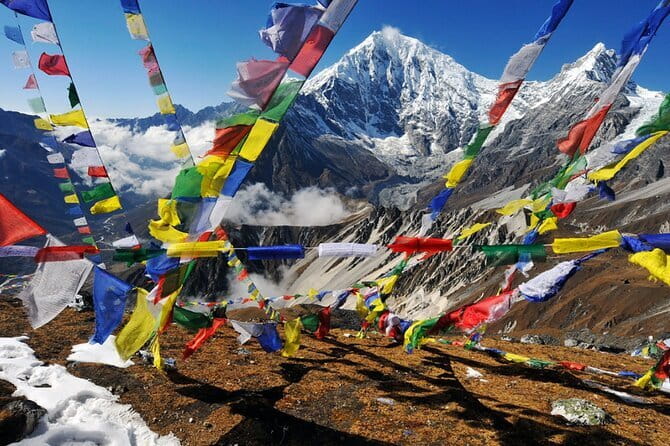
The big highlight is the climb to Kyanjin Ri, around 4,773m. This is the sort of summit day that makes your earlier days worthwhile.
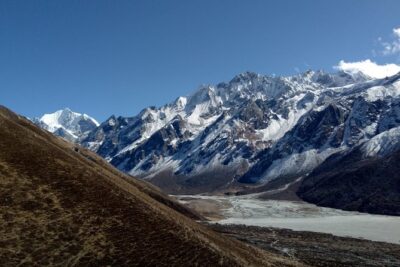
From up there, you are looking at snow-capped peaks including Langtang Lirung, Dorje Lakpa, and Ganchempo. The itinerary also emphasizes sunrise-style vistas, which is a good sign that you will likely start early enough for the peaks to look their best. Early starts are not everyone’s favorite thing, but if you want the full “snowlit” view payoff, it is usually the trade.
How it feels matters. Expect a hike that is more about steady effort than technical difficulty. Bring your patience, take breaks that keep you breathing comfortably, and treat the climb like a rhythm. When you reach the viewpoint, the valley view snaps into place, and the long walk starts to make emotional sense.
Meals, lodge nights, and included gear: what you get for $1,050
Let’s talk value, because $1,050 can sound either reasonable or steep depending on what is included. This price is for a roughly 9-day program that includes:
- 6 nights trekking on a tea house or lodge basis
- 2 nights in Kathmandu at a 3-star hotel
- Meals: 8 breakfasts, 7 lunches, 6 dinners included
- Private transportation
- An experienced trekking guide throughout
- Porter included
- TIMS and Langtang National Park permit
- Sleeping bag (camp grade) and trekking poles provided
Here is why that matters. Trekking in the Himalayas is not cheap once you add guide time, permit time, lodging time, and the small daily logistics that pile up fast. By including permits, guide, porter, food, and key gear, you reduce the “annoying expenses” that often show up after you book.
I also like that the transfer is private and air-conditioned on the road segment. Roads can be the least fun part of Nepal travel. Cutting down on that friction gives you more energy for the hiking.
The guide and porter effect: safety without feeling guarded
This trek is guided by an experienced trekking guide throughout the trek, and a porter is included. That is not just comfort. It is risk management in a practical way.
A guide helps you keep a sensible pace, manage altitude days, and handle timing when conditions shift. Porter support matters because on trekking routes, your shoulders carry a bigger load than your brain expects, especially when you are climbing higher each day.
In the feedback you provided, people specifically praised guide Rai for navigating well and getting good accommodations. That kind of praise is usually code for smooth decisions, not just nice words. Also, one memorable detail was a farewell dinner hosted by Binod, which suggests they think about your whole experience, not only the walking hours.
Who this Langtang Valley trek suits best
This program says most people can participate. One family account even framed it as beginner trekking. So if you are a first-time hiker who can handle long days on foot, this route can fit.
It is also a solid choice if you want your days structured but not rushed. The included tea house nights, plus village stops like Thulo Syabru, Langtang Village, and Ghodatabela, make the trek feel like a journey with breaks built in.
The main reason to reconsider is altitude. With a summit day around 4,773m, you should only book if you are comfortable with breathing harder as you go. If you tend to struggle at elevation, do not treat this as a casual walk. Train your stamina beforehand and plan your pace like you mean it.
Should you book it? My take on the “right person” match
Book this trek if you want a mix of culture and trekking with clear highlights: Kathmandu UNESCO temples, Tamang villages, a hot spring reset, and a summit-style day at Kyanjin Ri. You also get good logistical value, because permits, guide, porter, meals, and key gear are built into the price.
Think twice if you have major concerns about altitude or you hate early mornings. The Kyanjin Ri day is the emotional payoff, and it usually demands getting moving early to catch the best peak light.
If you want a guided, well-organized Langtang Valley experience that still feels authentic at the village level, this is a strong match.
FAQ
Where does the tour start and end?
It starts at Tribhuvan International Airport (TIA), on Ring Rd, Kathmandu 44600, Nepal. It ends back at the same meeting point.
How long is the experience?
The trek duration is about 9 days.
What is included in the trek nights and accommodation?
You get 2 nights accommodation in Kathmandu at a 3-star category hotel, plus 6 nights on a tea house or lodge basis during the trek.
Are meals included?
Yes. Breakfast is included 8 times, lunch 7 times, and dinner 6 times.
What permits do I need, and are they included?
The price includes TIMS permit and the Langtang National Park Permit. You may be asked to show your National Park Permit at the Langtang National Park checkpost.
Is a guide and porter included?
Yes. A professional experienced trekking guide is included throughout the trek, and a porter is included.
Do I need to bring trekking poles or a sleeping bag?
No. A camp-grade sleeping bag and trekking poles are provided.
Is there a hot spring stop?
Yes. The itinerary includes Syabrubesi Hot Spring.
Is travel insurance or medical coverage included?
No. Insurance and medical coverage are not included.
What is the cancellation policy?
You can cancel up to 24 hours in advance for a full refund. If you cancel less than 24 hours before the experience starts, the amount paid is not refunded.
Latest Kathmandu write-ups
- Langtang Valley Trek★ 5.0 · 3 reviews
- Khopra Danda Trek★ 5.0 · 3 reviews
- Langtang Valley Trek from Kathmandu★ 5.0 · 3 reviews
- 5 night / 6 days Kathmandu Nagarkot Chitwan Pokhara tour★ 5.0 · 3 reviews
- Nepal Highlights Tour: 5 Nights 6 Days Kathmandu & Pokhara Tour★ 5.0 · 3 reviews
- Kathmandu Valley Private Day Tour★ 5.0 · 3 reviews
- Conquer the Himalayas: The Ultimate 16-Day Annapurna Circuit Trek★ 3.5 · 3 reviews
- Kathmandu Heritage Day Tour★ 5.0 · 3 reviews
Langtang Valley Trek, compared.
7 Days Langtang Valley Private Trek From Kathmandu
Read our review →Browse the lists this tour appears in