
Reviewed · LANGTANG VALLEY TREK
7 Days Langtang Valley Private Trek From Kathmandu
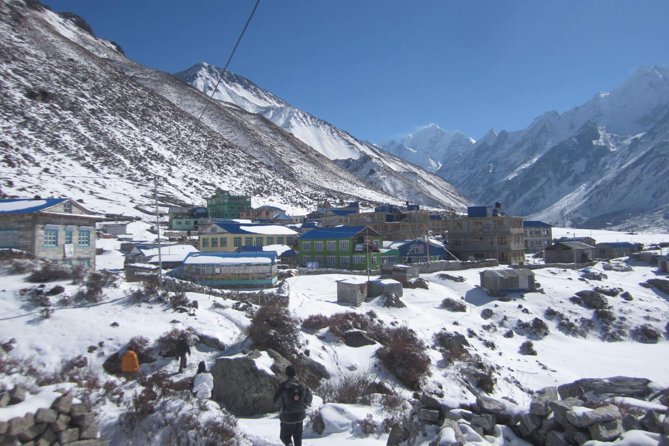
Langtang Valley is interesting because it feels like the Himalayas are close by, even though you’re walking through a real glacier valley tied to Tibetan culture. Langtang National Park puts you inside a protected mountain world, and the trek mix of forests, streams, and high viewpoints keeps the scenery moving day to day. I also like that this plan is built around a professional English speaking guide and included permits, so you spend less time on paperwork and more time on the trail. The one drawback to plan for is the daily grind, some long walking days, plus basic tea house comfort at higher elevation.
The route is designed for a classic Langtang experience at a comfortably reachable altitude, starting around 1,550 m in Syabru Bensi and topping out at Kyanjin Gompa (3,870 m). You get the feel of village life, and you should expect changes in vegetation as you climb, from pine and bamboo areas up toward rhododendron country and colder mountain air. If you’re not ready for long walks on uneven paths, you’ll notice it most on the ascent and return days.
I noticed a strong theme in how past groups describe their trip: the guide made the difference. Names like Rupak and Prakash come up in the kind of feedback you want to hear, confident pacing, smart advice for first-timers, and a calm approach to altitude day planning. That’s not a guarantee for everyone, but it is a good sign for how this operator tends to run treks in practice.
Key points to know before you go
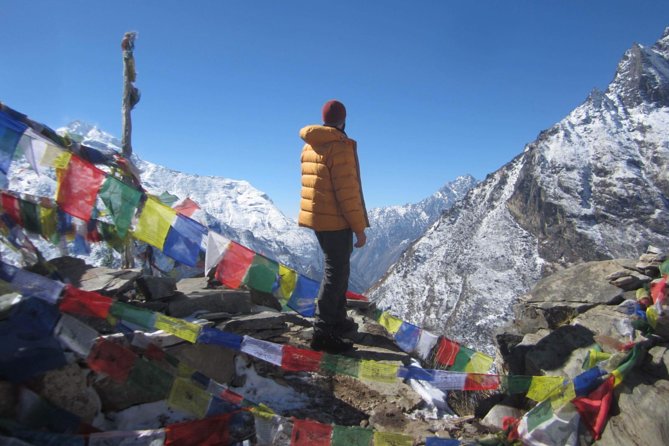
- Langtang National Park experience: 1,710 sq km of protected terrain since 1971, with forests, streams, and mountain wildlife possibilities.
- Route built for altitude that’s manageable for many people: tea house trekking with a highest stop at Kyanjin Gompa (3,870 m).
- Included permits and TIMS card: you’re covered for the park and trekking paperwork.
- Tea house lodging is basic by design: twin rooms, with toilet and bathroom outside the room.
- Guides like Rupak and Prakash show up in strong feedback: pacing, altitude advice, and a professional attitude seem to be part of the package.
- You’ll travel by bus between Kathmandu and Syabru Bensi: 7 to 8 hours each way, so don’t plan that day like a casual sightseeing outing.
Why Langtang Valley feels close enough for a real Himalayan trek
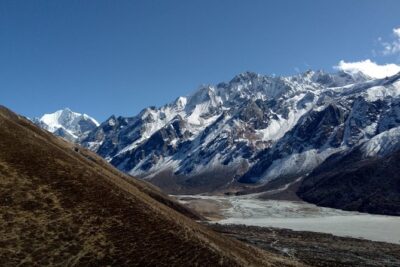
Langtang Valley is often called the valley of glaciers, and the name fits the feeling you’re likely to get when the valley narrows and the peaks start looking bigger, faster. You’re moving through a corridor between higher Himalayan ridges to the north and a lower line of snowy peaks to the south, with the main mountain wall guiding you all week.
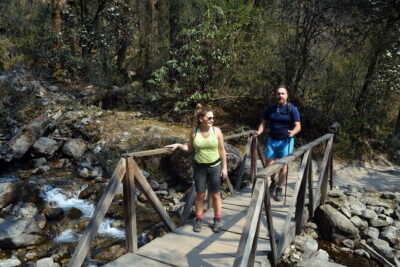
One reason I like this trek for you is the blend of “off-the-beaten-track” walking and still-simple logistics. It’s not a remote expedition with complicated transfers, yet it doesn’t feel like you’re stuck in a single tourist strip. You also get plenty of small moments that add up: mountain streams, rhododendron and bamboo forests, pine areas, and grassy downslopes where meadows and daisies show up.
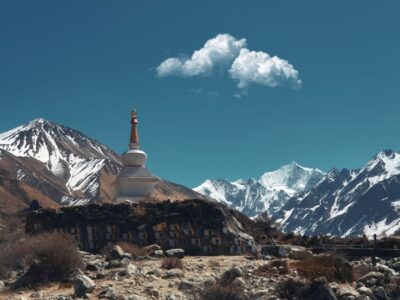
Another plus is the cultural side. The Langtang region has Tibetan influence, so you’re not only looking at peaks. You’ll pass through villages where the daily rhythm looks familiar to the wider Tibetan world, especially as you reach higher settlements near Kyanjin Gompa.
More of the Langtang valley:
- Langtang Valley Trek
★ 5.0 · 140 reviews - Langtang Valley Trek
★ 5.0 · 61 reviews - Langtang Valley Trek
★ 5.0 · 50 reviews
Price and logistics: what $585 buys you, and what it doesn’t
At $585 per person, you’re paying for more than just a guiding service. Included are 3 meals per day during the trek, 6 nights basic tea house accommodation, and 2 nights in a Kathmandu deluxe hotel with breakfast. You also get the operational backbone most people underestimate: guide costs (salary, food, accommodation, travel expenses, and insurance), plus the administrative side with Langtang National Park permit and the TIMS card.
Transport is also partly handled. The trek includes airport to hotel and hotel to airport transfers by private transport, while the Kathmandu to Syabru Bensi legs are by public bus. That can be a good value choice if you’re comfortable with an all-day road journey, but it does mean you should expect long seated time on the two drive days.
What you should budget on top:
- Beverages like tea, coffee, mineral water, and hot water are not included.
- Porter is not included, though you can arrange one for an added cost.
- Personal costs like charging fees, laundry, and extra snacks are on you.
- Tips for local staff are not included.
My practical take: the price feels fair if you want meals, lodging, permits, and a guide bundled together. If you plan to hire a porter and add extra beverages and charging, your total will rise, but you’ll still likely end up with less hassle than DIY.
Entering the valley: Kathmandu to Syabru Bensi and your first climbing day
Day 1 is straightforward: greeting at Kathmandu Airport, then transfer to a hotel. Day 2 is where the real trek begins, with a 7 to 8 hour drive from Kathmandu to Syabru Bensi (1,550 m).
This drive day matters more than it sounds. It sets your fatigue level for the first walking day, and Langtang weather can move fast, so you want to treat the day as a reset, not a photo marathon. If you’re the type who gets antsy in vehicles, plan to bring something to make the ride calmer, like water, a light layer, and a small snack.
Day 3 is the first climb and the first big shift in feel: Syabru Bensi to Lama Hotel (2,450 m). You’re walking about 6 to 7 hours with roughly 1,070 m of ascent over around 10.9 km. This is a good “starter hard” day. The elevation does the work, so start slow, sip water regularly, and don’t chase other people’s pace.
Lama Hotel is where the trek begins to feel like a mountain routine. Tea houses here are basic, so the win is the simplicity: you eat, you rest, you gear up, and tomorrow you go higher.
The core trek days: Lama Hotel to Langtang Village to Kyanjin Gompa
Day 4 climbs to Langtang Village (3,430 m). Expect 7 to 8 hours walking, about 980 m of ascent, and around 14.8 km. This day is longer and higher than most people imagine when they think Langtang is a “short trek.” Still, the payoff is the tightening valley look as you rise, plus more visible mountain drama.
Langtang Village is the cultural heart of the route. You’re in the kind of settlement that helps you understand the Tibetan-influenced feel of the region, and you’ll see how village life adjusts as the seasons and weather change. Nature is also part of the story here: the broader Langtang region is known for rhododendron, bamboo forests, pine areas, waterfalls, and swift mountain streams. You may not spot every animal species people list, but the habitat makes wildlife possibilities real.
Day 5 is shorter on paper, but it’s a meaningful moment: Langtang Village to Kyanjin Gompa (3,870 m). The walk is about 2 to 3 hours, roughly 460 m ascent, around 6.8 km. If you’re conserving energy, this is your day to do it, because you want fresh legs for optional viewpoints.
If time allows, you can visit Kyanjing Ri in the afternoon. That extra push tends to be the difference between a good trek and a “remember this forever” trek, because it adds a higher viewpoint moment to a day that already carries altitude.
Kyanjin Gompa is also the place where the valley’s glacial mood starts to feel more present. You’ll likely spend more time looking around and less time worrying about the next kilometer.
More to compare around Kathmandu
- Everest Base Camp Trek – 14 Days
★ 5.0 · 1,499 reviews - Everest Base Camp Trek
★ 5.0 · 842 reviews - Private Kathmandu Sightseeing Tour | UNESCO World Heritage sites
★ 5.0 · 756 reviews - Kathmandu: 7 UNESCO Sites with Lunch
★ 4.8 · 744 reviews
Heading back down: retracing to Lama Hotel and then Syabru Bensi
Day 6 is long in distance and steep in impact, even though it’s descent: Kyanjin Gompa back to Lama Hotel (2,450 m). You’re walking about 7 to 8 hours, descending roughly 1,430 m over around 21.6 km.
This day is where your knees and ankles get a vote. Descents can feel easier than ascents, but the pounding is real. Use trekking poles if you have them, keep steps short, and aim to walk with control, not speed. Also, tea houses at this altitude are still basic, so don’t assume you’ll have a comfy reset mid-day. Your best comfort comes from pacing early.
Day 7 brings you back to Syabru Bensi (1,550 m). The trek is about 5 to 6 hours with around 1,070 m descent over 10.9 km. This is the day you’ll feel the most relief. You’ll still be walking in mountain terrain, but it usually feels like the trail is finally working with you instead of against you.
Kathmandu hotel nights: what that stop is really for
After trekking, you’ll return to Kathmandu by road on Day 8. The drive is about 7 to 8 hours. This is not a day to cram extra plans. Give yourself time to eat, shower, and fully dry out gear. Even if you feel fine on arrival, your body often takes an extra day to catch up.
The trek includes 2 nights in a Kathmandu deluxe hotel with breakfast, twin sharing. That hotel segment is part of what makes this trek feel like a complete package, not just a long hike. It also gives you a safe buffer for rest before any flight.
Tea houses, meals, and what comfort looks like in Langtang
This trek uses basic tea house accommodation for 6 nights on a twin sharing basis. Toilet and bathroom are outside of your room. That’s an important expectation to set now, because it changes how you pack and how you manage your time at each stop.
Meals are included: breakfast, lunch, and dinner, so you won’t have to hunt for food. What’s not included is beverages like tea, coffee, mineral water, and hot water. In practice, this means you should plan cash for drinks and small comforts. It also means you should not wait until you’re thirsty to decide to spend money.
You’ll want gear that makes a basic room workable. The provided gear list includes items like a sleeping bag, down jacket, LED headlight, water purification solution, and water bottle. I strongly agree with the focus on water treatment. In mountain regions, staying hydrated is a daily job, not an occasional habit.
Also pack for weather changes. The trek operates in all weather conditions, so you should dress appropriately. That often means a rain layer and a warm top even when the day starts mild.
Guides in this trek: where the real quality shows up
Because this is a private tour and only your group participates, the guide role becomes more obvious. A good guide doesn’t just point the way. They manage effort levels, help you plan for altitude, and keep your pace sensible so you actually enjoy the views.
Names like Rupak show up in strong feedback tied to views and wildlife moments. Another guide, Prakash, gets credit for a professional and friendly approach and for making the trip feel smooth. Dilli also comes up with customer service praise, plus the sense that the planning worked end to end.
There are also hints that guides take seriously the needs of first-timers. If you’re new to altitude, you want a guide who shares practical packing and health advice, and who pushes you toward smart decisions rather than heroic ones.
Nature and wildlife chances inside Langtang National Park
Langtang National Park covers 1,710 sq km, and it became Nepal’s first Himalayan national park in 1971. That scale is why the trek feels varied. You’re not only climbing through one type of scenery, you’re moving through a changing ecosystem.
The region is known for rhododendron, bamboo forests, pine areas, grassy meadows with daisies, and mountain streams. Wildlife sightings are never guaranteed, but the habitat supports animals such as red pandas, Himalayan black bears, and wild boar, plus the chance of rare tree orchids and colorful rhododendrons. The best way to improve your odds is simple: walk quietly, stop when you see movement, and stay patient.
Glacier views are the long-view reward. As you get closer to the upper valley and the higher stop at Kyanjin Gompa, the scenery has that glacier valley feel: higher ridges, colder air, and peaks dominating the frame.
Who should do this Langtang Valley private trek
This trek is a good match if you:
- want a Himalaya trek close to Kathmandu without a multi-week commitment
- prefer tea house trekking with meals included
- like Tibetan-influenced villages and want a cultural layer, not just summit photos
- can handle moderate fitness walking with long days of ascent and a long return descent
It’s also a practical choice if you’re traveling with a partner or a small group, since it’s private and your group participates together. If you want a porter, you can arrange one, but it’s not automatically included.
If you hate long drive days, keep in mind the Kathmandu to Syabru Bensi journey is 7 to 8 hours each way. Your comfort with road travel matters.
Should you book this 7-day Langtang Valley trek?
I’d book this if you want a structured, guided Langtang experience where meals, lodging, and key permits are already handled. The value is strongest if you appreciate convenience: guide support, park permit, TIMS card, and included breakfast and meals. It also suits you if you want a classic valley trek that hits forests, villages, and glacier mood without forcing extreme altitude.
I would think twice if you’re sensitive to basic accommodations. Toilet and bathroom being outside your room is not a deal breaker, but it is a real expectation. Also, the trail includes long walking days, and even though some days are shorter, the return descent covers a lot of ground over about 21.6 km.
If you can manage those two things, you’ll likely enjoy the mix of nature and Tibetan-flavored village life that makes Langtang worth doing.
FAQ
How many days should I plan for this Langtang Valley trek?
The itinerary is about 7 days but the schedule includes travel days, with driving back to Kathmandu on Day 8. Plan on roughly 7 to 8 days total.
What is the highest elevation you reach?
The itinerary lists Kyanjin Gompa at 3,870 m. There is also an option to visit Kyanjing Ri if time allows, and some versions of this trek can include a higher viewpoint up toward Tserko Ri around 4,985 m, depending on conditions and time.
What meals and accommodation are included?
You get breakfast, lunch, and dinner during the trek, plus 2 nights in Kathmandu hotel with breakfast. During the trek, lodging is 6 nights basic tea house accommodation on a twin sharing basis, with toilet and bathroom outside of the room.
Which permits and cards are covered?
The trek includes the Langtang National Park permit and a TIMS card.
Is a porter included in the price?
No, a porter is not included. You can arrange one at an additional cost if you want help carrying your load.
Do I need travel insurance for emergency evacuation?
Yes, travel insurance is required. The plan notes that you should make sure your policy covers helicopter evacuation and medication. In emergency situations, they will arrange helicopter rescue and medical treatment, and the costs are borne by your travel insurance company.
What if the trek is cancelled due to weather?
If the trek is cancelled due to poor weather, you’ll be offered a different date or a full refund. The experience also operates in all weather conditions, so you should dress appropriately.
Latest Kathmandu write-ups
- Visit Swayambhunath and Bauddhanath Stupa with Guide★ 5.0 · 5 reviews
- 10 days Annapurna Base Camp Trek★ 5.0 · 5 reviews
- Langtang Trek from Kathmandu 7 Days★ 5.0 · 5 reviews
- 7 Day Kathmandu Pokhara Tour★ 4.5 · 5 reviews
- Island Peak Climbing with Everest Base Camp★ 5.0 · 5 reviews
- Chandragiri Hill Cable Car Tour with Hotel Transfers from Kathmandu★ 4.5 · 5 reviews
- Everest Mountain Flight★ 5.0 · 5 reviews
- Kathmandu city day tour (4 world heritage sites)★ 5.0 · 5 reviews
Langtang Valley Trek, compared.
Browse the lists this tour appears in