
Reviewed · EVEREST BASE CAMP TREK
12 days visit to Everest Base Camp via Lukla and Namche Bazar
The Glimpse of Everest Trek is interesting because it mixes a classic Everest route with a shorter high-mountain plan. You still get the big-name milestones, Lukla, Namche Bazar, and the payoff views around Tengboche Monastery and Everest Base Camp. One consideration: Lukla flights and mountain weather can be picky, so you should be ready for schedule shifts, especially on the final day.
What I like most is that you get real Sherpa-country context, not just walking and altitude numbers. You’ll spend time around Namche, including a stop at the Sherpa museum, which helps you understand the people and rhythms of the Khumbu before you chase the peaks. Second, the trek is built for first-timers with built-in acclimatization, so you’re not thrown into the deep end right away.
If you’re after a purely relaxed vacation, this is not it. Even on the easier end of Everest region treks, you’ll still hike steep days at elevation, and the cold at higher altitudes can feel surprisingly sharp.
Key Points You Should Know Before Going
- Lukla is the entry ramp: a local flight gets you into the Khumbu fast, then you hike into the Everest corridor.
- Namche Bazar is more than a stop: you get a dedicated acclimatization day plus a Sherpa museum visit.
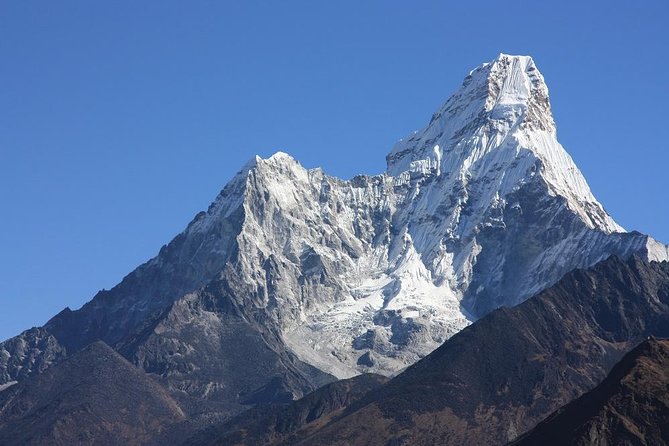
- Tengboche is the big visual moment: from the ridge you get clear, wide views of Ama Dablam, Lhotse, and more.
- Everest Base Camp is a full goal day: you’ll reach the base camp area, then overnight back at Ghorakshep.
- Kala Patthar is your photo plan: an early hike gives you a standout vantage for Everest views.
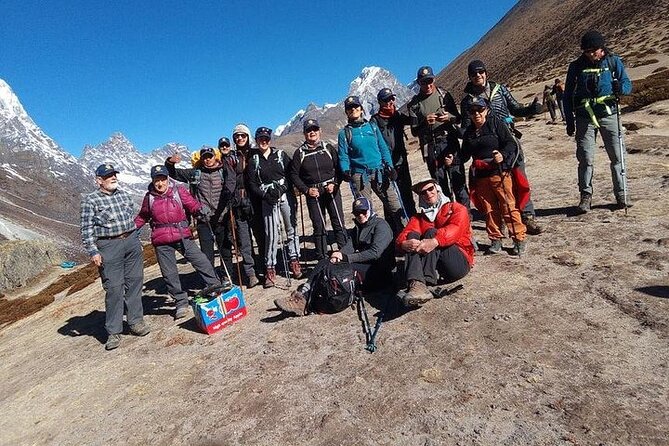
- Support is real and personal: you travel with a professional guide and a shared porter setup (one porter for two people).
Lukla, Namche Bazar, and the Shortest Path to Real Everest Feeling
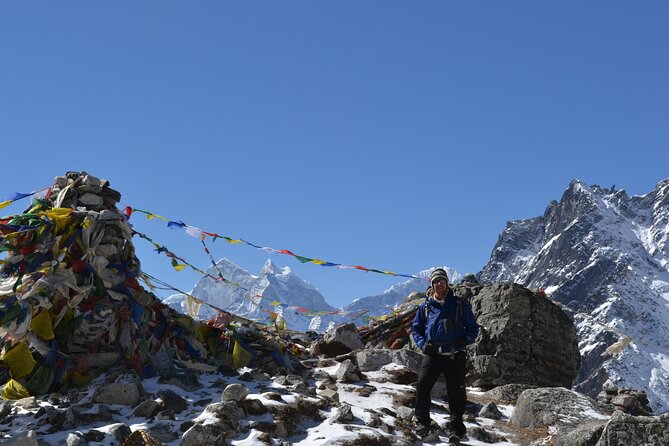
The best thing about this trek is how quickly you get into the Everest story. You fly from Kathmandu to Lukla, then start hiking almost immediately, so the trip feels like a transition from city life into high-mountain life, day by day.
This is also one of the more practical Everest-region options if your schedule is tight. Twelve days is enough to reach Everest Base Camp and still include acclimatization time in the right places, especially around Namche Bazar.
And yes, you get the iconic mountain lineup people dream about. On clear days the views mention Mt. Everest, Mt. Lhotse, Mt. Thamserku, Mt. Ama Dablam (spelled as Amadablam in the tour description), plus several other snowy peaks you’ll see repeatedly as you go higher.
More ways to walk to Everest Base Camp:
- Everest Base Camp Trek – 14 Days
★ 5.0 · 1,499 reviews - Everest Base Camp Trek
★ 5.0 · 842 reviews - Everest Base Camp Helicopter Tour landing at Everest View Hotel
★ 5.0 · 668 reviews
Pace and Altitude: Why This One Works for First-Timers
The route is described as comparatively easy compared with other Everest-area treks, but don’t confuse easier with effortless. You’re still moving through altitude zones where your breathing changes, and you’ll hike for multiple hours on most trekking days.
Here’s the altitude rhythm that matters for comfort and safety. You start around Lukla (2,804 m), hike up to Phakding (2,610 m) the first day, climb to Namche Bazar (3,535 m) the second day, and then spend a dedicated day in Namche to adjust before pushing higher.
Later, the tour aims you toward Tengboche Monastery around 3,867 m, then continues gradually through Dingboche, Chhukung Valley (as an acclimatization day option), and Lobuche. That structure is what helps many first-timers avoid the classic mistake: going too hard too fast.
Day 1-3: From Kathmandu Flight to Namche Bazar’s Sherpa Welcome
Your trip begins with a very short airport transfer and an early flight. The plan is to drive about 15 minutes to Tribhuwan Airport, then fly roughly 30 minutes to Lukla at 2,804 m.
Once you land, you start hiking to Phakding (2,610 m). This first walk is basically your warm-up, and it’s also where you start feeling how different the terrain is compared with lower Nepal treks, with rougher trails and the ever-present cold air.
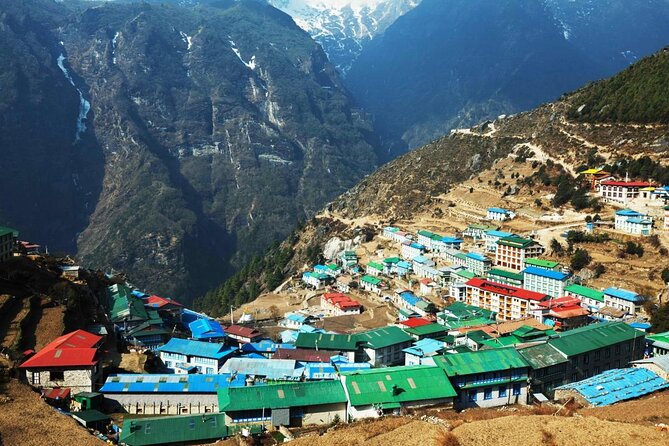
Day 2 climbs to Namche Bazar (3,535 m). You’ll hike for about six hours through the Dudhkoshi River area, and you’ll likely feel the altitude more strongly as the day goes on. The upside: Namche is a high-mountain town where everything feels purposeful, from the trails to the lodge life.
Day 3 is your acclimatization day. You’ll take a walk around the valley to help your body adjust to thin air, plus a visit to the Sherpa museum. I like this kind of stop because it turns Namche from a viewpoint stop into a cultural foothold, and it gives context for what you’re seeing later at monasteries like Tengboche.
Tengboche Monastery at 3,867 m: Where the Views Make You Forget the Climb
Tengboche is a ridge town, and the tour description calls it out for a reason: the views here are dramatic. At 3,867 m, the scenery can include Ama Dablam, Nuptse, Lhotse, Thamserku, Kantega, and the glacier walls that dominate the skyline.
One detail that sticks with me from the way this trek is described is how the mountains feel alive. Avalanches can frequently be heard rumbling high up the glaciers, even if you’re not close enough to see every trigger. That sound is a reminder that you’re traveling in a real working mountain environment, not a postcard set.
Another strong plus for this day: access to Tengboche Monastery is reported as free. That matters because some treks make monasteries feel like pay-to-enter attractions, while this one keeps the focus on the place itself.
More to compare around Kathmandu
- Private Kathmandu Sightseeing Tour | UNESCO World Heritage sites
★ 5.0 · 756 reviews - Kathmandu: 7 UNESCO Sites with Lunch
★ 4.8 · 744 reviews - Half day cooking class in Thamel kathmandu
★ 5.0 · 607 reviews - Everest Base Camp Trekking
★ 5.0 · 485 reviews
Dingboche, Chhukung Valley, and Lobuche: Acclimatization That Still Feels Productive
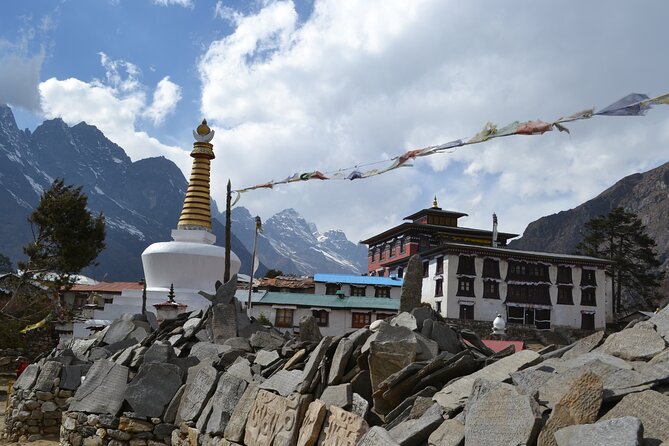
Day 4 pushes you into the middle altitude zone with serious view potential. You’ll move onward and reach Dingboche after a trek through the Dudhkoshi River region, crossing the village of Pangboche, in roughly 5 to 6 hours.
Day 5 is about adjusting. The plan is a day trip to Chhukung Valley or trekking as high as possible, as long as you follow the acclimatization idea. This type of day can be a great balance for your energy levels because it helps your body adapt while you still get movement and scenery, not just a total rest day.
Day 7 heads to Lobuche in about 4 to 5 hours. You get a sense of the Everest corridor narrowing as you approach Lobuche, plus more “big peak” framing, including a mention of views of Mt. Amadablam and the village of Pheriche in the valley below.
Everest Base Camp Day: Ghorakshep First, Then the Big Goal
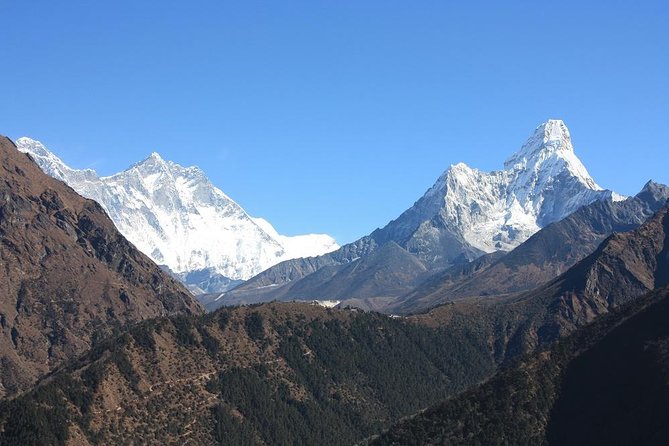
Day 8 is your Everest Base Camp goal. You’ll leave early from the previous stop area, reach Ghorakshep in about 3 hours, and then leave your luggage at your guesthouse there before heading toward Base Camp.
That detail is practical. Packing up and re-packing at altitude is a hassle, and leaving luggage gives you a more relaxed hike when you’re trying to enjoy the scenery and conserve energy for the Base Camp segment.
You’ll return to Ghorakshep for an overnight stay in the evening. Overnighting here matters because it sets you up for the next day’s early push to viewpoints, when visibility can be best.
Kala Patthar in the Morning: Best Views, Tight Timing
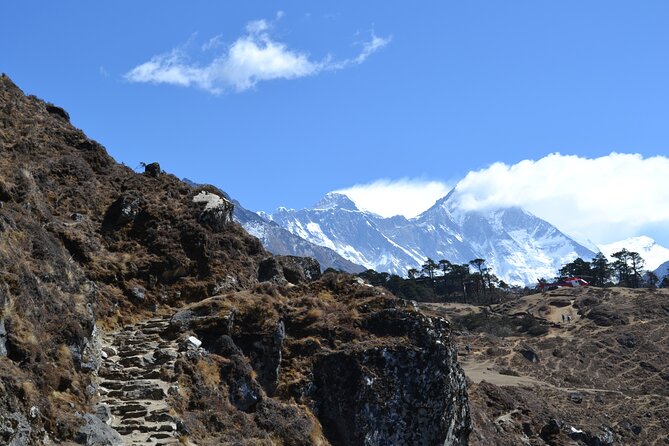
Day 9 is all about catching the close-up Everest angle. You’ll leave early and hike around two hours to Kala Patthar, described as the best viewpoint to capture Everest photos.
I love this kind of structure because it turns a tough early morning into a clear mission. When you climb for a viewpoint with a set goal, you’re not just suffering in the cold hoping something shows up.
After Kala Patthar, you’ll head back down toward the lodge area. If weather is clear, this is when the Everest region starts to feel almost close enough to touch, even though it still looks massive and untouchable at the same time.
The Return to Namche and Lukla: Done Carefully, Not Rushed
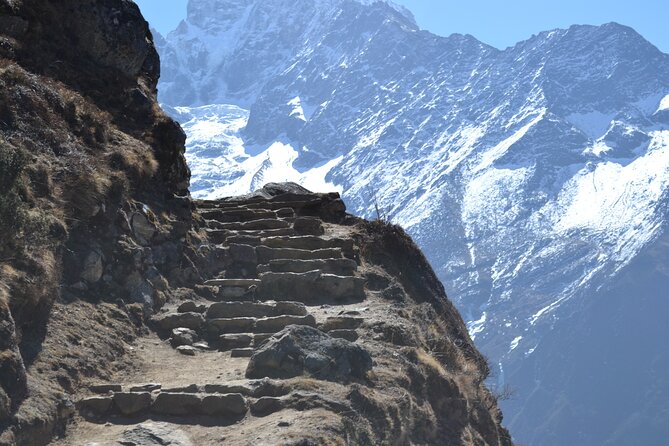
Day 10 brings you back toward Namche Bazar. The trek day is described as recalling your visit to Everest Base Camp and Kala Patthar, with about 10 hours walking back down.
Day 11 is the long final trekking day down to Lukla, passing through Jorsale and Phakding, again around 10 hours. The descent is often easier on your lungs than the ascent, but it can be harder on knees and feet. If you’re the type who gets impatient on descents, this is where you slow down and protect your legs.
Finally, Day 12 is your weather and flight day. The plan is to wait for good weather and for the plane to land at Lukla airport.
This is the part where you want a calm mindset. Even with a solid itinerary, Lukla is a place where the mountains control the timetable more than people do.
Price and Value: What You Get for $1,620 Per Person
At $1,620 per person, this trek is priced for a fairly high-cost destination, mostly because of flights, permits, and the logistics of guiding through high-altitude lodges. What makes it feel like good value is that it’s not just “a trek route.” It includes the key infrastructure that usually costs you extra when you arrange things separately.
Included in the price:
- Guesthouse accommodation on the mountain
- Professional guide plus 1 shared porter for 2 persons
- Local flight to and from Lukla
- Trek permits
- Airport pick up and drop off
- Meals: breakfast 12, lunch 11, dinner 11
Not included (and easy to forget until you budget):
- Food and drinks in Kathmandu
- Trek equipment, including a sleeping bag
- Kathmandu accommodation
- Beverages, including tea and coffee
My practical take: If you already own solid trekking gear, the cost-to-experience ratio looks strong because so much is packaged. If you still need to buy a sleeping bag and other basics, you should price those upfront so the “all-in” total matches your expectations.
Guide and Porter Support: Why It Matters More Than You Think
You’ll be with a professional guide and a shared porter. The porter setup is listed as 1 porter for 2 persons, which is a nice middle ground for keeping your load manageable without inflating costs too much.
Support shows up in how the trek feels day to day. One experience report specifically credits exceptional guidance from Mr. Chethan (Guide) and professionalism from Mr. Yuvraj (Porter). That kind of duo matters on Everest routes because it affects pacing, trail choices, and the way you handle small surprises like changing trail conditions or weather windows.
There’s also a sense of organization around the trip base in Kathmandu in one account, mentioning Tilak Thapa Magar and a centrally located hotel setup tied to Nepal Hiking. Even if your Kathmandu base differs, the larger point is the same: you want an operator that actually coordinates the human parts, not just the stamps and the route.
What to Pack and What to Budget for in Kathmandu
This trek depends on being comfortable in cold air and managing your weight. The trip includes trekking gear only up to the “you bring it” level, so you’ll want to handle equipment yourself, including a sleeping bag.
For Kathmandu, remember that Kathmandu food and drinks are not included, and beverages like tea and coffee aren’t covered even on the trek side. That means you should set aside cash for daily meals before and after your mountain days, plus some hot drinks along the way if you rely on them.
If you’re a planner, bring a buffer. Lukla flights can be weather sensitive, and having a little extra money and patience helps a lot on those “wait and see” hours.
Should You Book This Glimpse of Everest Trek?
Book it if:
- You want the Everest Base Camp goal without a longer multi-week commitment
- You like structure, with acclimatization built around Namche Bazar and staged altitude progress
- You’re seeking strong mountain views, especially the Tengboche Monastery ridge experience and Kala Patthar morning
Skip it or reconsider if:
- You hate uncertainty from weather, especially on the Lukla flight day
- You’re looking for a gentler sightseeing trip where you never hike hard days
- You don’t want to manage cold conditions and altitude effects, even with acclimatization days included
For most people with moderate fitness and limited time, this is a smart Everest gateway. It hits the big moments, keeps the trek plan realistic, and makes support part of the experience, not an afterthought.
FAQ
What is the meeting point and pickup like?
The start and end meeting point is Kathmandu, Nepal (44600). The experience includes airport pick up and drop off, and the meeting point opening hours are listed as 7:15 AM to 5:45 PM.
How do we travel to Lukla and back?
You’ll take a local flight to and from Lukla as part of the itinerary.
What’s included for meals during the trek?
Breakfast is included for 12 days, lunch for 11 days, and dinner for 11 days.
Are trek permits included?
Yes, trek permits are included.
Do I need to bring my own trekking equipment?
Yes. Trek equipment, including a sleeping bag, is not included.
How much porter help do we get?
You’ll have a professional guide and 1 shared porter for 2 persons.
Is Kathmandu accommodation included?
No. Kathmandu accommodation is not included.
What kind of fitness level is required?
You should have moderate physical fitness.
What happens if the trek is canceled due to poor weather?
The experience requires good weather. If it’s canceled due to poor weather, you’ll be offered a different date or a full refund.
Latest Kathmandu write-ups
- Langtang Valley Trek★ 5.0 · 3 reviews
- Khopra Danda Trek★ 5.0 · 3 reviews
- Langtang Valley Trek from Kathmandu★ 5.0 · 3 reviews
- 5 night / 6 days Kathmandu Nagarkot Chitwan Pokhara tour★ 5.0 · 3 reviews
- Nepal Highlights Tour: 5 Nights 6 Days Kathmandu & Pokhara Tour★ 5.0 · 3 reviews
- Kathmandu Valley Private Day Tour★ 5.0 · 3 reviews
- Conquer the Himalayas: The Ultimate 16-Day Annapurna Circuit Trek★ 3.5 · 3 reviews
- Kathmandu Heritage Day Tour★ 5.0 · 3 reviews
Everest Base Camp Trek, compared.



Everest Base Camp Helicopter Tour landing at Everest View Hotel
Read our review →



Everest Base Camp Helicopter Tour landing at Hotel Everest View
Read our review →
Browse the lists this tour appears in