
Reviewed · GOKYO LAKES TREK
Everest Gokyo Lake Trek
This trek is interesting because it trades Everest Base Camp crowds for a quieter obsession, the Gokyo Lakes and the huge Ngozumpa Glacier under towering 8000 meter peaks. You get a mix of classic Khumbu villages, steep climbs, and those turquoise lake views that feel almost unreal from the trail.
I really like two things about this trip. First, the route is built around multiple lake stops, including the third lake Dudh Pokhari, the fourth lake Thonak Tsho, and the fifth lake Ngozumpa Tsho, plus a sunrise style viewpoint hike up Gokyo Ri. Second, the organization looks solid, with a highly experienced guide, porters, and even down jacket and sleeping bag use arranged for the trek.
One consideration: you are still in the Everest region, so altitude matters and the flight in and out of Lukla can be weather dependent. Also, the trekking portion does not include three meals a day, so you’ll want to budget lunch and dinner on the trail.
Key Things I’d Prioritize Before You Go
- Gokyo Lakes time, not just a quick photo stop, with multiple lakes in the main Gokyo Valley loop
- Gokyo Ri views, including wide panoramas toward Everest, Cho Oyu, and the rest of the Mahalangur range
- Acclimatization days in Namche and at Everest View area, which help you pace higher trekking
- Steep glacier moraine walking on the way to the lakes, so expect leg burn, not just easy scenery
- A guided story stop on the Ngozumpa Glacier area, adding a cultural, campfire style moment to the big scenery
- Small group size, max 20 travelers, which usually keeps things easier on busy trails
First Day In Kathmandu: Getting Oriented Without Wasting Time
Day 1 starts clean and simple. You land at Tribhuvan International Airport, and an airport representative meets you, shows a sign, and transfers you by private tourist vehicle to your Kathmandu hotel. It is a short buffer day, not a “throw you into sightseeing” day.
Why this matters: Kathmandu is loud and a little chaotic, even when things run smoothly. A pickup and a real transfer cut down on stress, so you can focus on sleep and hydration before the first big travel day.
You stay two nights total in Kathmandu on this plan, and those Kathmandu hotel nights include breakfast. So you get a real reset before your trek and a comfortable place to regroup after it ends.
More of the Gokyo lakes:
- Gokyo to Everest Base Camp Trek
★ 5.0 · 113 reviews - Everest Base Camp – Cho La Pass – Gokyo Trek
★ 5.0 · 65 reviews - Everest Gokyo Valley Trek – 12 days
★ 5.0 · 27 reviews
Lukla Flight, Phakding Trek, and the Day Your Trip Really Starts
On Day 2, the trek begins the way most Everest region trips start in earnest: you go from Kathmandu to Lukla early, then hike to Phakding. The description you’ll see for Lukla is not exaggeration. The airstrip sits high, and the runway ends are very close together, which gives you that nervous but unforgettable feeling when you land.
The Phakding route is about settling into trail rhythm. You move through green scenery with views of Kusum Kangraru, and the day finishes in Phakding, a town that feels made for walkers. This part is usually where you learn how your pack feels on your back and how quickly you need to slow down.
One nice value detail: the trekking lodges provided on the trek include private bathrooms in Phakding. That matters more than people think, especially after a long day and when you are trying to sleep.
Namche Bazar Acclimatization: Markets, Trading History, and Breathing Realities
Day 3 takes you toward Namche Bazar along the Dudh Koshi, climbing through pine and cedar forest. Namche is a historic trading post, built on exchanges between Nepalese and Tibetan traders. You can feel why it became a hub, it is central, it has supplies, and it is where your trek turns from “tourist walking” into “real altitude hiking.”
You spend two days in Namche for acclimatization. On Day 3 you hike in, and on Day 4 you do a higher viewpoint and museum day. Namche is also where you get time with your team and chances to shop for small gear needs.
I like this pacing because it respects your body. Your lungs are working harder up here, so you gain more by taking a couple of slower days rather than forcing more distance.
Everest View Point Day: Syangboche and the Everest Hotel Area
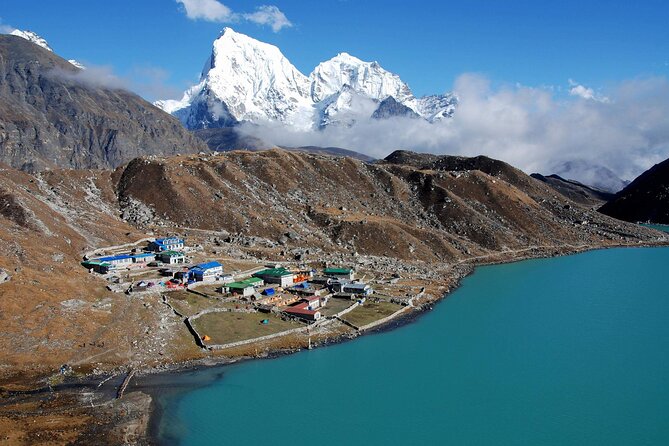
Day 4 is your acclimatization day with a payoff. You hike to Syangboche Airport (around 3700 meters), then continue to the Everest View Hotel for panoramic views. From that area, you’re set up for big peak spotting like Everest, Lhotse, Amadablam, Tawache, and more.
You also get two culture add-ons on this day: a Sherpa Culture Museum visit and time at an Everest Photo Gallery. That combination is useful. When you’re standing near huge mountains, it helps to connect what you’re seeing with the people who live with it year-round.
Practical note: this day is about height, not speed. Even if the timetable looks short, you’ll feel the altitude climb. The best way to enjoy the views is to pace so you arrive steady and not gasping.
More to compare around Kathmandu
- Everest Base Camp Trek – 14 Days
★ 5.0 · 1,499 reviews - Everest Base Camp Trek
★ 5.0 · 842 reviews - Private Kathmandu Sightseeing Tour | UNESCO World Heritage sites
★ 5.0 · 756 reviews - Kathmandu: 7 UNESCO Sites with Lunch
★ 4.8 · 744 reviews
The Walk Toward Dole: Rhododendron Forests and Those Kharkas
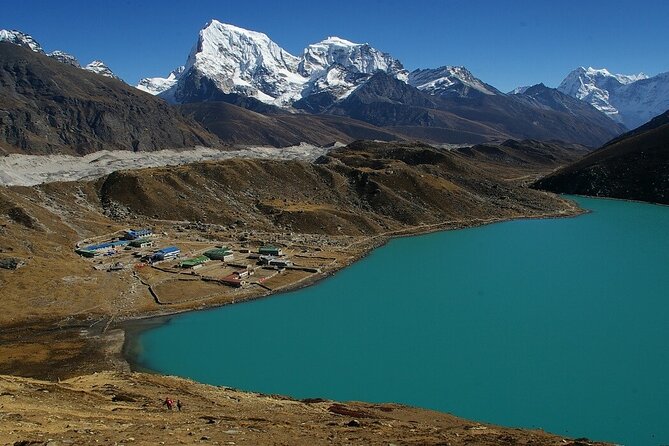
Day 5 continues the trek, leaving the easier valley feel behind. The route goes through Kyangjuma, then climbs steeply through rhododendron forests. As you gain elevation, the vegetation shifts into juniper stands and taller conifers.
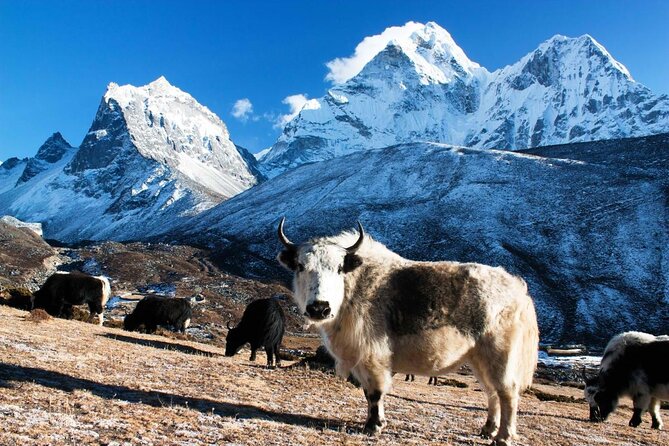
This is a day for scenery plus a little “how the Sherpas live” context. You pass kharkas, which are summer grazing settlements used when herds of yaks are moved to higher pastures. The trail between villages here feels like living geography.
You also route past Tongba (around 3950 meters) and Gyele (around 3960 meters) before reaching Dole, where the day finishes at a place with a few lodges. The description also highlights strong views of Khumbila and Tawache (around 6542 meters) during the day.
The value here: you’re not only stacking days. You are getting multiple ecosystem changes, plus mountain views that appear and disappear as the trail changes direction.
Arriving at Gokyo Lakes: Terminal Moraine Work and Turquoise Payoff
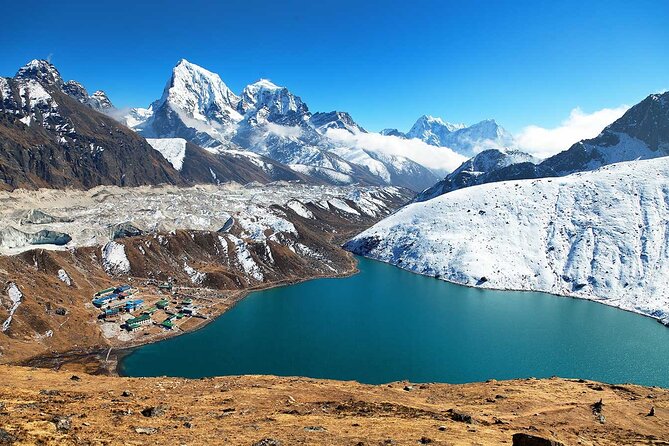
Day 6 is when the trek really changes mood. You climb up a ridge for views down the valley toward Kantega and up toward Cho Oyu. Then the route widens as you move through Pangka and descend to the riverbank before starting the climb onto the terminal moraine of the Ngozumpa Glacier.
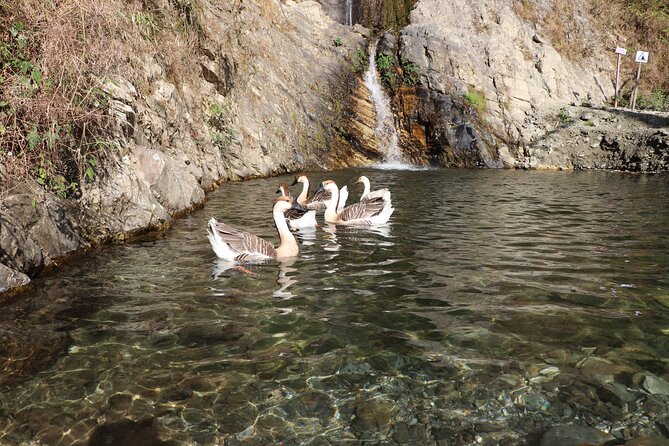
This is the day where your legs get their say. Terminal moraine walking is typically steep and uneven, and the trail switchbacks with a stream nearby. You climb to the first small lake area around 4650 meters, and you’re also told you may see a family of green ducks there.
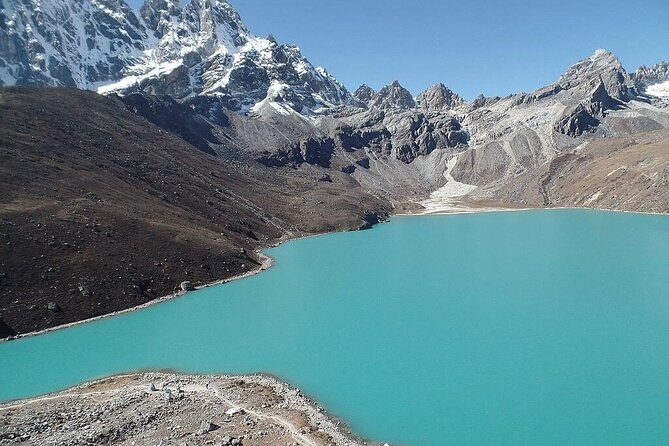
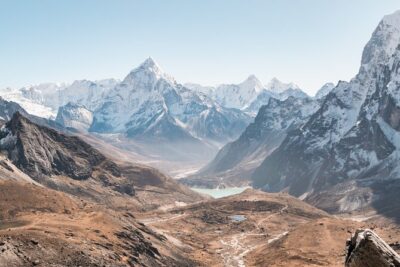
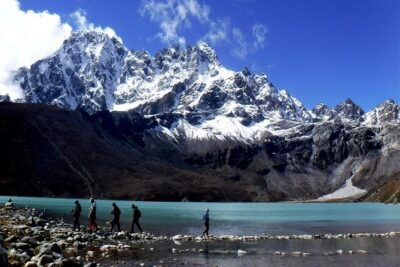
Your destination on Day 6 is the Gokyo Lakes region, and this is also where the “turquoise lakes framed by 8000 meter peaks” promise becomes real.
One more practical benefit: your lodging on the trek includes best available twin sharing lodge arrangements, and you have private bathrooms in key spots like Namche and Lukla as well. That helps you stay comfortable and sleep better on higher days.
Gokyo Ri: Early Start, Big Range Views, and the Best Morning Vibes
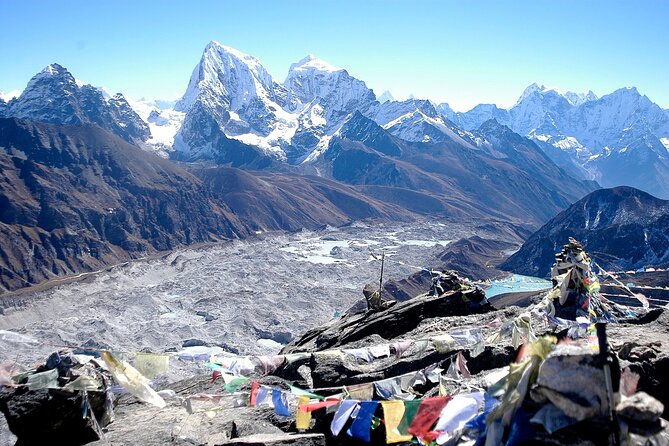
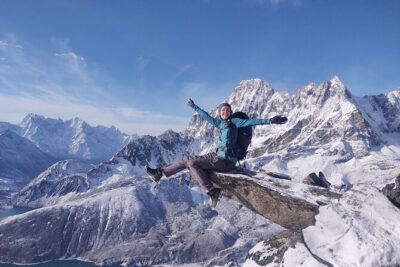
Day 7 is a classic high point day. You wake early and climb to Gokyo Ri, about a two hour climb to the top, giving you panoramic views of the Mahalangur range.
This is where you’re looking for the wide picture: Cho Oyu, Gyachung Kang, Everest, Lhotse, Makalu, Cholatse, Tawache, and a strong view of Ngozumpa Glacier. If you like mountain views that feel like a giant scale model, you’ll get your fix here.
What I like about this day is that it is structured. Even though early starts are tiring, you do them for a reason. At Gokyo Ri, the payoff is about clear line of sight, which is easier when you’re up early.
The Downhill Turn: Waterfalls, Flowers in Spring, and Returning to Namche
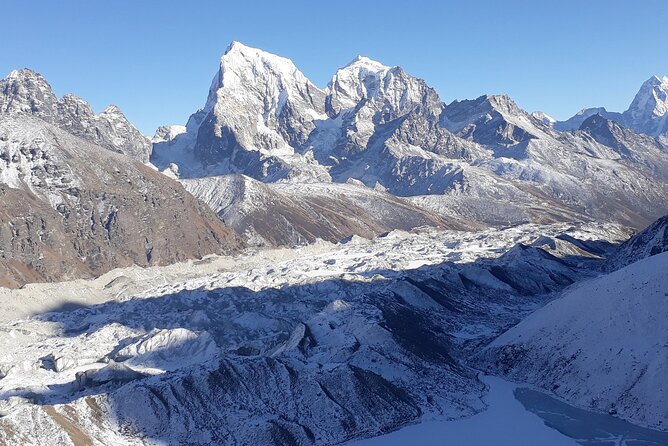
Day 8 shifts gears. The trek goes downhill and you start looking back toward Cho Oyu, plus you walk through the valley with waterfalls. The route also spotlights local Himalayan flora, fauna, and rhododendron trees, especially if you travel in spring when rhododendrons are blooming.
There’s also a mention of a “dual opportunity” for snowcapped views of peaks like Amadablam, Tawache, Thamserku, and far views toward Tengboche from Mongla. That kind of viewpoint on the way down is welcome. It keeps the day interesting rather than purely exhausting.
You continue descending toward Sansa, then connect back to the main Everest trail, eventually reaching Namche Bazar again. This is a good time to take your pace seriously, because downhill fatigue can creep up fast.
Back to Lukla via Jorsale: The Dudh Koshi Crossings and Breathing Relief
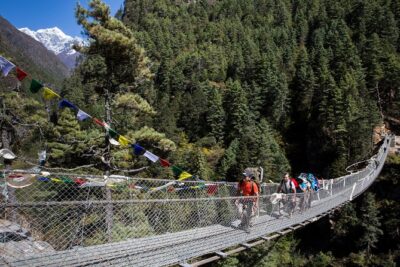
Day 9 is your long “return to the airstrip area” day. You do souvenir shopping in Namche, including a reminder that there’s a big marketplace on Saturday. Then you hike down via the route you already climbed, crossing the Dudh Koshi multiple times over suspension bridges.
The description points out that the surroundings get greener and denser as you drop in elevation. That matters. Lower altitude usually means your breathing eases and you stop feeling like every step is a negotiation.
You reach Jorsale at ground level of the Himalayas in the planned route, then finish your day in the Lukla area.
Lukla to Kathmandu, plus Farewell Dinner in Thamel
Day 10 ends the trek with a domestic flight from Lukla to Kathmandu. These flights are usually scheduled early for clearer weather conditions, so you’ll likely feel the “morning start” again, but with a different reward.
In Kathmandu you get hotel check-in support, then you’re invited to a farewell dinner at a cultural restaurant near Thamel. Thamel is the area where trekking souvenirs, cafes, and gear shops cluster, so it feels like a fitting finish line.
This day includes meals as described in the plan: you’ll have a hotel overnight with breakfast and a farewell dinner.
Day 11 Departure: Airport Transfer Before Your International Flight
Day 11 is your departure day. Your representative assists you with transfer to the airport about three hours before your scheduled international flight. That timing is practical, especially after an adventure where you might need extra buffer for bags, paperwork, and traffic.
You finish back at the meeting point at Tribhuvan International Airport.
What You’re Actually Paying For: Price, Inclusions, and Real Value
The price is listed as $1,290 per person for this 11 day Everest Gokyo Lake Trek. On paper, that can look high or average depending on what you think you’re buying. But this package includes a lot that costs money in Nepal.
Here’s what stands out for value in the provided inclusions:
- Round trip Kathmandu to Lukla flights including departure taxes
- Guide and porter support, with a porter ratio of 1 porter for two people
- Kathmandu lodging for two nights with breakfast in a 3 star category hotel
- Trek lodging in best available twin sharing lodges
- Private bathrooms in Phakding, Namche, and Lukla
- Down jacket and sleeping bag use during the trek
- Sagarmatha National Park permit, TIMS fee, and government taxes and office service charge
- A trekking map and trip achievement certificate
- Ground transport in a private vehicle and airport transfers
- Group size capped at max 20 travelers, which helps keep the trek feeling manageable
What is not included is also important for your budget. The plan says three daily meals with tea or coffee during the trek are not included, and it also lists fuel surcharge and GST as extra items. So your real total trip cost depends on what you personally spend for lunch and dinner, plus the add-on charges your invoice may include.
My practical take: this looks like decent value if you want a guided, supported trek and you’d rather not shop for permits, arrange flights, or haggle for basic trek essentials. If you are a tight-budget traveler who plans to pack and cook every meal yourself, the package might feel like money spent you don’t need.
The Trek Reality Check: Fitness, Altitude, and Weather
This trek is described for people with moderate physical fitness. Still, moderate does not mean easy. You are trekking around high passes and lake viewpoints, with days that include ridge climbing, moraine work, and an early morning climb to Gokyo Ri.
Altitude is the bigger limiter than distance. Your route builds in acclimatization days in Namche and a higher viewpoint day, which helps. But you should still travel with a safety mindset: walk slowly, drink water, and don’t “win” the hike by pushing too hard early.
The second reality check is Lukla. Flight timing is usually early and depends on conditions, which can affect schedules. This is normal for the region, and it is a reason many people choose to keep Kathmandu as flexible as the plan allows.
Service Quality: The Human Part You Feel on Trek
The standout service theme in the provided reviews is straightforward: guides and porters who actually help you, keep a good pace, and stay responsive.
I’m paying attention to the fact that customers repeatedly call out specific staff, including guides like Himal and Shiva, and a porter named Shobit in one review. Another review mentions a team member named Lok and a president figure named Hari. The consistent point across those comments is that organization and communication make the trek calmer.
That matters because the trek includes multiple moving pieces: flights, permits, lodge changes, and daily schedule adjustments. When someone answers quickly, whether by in person planning or WhatsApp style messaging on the way, it reduces the chance that a small issue becomes a big one.
Should You Book This Everest Gokyo Lake Trek?
Book it if you want the Gokyo Lakes and Gokyo Ri experience without having to manage permits, flights, and day-to-day logistics yourself. I’d also lean toward it if you value support, a reasonable pace, and comfort upgrades like down jacket and sleeping bag use plus private bathrooms in key lodges.
Skip it or rethink the fit if you want fully independent trekking where you control every meal, you have an extreme budget, or you know you struggle with altitude pacing and you have limited flexibility for possible flight schedule changes.
If your priority is turquoise lakes, wide Himalayan panoramas, and a route designed around acclimatization rather than brute force, this is a strong match.
FAQ
How long is the Everest Gokyo Lake Trek?
The trip is listed as 11 days approximately.
Where does the tour start and end?
It starts at Tribhuvan Airport in Kathmandu, Nepal and ends back at the meeting point.
What is the start time listed for the experience?
The meeting start time is 6:30 am.
What is included for flights?
Round trip flights Kathmandu to Lukla and Lukla to Kathmandu are included, including departure taxes.
What permits or fees are included?
The plan includes Sagarmatha National Park permit fee and TIMS fee.
Are private bathrooms included on the trek?
Yes. Private bathrooms are provided in Phakding, Namche Bazar, and Lukla.
What is the group size limit?
The maximum group size is 20 travelers.
Is lodging included during the trek?
Yes. Trek accommodations use best available twin sharing lodges during the trek, and Kathmandu includes two nights in a 3-star category hotel with breakfast.
Are meals included during the trekking days?
Three daily meals with tea or coffee during the trek are listed as not included. Breakfast is included for two days in Kathmandu as specified in the package details.
What should I know about cancellations?
Free cancellation is available up to 24 hours in advance for a full refund.
Latest Kathmandu write-ups
- Langtang Valley Trek★ 5.0 · 3 reviews
- Khopra Danda Trek★ 5.0 · 3 reviews
- Langtang Valley Trek from Kathmandu★ 5.0 · 3 reviews
- 5 night / 6 days Kathmandu Nagarkot Chitwan Pokhara tour★ 5.0 · 3 reviews
- Nepal Highlights Tour: 5 Nights 6 Days Kathmandu & Pokhara Tour★ 5.0 · 3 reviews
- Kathmandu Valley Private Day Tour★ 5.0 · 3 reviews
- Conquer the Himalayas: The Ultimate 16-Day Annapurna Circuit Trek★ 3.5 · 3 reviews
- Kathmandu Heritage Day Tour★ 5.0 · 3 reviews
Gokyo Lakes Trek, compared.

Landing Private Helicopter at Everest base camp & Gokyo for photo
Read our review →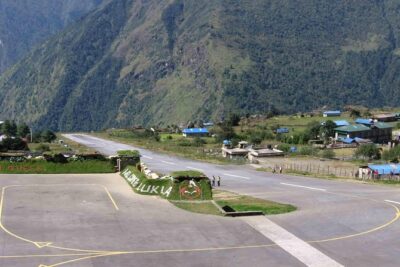
Gokyo Lakes, Gokyo Ri Trekking Package – 10 Days
Read our review →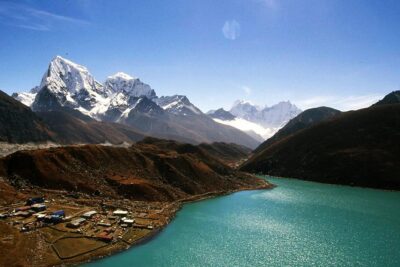
Browse the lists this tour appears in