
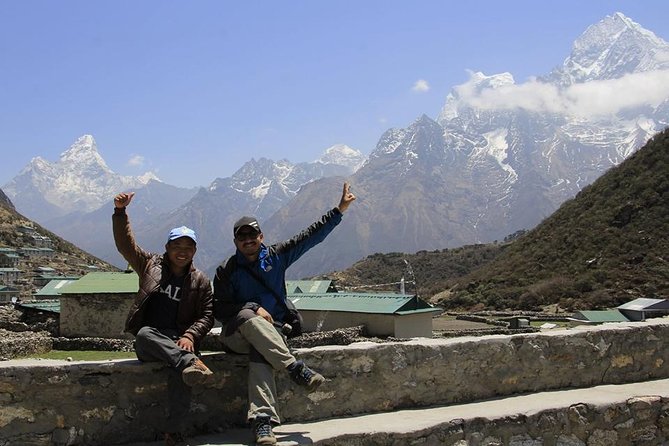
Reviewed · EVEREST BASE CAMP TREK
Everest Base Camp Standard Trek
There are few trips that mix big Himalayan scenery with real logistics you can actually trust. I love that this Everest Base Camp trek includes the Kathmandu to Lukla flights and a tightly planned mountain schedule. I also like that you travel with government-authorized guides and porters who handle a lot of the moving parts. One drawback to plan for, though, is that even with rest and acclimatization days, the altitude and cold can still feel demanding.
What makes the route interesting is how it builds, day by day, from pine-forest valleys into higher Sherpa country, then into the classic base camp moment at the end. You’ll also get a useful rhythm of rest stops in Namche Bazaar and Dingboche, which matters when you’re going up. Still, the trek depends on good weather for the Lukla flights and for the best views, so the mountains can steer the timing.
Quick hits on this Everest Base Camp standard trek
- Lukla flights included: the trip starts with that famous short flight into mountain country.
- Two acclimatization reset days: Namche Bazaar and Dingboche help your body adjust.
- Tengboche monastery visit: a major Sherpa spiritual stop with big views when skies cooperate.
- Kala Patthar payoff: a pre-dawn climb designed for panoramic Everest views.
- Base camp navigation help: your team notes the route can get confusing at altitude, so follow the lead Sherpa.
- Memorial stones on the way to Lobuche: prayer flags tied to Scott Fischer and Babu Chiri Sherpa add weight to the high-country walking.
Kathmandu to Lukla: where the trek starts, and why the flight matters
Your journey begins in Kathmandu, with pickup offered and round-trip transportation to Tribhuvan Airport. You also get a 3-star hotel in Kathmandu with breakfast included, which is a real upgrade on many trekking packages. After you’ve sorted your last bits of gear and snacks, it is time for the flight to Lukla.
The Lukla hop is about 30 minutes, and it is usually one of those travel moments that feels more like a show than transport. The payoff is not just the view, it is the altitude jump. You do not spend days slowly climbing from sea level. Instead, you arrive near trekking altitude and start moving right away, which sets the tone for the whole trip.
One practical note: Lukla weather can change quickly. The tour is built for good conditions, so if you are the type who hates uncertainty, you will want to mentally accept that flights and visibility can be affected by mountain weather. That is not a flaw in the plan, it is simply part of how the Khumbu works.
More ways to walk to Everest Base Camp:
- Everest Base Camp Trek – 14 Days
★ 5.0 · 1,499 reviews - Everest Base Camp Trek
★ 5.0 · 842 reviews - Everest Base Camp Helicopter Tour landing at Everest View Hotel
★ 5.0 · 668 reviews
Day 1 to Phakding: Cheplung glimpses and an easy first night
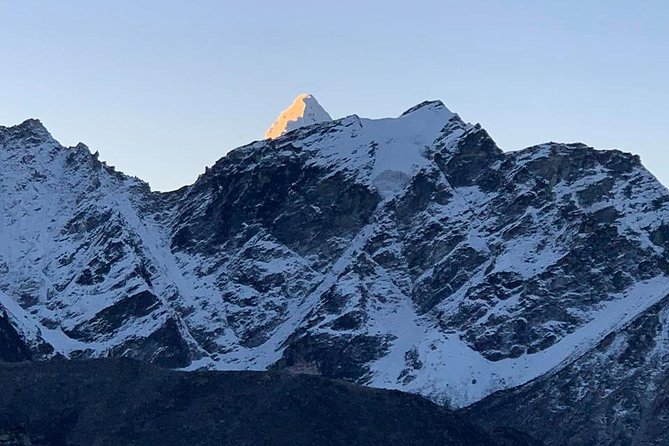
On the first trekking day, you leave Lukla and walk through a gradual descent toward Phakding, with Cheplung village as an early highlight. The route is described as a gentle descent at first, and you may even catch a glimpse of Mt. Khumbila from Cheplung.
This matters because Day 1 is less about speed and more about adjusting your breathing, your legs, and your daily rhythm. You are also learning the “trek pattern” early: the way you drink, when you eat, and how you settle into the pace your guide sets. By the time you reach Phakding, you have your first taste of Sherpa Valley trails without being thrown into the deep end.
Phakding is also a good place to sleep because it is still in the lower part of the trek, so the cold is usually manageable. You are not “camping rough,” but you are also not in hotel comfort. Think simple guest house life and call it a warm-up.
Phakding to Namche Bazaar: pine forests, suspension bridges, and big Sherpa energy
Day 2 is your valley day. You start through pine forest, then follow the trail north along the valley of Benkar. The walk crosses the Dudh Koshi River and continues through places like Chumoa and Monjo, where you enter Everest National Park. One of the more classic moments is the suspension bridge crossing, then the trail keeps traveling alongside the Dudh Koshi and Bhote Koshi rivers.
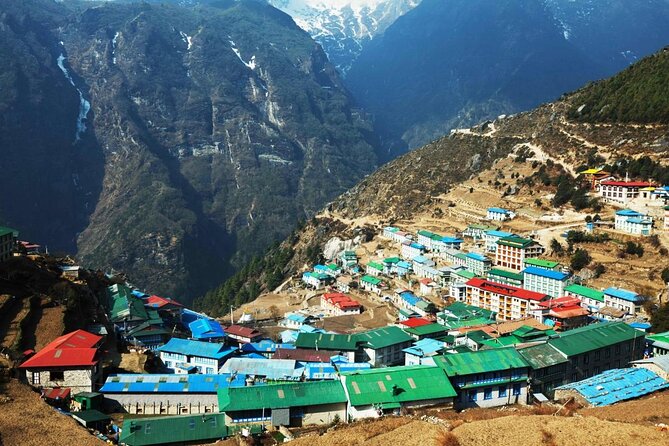
Then comes Namche Bazaar, the main center of the Khumbu region. You get a real change in the vibe. Namche has government offices, ATMs, internet cafes, shops, and restaurants. In other words, it is not just a trekking stop. It is a small town that feels made for high-altitude life.
And if weather permits, this is where you may get mountain views, including Mt. Everest and Mt. Lhotse. You should take the “if weather permits” line seriously. In the high Himalaya, visibility can turn on and off, fast. When the view comes through, soak it in. When it does not, keep walking and save your photos for the planned viewpoints later.
Namche Bazaar rest day: use the town, not just the bed
Day 3 is a rest and reset day in Namche Bazaar. This is not wasted time. It is acclimatization by design, and it helps your body respond better to the climbs ahead.
If you want a lighter day hike, the plan includes an option to Khumjung village at about 12,401 ft. It is a Sherpa settlement, and the altitude itself becomes part of the experience. You are training your system gently instead of stacking exhaustion on exhaustion.
Even if you do not hike, Namche is a practical place to rest. You can refuel, check your gear, and get organized for monasteries, higher valleys, and colder nights. Just do not treat it like a full vacation day with heavy partying. Your body is going to climb again tomorrow.
More to compare around Kathmandu
- Private Kathmandu Sightseeing Tour | UNESCO World Heritage sites
★ 5.0 · 756 reviews - Kathmandu: 7 UNESCO Sites with Lunch
★ 4.8 · 744 reviews - Half day cooking class in Thamel kathmandu
★ 5.0 · 607 reviews - Everest Base Camp Trekking
★ 5.0 · 485 reviews
Tengboche Gompa: rhododendron climbing and the monastery stop
Day 4 turns you toward Tengboche Gompa, with a route that first descends to the Dudh-Koshi River and then ascends again through rhododendron forests. This is one of those sections where the walking can feel like a steady “up and down” rhythm. The upside is that the views can be strong as you gain elevation: Everest, Lhotse, Nuptse, Ama Dablam, Thamserku, Kongde, and more.
When you reach Tengboche, you visit the Tengboche monastery, described as the largest monastery in the region. This is a meaningful cultural stop, not just a photo opportunity. Even if you are not religious, it gives context for how Sherpa life and the mountain world connect.
That night is in Tengboche, so you get to sleep in the same area you did the monastery visit. It is a helpful setup for the next day because you are already where the trek wants you.
Dingboche and acclimatization: fields, cold winds, and day hikes that make sense
Day 5 continues the move upward. You descend through forests and then climb toward the Imja Valley, past the Lobuche River, until you reach Dingboche. Dingboche is known for its fields protected by stone walls that shelter crops like barley, buckwheat, and potatoes from cold winds and grazing animals.
Day 6 is another acclimatization day in Dingboche. This is the second big built-in “your body needs time” moment. The plan offers day hikes to Nagarjun Hill or Chukkhung Valley, both aimed at stronger views over the area including Makalu, Lhotse, Chalotse, Tawache, and Ama Dablam.
For me, the best part of this section is that the hikes are optional. You do not need to max out every day. You need to keep moving in a way that lets you sleep and recover well.
Also, the guest house life at this altitude tends to be simple. If you know you get cold easily, pack layers you can actually use. The tour includes warm layers and a sleeping bag, so you should be able to stay functional without buying a bunch of new gear. Still, plan to use what you have.
From Dingboche to Lobuche: prayer flags, memorial stones, and the feeling of history
Day 7 is a climb day with a strong emotional moment. You start with a gradual climb to Duglha at the end of the terminal moraine of the Khumbu. From there, the trail becomes steeper to Chupki Lhara, where you’ll see memorial stones and prayer flags for Scott Fischer and Babu Chiri Sherpa.
Then you continue along the Khumbu moraine, heading toward the higher area around peaks like Khumbutse, Lingtren, Pumori, and Mahalangur Himal. After that, the trail eases as you follow the valley to Lobuche.
This day can feel long, not just because of elevation, but because you are walking in a more emotionally charged high-country setting. If you want a trip that is adventure with meaning, this is one of the best parts of the whole trek. You do not need to be a mountaineering expert to feel the gravity of those memorials.
Gorak Shep to Everest Base Camp: follow the lead Sherpa, then take it all in
Day 8 is the big trek toward Everest Base Camp, and it starts by heading toward Gorak Shep. The route passes the once-vast Gorak Shep Lake and then moves toward the base camp area where you’ll see memorials linked to Indian army mountaineers.
The plan calls out something you should take seriously: parts of the route can be misleading. You’ll want to follow your lead Sherpa diligently. At altitude, even a small wrong turn can feel like a bigger problem than it should be.
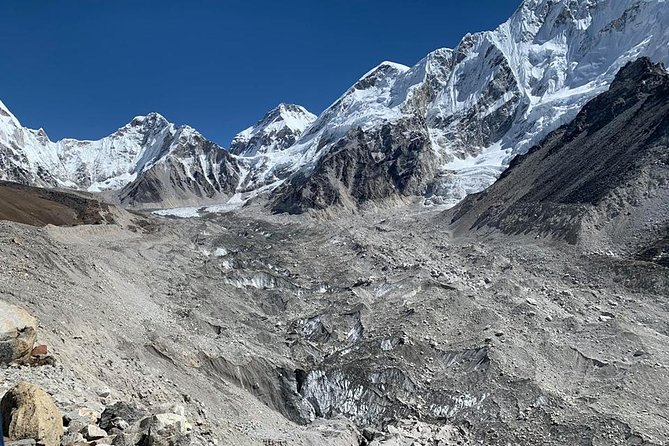
After that, the walk is described as strenuous due to thin air. You pass rocky dunes, moraine, and streams. Then Everest Base Camp shows up, with tents of mountaineers bright against gray surroundings, especially in spring.
This is where the whole trek earns its name. You have climbed, adjusted, rested, and kept moving. Now you stand in the place that feels like the staging ground of big dreams.
After base camp time, you head back to Gorak Shep for the night. This is practical, and it keeps you from overextending on a day that already asks a lot of your lungs.
Kala Patthar on Day 9: why the pre-dawn push is worth it
Day 9 is early morning, with pre-dawn darkness and very cold temperatures, listed around -10 to -14 C. Winds can also be a factor, so treat this day like a real cold-weather effort.
The key idea is that you chase views. The trek explains that you first see peaks like Lingtren, Khumbutse, and Changtse to the east, then Everest starts to reveal itself more clearly as you head toward Kala Patthar.
Kala Patthar is the moment for the classic panoramic feeling, described as a 360-degree view of Mt. Everest. You will spend time there for pictures and a long look. Then you return back to Lobuche for the night.
I like this structure because it keeps your “peak experience” planned, not accidental. You know you are going to get the viewpoint, and you know the cold is part of it. If you are properly layered and focused, this becomes one of those days you remember for years.
The descent back: Dudh Koshi gorge to Namche, then Lukla
Day 10 starts the return, and it is a different kind of challenge. You follow trails through rhododendrons and juniper trees, then cross a suspension bridge over the Dudh Koshi River. The route descends rapidly through pine forests and gorge terrain. The plan also notes you may see wildlife like pheasants and mountain goats along the forested parts.
Then you pass through Sansa for views of Ama Dablam, Thamserku, and Nuptse before heading toward Namche Bazaar again.
Day 11 continues the descent to Lukla. It starts with a steep down section, so you need to walk carefully because the rocky terrain can mess with your balance, especially when your legs are already tired. After crossing multiple suspension bridges, the trail becomes more level and natural. Then you arrive back in Lukla, where you can finally stretch out your sore legs and reflect on what you just finished.
I actually like the return for one reason: it teaches you what matters most. You stop chasing every view and start paying attention to how you walk, how your body recovers, and how good it feels when the pressure comes off.
Finishing in Kathmandu: early flight, rest, and a proper send-off
On Day 12, you catch an early morning flight back to Kathmandu. After a long stretch of trekking, that flight feels like a reset button. Once you land, you can rest or do some souvenir shopping, and your guides can help with that.
The plan also includes a post-trek celebration dinner in Kathmandu. It is a nice touch because it marks the end of something physical and emotionally intense. You also get one last moment where the whole trip feels like it is in the past, not still happening to your body in real time.
Price and value: what $2,000 really covers here
At $2,000 per person, this trek can be a strong value compared to trekking styles where you pay for too many pieces separately. The included package covers a lot of the hard logistics: transportation to and from Tribhuvan Airport, all trek transportation including flights to and from Lukla, 3-star hotel in Kathmandu with breakfast, and local guest house accommodation in the mountains.
You also get a structured support system. The tour includes government-authorized experienced guides and porters, plus insurance, food, accommodation, and wage for guides and porters. That kind of support matters because the Khumbu is not a DIY hiking playground.
You also get meals, described as hygienic meals (breakfast, lunch, and dinner) during the trek. You get a first aid kit, maps, TIMS card, and Sagarmatha National Park entry fee. And you even get key gear, including sleeping bag and warm layers.
What is not included is also clear. International airfares are not included, and meals in Kathmandu besides breakfast are not included. You should also plan for charging fees and shower costs in some guest houses during the trek. Alcohol, chocolates, tea, and coffee are not included, and tips for your guide and porter are not included either.
My practical advice: budget a small daily cash amount for the “extras,” especially on the Kathmandu side and for any charging or shower fees along the trek. The base package covers the essential travel and trekking spine, so your extra spending should stay controlled if you plan.
Who this trek suits best, and how to prepare
This trek is described as best for travelers with moderate physical fitness. That is realistic for most people if they respect the rhythm of trekking at altitude. The itinerary includes two rest days, which helps, but you still have long walking days and steep sections, especially around Namche, Tengboche approaches, and the climb toward Lobuche.
Cold preparation is essential. On Day 9, temperatures are listed at -10 to -14 C, and wind is possible. If you tend to feel cold quickly, start treating layers as a system, not a pile. The tour includes warm layers and a sleeping bag, which reduces your stress on gear shopping.
One more preparation tip from how the route is described: when navigation can be confusing near base camp, you do not want to freestyle. Follow your lead Sherpa.
If you are choosing a month, one of the strongest review themes is that May can be less crowded at the base camp and along lodging options. That can make a big difference in the overall comfort level, since guest houses can fill up quickly in popular seasons. If your goal is a calmer feel at Everest Base Camp, May is worth considering.
Should you book this Everest Base Camp standard trek?
I think you should book this trek if you want a classic Everest Base Camp experience with solid support and fewer gaps in your planning. The package is strong on value because it includes Lukla flights, permits, TIMS, guides and porters, mountain accommodations, and even key gear like a sleeping bag and warm layers.
You might want to look for an alternative if cold and altitude are a concern you have not solved yet. Even with acclimatization days in Namche and Dingboche, the planned Day 9 cold can be intense, and weather can affect visibility and flights.
If you want the real Everest Base Camp feeling with a well-organized team, this is a sensible way to do it.
FAQ
What is the duration of the Everest Base Camp trek?
It is listed as 12 days approximately.
Where does the trek start and end?
The trek starts in Kathmandu, Nepal and ends back in Kathmandu, after flying from Lukla.
Are flights between Kathmandu and Lukla included?
Yes. The package includes flights to and from Lukla as part of the trek transportation.
What kind of lodging do I get in Kathmandu and on the mountain?
In Kathmandu you get a 3-star hotel with breakfast included. During the trek you stay in local guest houses.
Are park fees and required permits included?
Yes. The package includes the Sagarmatha National Park entry fee, TIMS card, and maps.
Does the price include a guide and porters?
Yes. It includes a government-authorized experienced guide and porters, along with their insurance, food, accommodation, and wages.
Is equipment provided?
Yes. The tour includes all equipment such as a sleeping bag and warm layers, plus a first aid kit.
What is not included in the $2,000 price?
Not included are international airfare, meals in Kathmandu besides breakfast, shower and electronic charging fees in some guest houses, alcoholic drinks and other personal items, and tips for your guide and porter. Also not included are extra accommodation and meals outside the itinerary and costs from unexpected problems like cancellations, weather issues, illness, or lost property.
How cold is it, and does the trek include acclimatization time?
The plan specifies very cold conditions on the Kala Patthar day, with temperatures around -10 to -14 C. It also includes acclimatization rest days in Namche Bazaar and Dingboche.
What happens if weather causes changes?
The experience requires good weather. If it is canceled due to poor weather, you will be offered a different date or a full refund.
Latest Kathmandu write-ups
- Langtang Valley Trek★ 5.0 · 3 reviews
- Khopra Danda Trek★ 5.0 · 3 reviews
- Langtang Valley Trek from Kathmandu★ 5.0 · 3 reviews
- 5 night / 6 days Kathmandu Nagarkot Chitwan Pokhara tour★ 5.0 · 3 reviews
- Nepal Highlights Tour: 5 Nights 6 Days Kathmandu & Pokhara Tour★ 5.0 · 3 reviews
- Kathmandu Valley Private Day Tour★ 5.0 · 3 reviews
- Kathmandu Heritage Day Tour★ 5.0 · 3 reviews
- Conquer the Himalayas: The Ultimate 16-Day Annapurna Circuit Trek★ 3.5 · 3 reviews
Everest Base Camp Trek, compared.



Everest Base Camp Helicopter Tour landing at Everest View Hotel
Read our review →



Everest Base Camp Helicopter Tour landing at Hotel Everest View
Read our review →
Browse the lists this tour appears in