
Reviewed · EVEREST BASE CAMP TREK
From Kathmandu Budget: 15 Day Everest Base Camp Trek
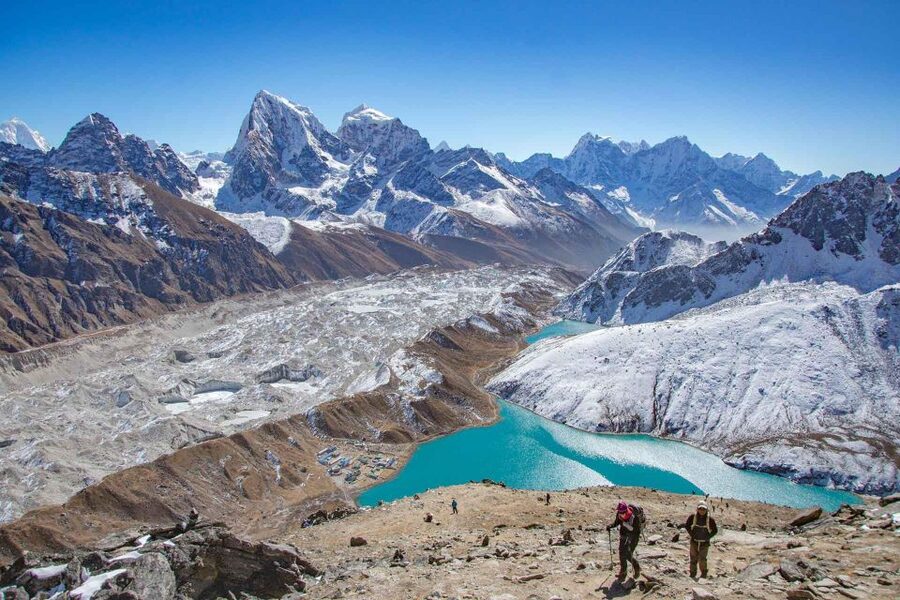
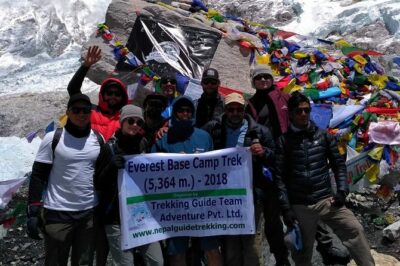
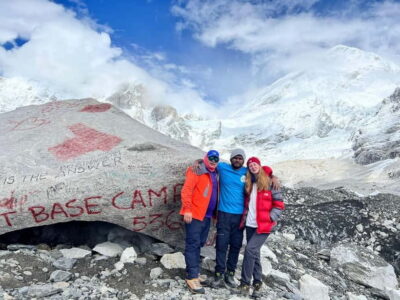
Everest Base Camp plus Kala Patthar is interesting because it gives you two major Everest moments in one trek. You’ll walk to Everest Base Camp at 5,364 meters, then push higher to Kala Patthar at 5,545 meters for wide, memorable views of the big peaks in the Khumbu.
I like that this route mixes tough high-altitude hiking with real day-to-day mountain life. You pass Sherpa villages and Buddhist monasteries, and guides like Krisna and Milan are described as serious about listening, adapting the pace, and checking in so you feel in control.
The main drawback is simple: this is physically demanding. You’ll be trekking at high elevations on consecutive days, so you need solid stamina and a willingness to move slowly, especially when the cold and wind show up.
Key points to know before you go
- Base Camp first, then Kala Patthar: stand at 5,364 m, then go up to 5,545 m for summit-style views.
- Suspension bridges and ridge walking: expect crossings and rugged paths, not just easy trails.
- Sherpa culture stops along the way: prayer flags, monasteries, and village life are part of the rhythm.
- Private trek, guide-led: you’re not stuck in a big group shuffle, and your guide can adjust for you.
- Guest houses all along the trek: comfortable enough, but you should plan to keep expectations realistic.
- Transfers plus permits are included: the package handles the paperwork and logistics you do not want to deal with on your own.
First, does this trek match what you want?
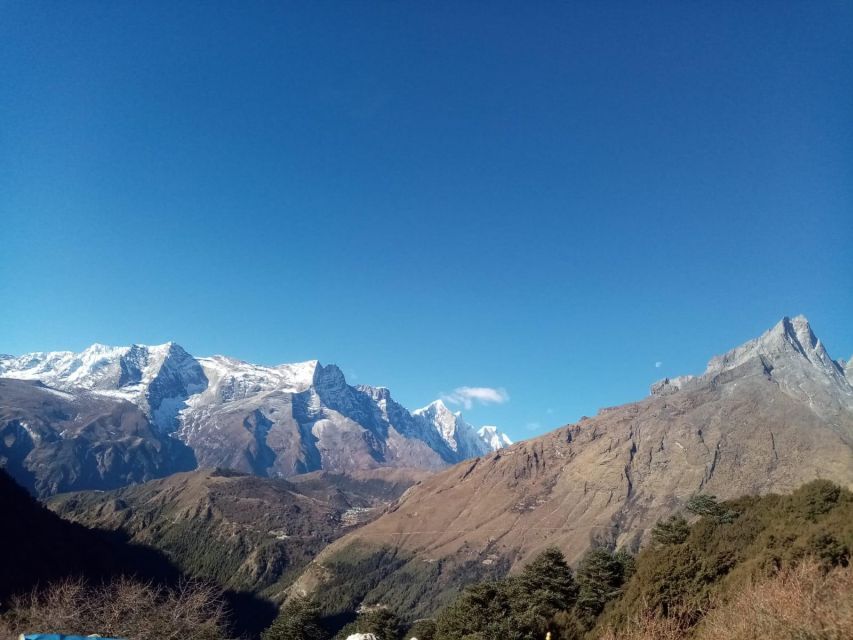
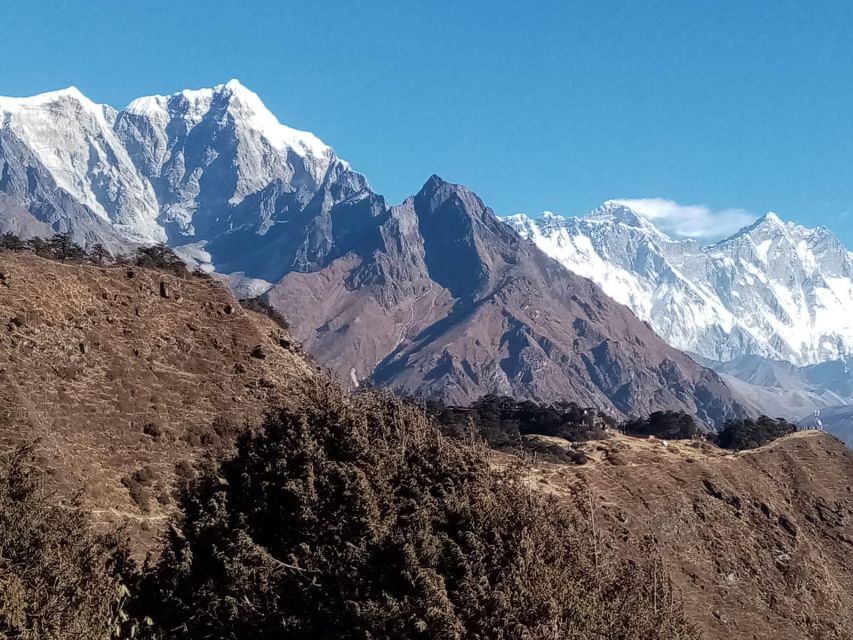
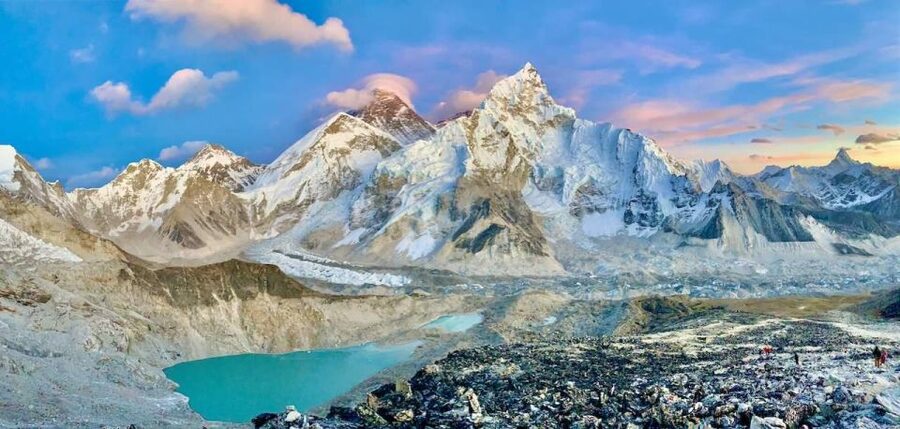
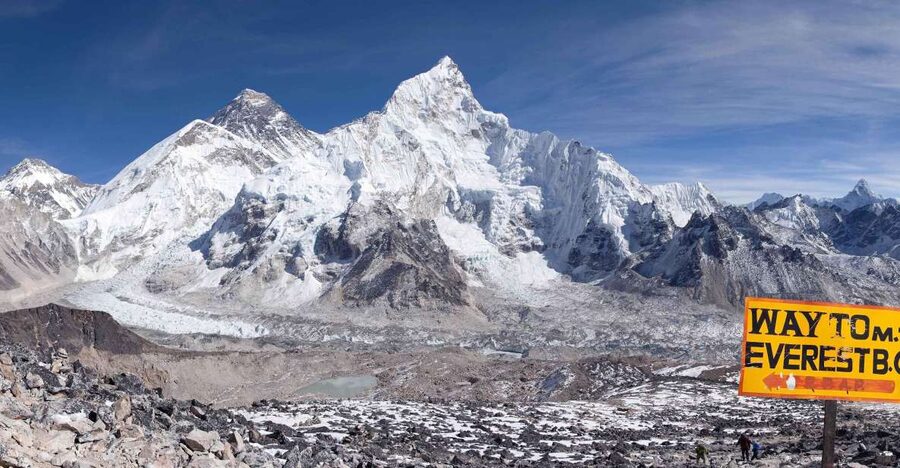
If you’re chasing Everest, this is one of the clearest ways to do it on foot. The payoff is not subtle. You reach the classic Base Camp area at 5,364 meters, then go higher again to Kala Patthar, a rocky outcrop at 5,545 meters where you can look toward Everest, Lhotse, Nuptse, and nearby giants.
What I like is that the trip does not treat the mountains like a photo stop. You work your way through forests near the lower elevations, then into colder, high-altitude settlements as you climb. Along the way you get the human side of the Khumbu too, with Sherpa villages and Buddhist monasteries you can actually visit, not just pass by.
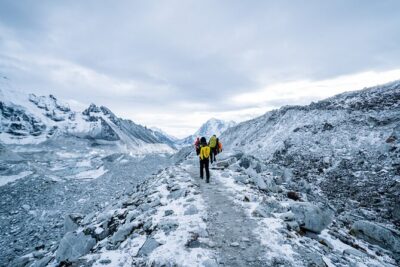
Where this trek may not fit is if you want a light, casual walk. This is a serious 15-day trek with long trekking days and real altitude work, including an acclimatization day in Dingboche. If you’re the type who hates being uncomfortable, pick something lower. If you’re okay with discomfort in exchange for big views and the sense of accomplishment, you’re in the right place.
More ways to walk to Everest Base Camp:
- Everest Base Camp Trek from Lukla
★ 5.0 · 6 reviews - Guaranteed Helicopter Landing Everest Base Camp Kalapathar
★ 5.0 · 3 reviews - From Kathmandu: Everest Base Camp Landing Helicopter Tour
★ 5.0 · 3 reviews
Price and value: $796, and what you still need to budget
At $796 per person for 15 days, the value is mostly in the “stuff that usually becomes a hassle.” The package includes hotel pickup and drop-off in Kathmandu, round-trip transfers by sharing bus or jeep, your trekking permits and official documents, guest house accommodation during the trek, and a guide for the whole route.
Also included are the “day-to-day support” items that matter on a long trek:
- A friendly English-speaking trekking guide (languages listed as English, Nepali, Hindi)
- A first aid kit with the guide for emergencies
- A trekking pole
- A private trek structure
What’s not included is also important. You’ll pay for food and drinks during the trek. You’ll also need travel insurance, and the package notes that emergency rescue is covered by your travel insurance. So your real budget is not just the tour price. Plan for meals, and make sure your policy fits high-altitude trekking.
If you want the best deal, this is the kind of trek where hiring a guide plus handling permits and transfers often saves time and stress. When you compare that to booking everything separately, $796 can look fair, especially for a private-group setup.
Getting to the trail: Kathmandu to Salleri, then into the Khumbu rhythm
You start with an early pickup in Kathmandu, then you’ll be driven to Salleri by jeep. The first travel day is long, about 10 hours, and you’re dropped at roughly 2,600 meters.
From there, the route keeps using jeep transfers to get you into the trekking zones. You’ll move to Tham danda by jeep, then begin hiking toward Surkhe. This matters because you’re not walking from the start day you land. You’re saving your legs for the parts that really climb.
The “feel” of the trek begins as you switch from vehicle time into trail time. You’ll then move step by step through the classic Khumbu towns and villages on the way up: Phakding, then Namche Bazaar, then Tengboche Monastery, then Dingboche, Lobuche, and onward toward Gorak Shep and Base Camp.
On the way back, you retrace much of the altitude and village route. You’ll pass Panboche, return toward Namche, then work down to Lukla, and finally transfer back to Salleri and onward to Kathmandu.
The day-by-day pulse: what each main stop is really about
Below is the practical meaning of the big waypoints, not just the names. Each one changes your hiking life in a different way.
Salleri to Surkhe (first trekking day)
You’re transitioning from road time into trail walking. Expect a longer first hiking block, and treat it like your warm-up. If you rush, you’ll pay later.
Phakding to Namche Bazaar
Namche is the gateway town for the higher Khumbu. The climb gets more serious and you’ll feel the altitude shift. This is where you start noticing how every decision gets simpler: slow steps, steady breathing, and dressing for wind and cold.
Namche to Tengboche Monastery
This day is about both climbing and culture. Tengboche is a well-known monastery area, and it’s where prayer flags and Buddhist life show up in a way that feels real, not staged. Also, it’s a classic viewpoint zone if the weather cooperates.
Tengboche to Dingboche, then an acclimatization day
Dingboche is where the trek becomes altitude-focused. You’ll hike up to around 4,350 meters, then you get a dedicated acclimatization day. This is a smart structure. Instead of just continuing upward, you give your body time to adjust.
Dingboche to Lobuche, then toward Gorak Shep
As you keep rising, the air gets thinner and the weather can change fast. Lobuche pushes you toward the higher, colder end of the trek, setting you up for the big Base Camp and Kala Patthar days.
Everest Base Camp day, then back to Gorak Shep
This is the day you’ve been building toward. You go up to Base Camp at about 5,365 meters, then return to Gorak Shep. It’s not a short stroll. Plan to spend more time moving carefully than daydreaming.
Kala Patthar climb, then down to Pheriche
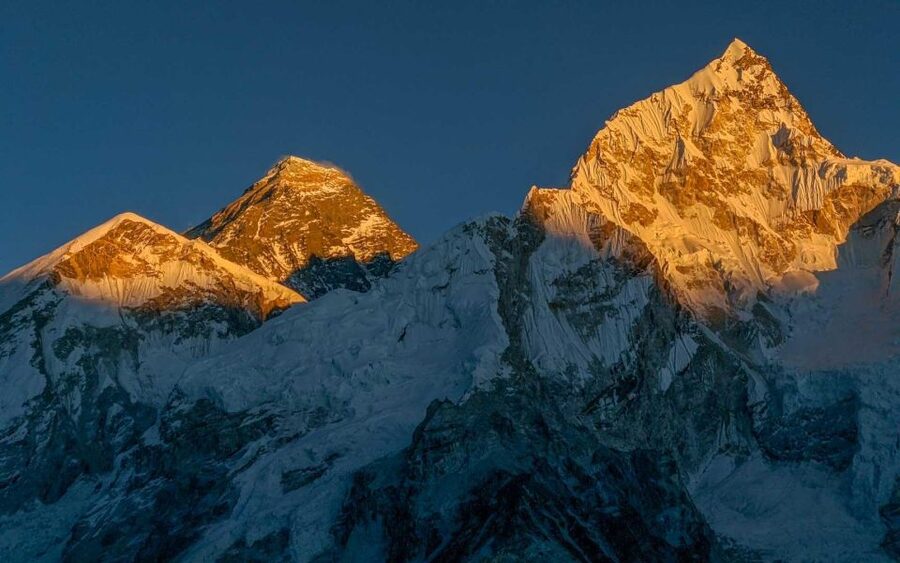
Kala Patthar is at 5,545 meters and it’s the trek’s signature high viewpoint. The trek description notes especially breathtaking views at sunrise or sunset, and that matches the reality: light makes a huge difference at altitude. Afterward, you hike down toward Pheriche around 4,120 meters to reset your body.
Pheriche to Panboche, then back to Namche, Lukla, and the final transfers
The return days are where your legs finally get a break from the highest pushes. You’ll still work hard, but the routine becomes more predictable: climb a bit, rest, move again, sleep in guest houses, and repeat until you reach Lukla. Then it’s jeep or bus back toward Kathmandu.
More to compare around Everest Region
- Kathmandu: 1-Hour Mount Everest Flight with Private Transfer
★ 4.7 · 98 reviews - Everest Base Camp Trek: A short EBC Trek to Iconic Himalaya
★ 5.0 · 3 reviews
Base Camp versus Kala Patthar: two different kinds of Everest views
Base Camp at 5,364 meters is where Everest becomes physical. You’re standing in the shadow of towering peaks, and the whole area feels like the world’s highest mountain has moved into your daily life.
Kala Patthar at 5,545 meters is different. It’s a rocky outcrop, and the goal is perspective. The trek info specifically calls out panoramic views of Everest, Lhotse, and Nuptse. It also highlights that the timing can matter a lot, with sunrise or sunset often giving the best results.
Here’s how I’d think about the two days as a decision tool:
- Base Camp is about arrival, scale, and atmosphere.
- Kala Patthar is about viewpoint payoff, especially when light and visibility cooperate.
If the weather is bad, you can still have a meaningful day at both spots. But if you have even a small window of clear skies, Kala Patthar is where you’ll feel it most.
Sherpa villages, monasteries, and the quiet parts you do not want to skip
This trek is not only about peak-bagging. You’re walking through Sherpa communities, crossing suspension bridges, and seeing monasteries along the route.
You should pay attention to three small details, because they make the trek feel human:
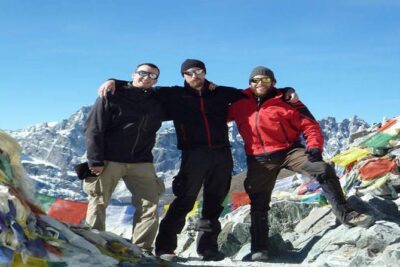
- Prayer flags fluttering in the wind, which you’ll notice more as you gain altitude.
- Monasteries like the stop at Tengboche, which give you cultural context for the route.
- Village life in the Khumbu, where hospitality matters and you’ll likely see how daily routines work at high altitude.
You’re also learning the hard reality behind the postcard version of the Himalayas. Life at elevation is demanding, and this trek’s culture stops help you understand that without needing a lecture.
Acclimatization and pacing: where your guide makes a real difference
This trek includes a clear acclimatization structure. There is an acclimatization day in Dingboche, and the itinerary includes gradual climbs with longer trekking days spaced by rest opportunities.
What you want from a guide is calm decision-making. The information on guides highlights that people like Krisna are serious about listening and adapting to the group’s needs. Another guide, Milan, is described as flexible with itinerary adjustments depending on health and needs, and as checking in so trekkers feel safe and comfortable.
Even if your group is private, you still have the same body realities as everyone else. If you feel tired or your breathing is off, your guide should be the person who helps you manage that. A flexible itinerary is not a luxury on a trek like this. It can be the difference between finishing well and feeling wrecked.
Also, you’ll have a trekking pole included. It’s a small item, but on rocky sections and uneven ground, it can help you stay steady.
Where you’ll stay and what that means for comfort
You’ll stay in guest houses during the trek. That’s part of why the experience is affordable and why it’s logistically workable at this altitude. Guest house rooms are not luxury hotels. You should expect basic comforts and plan to dress warmly indoors as well as outdoors.
The good news is that the trek description and guide behavior suggest you’ll be comfortable enough to rest between long hiking days. In some parts of the route, mountain-facing views from rooms can be a nice reward, especially when you’re taking time to warm up and reset.
Bring a mindset that matches the setting: eat, sleep, hydrate, and focus on the next day.
Weather and timing: when you get the best chance of clear views
The best seasons listed are spring (March to May) and autumn (September to November). Those windows usually bring more stable conditions and better mountain visibility.
That said, mountain weather can change fast. You should pack like you’ll see cold wind, even if the day starts mild. And you should not plan your day around a single sunrise promise. Instead, plan for the sunrise or sunset opportunity at Kala Patthar while also accepting that fog or wind can affect visibility.
If you’re flexible, you’ll likely enjoy the experience more. If you’re only chasing one perfect photo moment, you might be disappointed.
Who should book this Everest Base Camp and Kala Patthar trek
This is a strong fit if you:
- Want a private trek with a guide who can adjust pace and help you stay safe
- Are excited to reach high points like Everest Base Camp and Kala Patthar
- Like the mix of hiking and culture, including Sherpa villages and Buddhist monasteries
- Are okay paying for your own food and drinks, since meals are not included
It may not be the right match if you need accessibility features. The trek is not suitable for wheelchair users, and it’s noted as not suitable for pregnant women.
Also, pets are not allowed.
What to bring, in plain terms (and what matters most)
You should bring warm clothing and proper hiking shoes. The trek listing also asks for:
- Hiking pants
- Warm layers for cold weather
- A passport (and a copy is accepted)
- A passport-sized photo
- Travel insurance
From a practical standpoint, the most common mistake on high treks is underestimating warmth and footwear. Take footwear seriously. You’ll be walking for long days on uneven ground, and the weather can make everything colder than you expect.
Should you book this tour?
If your goal is to get to Everest Base Camp and then climb to Kala Patthar for the best high viewpoint option available on foot, this trek makes a lot of sense. The structure is strong for altitude planning, the private guide setup helps with pace, and the package covers the big logistics like permits, transfers, and guest house lodging.
I would book it if you’re comfortable with a demanding 15-day trek, you can handle high elevation, and you have travel insurance. I would hesitate if you want an easy hike, if your fitness is not ready for long days, or if accessibility needs do not match the stated limitations.
FAQ
What is included in the $796 per person price?
The price includes hotel pickup and drop-off in Kathmandu, round-trip transfers by sharing bus or jeep, a friendly trekking guide, trekking permit and all official documents, guest house accommodation during the trek, private trek setup, first aid kit (with the guide), and a trekking pole.
Are meals included during the trek?
No. Food and drinks are not included, but they are available to purchase along the way.
What languages will the guide speak?
The trek includes a live tour guide with languages listed as English, Nepali, and Hindi.
How high do you go on this trek?
Everest Base Camp is at about 5,364 meters, and the Kala Patthar viewpoint is at about 5,545 meters.
When is the best time to trek for clearer mountain views?
The best times listed are spring (March to May) and autumn (September to November), when weather is typically more stable and mountain views are clearer. Weather can still change, so you should be ready for shifts.
Can I get a full refund if I cancel?
Yes, the trek offers free cancellation up to 24 hours in advance for a full refund.
Latest Everest Region write-ups
- Kathmandu: 1-Hour Mount Everest Flight with Private Transfer★ 4.7 · 98 reviews
- Guaranteed Helicopter Landing Everest Base Camp Kalapathar★ 5.0 · 3 reviews
- From Kathmandu: Everest Base Camp Landing Helicopter Tour★ 5.0 · 3 reviews
- Everest Base Camp Trek: A short EBC Trek to Iconic Himalaya★ 5.0 · 3 reviews
- Everest Base Camp Trek from Lukla★ 5.0 · 6 reviews
Everest Base Camp Trek, compared.
Everest Base Camp Helicopter Tour landing at Everest View Hotel
Read our review →
Everest Base Camp Trek 12 Days – Best Himalayan Adventure
Read our review →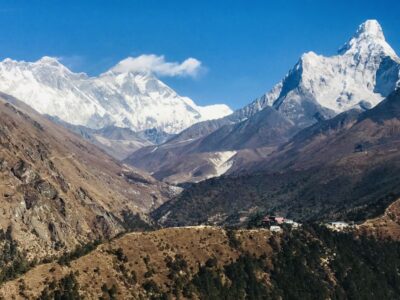
Browse the lists this tour appears in