
Reviewed · EVEREST BASE CAMP TREK
Everest Base Camp Trek 15 days | Local Guide | Flexible Itinerary
Everest Base Camp is interesting because you do not just “hike to a spot.” You follow the classic Sherpa trail, then you push higher for a big view from Kala Patthar. I love the safety-first local guidance focused on acclimatization, plus the clean lodge stays and hygienic food chosen from the tea house menu. The one real drawback is that altitude does not care about good planning, so you will still need strong fitness and you must take the rest days seriously.
I also like that this runs as a private trek with an English-speaking, experienced, licensed guide and strong porters. In the feedback from past departures, names like Raj, Ram, Shiba, Sagar, and a support crew including porters such as Suren, Sonam, Phurpa, Jal, Ravin, Ganesh, Vijay, and Teeras keep coming up with consistent praise for pacing, support, and getting people safely through the toughest stretches. Expect early starts, cold nights, and long walking days, but expect a team that tries to manage the hard parts for you.
Key things that make this Everest trek work
- Kala Patthar at 5545 m for the trip’s signature viewpoint, done on a very early morning push
- Acclimatization stops built in at higher points like Namche Bazaar area and Dingboche, not just “go-go-go”
- Private trip feel with a licensed English-speaking guide, plus an assistant guide when group size calls for it
- Tea house lodge comfort with practical standards like clean rooms and meals selected from lodge menus
- Luggage and gear support via included sleeping bag, down jacket, and porter carry system (15 kg total allowed for domestic flights)
Why a 15-day Everest Base Camp plan feels smarter than the 10-day rush
Everest Base Camp is often sold as a single “achievement moment.” What I like about a 15-day pace is that it gives your body more time to adjust as you climb. This itinerary clearly builds in acclimatization days, which matters because altitude sickness is not a character flaw, it is biology.
You also get the benefit of a flexible itinerary approach. Even when the hiking days are set, the plan includes time at key elevations to do short side excursions and settle in. That makes the trek feel more controlled, especially if this is your first big mountain hike.
The other thing I appreciate is that the planning is framed around guest safety, comfort, and satisfaction, with a local guide leading the rhythm. That does not erase risk, but it does mean you are more likely to walk at a pace that matches your breathing, not just your ambition.
More ways to walk to Everest Base Camp:
- Everest Base Camp Trek – 14 Days
★ 5.0 · 1,499 reviews - Everest Base Camp Trek
★ 5.0 · 842 reviews - Everest Base Camp Helicopter Tour landing at Everest View Hotel
★ 5.0 · 668 reviews
Flying into Lukla: the start that sets your whole trip tempo
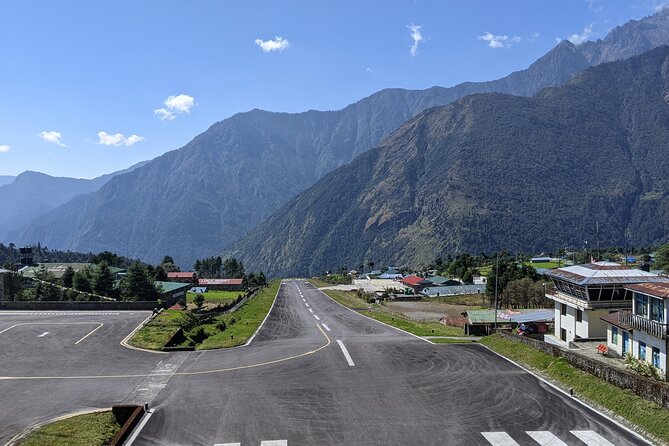
Your trip officially begins with pickup and transfer after arrival in Kathmandu at Tribhuvan International Airport. From there, you go to the Lukla air route quickly, with an early flight from Kathmandu (and/or Ramechap) to the Tenzing-Hillary airstrip at Lukla, sitting around 2810 m.
This is one of those “small logistics” moments that changes everything. If you are tired from international travel, the trip still moves fast. So the best strategy is simple: land, rest, eat normally, then get ready for an early start.
A few practical points you will want to know:
- Domestic flight rules are part of the package: you are allowed 10 kg for your big bag plus 5 kg hand carry, for 15 kg total
- The trek includes the flight segments Kathmandu/Ramechap to Lukla and Lukla back to Kathmandu/Ramechap
- Your trek team also handles the permits and paperwork you need to be trekking in the region, including the Sagarmatha National Park Permit and TIMS, plus a local rural area permit
Lukla itself is where you settle into the rhythm of tea house travel. You will typically find it colder than you expect, and that is before you even start thinking about higher days.
Namche Bazaar to Tengboche: Sherpa villages, bridges, and gompa calm
The classic Khumbu story starts with the walk into Sherpa country. After landing in Lukla, the next walking day moves toward Namche Bazaar, with a stop at Hillary Bridge along the way. The route is paced so you can keep hiking without turning it into a sprint.
When you arrive in Namche, you are not just changing scenery. You are changing altitude and culture at the same time. Namche is the Sherpa commercial hub, and it is also where you get your first sense of how daily life works up high.
Then comes a very useful buffer day. You spend time around 3440 m at the Hotel Everest View area for acclimatization. That is not idle time. It is where you learn what your body needs: slower steps, frequent breaks, and enough rest to handle the climb ahead.
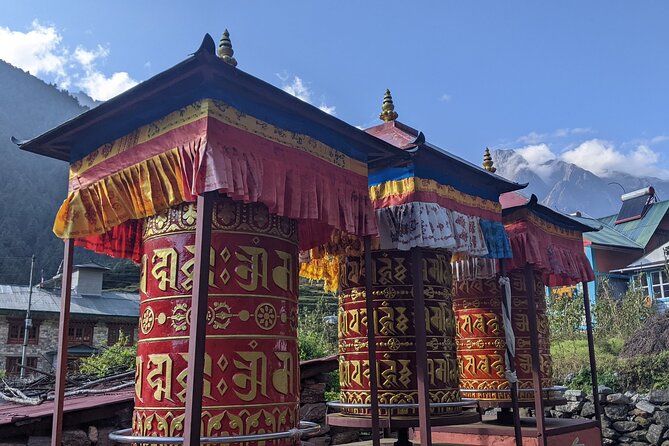
After that, you head to Tengboche Gompa, usually a longer uphill day (about five hours). Tengboche is where the trek adds a spiritual layer to the mountains. You also get a sense of how the monastery life fits into trekking seasons.
This portion is a great match for travelers who enjoy culture and want the trail to feel like a community journey, not only a physical test.
Dingboche acclimatization: the quiet work that prevents big problems
If Everest has a “secret weapon,” it is the acclimatization days that keep you from paying for mistakes later. This plan includes a move toward Dingboche and then an additional acclimatization day there.
The approach to Dingboche follows the Imja Khola valley and involves bridge crossings and trail turns toward places like Orsho and Pheriche in the flow of the trek. Translation: it is not just one long straight climb. You gain altitude gradually while you keep your head clear.
At Dingboche, you stay again for acclimatization. This is where side excursions help. You can stay active without climbing too fast, which is exactly what you want at that stage.
This is also where the guide’s job matters most. A good local guide is not only leading you from point to point. They help you pace your breathing, plan rest and water intake, and decide when you are ready to go higher. The trip description specifically calls out an itinerary designed to avoid altitude sickness, and the best proof of that is that the plan does not skip these higher stops.
If you tend to push hard, this section is your reality check. Treat it like training, not delay.
More to compare around Kathmandu
- Private Kathmandu Sightseeing Tour | UNESCO World Heritage sites
★ 5.0 · 756 reviews - Kathmandu: 7 UNESCO Sites with Lunch
★ 4.8 · 744 reviews - Half day cooking class in Thamel kathmandu
★ 5.0 · 607 reviews - Everest Base Camp Trekking
★ 5.0 · 485 reviews
From Thugla up to Everest Base Camp (5364 m): the day you wait for
The trek’s big turning point lands on the approach to Everest Base Camp at 5364 m. Before you reach base camp, you do a gentle build through the Thugla area. That is a practical move. You are getting closer, you are still gaining, but you are not jumping from “comfortable walking” straight into “highest day.”
Then you reach base camp. This is where the trail payoff hits hard: glacier terrain feeling more real, the air thinner, and the base camp vibe taking over everything else. Your “job” on this day is to arrive and enjoy, without rushing the altitude part.
You can think of it like this: base camp is not the finish line, it is the summit of your endurance story so far. Take time, drink water, and keep your breathing calm.
On a trek like this, your comfort depends heavily on how you sleep the night before. If you get a poor sleep at high elevation, you might feel it on the way up. This is another reason that those earlier acclimatization days are such good value.
Kala Patthar (5545 m): the early hike for the view you will remember
Kala Patthar is the highest point of the trip at 5545 m, and you hike to it very early in the morning. That early start matters because the mountain rewards timing. It also means you need to be ready for cold.
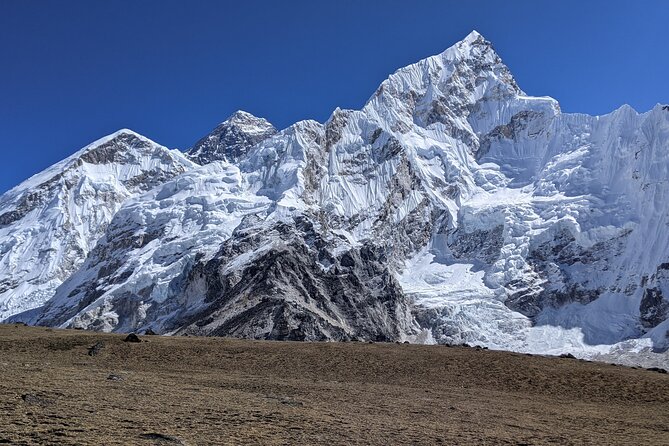
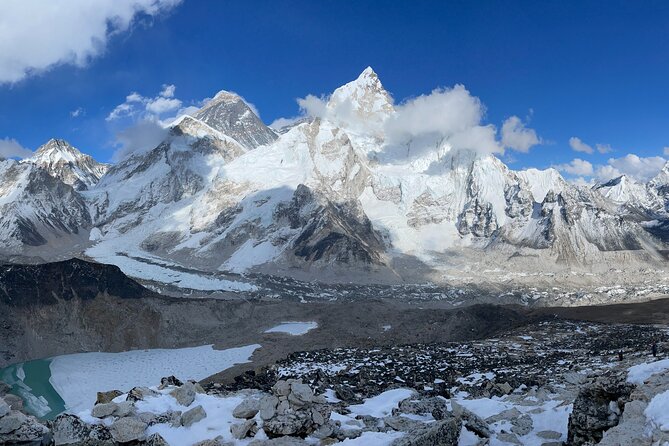
This day is about the classic payoff view: Everest, Lhotse, Nuptse, and the broader Himalayan panorama. The trek plan is explicit that the climb is for that breathtaking view, so you can expect the day to feel focused even if you are exhausted.
One practical detail I like: this plan has you equipped. Included gear is hiking poles, a sleeping bag, and a down jacket (noted as to be returned after the trek). That does not magically make you warm at the top, but it can help you avoid hypothermia-grade mistakes.
Also, be realistic. You might feel strong and confident at noon, but at Kala Patthar you are working with thin air. Move carefully, keep steps short, and do not chase other people’s pace.
Pangboche, Phorste, and the less-crowded return rhythm
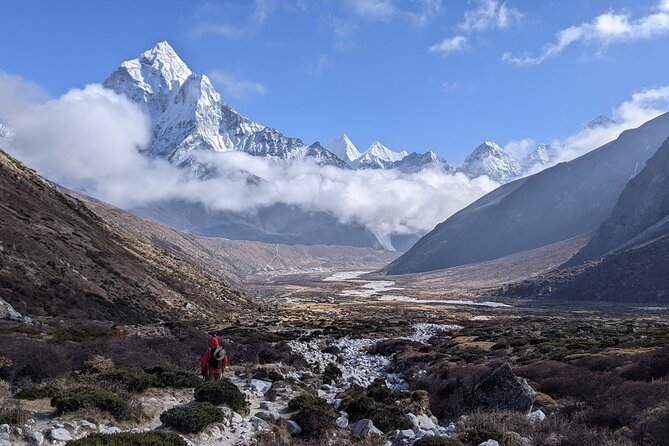
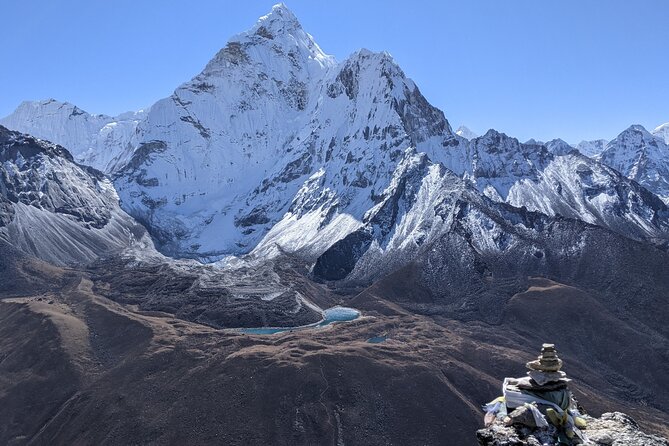
After Kala Patthar, the plan turns from summit mindset to careful descent. You head down toward Pangboche, then you take a new less crowded route to Phorste village. You also pass viewpoints that include Ama Dablam and Thamserku, with sightlines back toward Tengboche monastery.
This is a smart psychological shift. Descending is physically easier in some ways, but altitude still hangs around. Your job is to keep your legs under control, avoid rushing, and stay aware on uneven surfaces.
Day-to-day, you also get a sense that the trail network is flexible. The itinerary does not force you into one identical track each time, and that can help if you dislike bottlenecks.
Then the plan continues into the Phorste Thanga area at 3680 m, with a connection toward the Gokyo trail after a trek up to Mong Danda. Even if you are here just for Everest Base Camp, this added route variety can make the second half feel less repetitive and more like a real journey across the Khumbu.
Lukla back-track and the finish in Kathmandu
Eventually, you head back the way you came, with a final approach that passes Toktok, Phakding, ghat, and Cheeplung (2650 m) before the last climb into Lukla. That “last 200 meters” detail is the kind of thing that matters at altitude. It might look minor on paper, but the air thins and the legs know it.
Once you are back in Lukla, you catch an early possible flight back to Kathmandu, then you have the rest of the day at leisure. That free time is underrated value. You might need a shower (even if hot showers are not part of the trek) and a simple meal that does not come from the tea house menu.
The final day wraps up with a transfer from your Kathmandu hotel to the airport based on your flight schedule.
Price and value: what $1,890 includes, and what you must budget for
At $1,890 per person, this trek is not “cheap,” but it also is not an empty shell. The value comes from the things that are hardest to DIY:
- Domestic flights to Lukla and back (plus the Ramechap option for the route)
- Permits (Sagarmatha National Park, TIMS, and the local rural area permit)
- A licensed English-speaking guide, plus an assistant guide when needed
- Porters with a clear system: 1 porter for every 2 people, carrying 20 kg total, with 10 kg per guest in their load plan
- Included trek gear: hiking poles, sleeping bag, and down jacket (returned after the trek)
- Meals support on the mountain: 13 dinners, 14 breakfasts, and 12 lunches
- Comfort basics: clean, comfortable lodge accommodation and hygienic food chosen from the lodge menu
- Extra “nice touches”: a trekking trail map and an achievement certificate, plus a farewell dinner
What is not included is just as important for planning. Hot showers and battery charging during the trek are not included. That means you should budget for cold comfort and power logistics.
Also not included: international airfare and visa fees, and travel insurance covering up to 6000 m. Tips for guide, porters, and drivers are not included either, and you should plan for that ethically because it is part of how trekking operations work.
If you want a straight answer on value: this package pays for the mountain-side complexity, so you can focus on hiking, not spreadsheets.
Who should book this trek, and who should be cautious
This is a strong fit for you if you want:
- A guided, safety-focused Everest Base Camp trek with acclimatization built in
- A private group experience where your guide manages pacing and rest
- Tea house trekking with lodge comfort and hygienic meal planning
- The big viewpoints: Everest Base Camp and a summit-style push to Kala Patthar
You should be cautious if you expect resort-level comfort. Lodges are comfortable for the region, but you still have cold weather, limited amenities, and no hot showers or battery charging included.
You should also go in honestly if you are not confident with fitness. The tour data calls for strong physical fitness, and that is exactly what you feel when altitude gets real.
Should you book Everest Base Camp 15 days with a local guide?
I think you should book this if you want Everest Base Camp done in a way that respects acclimatization, relies on local expertise, and includes the big logistics like flights, permits, and porter support. The price makes more sense when you look at what is included, especially domestic flights, permits, and the equipment kit.
I would not book it if your priority is moving fast with minimal planning. This trek is built around doing the hard days safely, with early starts and real altitude responsibility.
If you are the kind of traveler who enjoys tea houses, cultural stops like Tengboche, and the long payoff of getting high slowly, this itinerary is a solid choice.
FAQ
Where does the trek start?
The meeting point is Tribhuvan Airport in Kathmandu, Nepal.
How long is the Everest Base Camp trek?
The duration is about 15 days.
Are flights to Lukla included?
Yes. Flights from Kathmandu or Ramechap to Lukla, and Lukla back to Kathmandu or Ramechap, are included for all members and staff.
What permits are included?
The package includes the Sagarmatha National Park Permit, TIMS permit, and a local rural area permit.
What trekking gear is provided?
The trek includes hiking poles, sleeping bags, and a down jacket. These items are to be returned after the trek.
What type of accommodation and meals should I expect?
Accommodation is in clean, comfortable lodge stays. Meals are chosen from the lodge menu with hygienic food, and the package includes 13 dinners, 14 breakfasts, and 12 lunches.
Are hot showers and battery charging included?
No. Hot showers and battery charging during the trek are not included.
Is travel insurance included?
No. Travel insurance covering up to 6000 m is listed as not included, with a $200 per person figure provided.
Is free cancellation available?
Yes. You can cancel up to 24 hours in advance for a full refund. If you cancel less than 24 hours before the start time, the paid amount is not refunded.
Latest Kathmandu write-ups
- Langtang Valley Trek★ 5.0 · 3 reviews
- Langtang Valley Trek from Kathmandu★ 5.0 · 3 reviews
- Khopra Danda Trek★ 5.0 · 3 reviews
- 5 night / 6 days Kathmandu Nagarkot Chitwan Pokhara tour★ 5.0 · 3 reviews
- Nepal Highlights Tour: 5 Nights 6 Days Kathmandu & Pokhara Tour★ 5.0 · 3 reviews
- Kathmandu Valley Private Day Tour★ 5.0 · 3 reviews
- Conquer the Himalayas: The Ultimate 16-Day Annapurna Circuit Trek★ 3.5 · 3 reviews
- Kathmandu Heritage Day Tour★ 5.0 · 3 reviews
Everest Base Camp Trek, compared.

Everest Base Camp Helicopter Tour landing at Everest View Hotel
Read our review →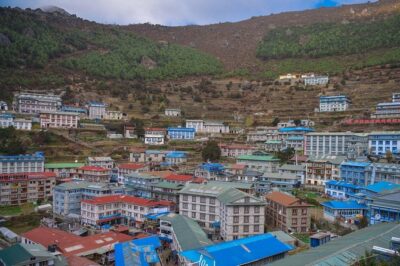
Everest Base Camp Helicopter Tour landing at Hotel Everest View
Read our review →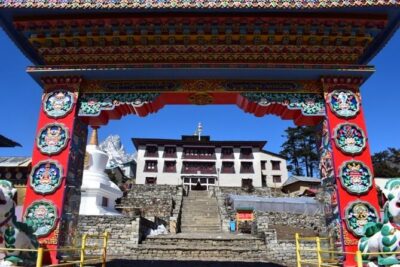
Browse the lists this tour appears in