
Reviewed · LANGTANG VALLEY TREK
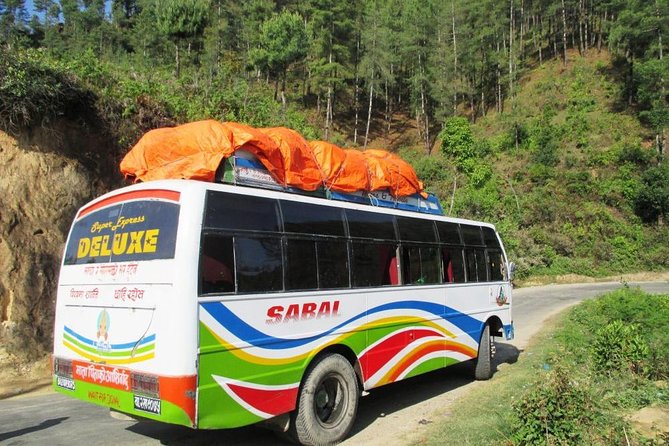
Journey to Dhunche A Scenic Bus Ride to the Gateway of Langtang
A bus ride from Kathmandu toward Dhunche is interesting because it slowly turns a city morning into real mountain country. You’ll spend hours watching the Trishuli River and the valleys beside it, then the big snow-capped Himalayas start creeping closer in your line of sight.
Two things I really like about this trip are the steady stream of scenery changing mile by mile, and the built-in chances to eat local instead of just surviving on snacks. One thing to keep in mind: this is a long drive with steep, curvy sections, so the ride can feel bumpy even on a “deluxe” bus.
Key Highlights You’ll Care About
- Trishuli River scenery keeps the trip visually busy for most of the morning
- Mountain views gradually appear, not all at once, which makes the ride feel like a slow reveal
- Tea stops and a Nepal meal break up the hours without turning it into a food hunt
- Start at 7:15 am from Machha Pokhari, so plan for an early morning
- Up to 20 people in the group, which keeps the day from feeling chaotic
A Scenic Road Into Langtang Country
This is the kind of trip that works even if you’re not a “sit and stare” person. The reason is simple: the road itself gives you something to watch. Out of Kathmandu, the drive threads through valleys and river country, and your view keeps shifting as you pass bends, small settlements, and wider open stretches.
As the hours go by, the mountains start doing their thing. First you get hints in the distance, then the peaks become more defined, and by the time you’re near the Langtang gateway you’ll understand why people plan treks around this region.
And yes, it’s a bus ride. So you’re not hiking every scenic minute. But that’s also the point. You get a lot of mountain atmosphere for a relatively low-cost day, without needing trekking logistics or extra gear.
More of the Langtang valley:
- Langtang Valley Trek
★ 5.0 · 140 reviews - Langtang Valley Trek
★ 5.0 · 61 reviews - Langtang Valley Trek
★ 5.0 · 50 reviews
Price, Ticket Type, and Why It’s Good Value
The cost is $17 per person, and it includes a deluxe bus ticket. That may sound almost too simple, but for Nepal, this kind of “get me there with minimal hassle” service can be a great value.
What makes it good value is what’s not included. You’re not paying for guides, special equipment, or extra add-ons. This is basically transportation plus some comfort, with a few planned stops. When your main goal is reaching the Langtang side of the mountains, a direct bus day often beats cobbling together multiple legs and waiting around.
Just be realistic: you are paying for transit, not for a curated, timed sightseeing tour. Your “experience” comes from the drive, the views, and the stop rhythm.
Getting There: Kathmandu Start, Timing, and Drop-Off Area
Your day starts from Machha Pokhari, Ring Rd, Kathmandu, with a 7:15 am start time listed (this is when you report and get going). You should treat that as the real start of your day, not a suggestion.
Duration is 8 to 9 hours, depending on traffic. That traffic factor matters more than you might think in this part of Nepal, because curvy roads and changing conditions can stretch schedules.
One detail you should double-check when you receive your confirmation is the exact end point. The trip is branded as Kathmandu to Dhunche, but the marked end location is Syapru Besi (45000). Both are on the Langtang access side, so either way you’re heading into the trekking corridor. Still, it’s worth confirming where you will actually be dropped so you can plan your next step, like onward rides or overnight plans.
The Trishuli River Stretch: Where the Drive Really Feels Worth It
The road hugs the Trishuli River for a big chunk of the trip. This is the secret sauce. River roads tend to be visually forgiving because the water, the banks, and the valley shapes give you long lines of sight. Even when the bus pauses at stops, the surrounding view keeps you from feeling like you’re trapped in the same scene.
I like this kind of “in motion” scenery, because you’re not scanning for one perfect viewpoint. The trip gives you many small viewpoints: bends where the river widens, moments where the road levels out, and stretches where you can clearly see how the settlements sit in the valley.
If you enjoy travel days where the journey is part of the attraction, this section is where you’ll feel it most.
More to compare around Kathmandu
- Everest Base Camp Trek – 14 Days
★ 5.0 · 1,499 reviews - Everest Base Camp Trek
★ 5.0 · 842 reviews - Private Kathmandu Sightseeing Tour | UNESCO World Heritage sites
★ 5.0 · 756 reviews - Kathmandu: 7 UNESCO Sites with Lunch
★ 4.8 · 744 reviews
When the Himalayas Start Showing Themselves
As the drive continues, the scenery changes and the mountains begin to appear more clearly in the distance. This gradual reveal is important. It’s not just a single dramatic moment where you snap a photo and move on.
Instead, you’ll likely see:
- peaks peeking through gaps between hills
- bigger outlines as the road rises and turns
- clearer snow lines as you get closer to the Langtang gateway region
This is also why starting early helps. You want daylight and clear visibility, especially for those first convincing mountain glimpses.
Steep Hills and the Real Feel of Bus Travel Here
A bus ride to Dhunche involves steep sections. You’ll feel it in your body if you’re prone to motion sickness, even if the driver handles the route confidently. The key takeaway from real-world experiences on this route is that the hills are serious and the ride can be bumpy.
So here’s the practical advice I’d give you:
- If you get motion sick, pack what usually works for you. This is not a flat, smooth ride.
- Wear something comfortable and keep layers handy. Temperature can shift through the day.
- Don’t expect the ride to feel like a city shuttle. Expect long-distance driving over challenging terrain.
The good news is that the driver is doing this work on steep roads every day. You can relax about handling the route yourself. Your job is simply to sit tight, stay safe, and enjoy the views when they show up.
Roadside Stops for Tea, Stretch Breaks, and a Real Meal
One of the most underrated parts of a long bus day is the stop timing. Here, the bus makes a few breaks so you can stretch and grab food.
What’s especially helpful is that the stops are not just random. You can expect chances to try simple local food, including:
- tea at a roadside tea stall
- a traditional Nepalese meal during the trip
These pauses do two jobs. They keep you comfortable for the remaining hours, and they turn the journey into something slightly more local. Even if you’re not eating much, the smell of cooking, the casual conversation at a roadside stall, and the rhythm of daily life make the ride feel less like transport and more like travel.
If you’re picky, be smart. Eat what looks fresh and what you’re comfortable with. And if you’re sensitive to spicy food, it’s okay to ask for simpler options at the meal stop.
Deluxe Bus, but Plan Like It’s Still a Bus Ride
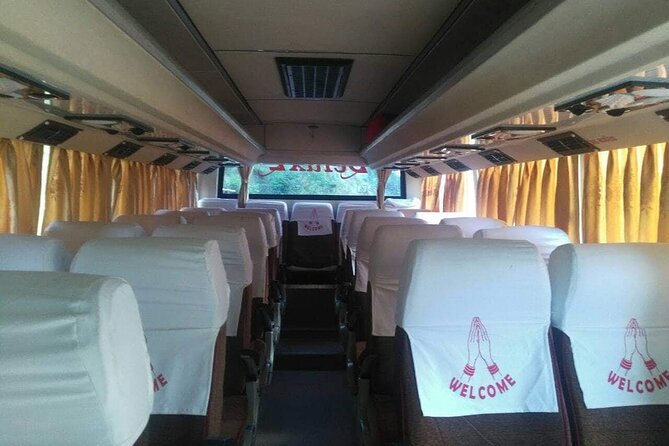
Deluxe ticket usually means a bit more comfort than the cheapest option. But you’re still on a bus for up to 9 hours. That means your priorities should be straightforward: sleep if you can, hydrate, and keep small needs covered.
A few things that will make the trip easier:
- Bring water, even if stops sell drinks
- Bring a light snack if you usually get hungry between meal times
- Charge your phone early for photos of the mountains
- Keep a layer for cooler air, especially as altitude and exposure change
Also, expect that your seat experience depends on where you’re sitting. If you want the best view of river bends and distant peaks, you’ll want a side that faces the scenery when possible, but the exact seat setup isn’t provided here. When you get seat info, think about which side usually catches the view for your route.
Dhunche vs Syapru Besi: Why the Drop-Off Matters
This trip is presented as the gateway to Langtang through Dhunche, yet the end point is marked as Syapru Besi. In real life, either stop can put you right near where people begin trekking plans or look for onward connections.
So treat the drop-off as your planning anchor. Once you know where you end, you can make the next decision calmly:
- If you’re continuing toward treks, you’ll likely arrange local transport or start organizing gear needs
- If you’re taking a break or overnight near the area, you’ll want to know exactly where you’ll be dropped so you don’t waste time later
If your main goal is a trek starting point, confirm the exact location in your confirmation message before the day of travel.
Who This Bus Ride Is Best For
This trip fits best if you want:
- a straightforward, budget-friendly way into Langtang access territory
- dramatic views without trekking setup
- a long travel day that feels scenic rather than stressful
It’s also a smart option if you’re short on time. Instead of building your schedule around slower, complicated transfers, you get a clear start time and a full day drive.
It may be less ideal if:
- you strongly dislike bumpy rides
- you want lots of walking or structured sightseeing stops
- you’re looking for guaranteed chair-side mountain panoramas the whole time
But for many people, this kind of day-trip bus route is exactly the point: see what the region feels like, arrive ready, and keep things simple.
Practical Tips to Make the Day Smoother
Here are my best “show up ready” suggestions based on how this trip is described and how it feels on steep roads.
- Start early, even if you think you’re fine. The 7:15 am departure means you’ll feel rushed if you sleep in.
- Bring snacks just in case. Stops happen, but timing can stretch when the road conditions change.
- Use the tea stop and meal stop as your comfort reset. Don’t wait until you’re miserable.
- Take photos during the mountain moments, not just during the busiest stretches. The peaks can look clearer after the road turns toward better viewpoints.
If you want the best chance of strong mountain views, try to keep your camera and your patience ready around the time the route begins to shift toward more open valley views.
Should You Book This Kathmandu to Dhunche Bus Ride?
Yes, I’d book it if your goal is a scenic, low-cost way to reach the Langtang gateway area without the hassle of multiple connections. The combination of river views, gradual mountain reveals, and practical stop breaks makes it feel like more than just transportation.
I would not book it if you hate long seated rides, or if you need a super smooth, minimal-vibration journey. The steep, bumpy nature of the road can be an issue for motion-sensitive people.
If you’re on the fence, use this quick decision rule: if you want mountain scenery and you can handle a long day on curvy roads, this fits. If you’re only interested in comfort and minimal movement, look for a different transfer option.
FAQ
How long is the bus ride from Kathmandu to Dhunche?
The trip takes about 8 to 9 hours, depending on traffic conditions.
What time does the bus leave?
You start at 7:15 am from the Kathmandu meeting point.
Where is the meeting point in Kathmandu?
The meeting point is Machha Pokhari, Ring Rd, Kathmandu 00977, Nepal.
Where does the trip end?
The end location is listed as Syapru Besi 45000, Nepal.
What is included in the price?
The price includes a deluxe bus ticket.
What does it cost?
It costs $17.00 per person.
Is this experience refundable?
No. It is non-refundable and cannot be changed for any reason.
Latest Kathmandu write-ups
- Langtang Valley Trek★ 5.0 · 3 reviews
- Khopra Danda Trek★ 5.0 · 3 reviews
- Langtang Valley Trek from Kathmandu★ 5.0 · 3 reviews
- 5 night / 6 days Kathmandu Nagarkot Chitwan Pokhara tour★ 5.0 · 3 reviews
- Nepal Highlights Tour: 5 Nights 6 Days Kathmandu & Pokhara Tour★ 5.0 · 3 reviews
- Kathmandu Valley Private Day Tour★ 5.0 · 3 reviews
- Conquer the Himalayas: The Ultimate 16-Day Annapurna Circuit Trek★ 3.5 · 3 reviews
- Kathmandu Heritage Day Tour★ 5.0 · 3 reviews
Langtang Valley Trek, compared.
7 Days Langtang Valley Private Trek From Kathmandu
Read our review →Browse the lists this tour appears in