
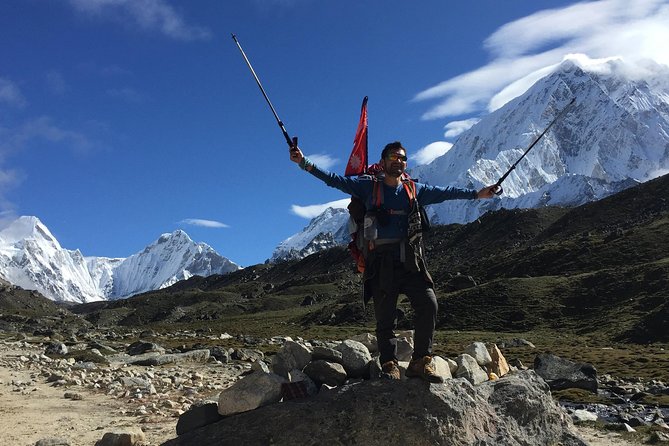
Reviewed · EVEREST BASE CAMP TREK
Short Everest Base Camp Trek 10 Days
Mt. Everest Base Camp is the kind of goal that sounds too big for a regular vacation, which is why this short 10-day plan feels so interesting. I like how it combines the thrill of flying into Lukla with a structured trek that builds in altitude time. I also like that you travel with an experienced English-speaking guide, not just a map and hope. One possible drawback to keep in mind, the Lukla flight can be weather-dependent, and altitude will still be real even on a “short” schedule.
This trek takes you through the Khumbu region in a way that feels efficient. You get that iconic progression from river valleys toward Sherpa towns, then into the final high-country stretch where the views sharpen and the air gets thinner. You’ll also sleep in tea houses along the way, which is part of the experience, but it does mean simple rooms and basic comfort.
If you’re the type who likes clear day plans and a supportive rhythm, this format fits well. The trip is also kept small, with a maximum of 15 travelers, so it’s easier to manage pace and regroup on trails with lots of steps and switchbacks.
Key Highlights to Know Before You Go
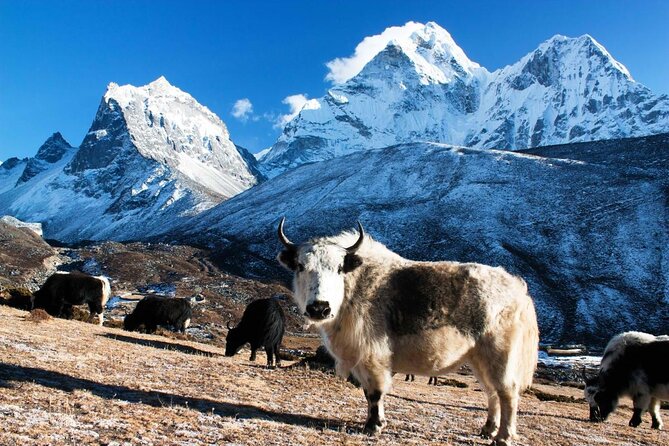
- Lukla round-trip flights included, plus domestic airport tax and transfers
- One experienced English-speaking trekking guide included, with guide expenses covered
- Small group size (max 15) to keep the trek workable and easy to manage
- Tea house and lodge stays included, with the right mix of rest and acclimatization
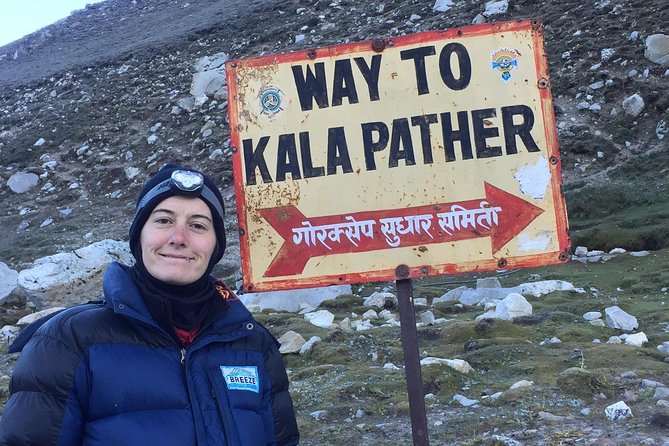
- Kala Patthar sunrise timing built into the final push
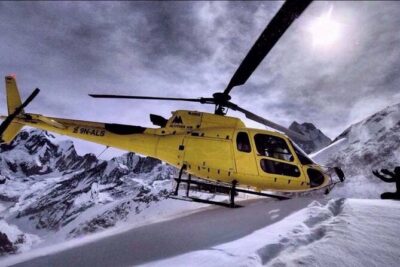
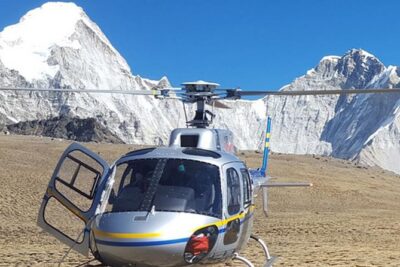
- Emergency helicopter service arranged through your travel insurance company
Why This 10-Day Everest Base Camp Trek Feels So Practical
Everest Base Camp is famous for a reason. Even before you reach the final checkpoint, the Khumbu route keeps turning the volume up, valley after valley, village after village, until you’re walking through the high, rocky end of the Himalaya. A “short” Everest trek sounds like a cheat code, but it isn’t. It simply means the schedule is tighter, so you need to be ready to move consistently and accept that every day is useful.
What makes this one workable is the way it uses altitude strategy without wasting time. You’re not doing a slow, long acclimatization grind, but you are moving in a pattern that gives you chances to adapt, especially around Namche, Tyangboche, Dingboche, and the final acclimatization day near Kala Patthar.
The trip also leans into good logistics. Your flights, permits, and most trail support are handled, so you can focus on the trekking. And from the experience style shared by guides like Mohan, AJ, Padam dai, Padam, and Anjan, you’ll see a common theme: they keep the day plan clear, explain what to expect, and encourage a careful pace. That matters on Everest terrain, where the mind wants to rush, but your body usually votes for slow.
More ways to walk to Everest Base Camp:
- Everest Base Camp Trek – 14 Days
★ 5.0 · 1,499 reviews - Everest Base Camp Trek
★ 5.0 · 842 reviews - Everest Base Camp Helicopter Tour landing at Everest View Hotel
★ 5.0 · 668 reviews
A quick reality check
Even with a short schedule, you’re still heading into thin air. You should come with a strong fitness base, and you should be honest about your comfort with altitude. The best trek is the one you finish safely, not the one you try to win.
The Most Important Logistics: Lukla, Start Time, and Small Group Pace
The whole trek pivots around Lukla. You’re flying from Kathmandu to Lukla on commercial flights (Tara, Summit, or Sita Air are listed) and then trekking onward. That flight is short, but it’s a big deal because it collapses days of travel and puts you straight into the Khumbu story. It’s also the part most affected by weather, so build some mental flexibility.
You’ll start early, with a 6:15 am meeting time, and that early start continues in practice with the “start your day early” feel of high-altitude treks. If you’re used to leisurely mornings, this can feel like an adjustment, but it’s also what helps you reach the next village before afternoon conditions change.
Group size is kept to a maximum of 15 travelers, and that’s an underrated advantage. On popular trails, you want space to move, take breaks, and deal with slower hikers without losing the group’s rhythm. Smaller groups also tend to make it easier for your guide to check in and guide you on pace and safety.
What transfers and tickets mean for you
This trip includes domestic hotel/airport transfers by private vehicle, and the flight fare Kathmandu to Lukla and back is included (with domestic airport tax). There’s also mention of pickup and a mobile ticket. Translation: you spend less time coordinating with strangers and more time showing up, checking in, and starting the walk.
More to compare around Kathmandu
- Private Kathmandu Sightseeing Tour | UNESCO World Heritage sites
★ 5.0 · 756 reviews - Kathmandu: 7 UNESCO Sites with Lunch
★ 4.8 · 744 reviews - Half day cooking class in Thamel kathmandu
★ 5.0 · 607 reviews - Everest Base Camp Trekking
★ 5.0 · 485 reviews
Day by Day on the Trail: What Each Step Gives You
Below is the trek flow in plain terms: what you’re doing, what’s special about it, and where you should pay attention.
Day 1: Lukla to Phakding, settle into the rhythm
You fly to Lukla, then start trekking to Phakding. The plan lists about 3.5 hours after landing to reach Phakding, and it’s your first day on trail. This is not the day to chase speed. Treat it as your warm-up.
Why Phakding works: it’s close enough to get you walking without exhausting you, and it sets you up for the bigger altitude climb later. Your first day’s job is to get comfortable with the daily rhythm, tea house timing, and the way your legs feel when you’re on uneven paths.
A small but helpful detail: you’ll have an included ticket for the flight portion, so you’re not scrambling with paperwork at the last minute.
Day 2: Phakding to Namche Bazaar, the big altitude day
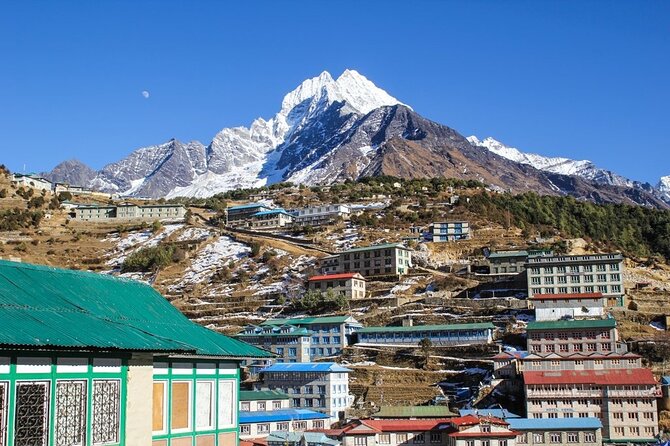
Breakfast at Phakding, then trek to Namche Bazaar at 3,440 m. The trail follows the right bank of the Dudh Koshi river, with Thamserku visible across the way.
Namche is one of the emotional centers of the trek. It’s where the Khumbu region starts to feel like a place you could live: Sherpa communities, shops, and a stronger “you’ve arrived” feeling. It’s also where you start to notice you’re not just walking through mountains, you’re walking into them.
The key drawback here is simple: this is a climb day. Even if you’re fit, go easy. You’ll gain altitude and you’ll feel it. The benefit is that Namche sets you up for acclimatization tomorrow and brings those famous panorama moments into reach.
Day 3: Namche to Tyangboche, monastery views and prayer flags
After breakfast in Namche, you head to Tyangboche (3,867 m). The route moves forward leaving a steep cliff drop toward Dudh Kosi, then continues along a trail that leads into the Tyangboche area.
Tyangboche is where the vibe turns spiritual as much as scenic. You’re in a zone of quieter views and big mountain presence, and the day has that classic “slow steps, big payoff” feeling. Expect about 5 hours on trail.
What to watch: your breath. On days like this, it’s easy to take a faster pace early, then struggle late. Stick with your guide’s pacing. The people praised in the feedback often mention patience and safety first, and that translates well here.
Day 4: Tyangboche to Dingboche, rhododendron forest to Imja Khola bridge
Trek to Dingboche at 4,260 m. You descend through a rhododendron forest, then enter Deboche. You’ll cross a suspension bridge at Imja Khola before continuing.
This day is a good example of why the schedule feels balanced. You’re not only climbing. You’re also transitioning: forest sections, river crossings, and change in terrain. That variety helps your brain, but your body still needs steady pacing.
The suspension bridge part is memorable, but it’s also where you should keep it slow if you feel shaky on your feet. The bridge is part of the experience. It’s not a place to rush.
Day 5: Dingboche to Lobuche, the high end begins
You trek onward to Lobuche, listed as a 5.5 hour normal walk. The plan notes a gentle up to Pheriche along the way.
This is where the scenery starts looking more “Everest-like.” Less lush, more rocky, more exposure. You’ll feel the thinner air more clearly. It’s also a day where your clothing system matters. Wind can creep in, and you’ll be above the thick vegetation for much of the route.
If you’re tempted to push hard, don’t. Save energy for the big final approach. One of the recurring ideas shared by guides in the feedback is slowly and safely, because it keeps everyone moving.
Day 6: Lobuche to Gorakshep to Everest Base Camp, the most rewarding stretch
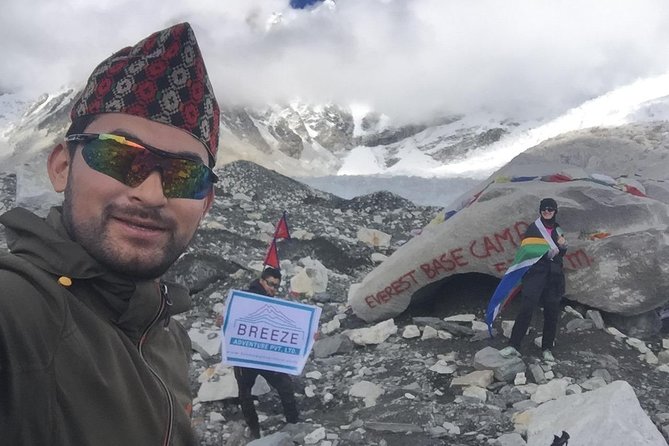
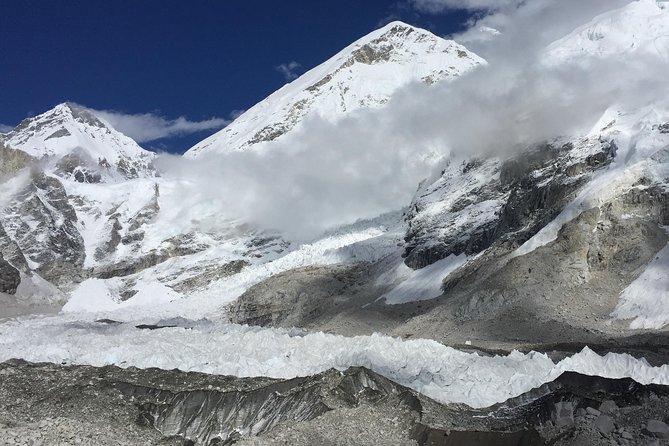
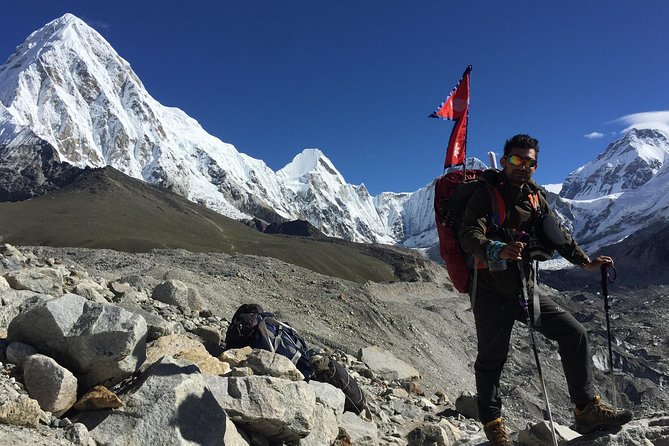
After breakfast at Lobuche, you trek to Everest Base Camp via Gorakshep (about 8 hours). Gorakshep sits at 5,140 m, and the final route is rocky with Khumbu glacier sections.
This is the heart of the trip. The “walking to base camp” feeling isn’t just about reaching a point on a map. It’s about the shift in how the mountain looks once you’re inside that glacial, high-country zone. You’ll see Nuptse in the views described for this section.
What to watch: energy management. Eight hours is long in thin air. Breaks should be purposeful, not frequent. Hydration matters. Also, even if base camp is your destination, Gorakshep is part of the story, so don’t mentally skip it.
Day 7: Gorakshep to Kala Patthar for sunrise, then down to Pheriche
This is an early day. You trek from Gorakshep to Kala Patthar at 5,545 m, then continue to Pheriche at 4,243 m. The plan calls out preparing for a climb of Kala Patthar and enjoying sunrise.
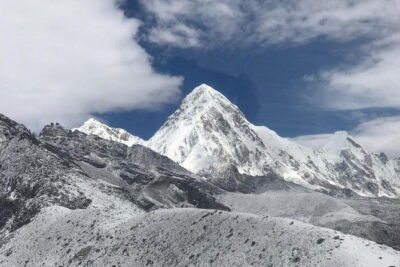
Kala Patthar is the classic “this is why I came” moment. You get that famous sunrise effect at a high vantage point, with Everest and surrounding peaks in view. The itinerary also lists views of Mt. Everest, Mt. Pumori, and more.
The practical drawback is the early start and the cold. Even if the sky is clear, wind and low temperatures can bite. Dress in layers you can manage while moving. Once you’re at the top, the payoff is real, but you still have to handle the descent.
Day 8: Back toward Namche, Khumjung and Sherpa villages along the way
Now you’re headed from Tyangboche back toward Namche Bazaar. The route description says it takes about four and a half hours, and it also notes visits to traditional villages like Khumjung and Khun… (the route mentions Khun, but the full place name isn’t fully shown). Either way, you’re getting more village time than pure trekking.
This day is a mix of recovery and satisfaction. You’re not chasing firsts anymore, you’re absorbing the experience and letting your legs loosen. It’s also a good day to notice how communities connect to the mountains. You’ll likely see prayer flags, trekking culture, and everyday logistics of life at altitude.
Day 9: Namche to Lukla, the last day on the trail
Trek back to Lukla, listed as about 7 hours. Lunch is served on the way, and once you arrive, you get refreshed and rest. You stay overnight at a tea house lodge.
This is where you can feel both relief and tiredness. Relief because base camp is behind you and the exit is planned. Tiredness because the trail still has its ups and downs. Keep your pace smooth. Don’t spend all your energy trying to sprint to Lukla.
Day 10: Lukla to Kathmandu, transfer and farewell dinner
You board an early flight from Lukla to Kathmandu. After arrival at TIA, representatives receive you and transfer you to your hotel. The evening includes a farewell dinner at Bhojan Griha (as listed).
This day is short in trekking terms, but it’s meaningful. You’ll be processing photos, sore legs, and the strange feeling that Everest pulled you into its orbit for two weeks in your head even though it’s only 10 days on your calendar.
If you can, take it slow that evening. You earned it.
Cost and Value: What You Pay For, and What You Still Need to Budget
The price is $1,400 per person for 10 days. On paper, it can look high or confusing, but for Everest Base Camp this is mostly because you’re paying for hard logistics:
Included items that matter
- Round-trip Lukla flights with domestic airport tax
- Private vehicle transfers for domestic hotel/airport legs
- Lodge and tea house accommodations during the trek
- All necessary trekking permits and government charges
- One experienced English-speaking guide, with guide expenses covered
- Guide and porters insurance, food, drinks, accommodation, transportation, plus the guide equipment needs
- Emergency helicopter service arrangement, but the payment is handled through your travel insurance company
What’s not included
- Standard meals (breakfast, lunch, dinner) during the trek
- Personal trekking equipment
- Porters, available at extra cost (the plan notes 1 porter for 2 peoples)
- Tips for guide and porter, with tipping expected
- Travel insurance covering emergency high-altitude rescue and evacuation
So here’s the practical way to judge value: at this price, you’re paying for transportation into the Khumbu, permits, and people support. You are not paying for every meal or every personal item, which is normal for tea house trekking. If you plan meals smartly, tip appropriately, and come equipped, the trip tends to feel like good value because the expensive parts are handled.
Guides, Organization, and the Difference Between Finishing and Struggling
This trek lives or dies by pacing and support. The strong signal from the feedback is that the guides run the trip like a plan, not a guess. Guides like Mohan and AJ are described as explaining the day plan each evening and organizing lodging and food. Other guides such as Padam dai, Padam, and Padam Bahadur Bhujel are praised for patience and for keeping trekkers healthy and comfortable, with advice given in a calm, step-by-step way.
One especially helpful idea to take with you: ask your guide how your day will unfold before you sleep. The better guides do that, because it reduces decision fatigue. Less arguing with yourself in the morning also means fewer speed-ups that later cause problems.
Also, the feedback includes a note that gear might be loaned without charge. Don’t assume this will happen for every trek, but it’s a great reminder: if you forgot something, talk to your guide or operator early. The people running these trips often have a solution, at least for the common gaps like basic trekking items.
Who This Trek Suits Best (And Who Should Rethink It)
This is a strong choice if you:
- Have strong physical fitness and can handle long days on foot
- Want the Everest Base Camp experience without committing to a longer trek
- Prefer a structured plan with an English-speaking guide
- Like small group travel (max 15)
It might not be the right fit if you:
- Are sensitive to altitude and want a very gentle timeline, because this plan still climbs high
- Know you cannot handle early starts and long walk days
- Have not arranged travel insurance for high-altitude rescue and evacuation, because the helicopter arrangement relies on insurance coverage
The biggest decision you’ll make is whether you can commit to the pace. “Slow and steady” sounds like advice for everyone, but on this route it’s a safety strategy. You’ll feel it most on the way to Gorakshep and during the Kala Patthar morning.
Should You Book This Short Everest Base Camp Trek?
If you want a classic Everest Base Camp experience in a tight, organized 10-day format, this trek is a smart bet. The inclusion list is built around the big cost and stress points: flights to Lukla, permits, a trained guide, and tea house lodging. Add in the carefully planned final high day for Kala Patthar sunrise, and you get a route that feels efficient without skipping the signature moments.
I’d book it if you’re mentally ready for long days at altitude and you’ll prepare properly. Bring the right cold weather layers, move consistently, drink water, and plan for meals and tips that are not included. If you want a slower Everest journey with more time to recover, you might choose a longer itinerary instead.
If you do book, pick a guide you trust, follow their pacing, and keep your focus on finishing feeling proud, not exhausted.
FAQ
What time does the trek start each day?
The meeting point start time is listed as 6:15 am.
Are flights to Lukla included?
Yes. Flight fare for Kathmandu to Lukla and back is included, along with domestic airport tax.
How are transfers handled in Kathmandu?
You get domestic hotel and airport transfers by private vehicle.
Is a guide included?
Yes. The trip includes one experienced English-speaking trekking guide, and the guide’s expenses and equipment are covered.
Are meals included during the trek?
Standard meals (breakfast, lunch, dinner) during the trek are not included.
Do I need travel insurance?
Yes. Travel insurance is required, and it should cover emergency high-altitude rescue and evacuation.
Can I hire a porter?
Porters are available for an extra cost, listed as 1 porter for 2 peoples.
What is the cancellation window?
Free cancellation is offered up to 24 hours in advance for a full refund. If you cancel less than 24 hours before the start time, the amount paid will not be refunded.
Latest Kathmandu write-ups
- Langtang Valley Trek★ 5.0 · 3 reviews
- Khopra Danda Trek★ 5.0 · 3 reviews
- Langtang Valley Trek from Kathmandu★ 5.0 · 3 reviews
- 5 night / 6 days Kathmandu Nagarkot Chitwan Pokhara tour★ 5.0 · 3 reviews
- Nepal Highlights Tour: 5 Nights 6 Days Kathmandu & Pokhara Tour★ 5.0 · 3 reviews
- Kathmandu Valley Private Day Tour★ 5.0 · 3 reviews
- Kathmandu Heritage Day Tour★ 5.0 · 3 reviews
- Conquer the Himalayas: The Ultimate 16-Day Annapurna Circuit Trek★ 3.5 · 3 reviews
Everest Base Camp Trek, compared.

Everest Base Camp Helicopter Tour landing at Everest View Hotel
Read our review →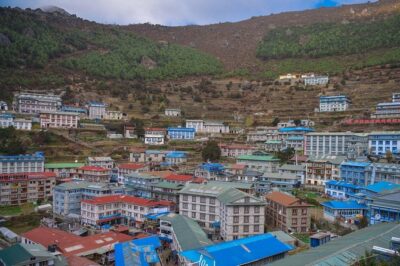
Everest Base Camp Helicopter Tour landing at Hotel Everest View
Read our review →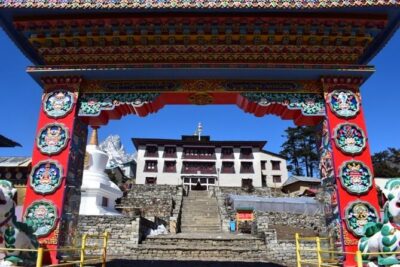
Browse the lists this tour appears in