
Everest Base Camp on a 12-day plan is interesting because you get the full Khumbu feel, start to finish. You ride a short flight into the mountains, hike through Sherpa villages inside Sagarmatha National Park, and then earn that big day from Everest Base Camp up to Kalapathar. Add in a guide team that checks oxygen levels and keeps a steady schedule, and the trip feels both wild and controlled.
I especially like the way this trek mixes big views with smart pacing. You gain altitude step by step, with acclimatization built into the days, not tacked on at the end. I also like the cultural stops, like Khumjung and Tengboche area moments, where you can understand the Sherpa connection to this region instead of just passing through.
One possible drawback to keep in mind is Lukla weather. Flights can be delayed by cloud, and once you’re on the mountain schedule, small changes can ripple into your hiking days. Your guide should handle it, but it is still worth planning with flexibility in mind.
Key highlights that matter on the ground
- Lukla is included, with Kathmandu to Lukla and Lukla to Kathmandu air tickets and stated baggage weight limits
- Acclimatization is part of the program, including a high day at Nangkartshang Peak near Dingboche
- Everest Base Camp and Kalapathar are both included, so you do not have to choose between them
- Oxygen checks and first aid support are included, with an oximeter in the medical kit
- Guide quality shows up in real ways, like patient, supportive help from guides named Mr Pratap, Jayaram, and Kul
- Permits and TIMS are handled, plus a Sagarmatha National Park permit and official paperwork
Into Lukla: the short flight that changes everything
The trip starts in Kathmandu and moves fast toward the Khumbu. You get airport pickup and drop-off, so you are not juggling taxis while you are trying to get your documents in order. Then it is on to the flight to Lukla, the jump-off point most hikers imagine when they picture Everest.
On paper it is a short scenic flight, but in practice it is a turning point. You go from city noise to a tight view of mountain ridgelines in minutes. The itinerary then continues immediately with a trek to Phakding, which is a classic first-day buffer. It lets your legs wake up gently and helps you settle into the rhythm of tea breaks, stone paths, and slow altitude changes.
A practical note: the stated baggage limits matter. Your main baggage is limited to 10 kg and your hand baggage to 5 kg per person. If you are used to packing heavy, plan to travel light, and keep the stuff you need most accessible for early trekking days.
More ways to walk to Everest Base Camp:
- Everest Base Camp Trek – 14 Days
★ 5.0 · 1,499 reviews - Everest Base Camp Trek
★ 5.0 · 842 reviews - Everest Base Camp Helicopter Tour landing at Everest View Hotel
★ 5.0 · 668 reviews
Phakding to Namche Bazaar: big altitude gains, Sherpa village life
Day two heads toward Namche Bazaar, and this is where the trek starts feeling like a real climb. You hike for several hours through the Sagarmatha National Park area, and the effort pays off as Namche opens up as the main hub in this region.
I like Namche because it is not just a waypoint. It is a place to understand daily life in the Khumbu. You also get the chance to adjust before going higher. The route structure here is important: you want to arrive with enough energy to enjoy the village and not just survive the walk.
From here, the plan also includes a day trip linked to the Everest View Hotel and Khumjung Village area, plus a visit to Khumjung Gompa. If you want the Sherpa side of Everest, this is one of your best chances. Gompas tend to feel calm and grounding after a hard morning of walking, and Khumjung brings you into contact with local traditions rather than only mountain scenery.
Tengboche to Dingboche: views, monasteries, and breathing room
As you move from Namche toward Tengboche, you get a mix of effort and reward. The day is set around the route to Tengboche, and this stop is famous for the spiritual and scenic atmosphere in equal measure. Even if you are not a religious traveler, monasteries like this one tend to make the mountains feel closer to lived culture. You see how the landscape influences everyday meaning, not just Instagram angles.
Then comes the walk to Dingboche via Pangboche village. This is where altitude becomes more physical. Dingboche is higher and more exposed, so the days you spend here are not only about covering distance, they are about learning how your body responds. The trek sets you up to do exactly that.
Nangkartshang Peak acclimatization: the day you earn later
On the sixth day, the plan includes an acclimatization day at Dingboche with a climb toward Nangkartshang Peak at 5,615m. This is a short outing compared to the later big days, but it is a big deal for how you will feel when you go higher.
If you have ever wondered why experienced guides talk about acclimatization so much, it is because it changes your odds. Your goal is not to win a race. It is to teach your body to function above 5,000m. When you move higher, the air gets thinner fast, and small differences in how you manage your breathing and rest can be the difference between a decent day and a rough one.
This is also where the included safety support matters. You have an oximeter in the first aid kit, and guides in this program are known for routine oxygen checks. Guides such as Jayaram have a reputation for tracking blood oxygen levels each day and encouraging you without panic.
More to compare around Kathmandu
- Private Kathmandu Sightseeing Tour | UNESCO World Heritage sites
★ 5.0 · 756 reviews - Kathmandu: 7 UNESCO Sites with Lunch
★ 4.8 · 744 reviews - Half day cooking class in Thamel kathmandu
★ 5.0 · 607 reviews - Everest Base Camp Trekking
★ 5.0 · 485 reviews
Dingboche to Lobuche: the trail tightens, the mountain gets louder
The hike to Lobuche goes via Thulkla, and the feel shifts. The closer you get to the Everest region, the more the path becomes a corridor between huge ridges. That can sound poetic, but it is also practical. You get less relief, fewer dramatic breaks from exposure, and you notice how cold it gets at higher elevations.
Lobuche is where the trip starts to feel serious in a good way. It is a stepping stone to Gorekshep and the Everest Base Camp area. You should treat this as a day to conserve energy and get your systems working: layering, hydration, and eating on schedule.
Gorekshep to Everest Base Camp and Kalapathar: the do-it-once combo
The next phase is the signature stretch. You trek from Lobuche to Gorekshep, and then you hike to Everest Base Camp and Kalapathar. This is long and high, so plan your pacing. Do not try to power-walk. Move steadily, take breaks when your breathing asks for it, and use snacks if you feel your appetite drop.
Everest Base Camp is the big target most people dream about. But what you will remember is how the scale changes the moment you reach the area. It is not only the mountain. It is also the cold, the wind, and the fact that you are walking around a site tied to ongoing expeditions.
Then you go toward Kalapathar. Reaching it is a different kind of thrill. Kalapathar is high, and the reward is about views rather than a big physical milestone. If you are the type who likes to earn photos, this is your moment.
Kalapathar sunrise: why 5,555m makes sense on this itinerary
The following morning is built around Kalapatthar sunrise. The plan includes a hike that is described as about two hours for sunrise views. You focus on Mount Everest, the Khumbu Glacier, and the Khumbu Icefall from this vantage point, then you walk back down to Pheriche.
This is the day structure I like. You get sunrise after you are already in the right altitude zone. That reduces the number of times you are forced to do long high-elevation climbs back to back. It also makes the day feel purposeful rather than endless.
If weather cooperates, sunrise views from Kalapathar can be jaw-dropping. The key is to go prepared for cold and wind, and to remember that sunrise does not mean easy. It still takes steady steps on thin air.
Heading back: the quiet power of retracing your steps
After Everest Base Camp and Kalapathar, you retrace the trail. You hike from Pheriche toward Namche Bazaar and then onward to Lukla. It can feel counterintuitive, because you are going down, and you might think it gets easier.
In real life, it can still be work. Descents can stress your knees, and the altitude you gained earlier does not vanish instantly. Still, the return trek has its own value. You notice things you missed on the way up, like prayer flags, small settlements, and the way the valley opens and closes with every bend.
This is also where the guide really matters. People have described guides who adapt when schedules shift, including one situation where heavy cloud delayed Lukla flights and the guide managed the timing by making longer days and adding acclimatization hikes when arriving. That kind of flexibility helps you keep your trip feeling coherent, even when the mountain changes the plan.
Lukla back to Kathmandu: the finish line and the paperwork wonkiness
Once you reach Lukla, the itinerary flies you back to Kathmandu in about 30 minutes. That is a surprisingly quick emotional reset. One day you are dealing with cold, wind, and altitude. The next day you are back in a city setting with hotels, meals, and time to organize the end of the journey.
You should also know what the trip handles for you on the mountain side. The plan includes the necessary paperwork and trekking permit for Sagarmatha National Park, TIMS (Trekkers Information Management System) card, and official expenses if necessary. That removes a lot of admin stress right when you are already focused on physical preparation.
Before you return to your daily life, you get a welcome and farewell program. You also receive a Nepal Mother House T-shirt or cap and an appreciation card after the trip ends. It is a small thing, but it helps make the end feel like an actual milestone rather than just a flight home.
Price and value: what $1,940 includes, and what you must budget
At $1,940 per person for about 12 days, the big question is value. Here is what you get that is hard to assemble on your own:
- Flights KTM to Lukla and Lukla to KTM are included, with a stated baggage weight limit
- Permits and TIMS are included, plus Sagarmatha National Park paperwork
- Guides are covered, including guide insurance and the guide team’s food, accommodation, salary, and equipment
- Meals are covered on trek, with breakfast, lunch, dinner, plus tea and coffee with meals
- Accommodation is included during the trek, with private accommodation described as twin bed sharing with shared toilet
- Medical support is included, including first aid and an oximeter to measure oxygen and pulse
- Gear support is included if you need it, with warm down jackets, sleeping bag, and a duffle bag during the trekking
- Airport transfers in Kathmandu are included, airport to hotel and back
What you should budget separately is equally clear:
- Mineral water and snacks like chocolate or cookies are not included
- Hot shower and laundry are not included
- Your own travel insurance and evacuation coverage are not included
- Porter service is not included, and you should know that a porter (if you arrange one) is described as carrying about 20 to 25 kg max
- Tips for guide and porter are not included
- International airfare and visa fees are not included
For me, the standout value is that you are buying more than hiking days. You are buying logistics plus medical support plus permits plus flights, and that combo is what usually makes Everest trips expensive and complicated when booked loosely.
Guides, Sherpas, and the human side of safety
This trek is sold as an expert Sherpa guide experience, and the evidence is in how guides handle the job. In real accounts tied to this program, guides like Mr Pratap have been described as quiet at first, then patient, kind, and genuinely friendly as the trek unfolds. Others like Jayaram are praised for checking oxygen levels daily and keeping communication clear.
There is also a Sherpa assistance model: if your group is more than 6 people, you get one Sherpa assistance guide. The Sherpa team’s food, accommodation, salary, insurance, and equipment are included.
That matters because Everest country is not only about legs. It is about managing time, staying safe, and preventing small altitude issues from becoming big problems.
Accommodation and meals: what comforts you, what does not
During the trek, you have private accommodation with twin bed sharing and a shared toilet. This is the kind of setup you should expect on tea house style routes, where comfort is basic but reliable.
Meal coverage is strong for a trek at this altitude. You get three meals a day during trekking plus tea and coffee in a cup each meal. You also get supplementary snacks like cookies and fresh fruits. If you have dietary needs, vegetarian options are available if you request them at booking, and gluten free foods are mentioned as supported.
Still, do not plan on luxuries. Hot shower is not included, and extra personal items are on you.
How fit you need to be for 12 days at altitude
The program specifies moderate physical fitness. That is a fair bar, but it is not casual. You will spend many days hiking six to seven hours, plus at least one big push with Everest Base Camp and Kalapathar. You are also repeatedly going to higher elevations, including days near 5,555m and 5,615m.
If you train, focus on stamina and steady effort, not short bursts. Practice hiking with a loaded day pack. And when you get to altitude, keep your pace slow early. Your goal is consistency, not speed.
Should you book this Everest Base Camp trek with Expert Sherpa Guide?
Book it if you want a guided plan that handles the hard parts for you: Lukla flights, permits, meals, accommodation, medical support, and gear support. It is also a good match if you care about Sherpa culture, since the plan includes village and gompa time and not just summit style hiking.
You should think twice if you know you hate schedule changes and weather uncertainty. Lukla flights can be delayed by clouds, and the mountain will control the timing. That is not a reason to avoid the trek. It is a reason to pack flexibility into your mindset and plan.
FAQ
How long is the Everest Base Camp trek on this 12-day plan?
It runs for approximately 12 days.
Are flights to Lukla included, and how much baggage can I bring?
Yes. Air tickets from KTM to Lukla and from Lukla to KTM are included, with a weight limit of 10 kg for main baggage and 5 kg for hand baggage per person.
What trekking permits and documents are covered?
The trip includes the necessary paperwork and trekking permit for Sagarmatha National Park, plus a TIMS card.
Do you provide meals during the trek?
Yes. The trek includes three times meals (breakfast, lunch, dinner), and tea and coffee in a cup each meal during the trek.
Is a vegetarian diet available?
Yes. Vegetarian options are available if you advise the team at the time of booking.
Do I need a porter?
A porter is not included. The info also notes that if you arrange a porter, they carry a max of 20 to 25 kg (and their food, accommodation, wage, insurance, and transportation would be needed).
Latest Kathmandu write-ups
- Langtang Valley Trek★ 5.0 · 3 reviews
- Langtang Valley Trek from Kathmandu★ 5.0 · 3 reviews
- Khopra Danda Trek★ 5.0 · 3 reviews
- 5 night / 6 days Kathmandu Nagarkot Chitwan Pokhara tour★ 5.0 · 3 reviews
- Nepal Highlights Tour: 5 Nights 6 Days Kathmandu & Pokhara Tour★ 5.0 · 3 reviews
- Kathmandu Valley Private Day Tour★ 5.0 · 3 reviews
- Conquer the Himalayas: The Ultimate 16-Day Annapurna Circuit Trek★ 3.5 · 3 reviews
- Kathmandu Heritage Day Tour★ 5.0 · 3 reviews
Everest Base Camp Trek, compared.



Everest Base Camp Helicopter Tour landing at Everest View Hotel
Read our review →


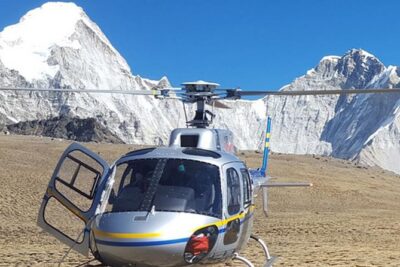
Everest Base Camp Helicopter Tour landing at Hotel Everest View
Read our review →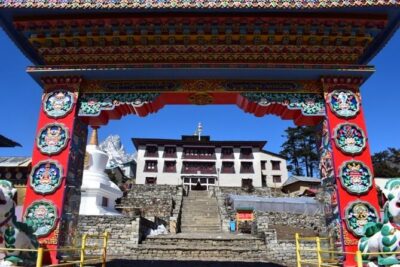
Browse the lists this tour appears in