
Reviewed · EVEREST BASE CAMP TREK
Luxury Everest Base Camp Trek -11 Days
What makes this Luxury Everest Base Camp trek interesting is the combo of upgraded teahouses and a shared helicopter ride on the way back. You still get the real Everest beat of days walking through Khumbu, but with a little less suffering baked in.
I especially like that the trek is built around comfort where it counts, like the Kathmandu hotel base plus upgraded places to sleep while you acclimatize. The one drawback to plan for is that helicopter timing depends on weather and flight conditions, so you should stay flexible on return day.
Key points before you commit
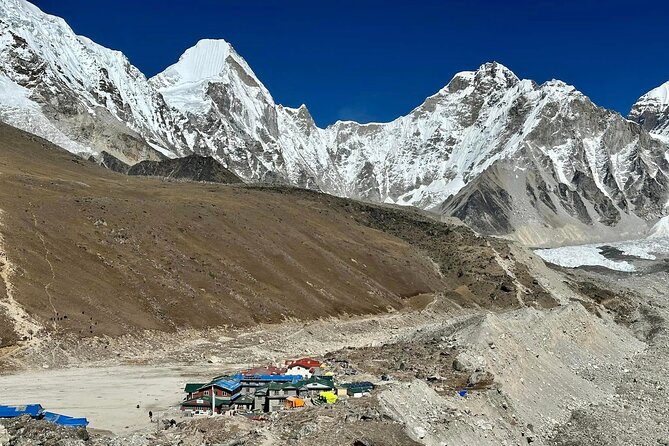
- Shared helicopter return from Gorakshep back to Kathmandu, saving energy after the hardest days
- Upgraded teahouses on twin sharing, so you do not have to guess what “comfortable” means
- Guide and porter support, with a porter for every two trekkers
- Flights between Kathmandu and Lukla are included, so you are not piecing together the hardest logistics
- Value extras like TIMS and Khumbu valley fees, plus a duffle bag return
Luxury Everest Base Camp: what you’re really paying for
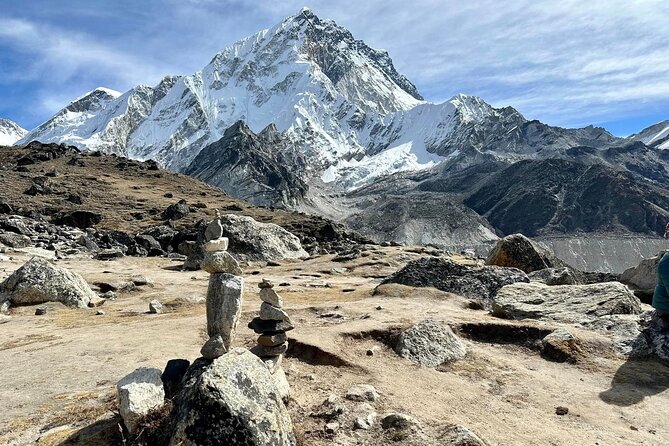
This trek calls itself luxury, and you should judge that word the way it works in Nepal. This is still a high-altitude trek where you sleep in mountain lodges and walk day after day. The luxury part is how the trip removes friction. Better teahouse standards. A proper guide team. Meals included on the trekking days. And, yes, the helicopter return, which turns the last leg of the Everest experience from a slog into something closer to a victory lap.
If you hate big, stressful travel checklists, this style fits. You land, get picked up, and transfer to a Kathmandu hotel. You fly to Lukla instead of spending days getting there by road and bus. You get permits handled. You get a first aid kit and travel and rescue arrangements. The goal is clear: you focus on pacing, acclimatizing, and enjoying the mountain.
Your biggest consideration is altitude plus schedule uncertainty. Even with careful planning, bad weather can still change flights or helicopter operations. That does not mean the trip falls apart, but it does mean you should travel with a calm, flexible mindset.
More ways to walk to Everest Base Camp:
- Everest Base Camp Trek – 14 Days
★ 5.0 · 1,499 reviews - Everest Base Camp Trek
★ 5.0 · 842 reviews - Everest Base Camp Helicopter Tour landing at Everest View Hotel
★ 5.0 · 668 reviews
Kathmandu first: 5-star comfort and a smooth start
You start at Tribhuvan International Airport in Kathmandu. A company representative picks you up and transfers you by private vehicle to a hotel. The included stay is two nights in a 5-star hotel, with breakfast. That is not just a nice-to-have. Kathmandu is where you hydrate, eat normally, and mentally prepare for Lukla day.
You also get the practical help that matters right away, like having someone to answer questions when you are tired from flying. If you have ever tried to figure out Nepal logistics on low battery, you know how much relief this is.
In the mountain season, Kathmandu can feel like a whole different world from what you picture when you hear Everest. You’ll likely appreciate the chance to shower, stretch, and get your gear sorted before the altitude starts chewing into your sleep.
The jump from Kathmandu to Lukla: why this flight matters
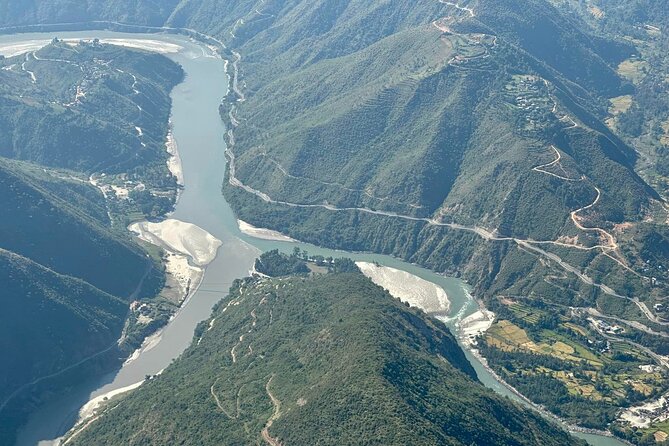
On trekking day two, you fly from Kathmandu to Lukla, which sits at about 2,860 meters. That flight is one of the biggest value pieces in the package because it compresses travel time and gets you into the right altitude rhythm fast.
From there, you begin walking. This matters because the Everest Base Camp trek is not just a destination. It’s a stair-step altitude climb, with your body learning the new normal. Starting at Lukla means you are already higher than you were in Kathmandu, and it sets up your later acclimatization days.
One more thing to know: flights in the Himalaya can be weather-sensitive. The good news is your trek company includes helicopter and travel and rescue arrangements, plus medical supplies (a first aid kit). Still, you should plan around the reality of mountain schedules.
Phakding to Namche Bazaar: the first real altitude rhythm
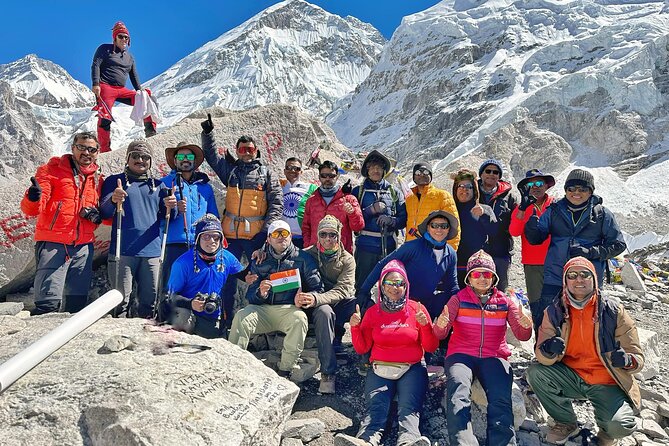
The next walking day goes from Phakding to Namche Bazaar. Namche is where most trekkers feel the shift from “this is a hike” to “this is Everest country.”
This day is a key checkpoint for your pace. Namche is a hub, so you’ll feel more activity and more trekking culture around you. But you should treat the route like an acclimatization tool, not a race. Slow and steady usually feels boring at first, then later you realize it kept you strong for the higher days.
You’ll also learn what your personal altitude tolerance feels like. Some people get breathy sooner. Others feel fine but sleep poorly. Either way, Namche helps you read your body before the taller numbers.
More to compare around Kathmandu
- Private Kathmandu Sightseeing Tour | UNESCO World Heritage sites
★ 5.0 · 756 reviews - Kathmandu: 7 UNESCO Sites with Lunch
★ 4.8 · 744 reviews - Half day cooking class in Thamel kathmandu
★ 5.0 · 607 reviews - Everest Base Camp Trekking
★ 5.0 · 485 reviews
Acclimatization days at 3,880 m and Dingboche (4,360 m)
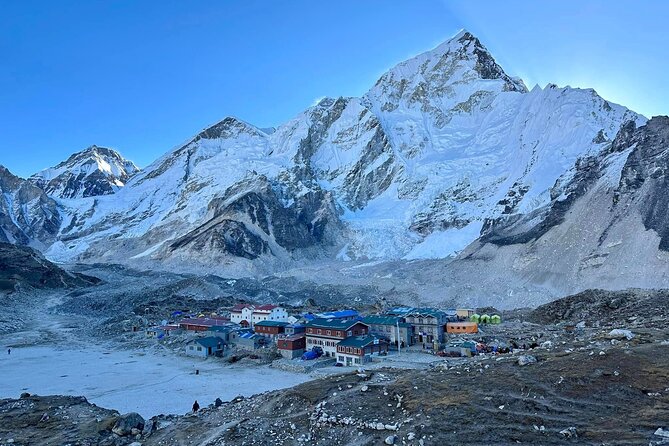
This trek’s “luxury” does not replace physics, but it does respect it. You build in acclimatization time on two separate days.
- One day includes an acclimatization stop at about 3,880 meters.
- Another acclimatization day happens in Dingboche, around 4,360 meters.
Why this matters: when altitude climbs, your body needs time to adjust before you keep gaining elevation. If you push too hard, you pay with headaches, nausea, and worse sleep. Those are not small annoyances at altitude, they can snowball.
On these acclimatization days, you’ll have time to move, rest, and get used to the thin air. The itinerary frames these days as opportunities to adjust, which is exactly what you want. I like that the plan does not treat rest as optional. You are not just “allowed” to acclimatize. You are scheduled to do it properly.
If you want the Everest experience without unnecessary suffering, this is one of the biggest reasons to choose an organized luxury-style trek over a chaotic DIY plan.
Tengboche and Dingboche: where the trail gets serious
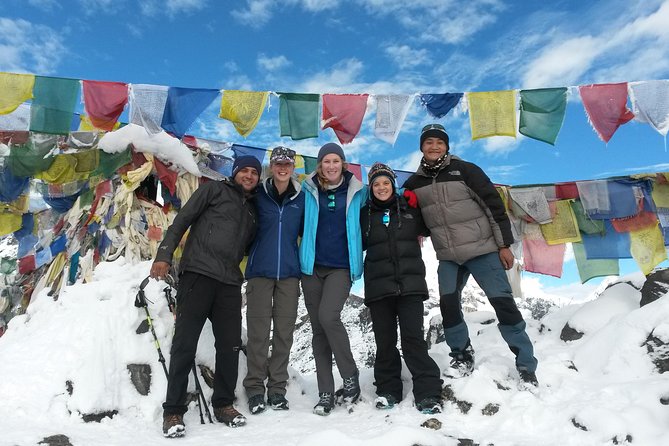
After Namche, the route moves into the classic Everest valley corridor, with memorable stops and steady elevation.
Day five includes trekking from Hotel Everest View to Tengboche at about 3,820 meters, typically 4 to 5 hours. This is the kind of leg where the views can hit hard, even when your body is still getting used to the air. It’s also the kind of day where you benefit from having your guide set your pace, because it is easy to get caught up in scenery and overdo it.
Day six goes from Diboche to Dingboche around 4,360 meters, typically 5 to 6 hours. Dingboche is a key base for your later acclimatization day, so how you walk into it matters. You want steady effort, not sudden surges.
The day eight leg is from Dingboche to Lobuche, typically 5 to 6 hours. The route is described as moderate with high-altitude terrain and potentially challenging weather. This is another place where the guide role matters: choosing when to press forward and when to slow down can make the difference between feeling tired and feeling stressed.
Lobuche, Gorakshep, and Everest Base Camp: the most demanding stretch
Your hardest day sequence starts to stack up here.
Day nine is trekking from Lobuche to Gorakshep and onward to Everest Base Camp. It’s listed as strenuous, around 6 to 7 hours. That time estimate matters. You are going to spend a lot of effort earning those views, and you’ll want to protect your energy.
Also note the terrain references: rocky sections, glacial moraines, and dramatic high-altitude conditions. This is not the day for experimenting with pace or footwear. It’s a day for sticking to what works for you.
Even in a luxury plan, Everest Base Camp is still Everest Base Camp. You can expect a strong sense of remoteness and a feeling that you really are in the world that legends built. The included support and included meals help you keep your focus where it belongs: on breathing, walking, and enjoying.
Kalapatthar at 5,545 m: the view tax you actually earn
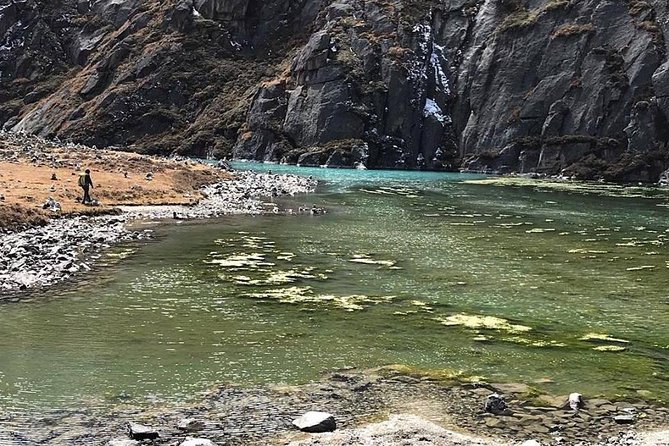
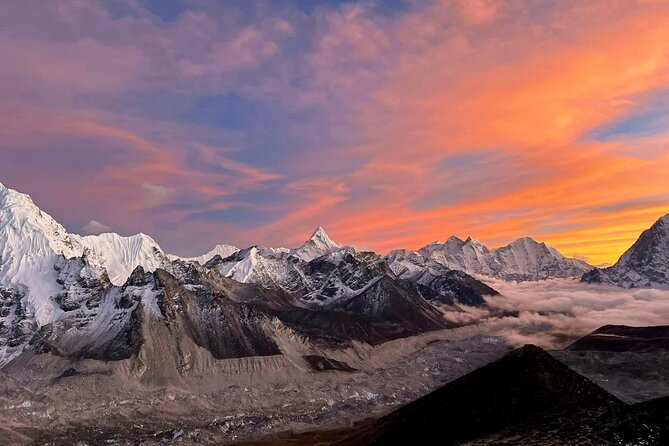
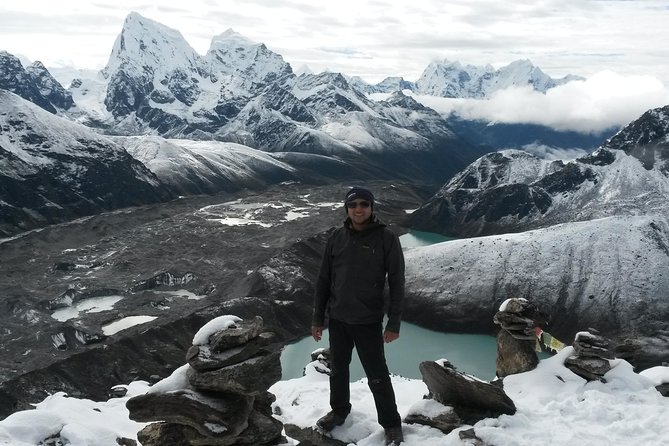
On day ten, you trek from Gorakshep to Kalapatthar, at about 5,545 meters. Kalapatthar is one of the most popular highlights on the Everest Base Camp trek because it offers panoramic views of the surrounding peaks.
This is the day where your legs might feel like they are full of sand. That’s normal. The value is the payoff. You’re paying the view tax, and you want to collect it while the weather cooperates.
If you’ve ever woken up to clouds on a big trip day, you’ll understand why timing matters. With this luxury plan, you have the helicopter option on the return side, which can reduce how long you spend in the cold and tired phase after the long climb.
Helicopter return from Gorakshep: luxury that saves your knees
Here’s the big difference. Your package includes helicopter fare from Gorekshep (Gorakshep) to Kathmandu, and it is sharing.
That matters for two reasons. First, it can drastically cut the grind of getting back down. Second, it shifts your remaining energy from walking to resting. In a trek like this, that is not a small upgrade.
One reality check: helicopter rides are weather dependent. This trek notes that spring and autumn are best times because weather is typically more stable for Himalayan views and helicopter operations. If you can pick dates, lean toward those seasons.
Also, you should be mentally prepared for the possibility of schedule adjustments. That does not mean you are left hanging, but it does mean you should not book the next flight home with zero margin.
Tea house comfort, meals, and the logistics you do not want to manage
During the trek, you stay in upgraded tea houses on twin sharing. You also get lunch, dinner, and breakfast during trekking. The package details show meal counts listed across the days, so you’re not constantly pulling out your wallet on route.
This kind of meal inclusion is a big deal at altitude. Food availability and timing can affect energy levels, and at 4,000 meters plus, energy matters more than comfort.
A few more helpful inclusions:
- Duffle bag that is returned after the trek
- Company t-shirts
- Medical supplies with a first aid kit
- Travel and rescue arrangements
For me, the porter setup is also important. You get an experienced, helpful guide, plus porter support with a ratio of 1 porter for 2 clients. That means less weight on your back during the toughest segments.
In the submitted experience, the guide quality came through strongly, including Prakash being singled out for excellent organization and support. And the trip planning and communication also got praise tied to Bhagwat and his team leadership. That matters because Everest treks succeed when someone else is handling the moving parts.
What $4,500 covers, and what to budget for on your own
At $4,500 per person for 11 days, you are not just paying for views. You are paying for logistics and risk management you would otherwise have to coordinate yourself.
Included value you can point to:
- Airport pickup and private hotel transfer in Kathmandu
- Two nights in a 5-star hotel with breakfast
- Kathmandu to Lukla flight ticket
- TIMS permit and Khumbu valley fees
- Guide and porter support
- Upgraded tea house lodging in the mountains
- Helicopter return from Gorakshep to Kathmandu (sharing)
- Farewell dinner with a Nepalese restaurant and cultural performance
Not included items you must plan for:
- Nepal visa fee
- International airfare to and from Kathmandu
- Extra hotel nights if your schedule shifts earlier or later
- All meals in Kathmandu
- Any additional mountain expenses if weather delays change timing
- Travel and rescue insurance
- Personal expenses like phone calls, laundry, bottled or boiled water, and hot shower costs
- Tips for guide and porter
So the real question is not just whether the price is high. It’s whether this package covers the work you do not want to do. If you value organization and a smoother experience, this price starts to look fair. If you already have time to DIY, then you might compare and decide. Just be sure you price in helicopter and the cost of doing permits and flights on your own.
Who should book this Everest Base Camp trek, and who should think twice
This trek is best suited for people with moderate physical fitness who still want a serious Everest itinerary. You are walking multiple days with a long, demanding sequence toward Base Camp and the Kalapatthar climb.
If you bring a family, the luxury structure can help. It’s private, so your group stays together, and the guide and porter system reduces daily burdens. Still, acclimatization days do not make the altitude easy. You still need to respect rest and pacing.
If you hate flying legs, you should know this plan includes a Kathmandu to Lukla flight. If you are extremely sensitive to schedule changes, know that mountain weather can affect helicopter timing even in ideal seasons.
Practical tips for your best shot at clear views
The trek emphasizes spring and autumn as the best times. That is smart because stable conditions help both views and helicopter operations.
While you wait for weather windows, a few practical moves help you:
- Pack warm layers and expect cold mornings around high points like Kalapatthar
- Keep your effort steady, especially on the strenuous Lobuche to Gorakshep to Everest Base Camp day
- Tell your guide about any diet needs early, since vegetarian options are available when arranged at booking
- Bring a calm attitude, because high altitude is not a place for pushing through feeling awful
And remember, luxury here is mostly about how well you are supported, not about eliminating altitude.
Should you book this Luxury Everest Base Camp trek?
I’d book it if you want Everest Base Camp with less hassle: 5-star Kathmandu comfort, upgraded teahouses, a full set of included trekking meals, and a helicopter return that can save your body on the back end. If you care about strong organization and clear communication, the guide and leadership names in the experience data, including Prakash and Bhagwat, are exactly the kind of people you hope to meet on a once-in-a-lifetime trip.
I would hesitate if you are very price-sensitive, very intolerant of schedule shifts, or if you cannot handle high-altitude trekking even with acclimatization days built in. This is still a serious mountain walk, just managed with smarter support.
If you can travel in spring or autumn, show up with moderate fitness, and accept that weather can change plans, this is a compelling way to do Everest Base Camp with a little more dignity.
FAQ
Where does the trek start and what time does it begin?
The meeting point is Tribhuvan Airport in Kathmandu, Nepal, and the start time is listed as 6:00 am.
How do we get to Lukla for the trek?
You fly from Kathmandu to Lukla, with the flight included as part of the program.
Is the helicopter ride back to Kathmandu private?
No. The helicopter fare is included as sharing from Gorekshep to Kathmandu.
What permits and fees are included?
The package includes TIMS permit and Khumbu valley fees.
Are meals included during the trek?
Yes. Lunch, dinner, and breakfast are included during the trekking days. Meals in Kathmandu are not included.
Is there a vegetarian option?
Yes. A vegetarian option is available if you request it at the time of booking, and you should share any dietary requirements.
Can I get a full refund if I cancel?
Yes, there is free cancellation up to 24 hours in advance for a full refund. If you cancel less than 24 hours before the start time, the amount is not refunded.
Latest Kathmandu write-ups
- Langtang Valley Trek★ 5.0 · 3 reviews
- Langtang Valley Trek from Kathmandu★ 5.0 · 3 reviews
- Khopra Danda Trek★ 5.0 · 3 reviews
- 5 night / 6 days Kathmandu Nagarkot Chitwan Pokhara tour★ 5.0 · 3 reviews
- Nepal Highlights Tour: 5 Nights 6 Days Kathmandu & Pokhara Tour★ 5.0 · 3 reviews
- Kathmandu Valley Private Day Tour★ 5.0 · 3 reviews
- Kathmandu Heritage Day Tour★ 5.0 · 3 reviews
- Conquer the Himalayas: The Ultimate 16-Day Annapurna Circuit Trek★ 3.5 · 3 reviews
Everest Base Camp Trek, compared.



Everest Base Camp Helicopter Tour landing at Everest View Hotel
Read our review →



Everest Base Camp Helicopter Tour landing at Hotel Everest View
Read our review →
Browse the lists this tour appears in