
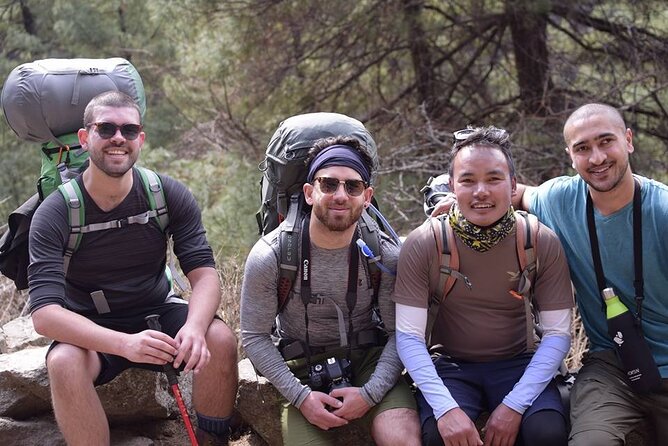
Reviewed · EVEREST BASE CAMP TREK
14 Day – Everest Base Camp Trek
If you want the Everest fantasy without a lot of guesswork, this trek hits a sweet spot. You get the classic flight to Lukla and then a steady, human-paced walk toward Everest, with acclimatization built into the route. I like that the schedule does not rush the altitude straight up.
My second favorite part is the push for Kala Pattar early on the high day, when you can line up sunrise and a big view of Everest’s neighbors. One consideration: the whole plan depends on weather, and mountain flights can be delayed or altered, so you should be ready for a little schedule flexibility.
Key things to know before you go
- Lukla flight sets the tone: a short hop that puts you trekking right away, starting around 2,840 m.
- Acclimatization days matter: you spend extra time in places like Namche Bazaar and Dingboche to reduce altitude stress.
- Tea house comfort is included: you sleep in basic lodges each night instead of carrying a tent.
- Kala Pattar is the big payoff: highest viewpoint on your trek day at about 5,550 m for sunrise and range views.
- A real support team comes with you: an English-speaking guide plus porter help, with a porter ratio of 1 porter between 2 people (basic).
- Company support can help if flights slip: there is evidence of practical problem-solving when air plans change due to conditions.
Why Everest Base Camp feels bigger than you expect
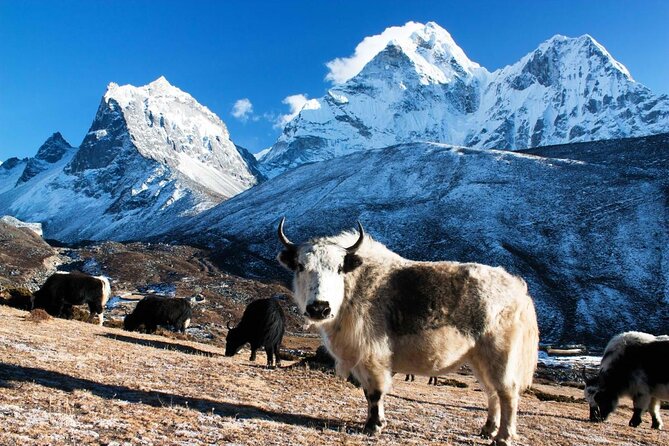
Everest Base Camp is famous for the obvious reasons: the altitude, the scale, the mind-blowing views when the clouds cooperate. But what surprised me, just from how this trek is set up, is how emotional it can feel even before you reach the “final” destination. One day you are hiking through quiet village trails, the next you are walking into a world shaped by mountaineers and weather.
This route also has a built-in reality check. Instead of treating Everest like a straight line, it treats altitude like a process. That shows up in the way you spend extra time at key stops and in how the day pacing is spread out.
More ways to walk to Everest Base Camp:
- Everest Base Camp Trek – 14 Days
★ 5.0 · 1,499 reviews - Everest Base Camp Trek
★ 5.0 · 842 reviews - Everest Base Camp Helicopter Tour landing at Everest View Hotel
★ 5.0 · 668 reviews
Kathmandu pre-trek days: getting ready in the city
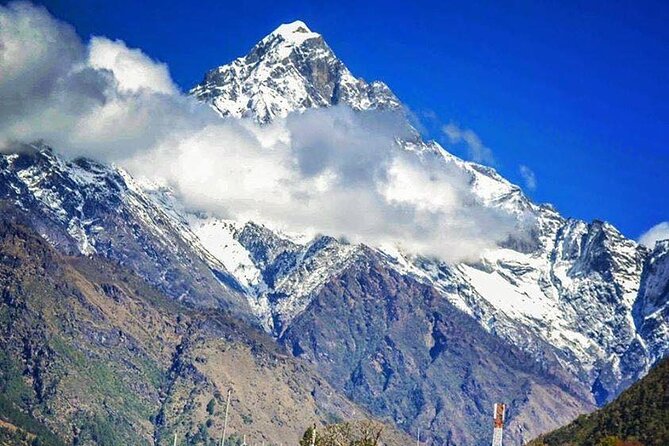
Your trek begins in Kathmandu, with pickup and a transfer to a hotel for two nights. That early planning time is practical, because you will need to organize gear, sort out timing for the Lukla flight, and get used to Kathmandu’s traffic rhythm.
The start point is clearly set at the Alpine Hotel & Apartment area, with an early 6:15 am start time for pickup. That matters because people sometimes underestimate how quickly a mountain trip starts once you are in Nepal. You do not want to be late, especially when the first move is a flight.
If you are coming from abroad, give yourself one simple goal in Kathmandu: sleep. Meals, hydration, and a calm night help you get through the first big altitude change later.
The Lukla flight and your first walking day
On the second day, you fly from Kathmandu to Lukla at roughly 2,840 m. It is a short flight, but it is still your first step into thin-air living, so treat it like day one of the physical part, not just transportation.
After breakfast in Lukla, you trek to Phakding (around 2,610 m). This first segment is valuable because it lets you calibrate. Your body is already reacting to altitude and effort, but the trail is a gentler entry point. You are also getting used to the tea house rhythm: eat when it is time, rest when it is time, and keep your pack weight reasonable.
A small note I really appreciate: the included support includes porter service. That can take the edge off, especially on a long multi-day trek.
Phakding to Namche Bazaar: the climb that teaches patience
The next major hike goes from Phakding to Namche Bazaar at about 3,440 m. Namche is the big hub of the region, where trails open up and the mountain culture gets more obvious. You will feel the altitude in your breathing here, even if the walk is not the longest day.
More to compare around Kathmandu
- Private Kathmandu Sightseeing Tour | UNESCO World Heritage sites
★ 5.0 · 756 reviews - Kathmandu: 7 UNESCO Sites with Lunch
★ 4.8 · 744 reviews - Half day cooking class in Thamel kathmandu
★ 5.0 · 607 reviews - Everest Base Camp Trekking
★ 5.0 · 485 reviews
Namche acclimatization: how you make it to higher altitudes
Day four is an acclimatization day in Namche Bazaar. You get rest time, chilling time, and a chance to explore. This is one of the best values in the whole plan because acclimatization days are where good treks turn into manageable treks.
Think of it like this: the trek is not only about getting higher. It is about getting higher without breaking your pace. If you push too hard early, you pay later with slower days and more fatigue.
In practical terms, use that Namche day to take short walks, eat well, and avoid the temptation to overdo it just because the view looks friendly.
Tengboche to Dingboche: prayer flags, forests, and higher stakes
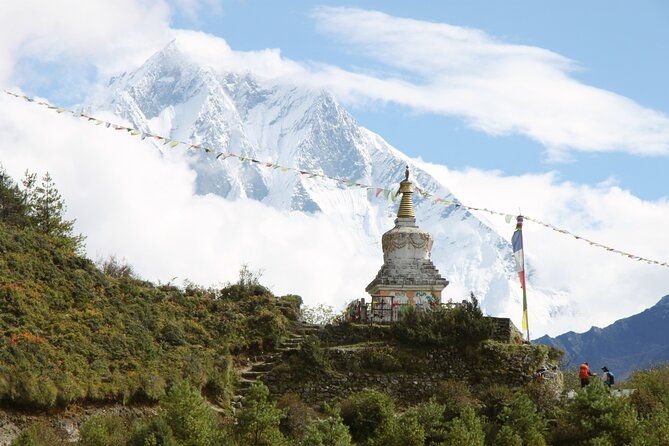
From Namche, you trek to Tengboche at around 3,868 m. That day is memorable for the way the landscape changes as you climb. You also start seeing the cultural side more clearly, not just the mountains. Tengboche is often a mental marker for people on this route, because it feels like the trail is moving deeper into the Everest world.
The following day climbs to Dingboche at about 4,410 m. Then you get another acclimatization day in Dingboche. That second acclimatization stop is a big deal. Altitude gets serious around here, and adding time makes a noticeable difference in how you feel the days after.
This is where the support team and guide matter. A good guide keeps you moving steadily, not heroically. If you are new to trekking or returning after a break, this kind of pacing helps you enjoy the mountain instead of constantly fighting your own lungs.
Dingboche to Lobuche and Gorakshep: entering the high zone
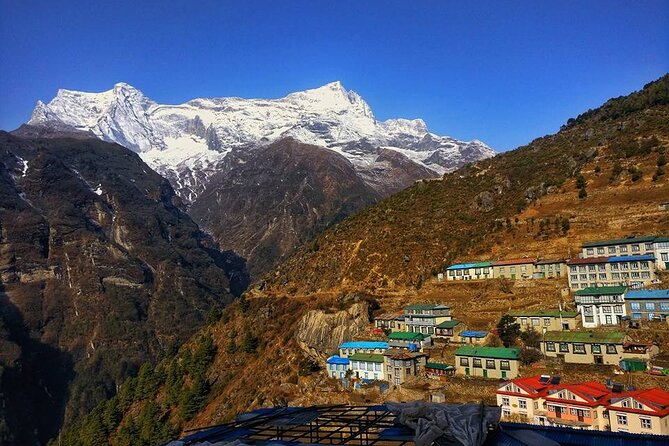
After Dingboche, you continue to Lobuche (about 4,910 m). Then you go further to Gorakshep (around 5,180 m) and on to Everest Base Camp (about 5,364 m), with an overnight in Gorakshep.
This is the stretch where the altitude starts to change the way every small task feels. Walking slower is not a failure, it is a strategy. Keep your steps short, drink water regularly, and follow your guide’s advice about steady effort.
Tea house nights in this zone are basic but functional. You will want to dress in layers, because cold at night is part of the deal above 5,000 m.
The Kala Pattar sunrise morning: the day you remember
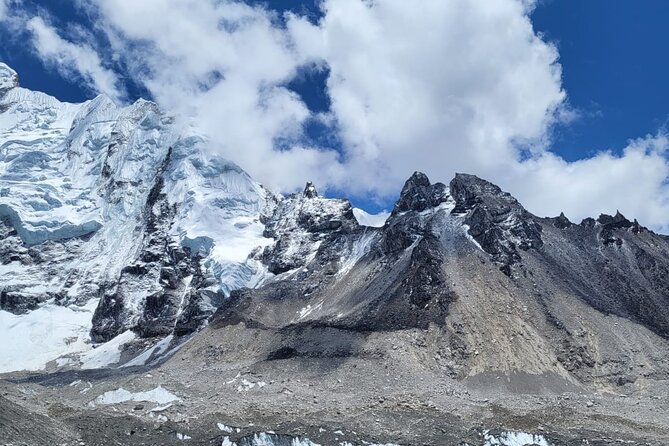
One of the most compelling parts of this trek is the early morning hike up to Kala Pattar (about 5,550 m) for sunrise. Then you return to Gorakshep, eat breakfast, and trek down to Pheriche at around 4,240 m.
Even if you care less about technical mountaineering details, the Kala Pattar viewpoint is the kind of payoff that makes the effort feel worth it. You are looking over the wider range, not just one peak. This day also gives you a mental finish line, because once you have done Kala Pattar, the rest of the trek is about recovery and getting back to lower altitude safely.
And yes, sunrise days can be cold, so warm layers and a calm head matter. If you are the type who gets impatient in the dark, practice patience now. The mountain does not care.
Going back down: Pheriche, Namche, Lukla, Kathmandu
After reaching Pheriche, you head back down toward Namche Bazaar and then to Lukla. The route brings you from Pheriche to Namche Bazaar (down to about 3,440 m), then from Namche down to Lukla (around 2,840 m).
You fly back to Kathmandu on the final trek day, with a morning flight from Lukla to Kathmandu (about 1,336 m). That descent-to-flight sequence is not just convenient. It helps you avoid the frustration of still hiking hard while your body is already tired from the high day.
In Kathmandu, you finish back at the meeting point and can use extra time for shopping or sightseeing if your schedule allows.
What the $2,000 price covers, and where your money goes
For a 14-day Everest Base Camp trek, $2,000 per person is only a good deal if the included items are truly doing the heavy lifting. In this package, a lot is covered.
Here is what stands out as real value:
- Domestic flights round trip between Kathmandu and Lukla, plus airport tax handling.
- Everest National Park entry permits and a TIMS card.
- Tea house accommodation during the trek.
- An English-speaking guide and porter support, plus staff medicine and a medical kit.
- Two nights in Kathmandu at a hotel.
- Meals during the trek, with breakfast, lunch, and dinner counts listed.
- Support extras like a duffel bag and a t-shirt, plus small snack items during the trek.
What is not included is also clear, and it matters for budgeting:
- Your Nepal visa fee and international airfare.
- Personal equipment.
- Tips for guide and porter, which are expected.
- Personal expenses like alcohol, cold drinks, and things like battery charging or hot shower water.
My take: if you would otherwise pay separately for guide, permits, and domestic flights, you are not just paying for walking. You are paying to have the trip run end-to-end. That tends to be worth it if you want fewer moving parts.
Guide and porter support: how it shows up in real life
This trek is not just about the scenery. It is about decisions day to day, like how hard to push and when to rest. Strong guide work matters, especially around the higher sections.
From the names tied to guides and support roles, you may encounter people such as Nick, Tenjing, Lopsang, Pramish, and Unish in different contexts. Across the board, the consistent theme is professional handling, clear communication, and genuine care.
One practical point: porter service is included on a basic ratio of 1 porter between 2 people. If you are traveling with a friend, that can keep your own pack manageable and reduce strain on your knees and lower back. It also helps you maintain steadier pacing when the days get long.
Tea houses and food: simple, but plan like a realist
Tea houses are included, which means you are not sleeping in a tent you have to manage at altitude. That is a huge energy saver. The trade-off is that facilities are basic. The mountain does not provide luxury on this route.
Food is included during the trek with specified counts, so you are not completely on your own for meals. Still, you should treat hydration like part of your job. In high altitude treks, dehydration can sneak up because the air feels drier and your body is working harder.
Also remember: in cold zones, your appetite may change. Eat what you can, and keep it simple. Your guide can help you decide what to prioritize on the days you feel lower energy.
Packing and health basics (no drama, just smart)
The trek has a moderate fitness requirement, but altitude adds a second difficulty layer. Start training early if you can, especially with consistent walking and some stair or incline work.
For health, plan like someone who wants to prevent problems rather than solve them after they appear. Bring:
- Warm layers for nights and early mornings
- A rain layer or shell if weather turns
- Gloves and a hat for cold upper days
- Simple, comfortable trekking shoes with broken-in soles
The package includes medicine for staff, plus a medical kit and trip certificate, but you should still consider your own travel insurance and personal medical planning. Your own health gear is on you, since personal equipment is not included.
Should you book this Everest Base Camp trek?
Book it if you want a well-run, end-to-end trek with domestic flights, permits, tea house lodging, meals, and clear altitude pacing. You will likely enjoy it most if you value organization and want the confidence of a guide and porter support system.
Skip it or look for an alternative plan if you hate weather-related uncertainty. This experience requires good weather, and flights can be affected by conditions. If that would stress you out, build in flexibility and keep your expectations realistic.
If you are a first-time trekker, older (the trek can still be done with the right pace), or returning after time off, the acclimatization structure and included support make this a strong choice.
FAQ
What is the start time and meeting point in Kathmandu?
The start time is 6:15 am, and the meeting point is Alpine Hotel & Apartment, P896+27V Opp Manang Hotel, Chaksibari Marg, Kathmandu 44600, Nepal.
Is airport pickup and drop-off included?
Yes. Airport pickup and drop by private car, van, or bus is included, along with airport transfers and local government taxes.
What is included during the trek?
Tea house accommodation during the trek is included, along with an English speaking guide, porter service, and meals (breakfast, lunch, and dinner counts are listed). Permits are also included, including Everest National park entry permits and a TIMS card.
What is not included in the tour price?
The price does not include Nepal entry visa fee, international airfare, personal equipment, tips for guide and porter, and personal expenses like alcoholic beverages, hot showers, cold drinks, hot water, battery charge, and donations.
What is the highest altitude on this trek?
The highest point listed is Kala Pattar at about 5,550 m. Everest Base Camp is listed at about 5,364 m.
Is this a private tour?
Yes. It is a private tour or activity, and only your group participates.
What is the cancellation policy?
You can cancel up to 24 hours in advance for a full refund. Within 24 hours, there is no refund. The experience also requires good weather, and if it is canceled due to poor weather, you will be offered a different date or a full refund.
Latest Kathmandu write-ups
- Langtang Valley Trek★ 5.0 · 3 reviews
- Khopra Danda Trek★ 5.0 · 3 reviews
- Langtang Valley Trek from Kathmandu★ 5.0 · 3 reviews
- 5 night / 6 days Kathmandu Nagarkot Chitwan Pokhara tour★ 5.0 · 3 reviews
- Nepal Highlights Tour: 5 Nights 6 Days Kathmandu & Pokhara Tour★ 5.0 · 3 reviews
- Kathmandu Valley Private Day Tour★ 5.0 · 3 reviews
- Kathmandu Heritage Day Tour★ 5.0 · 3 reviews
- Conquer the Himalayas: The Ultimate 16-Day Annapurna Circuit Trek★ 3.5 · 3 reviews
Everest Base Camp Trek, compared.



Everest Base Camp Helicopter Tour landing at Everest View Hotel
Read our review →


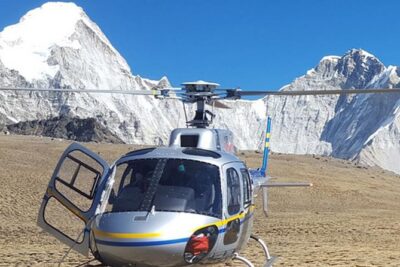
Everest Base Camp Helicopter Tour landing at Hotel Everest View
Read our review →
Browse the lists this tour appears in