
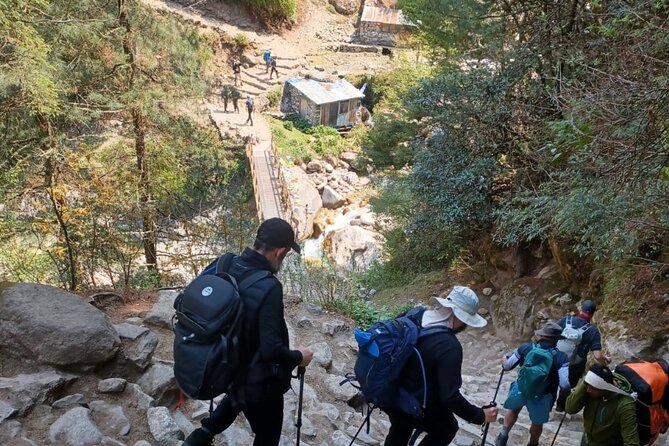
Reviewed · EVEREST BASE CAMP TREK
14 days Everest Base Camp Trek
Everest Base Camp is interesting for one simple reason, it is brutally real: altitude, time on your feet, and views that feel too big for your camera. I like how this trek pairs classic Khumbu village walking with two big altitude milestones, Everest Base Camp at 5,316 m and Kala Patthar at 5,545 m.
I also like that the trip feels supported end-to-end, not just at the start. You have private airport transfers in Kathmandu, domestic flights included, and an experienced government licensed trekking guide, plus team support that shows up in the reviews with names like Shishir and guides such as Ghaman and Lok. One drawback to consider is practical, the Lukla flight can involve a weather-driven reroute via Ramechhap in peak seasons, and flight issues or natural conditions are not covered.
Key things that make this Everest Base Camp trek worth your attention
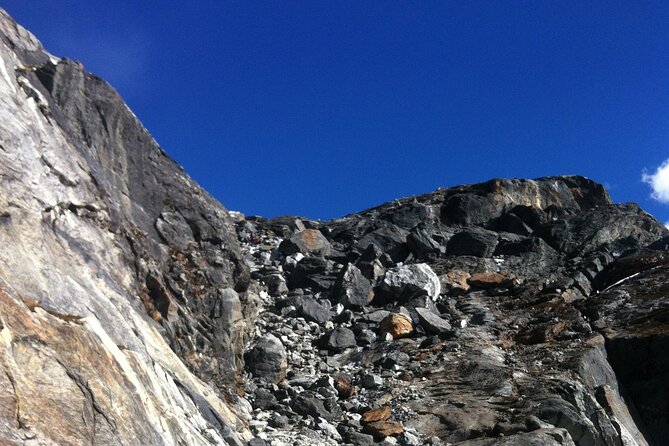
- Kala Patthar sunrise climb: early start with headlamps and a huge panoramic reward
- Tea-house style trekking: twin sharing stays in basic lodges across the route
- Careful pacing with acclimatization day: a planned rest day around Dingboche
- Iconic Khumbu landmarks: Namche, Tengboche monastery area, Gorakshep, base camp
- Sherpa culture on the trail: prayer wheels, monastery stops, and national park context
- Human support that gets praised: strong responsiveness credited to Shishir, plus guides like Lok and Ghaman
Kathmandu to Lukla flights: the part you should plan your way through
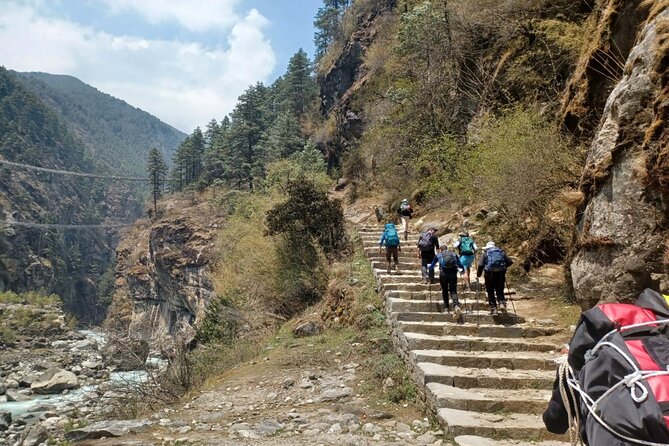
Your trek starts in Kathmandu with a straightforward setup. When you land at Kathmandu International Airport, a team member meets you at the exit gate and transfers you to your hotel. The guide briefing comes the evening before your flight, and you also get a welcome dinner at a reputable restaurant, then it is back to sleep because the next day starts early.
Day 2 is all about getting up into the Khumbu region. You fly from Kathmandu to Lukla, and if you are traveling during peak trekking seasons like spring and autumn, the itinerary notes you may need to fly from Ramechhap instead. In that case, you get a private vehicle transfer to Ramechhap for about a four-hour drive before catching the Lukla flight.
This matters because Lukla logistics are a real factor on Everest treks. Even when you have everything prepared, flight timing and weather can influence your start, and planning time buffer in your overall Nepal schedule is smart. Also note the trip price includes the domestic flights and taxes, so you are not getting a “cheap trek” that later charges you for air.
More ways to walk to Everest Base Camp:
- Everest Base Camp Trek – 14 Days
★ 5.0 · 1,499 reviews - Everest Base Camp Trek
★ 5.0 · 842 reviews - Everest Base Camp Helicopter Tour landing at Everest View Hotel
★ 5.0 · 668 reviews
Phakding and the Dudh Koshi River trail: warm-up miles with a view payoff
After landing in Lukla, you head straight into trekking mode with breakfast and then hike toward Phakding. The route tracks along the Dudh Koshi River and passes villages like Cheplung and Ghat, with a suspension bridge crossing included on the way. It is not the toughest day, but it gives you the rhythm you need: walking, stopping, moving again.
Phakding is one of those practical stops that helps you settle in. You get tea-house style lodging for the night, so you can practice the simple routine you will keep using for the next two weeks: eat, warm up, sleep, and do it all again. Expect that your body will feel “fine” early on, then gradually start to notice altitude in bigger steps as you go higher.
This is also a good time to get your gear routine dialed. The trekking package offers a down jacket, sleeping bag, and duffel bag on request, which should reduce what you carry on your flights. Still, you will want your daily items organized so you are not digging for basics in cold air.
Namche Bazaar arrival: the market stop and first real altitude check
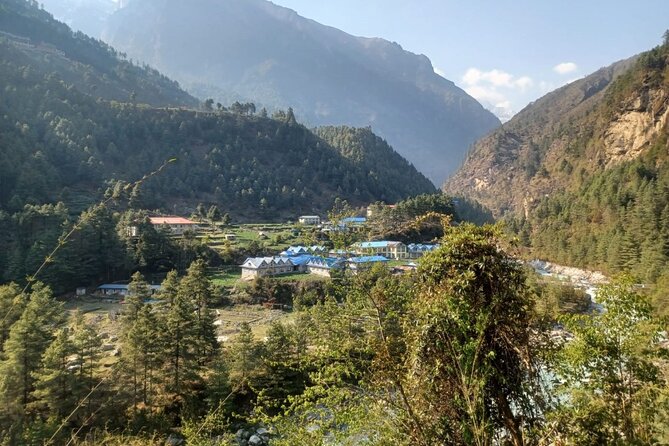
Day 3 takes you toward Namche Bazaar, with the route continuing alongside the river and crossing into Sagarmatha National Park in the Khumbu area. You hike through places like Benkar and Jorsalle and then arrive at Namche after a less steep ascent.
Namche Bazaar is the trek’s first “big” hub. You see Everest for the first time clearly enough to feel it, and you also get your first proper dose of mountain life. The tea-house lodging is part of the experience, not just a place to sleep, because it shows you how people live and work at altitude.
One practical plus here is you are not rushed into the hardest elevation right away. You get to settle in and eat well, then tomorrow brings a viewpoint hike that helps you see the mountain cluster in detail.
Everest View Hotel day: views, photos, and a Sherpa culture option
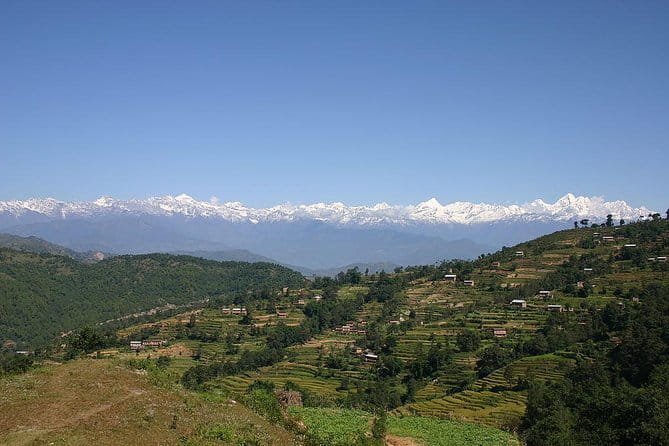
Day 4 includes a hike to Everest View Hotel, at the highest elevation point in this segment. The itinerary also calls out a Namche market stop for photos and general browsing, so you are not only moving uphill, you are also getting a sense of the community.
From Everest View Hotel, you can expect iconic views of Mount Everest plus peaks like Ama Dablam, Lhotse, and Nuptse. If you want more than scenery, the route also offers an optional stop at the Sagarmatha National Park museum, which adds Sherpa history and context to what you are walking toward.
Then you go back down to Namche for dinner and sleep. That pattern matters, viewpoint up, lodge down. It is a good way to manage your energy while still getting those signature “I cannot believe I’m here” moments.
More to compare around Kathmandu
- Private Kathmandu Sightseeing Tour | UNESCO World Heritage sites
★ 5.0 · 756 reviews - Kathmandu: 7 UNESCO Sites with Lunch
★ 4.8 · 744 reviews - Half day cooking class in Thamel kathmandu
★ 5.0 · 607 reviews - Everest Base Camp Trekking
★ 5.0 · 485 reviews
Tengboche monastery and the rhododendron forests of Khumbu
On Day 5, you leave Namche and climb toward Tengboche. The hike includes a crossing over the Imja Khola and a stop around Phungithanga, a Sherpa village known for colorful prayer wheels. As you rise, rhododendron forests show up along the trail, which can make the walking feel less like pure uphill fatigue and more like a route with texture.
You eventually reach the flatter area around the monastery grounds, and that is where the views hit hard. The itinerary specifically highlights views of Everest plus Nuptse, Lhotse, Thamserku, and Ama Dablam. This is the kind of stop where you slow down without realizing you are slowing down.
Practical note: monastery areas can be cold and weather-sensitive. You will be doing a lot of stops with minimal cover, so plan for cold hands and expect you will want to keep moving when the wind picks up.
Dingboche and the valley feel above the trees
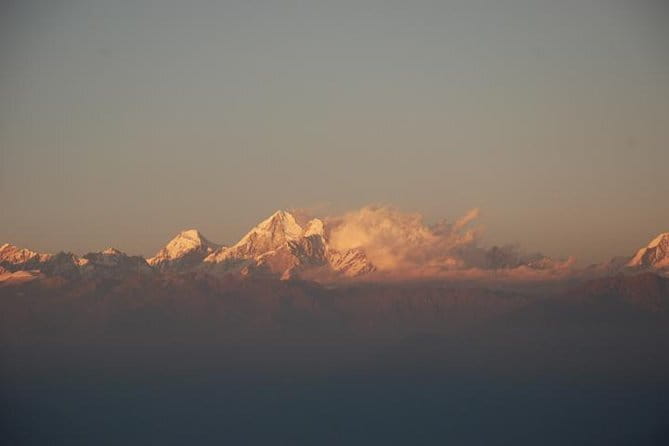
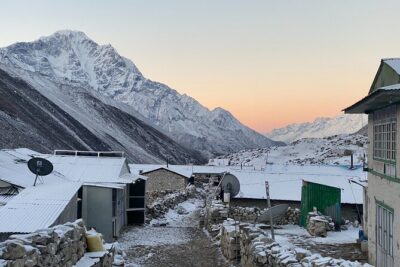
Day 6 continues the gradual lift into higher villages, arriving in Dingboche after passing Deboche, crossing rope bridges, and reaching Pangboche with Mani walls along the way. Dingboche is often where Everest trekkers feel the “above the trees” shift more clearly, and the views open up toward peaks such as Lhotse, Island Peak, and Ama Dablam.
This is also an important night for mental balance. You are still trekking, but the lodge routine, high-altitude air, and wide scenery can make you feel both energized and tired. A well-run guide makes a difference here, not because they can change altitude, but because they keep your pace sensible.
Then Day 7 gives you something that many rushed itineraries skip: a planned acclimatization day.
Acclimatization in Dingboche: the Nangkartshang hill day that actually helps
Day 7 is dedicated to acclimatization. You get a mostly lighter day, with a steep climb toward Nangkartshang Hill for big views. The itinerary mentions Makalu and Amphu Laptse in the panorama, which gives you a broader Himalayan picture beyond the Everest trio.
You also get a cultural option with a visit to the Nangkartshang monastery. After that, you return to Dingboche for dinner and sleep, ready for the more exposed stretch ahead.
Why this day is valuable: altitude does not care about your ambition. This trek’s schedule uses the usual logic of giving your body time to adjust before you go higher. You should treat this acclimatization day as part of the trek, not a bonus.
Lobuche and Thukla Pass: serious terrain with a human reminder
Day 8 moves toward Lobuche, including a downhill stretch followed by an uphill climb. You pass through Dughla, then cross Thukla Pass, which is marked by memorials for climbers who died in the mountains. That detail changes the mood of the day, because it turns your mind toward the risks you are taking with every step.
The path after the pass becomes rocky and narrow as you approach Lobuche. This is where trekking can feel more like careful foot placement than scenic wandering.
Lobuche itself is a hard place in a hard environment, but it is also a staging point. You are building toward Gorakshep and then Everest Base Camp, so this night matters for sleep and energy, not just convenience.
Gorakshep and Everest Base Camp: dawn start and the Icefall reality
Day 9 is the big signature day. You start at dawn, hike north from Lobuche, and cross sections of glacier terrain as you move toward Gorakshep, the high base of this area. After breakfast in Gorakshep, you continue to Everest Base Camp.
The itinerary highlights views of the Khumbu Icefall along the way, plus peaks like Nuptse, Pumori, and Khumbutse once you reach base camp. This is the moment where Everest stops being a photo and becomes a physical system of ice, wind, and movement.
One thing I appreciate about this part of the plan is the pacing. Starting early reduces the time you spend exhausted in cold conditions, and it gives you a better shot at calm weather for photos and time at base camp.
Kala Patthar at 5,545 m: the sunrise climb that earns its hype
If Everest Base Camp is the destination, Kala Patthar is the earned view. Day 10 is the early climb, and the itinerary notes you start with headlamps for visibility. The climb typically takes about two to three hours, ending with sunrise views over Everest.
Kala Patthar rewards you with a panorama described in the itinerary as views of Nuptse, Pumori, and Ama Dablam along with surrounding peaks. Then you descend back to base camp for a hot meal.
This is also where you should be honest with yourself. Cold air, fatigue, and altitude make even “two to three hours” feel like forever. If you have any symptoms that worry you, this is not a day to push blindly. A good guide should keep an eye on how you are doing, not just how fast you climb.
The descent: Namche again, then Lukla, then a hot shower
Day 11 starts the return. The itinerary calls it easier because it is mostly downhill, passing back through Dingboche and Tengboche on the way to Namche. You still work for your miles, but the reduction in uphill effort makes a huge difference in how your legs feel.
The plan includes one more night in Namche, giving you time to enjoy the Sherpa community atmosphere one more time before you go back toward Lukla.
Day 12 brings the trek to Lukla, including a lunch break in Phakding. You cross the Bhote Koshi and Dudh Koshi river areas as you descend. Then you settle back in Lukla and can explore a bit, maybe pick up souvenirs, and rest.
Day 13 is your flight day back to Kathmandu, with about a 30-minute domestic flight time noted. Day 14 handles the international departure with a hotel pickup and airport transfer.
What you actually pay for: value in flights, permits, meals, and gear
At $1,499 per person for a roughly 14-day trek, the price can feel steep until you look at what is included. You get Kathmandu hotel accommodation in a 3-star category property with breakfast. You also get Kathmandu to Lukla and back flights, including taxes, which is usually a big cost in Everest itineraries.
On top of that, the package includes required national park and local entry permits, plus full board meals on the trek as listed in the itinerary. It also includes twin sharing tea-house lodging along the route.
Then there is the practical “less stress” factor: an experienced government licensed trekking guide with meals, accommodation, and insurance. The tour also provides down jacket, sleeping bag, and duffel bags on request, which can reduce what you need to pack or rent elsewhere.
What is not included is also important for budgeting. Personal expenses, hot and cold drinks, WiFi or charging, and battery charging are extra. Tipping for guides and porters is also not included, and on Everest that is a real, expected part of the ecosystem.
If you want value, the strongest sign here is that the big moving parts are covered: flights, permits, guide support, meals, and key camping-free lodging. If you tried to piece that together yourself, you might save money, but you would also lose a lot of certainty around logistics.
Support on the trail: Shishir, Lok, Ghaman, and porter teamwork
The reviews included names you can hold onto when you decide. Shishir is described as responsive and easy to reach, with quick resolution if setbacks arise. That kind of communication matters because Everest treks run on conditions, and you do not want uncertainty lingering.
On the trekking side, guides named Lok and Ghaman get highlighted for professionalism, attentiveness, and mountain knowledge. Porters such as Santha, and in other Everest-related treks mentioned, people like Rai also appear in the feedback.
What you should take from that without overreading it: the operator seems to staff the trek with an actual working team, not just a last-minute local hire. On a route like Everest Base Camp, where you are doing multiple long days and living at altitude, steady guidance reduces avoidable mistakes.
Who this Everest Base Camp trek fits best
This trek is for you if you have moderate physical fitness and you are willing to hike daily at altitude. You should also be comfortable with tea-house trekking, because that is the lodging style used throughout the route.
It is also a good match for people who want a private tour experience where your group participates together, not a free-for-all with strangers. The package notes service animals are allowed, and there is pickup offered in Kathmandu by private vehicle as per the itinerary.
If you have a low tolerance for cold, very long trekking days, or you are sensitive to altitude changes, it may be worth talking to your doctor first and choosing a pace with more flexibility. The itinerary includes acclimatization in Dingboche, which helps, but Everest still asks for respect.
Should you book this 14-day Everest Base Camp trek?
I think you should book this trek if you want a classic Everest Base Camp route with Kala Patthar sunrise, plus you care about solid logistics and a guide who is reachable and attentive. The inclusions are strong for the price: flights, permits, full meals, tea-house lodging, and high-value gear support like sleeping bag and down jacket on request.
You should reconsider if you know you are highly sensitive to flight disruptions, because the plan depends on getting to Lukla, sometimes via Ramechhap. And because tips and personal expenses are extra, make sure your budget matches the reality of two full weeks in the mountains.
If your goal is to walk the Khumbu towns, reach base camp, and earn that Kala Patthar view with a team that communicates well, this itinerary is a solid bet.
FAQ
What is the duration and starting location for this Everest Base Camp trek?
The trek is listed as approximately 14 days, and it starts in Kathmandu, Nepal.
What is included in the price?
The package price includes airport transfers in Kathmandu, Kathmandu-Lukla-Kathmandu domestic flights with taxes, Kathmandu hotel (3-star category with breakfast), national park and local entry permits, full-board meals on the trek, tea-house twin sharing accommodation, a government licensed trekking guide, and on request gear like a down jacket, sleeping bag, and duffel bag.
What is the altitude of Everest Base Camp and Kala Patthar?
Everest Base Camp is described at 5,316 meters above sea level, and Kala Patthar is described at 5,545 meters.
Do you include meals and lodging during the trek?
Yes. The itinerary states meals on full board as mentioned in the itinerary, and you stay in tea houses with twin sharing accommodation while trekking.
Is the Lukla flight always from Kathmandu to Lukla?
The itinerary says you fly Kathmandu to Lukla, but in peak trekking seasons like spring and autumn you may need to fly from Ramechhap, including a private vehicle drive to reach Ramechhap.
Do I need a certain fitness level?
The provided info says travelers should have a moderate physical fitness level.
How much time do I have to cancel for a full refund?
You can cancel up to 3 days in advance of the experience for a full refund, as long as you cancel at least 3 full days before the experience start time. If you cancel less than 3 days before, the amount paid will not be refunded.
Latest Kathmandu write-ups
- Langtang Valley Trek★ 5.0 · 3 reviews
- Khopra Danda Trek★ 5.0 · 3 reviews
- Langtang Valley Trek from Kathmandu★ 5.0 · 3 reviews
- 5 night / 6 days Kathmandu Nagarkot Chitwan Pokhara tour★ 5.0 · 3 reviews
- Nepal Highlights Tour: 5 Nights 6 Days Kathmandu & Pokhara Tour★ 5.0 · 3 reviews
- Kathmandu Valley Private Day Tour★ 5.0 · 3 reviews
- Kathmandu Heritage Day Tour★ 5.0 · 3 reviews
- Conquer the Himalayas: The Ultimate 16-Day Annapurna Circuit Trek★ 3.5 · 3 reviews
Everest Base Camp Trek, compared.

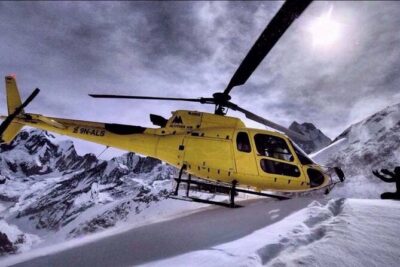
Everest Base Camp Helicopter Tour landing at Everest View Hotel
Read our review →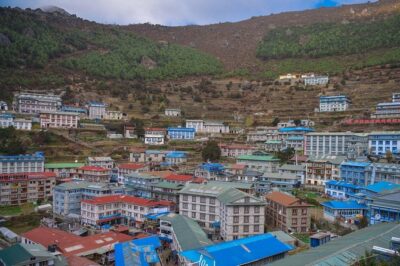
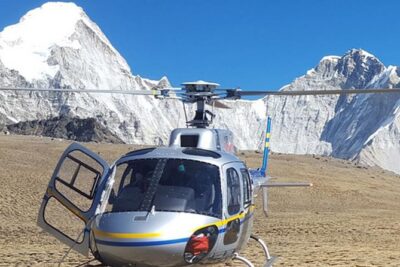
Everest Base Camp Helicopter Tour landing at Hotel Everest View
Read our review →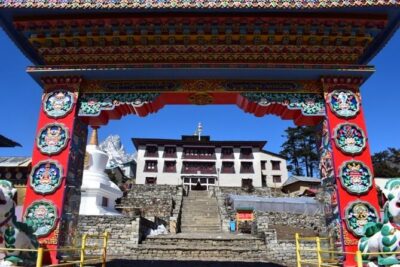
Browse the lists this tour appears in