
Reviewed · EVEREST BASE CAMP TREK
Everest Base Camp Trek – 15 Days
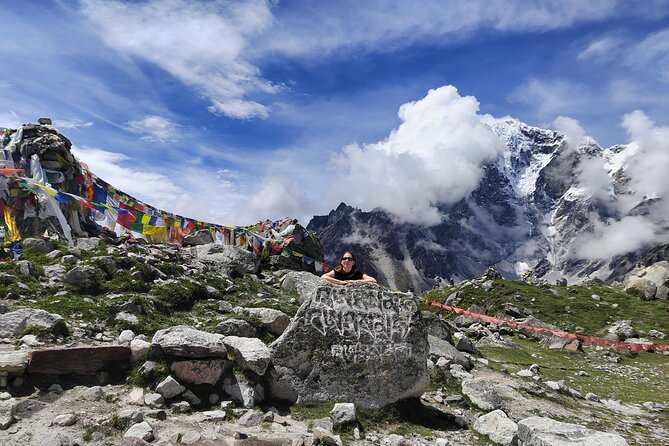
Everest Base Camp is interesting because it is not just about the final photo. It is about the slow grind upward, the changing mountain views, and the way acclimatization days actually matter. I love that this trip is well-structured for altitude with planned rest and climb patterns, and I also love the balance of Kathmandu comfort plus tea house trekking in the Everest region. One thing to consider is that the Lukla flight can be weather-sensitive, so your schedule may feel a bit tense around the airport days.
A big highlight is how the route threads through classic Everest checkpoints like Namche Bazaar, Tengboche Monastery, and the Everest Base Camp and Kala Patthar viewpoints. In the reviews, guides like Padam, Phadam, and Pralad Simkhada get praised for staying organized and in a good mood, and that kind of support matters when you are tired and breathing hard. If you do not enjoy early starts and long days on uneven paths, this may feel more like a climb than a stroll.
Key Things I’d Bet You’ll Notice on This Trek
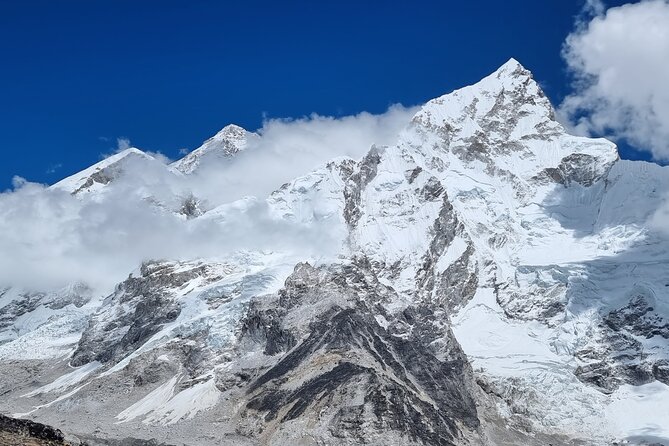
- Acclimatization built in, including extra time around Namche Bazaar and Dingboche so your body has a chance to adjust.
- Kala Patthar sunrise on the itinerary, which is where many people go to squeeze out the clearest Everest drama.
- Tea house lodge rhythm with included meals, so you are not constantly figuring out where to eat after hiking.
- Route variety from river valleys to rhododendron forests to rockier glacier paths near Gorakshep.
- Small group feel with a stated maximum of 15 travelers, plus a porter ratio of 1 porter for every 2 clients.
Kathmandu First, Then Right Into the Mountains
Your trip starts in Kathmandu with an airport pickup, then a transfer to a 3-star hotel in Thamel, with options like Thamel Eco Resort or The Address Kathmandu Hotel. The Thamel base is practical, because you can grab supplies, sort out last-minute gear, and stay close to restaurants and shops before the trek begins.
Day 1 is essentially a reset. You land at Tribhuvan International Airport, meet the representative, and sleep in a proper bed instead of scrambling for logistics. That matters because Everest treks are not just “walk and stop for pictures.” You need energy for long hike days after a flight and a busy morning.
On Day 13 and Day 14, you get time back in Kathmandu for shopping and sightseeing, plus a farewell dinner at a typical Nepali restaurant in Bhojan Ghar. That is a nice payoff when you finally return from the trail.
More ways to walk to Everest Base Camp:
- Everest Base Camp Trek – 14 Days
★ 5.0 · 1,499 reviews - Everest Base Camp Trek
★ 5.0 · 842 reviews - Everest Base Camp Helicopter Tour landing at Everest View Hotel
★ 5.0 · 668 reviews
What this means for you
If you hate travel stress, you will appreciate how Kathmandu is handled cleanly with accommodation and transfers already arranged. It is a relief to know you are not trying to solve airport-to-hotel and hotel-to-activities on your own right before a high-altitude trek.
The Lukla Flight Reality Check
The trek kicks off with the morning flight from Kathmandu to Lukla (2,886m), then you continue walking toward Phakding. The timing is key, because the start time is stated as 6:15 am, so plan for an early morning mindset.
Lukla is famous for operational challenges tied to mountain weather. Even if everything goes right, the day still feels like a transition from city to wilderness. One review you provided called out the flight as the most dangerous flight in the world. I would phrase it more gently: it can feel intense, and you should approach it with respect. The good news is your operator includes the Kathmandu-Lukla-Kathmandu airfare for this sector, plus airport departure tax, so you are not hunting down tickets or paying extra surprises for domestic travel.
How to prepare mentally
Bring a calm attitude for the flight day. Focus on what you can control: hydrated body, warm layers, and a clear routine for the trek start. Once you are walking, the rhythm takes over.
More to compare around Kathmandu
- Private Kathmandu Sightseeing Tour | UNESCO World Heritage sites
★ 5.0 · 756 reviews - Kathmandu: 7 UNESCO Sites with Lunch
★ 4.8 · 744 reviews - Half day cooking class in Thamel kathmandu
★ 5.0 · 607 reviews - Everest Base Camp Trekking
★ 5.0 · 485 reviews
Following the Dudh Koshi Into Phakding
On Day 2, after landing in Lukla, you get refreshed at a hotel in town and then trek to Phakding (2,640m). The route follows the Dudh Koshi River with a gentle climb on the left bank. You are not climbing steep walls on this first hiking day, which is exactly what you want right after a flight.
The scenery here is classic Everest-region: river valley views, villages, and mountain faces showing up gradually. There is also an immediate sense of place, because Nupla (5,885m) is mentioned as visible across the opposite bank. Those “first glimpses” help your brain understand what you are working toward.
Tea house lodge expectations
This is a lodge-to-lodge trek. That means you will spend your nights in tea houses, typically with basic rooms and shared dining spaces. On the first night you stay in a tea house lodge in Phakding.
Namche Bazaar: Your Altitude Checkpoint With Culture
Day 3 takes you to Namche Bazaar (3,440m), about a 6-hour trek. The trail parallels the Dudh Koshi on the right bank, then climbs up out of river terrain, crosses streams, and passes through places like Monjo, with the Sagarmatha National Park service area and a park entrance fee you deposit.
Day 4 is a rest and acclimatization day in Namche Bazaar. This is one of the most valuable parts of the whole schedule, because altitude is not just a number. It is how your body feels. The plan includes a climb to the Khumjung monastery and a return to Namche, plus time to visit a museum just above town showing Sherpa culture.
Day 4 also signals something practical: you are not spending every day grinding upward. You are mixing movement with rest. That is how you give yourself a better shot at feeling steady later on.
What I like about this Namche approach
Namche is not only altitude insurance. It is also where you see Everest culture clearly, including views of Everest and key neighbors such as Ama Dablam, Thamserku, Nuptse, Lhotse, Tawche, and Kwangde from the Khumjung area.
Tengboche Monastery: Where the Views Feel Personal
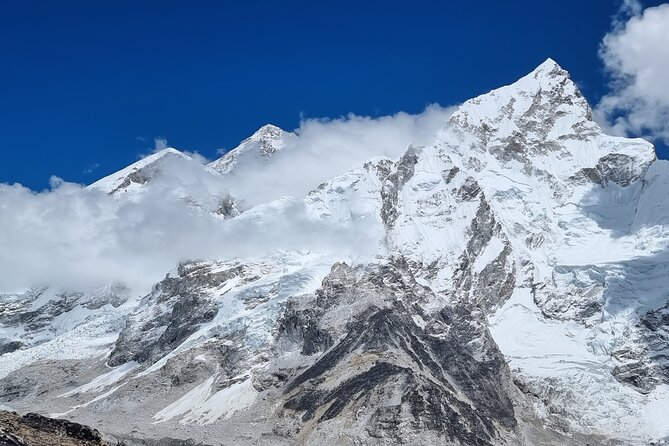
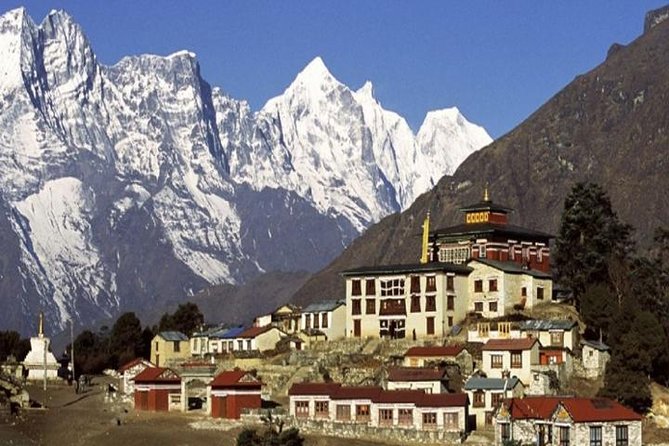
On Day 5 you move to Tyangboche (3,867m). The trek is around 5 hours and includes a section with panoramic Everest-region views, including Ama Dablam, Everest, Lhotse, Nuptse, and Tawoche. You also visit key spots along the way such as Trashinga and Phunki Tenga, then arrive at Tyangboche for the overnight.
Tyangboche is known in this itinerary for sunrise and sunset viewpoints on Everest and Ama Dablam. That is not a guarantee of perfect weather, but it is a smart place to position yourself for clearer skies.
The monastery visit is more than a stop
Tengboche and the monastery setting give you context. When you are tired from hiking, having a calm cultural anchor can break the monotony of altitude fatigue. It also helps you slow down long enough to really notice the mountain scale.
Dingboche: A Second Acclimatization Day That Matters
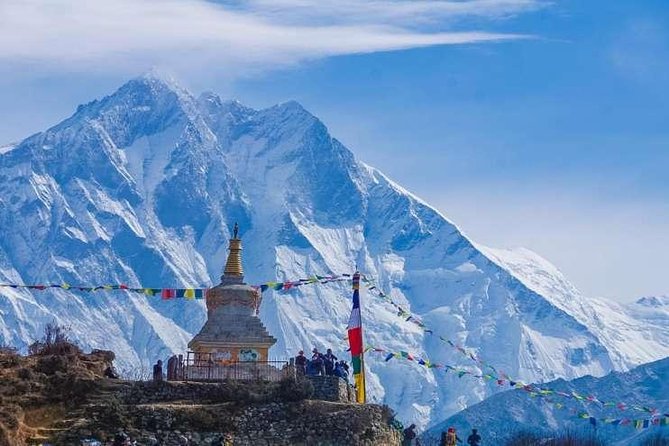
Day 6 trek is from Tyangboche to Dingboche (4,260m), about 5 hours. You drop through a rhododendron forest to Deboche, cross suspension bridges over Imja Khola, and pass through valleys beneath big peaks like Ama Dablam, Nuptse, and Lhotse. Then you reach Dingboche for the tea house lodge night.
Day 7 repeats Dingboche as another acclimatization day, again reinforcing that the schedule is built for your body, not just your ambition. You hike around the village and include an option to climb up to Chhukum for bigger views, then return for rest.
Why I think this is a smart plan
The itinerary gives you time to adjust before pushing toward higher, more demanding sections. That makes later days feel less like a shock. It also likely helps you sleep better in the higher camps later.
Lobuche and the Approach Toward the Base Camp Area
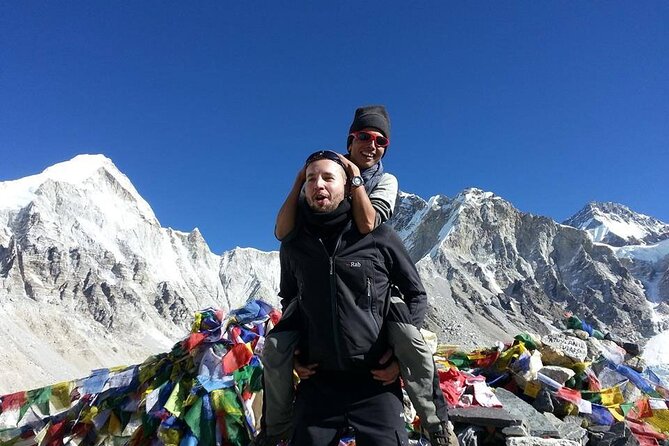
Day 8 takes you to Lobuche, starting with a gentle climb to Pheriche and continuing to Dugla (4,595m) for lunch before reaching Lobuche. This day is about 5 hours, and you get a strong wall of views mentioned in the plan, including Tawache, Ama Dablam, Pokalde, Kongma-tse, and the great wall of Nuptse.
By the time you are in Lobuche, the air usually feels sharper. The terrain starts shifting from smooth “valley hiking” to the more rugged edges of the Everest Base Camp approach.
Practical note
Tea houses still provide meals, but pack for chillier evenings. You will want layers that dry easily after a day of hiking.
Everest Base Camp and Gorakshep: The Reward Section
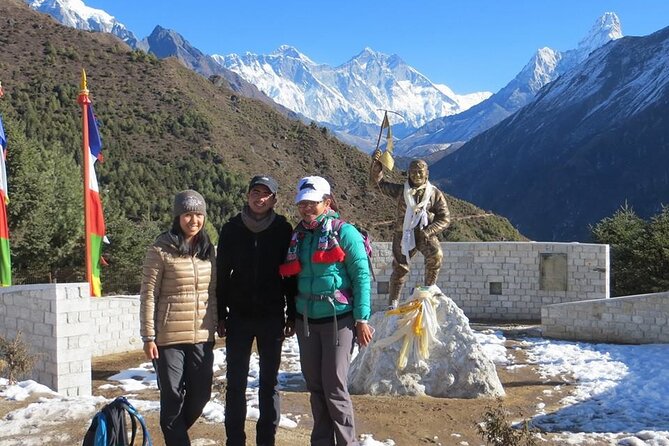
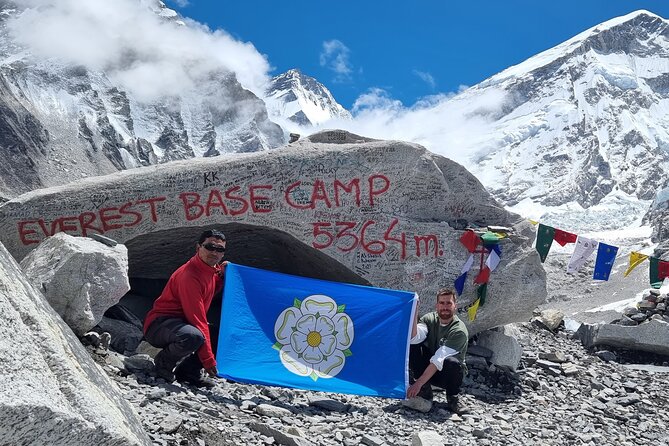
Day 9 is the big transition day toward Everest Base Camp via Gorakshep. After breakfast in Lobuche, you hike to Gorakshep (around 5,140m) and continue to Everest Base Camp, then return to Gorakshep. The itinerary calls for a long day, around 8 hours, and highlights rocky paths and Khumbu glacier terrain.
This is the section people remember because it compresses everything you worked for into a few hours. The view angles shift, and you get that sense of scale where the mountains stop looking like pictures and start looking like physical objects.
What to do at Base Camp
Walk in, take time to orient, then explore without rushing. You do not want to burn energy that you will later need for the return walk to Gorakshep. In these high places, your pace matters.
Kala Patthar Sunrise: The One You Plan For
Day 10 is a high-altitude hit: trek to Kala Patthar (5,545m) and then to Pheriche (4,243m), starting early for sunrise. The itinerary describes waking for the climb and enjoying sunrise views, with Everest, Pumori, Lingtren, Khumbetse, Nuptse, Lhotse, Ama Dablam, and Thamserku listed from Kala Patthar.
Your reward here is not just Everest. It is the layered skyline, with multiple peaks stacked across valleys.
The day also includes a practical health element: the Himalayan Rescue Association Aid Post is available at Pheriche, with foreign volunteer doctors providing medical treatment. That is reassuring for you to know, even though you should still take altitude and hydration seriously.
How to think about the sunrise climb
Go steady. Cold can drain energy fast. Your guide will help with pacing, and this is where having an experienced, calm person in your corner pays off.
The Return Route Back to Namche and Lukla
Day 11 brings you back to Namche Bazaar from the Tyangboche area, again about 7 hours. The plan includes visits to traditional villages like Khumjung and Khunde, and even a monastery that has a Yeti scalp. Then you reach Namche in the late afternoon and rest in a tea house.
Day 12 is the walk back to Lukla, with about 7 hours and lunch served en route. This is your “last hiking day” mindset. It is also an important morale day, because you finally feel the finish line without the stress of planning the next climb.
When you arrive in Lukla, you refresh and rest.
Back to Kathmandu, Then Real Life Again
Day 13 is the early fly from Lukla to Kathmandu, then transfer to the same style of 3-star hotel in Thamel. In the afternoon, there is time for shopping and a farewell dinner at Bhojan Ghar.
Day 14 is a flexible day: rest or shopping, plus options like Monkey Temple, Patan Durbar Square, Boudhanath Stupa, and Pashupatinath Hindu Temple. These are classic Kathmandu anchors, and the itinerary gives you room to pick what you actually want rather than forcing every stop.
Day 15 ends with breakfast and then a private car drop to the airport.
What this flow does for you
It avoids the common trap of immediately flying home right after your hardest altitude day. You get time to sleep well, eat normally, and reset your body.
Guides, Porter Support, and Group Size: The Real Value Stuff
This trek runs with a licensed English-speaking trekking guide, plus support staff with salary, insurance, equipment, and medicine for all staff included. You also get a porter ratio of 1 porter for every two clients, which is a big deal on a trek like this where every extra pound can change how you feel in the afternoon.
Your group maximum is stated as 15 travelers. That tends to keep things organized without feeling like a cattle line. In the reviews, guides like Padam and Phadam are specifically praised for being attentive and organized, and Pralad Simkhada is praised for choosing good tea rooms and for good communication before and during the trip. That kind of competence is not fluff. In Everest trekking, where you sleep and how you move can make the difference between feeling “tired but okay” and feeling miserable.
What the Price Covers, and Where You Still Need to Budget
The tour price is $1,600 per person for 15 days, and the inclusions are meaningful. You get:
- 3 nights in Kathmandu in a 3-star twin-share room
- tea house guesthouse accommodation during the trek (mostly twin-share, sometimes dorm-style)
- domestic airfare Kathmandu to Lukla and back, including airport departure tax
- all necessary trekking permits
- meals: breakfast 14 times, lunch 11 times, dinner 12 times
- a guide and porters, with staff insurance, equipment, and medicines included
- an air-conditioned vehicle for transfers in Kathmandu
Where the money does not go
You still need to cover:
- international airfare
- Nepal visa (stated as available on arrival)
- travel insurance that covers high-altitude rescue and evacuation
- lunches and dinners in Kathmandu
- alcohol and other drinks
- personal trekking equipment
- tips for guide and porter, which are expected
My take on value
For a trek that includes Lukla flights, permits, guide, porter support, and most meals, $1,600 can feel fair if you are comparing it to the real cost of piecing those pieces together yourself. The domestic flight segment and the permits are usually not the cheapest parts to add later, and that is where package deals often earn their keep.
Practical Advice for Enjoying Every Day (Instead of Just Surviving It)
- Pack warm, not bulky. Even on days that feel sunny, evenings and early mornings can get cold quickly.
- Follow the acclimatization rhythm. Namche and Dingboche days are not delays. They are your training for the high section.
- Take it easy on the flight day. You are not “saving yourself” for later. You are just shifting energy into the trek.
- Ask your guide early about room choices. Tea houses vary. If you can, choose rooms that help you sleep and dry gear.
- Bring cash for small purchases. Kathmandu has shopping time, and tea houses may not include everything beyond meals.
Also, this tour starts with a stated meeting/start time of 6:15 am. Build your morning routine around that, not around the idea that you will “figure it out when you wake up.”
Should You Book This Everest Base Camp Trek?
Book it if you want a structured, lodge-to-lodge Everest Base Camp trek that takes altitude seriously with acclimatization days. It is also a good fit if you value organization, you like having a guide and porters handling the core logistics, and you want a Kathmandu add-on with real temple and city time.
Skip it, or choose a different style, if you have very limited flexibility for weather-related flight days, you dislike early mornings, or you are not comfortable with high-altitude hiking even at a “not very difficult” overall level. Altitude is still altitude.
If you can handle the basics, this trip offers the right mix of mountain effort and practical support, with guides you should feel confident following, including Padam, Phadam, and Pralad Simkhada being specifically mentioned for attentive, organized help.
FAQ
How long is the Everest Base Camp trek in this package?
The duration is 15 days approximately, including time in Kathmandu before and after the trek.
What is the total price per person?
The price is listed as $1,600.00 per person.
Where does the trip start in Nepal?
The trip starts in Kathmandu, with pickup from Tribhuvan International Airport on arrival.
What is included in the trek price?
It includes 3-star twin-share accommodation in Kathmandu for 3 nights, guesthouse accommodation during the trek, airfare for the Kathmandu to Lukla to Kathmandu sector including airport departure tax, trekking permits, guide and porter support (1 porter for every two clients), and most meals (breakfast 14, lunch 11, dinner 12).
What is not included?
International airfare, Nepal visa, travel insurance covering emergency high-altitude rescue and evacuation, lunch and dinner in Kathmandu, alcoholic and other drinks, personal trekking equipment, and tips for guide and porter.
What is the start time for the experience?
The start time is 6:15 am.
Is airport pickup included?
Yes, pickup is offered, including transfers after arrival in Kathmandu and drops to the airport at the end.
How big is the group?
The maximum group size is stated as 15 travelers.
What is the cancellation rule?
Free cancellation is offered. You can cancel up to 24 hours in advance for a full refund, but cancellations within 24 hours are not refunded.
Latest Kathmandu write-ups
- Langtang Valley Trek★ 5.0 · 3 reviews
- Khopra Danda Trek★ 5.0 · 3 reviews
- Langtang Valley Trek from Kathmandu★ 5.0 · 3 reviews
- 5 night / 6 days Kathmandu Nagarkot Chitwan Pokhara tour★ 5.0 · 3 reviews
- Nepal Highlights Tour: 5 Nights 6 Days Kathmandu & Pokhara Tour★ 5.0 · 3 reviews
- Kathmandu Valley Private Day Tour★ 5.0 · 3 reviews
- Conquer the Himalayas: The Ultimate 16-Day Annapurna Circuit Trek★ 3.5 · 3 reviews
- Kathmandu Heritage Day Tour★ 5.0 · 3 reviews
Everest Base Camp Trek, compared.



Everest Base Camp Helicopter Tour landing at Everest View Hotel
Read our review →


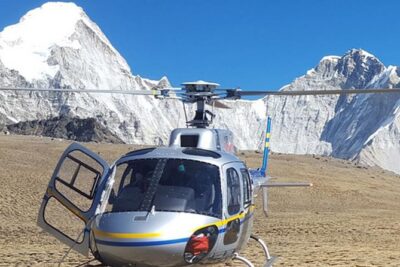
Everest Base Camp Helicopter Tour landing at Hotel Everest View
Read our review →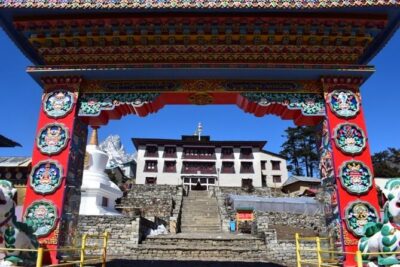
Browse the lists this tour appears in