
Reviewed · EVEREST BASE CAMP TREK
From Kathmandu: Guided Everest Base Camp Trek
This trek is interesting because you do not just see Everest from far away. You start with a flight into the Everest region, then work step by step through Sherpa country until you reach Everest Base Camp and finish with the classic altitude push to Kala Patthar. It is a big deal on paper, but the real magic is how the route keeps turning up new viewpoints and new communities.
I love the human support on this itinerary, especially the way guides like Saran and Prayas are described as practical and people-first, including helping with heavy loads and communicating clearly in English. I also like the pacing plan, with acclimatization in Namche Bazaar and a scheduled rest day in Dingboche before you go higher.
The main drawback to think about is the physical demand. This is high altitude trekking with long ascents and descents on rocky trails and suspension bridges, so you will want to take your pace seriously and not treat any day as optional.
Key highlights that make this trek worth planning
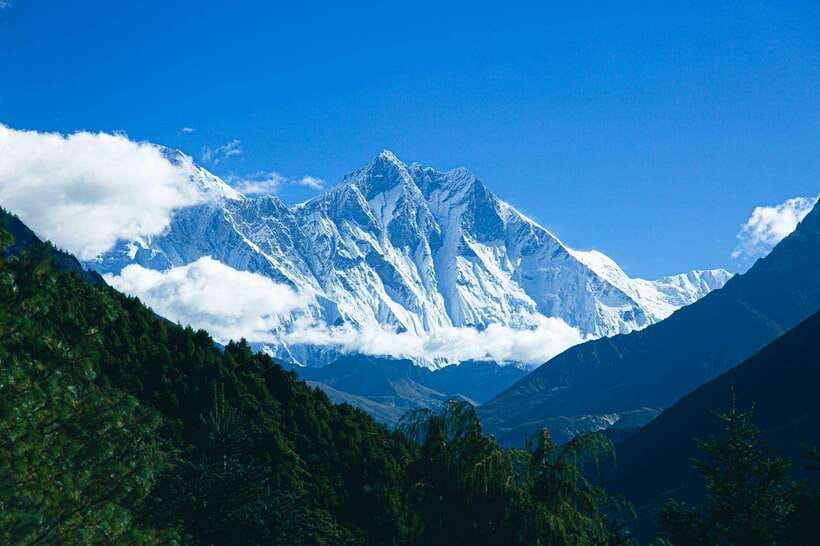
- Everest Base Camp at 5,364 m and Kala Patthar up to 5,545 m for close-up views of Everest and the surrounding peaks
- Acclimatization in Namche Bazaar (3,440 m) and a rest day in Dingboche (4,400 m) to help you handle the altitude
- Tengboche Monastery at about 3,867 m, with Buddhist prayer rituals and panoramic Everest range views
- Sherpa culture moments, including traditional clothing experiences and a museum visit
- Sagarmatha National Park permit included, with the chance to see rare Himalayan wildlife such as snow leopards and musk deer
- Small-group trekking with an English-speaking guide, plus a first-aid kit and guide support (including guide food and accommodation)
A classic Everest route, built around timing and altitude
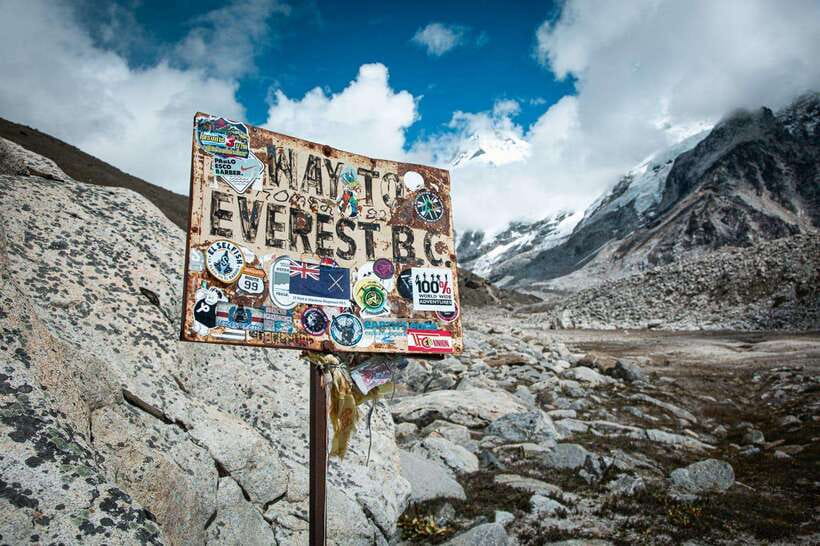
Everest Base Camp is one of those rare treks that is famous for a reason. The views are the obvious headline, but what makes this route work is the way it spreads altitude gains across 12 days. You are not constantly climbing straight up. You build, pause, and then push.
That matters because altitude fatigue can creep in even when you are doing everything right. On this itinerary, you get built-in “give your body a minute” moments in the middle, not just at the start and end. If you have ever tried to speedrun a mountain trek, you will appreciate that the plan is more thoughtful than that.
And the trek is not only about walking. You also pass through places where you can see how life works in the Khumbu region: market days, monasteries, village trails, and the day-to-day rhythm of Sherpa communities.
More ways to walk to Everest Base Camp:
- Everest Base Camp Helicopter Tour landing at Everest View Hotel
★ 5.0 · 668 reviews - Gokyo to Everest Base Camp Trek
★ 5.0 · 113 reviews - Everest Base Camp Trek
★ 5.0 · 97 reviews
Price and what you get for $408 per person
At $408 per person for 12 days from Kathmandu, this option is aiming at a practical midrange budget for a guided Everest trek. The value is not only the guide, it is what is wrapped into the package.
Here is what is included that usually costs extra if you plan it yourself:
- Sagarmatha National Park permit
- Trekking map
- Accommodation during the trek
- A live English-speaking guide
- Hotel pickup and drop-off in Kathmandu
- Accommodation and meals for the guide
- First-aid kit
- Welcome and farewell coffee
- Roundtrip domestic flights Kathmandu to Lukla if you select that flight option
You do pay for planning and safety margins when you choose a guided route like this. The other side of the value equation is what is not included: the Nepal visa fee and travel insurance. If you are cost shopping, do not forget those, plus the fact that meals can depend on whether you choose the full board option for food and drinks.
Also worth knowing: flight inclusion depends on the option you select. If you want the convenience of flying into Lukla, confirm that your booking includes the domestic flights both ways.
Small group trekking with an English guide, and names you might meet
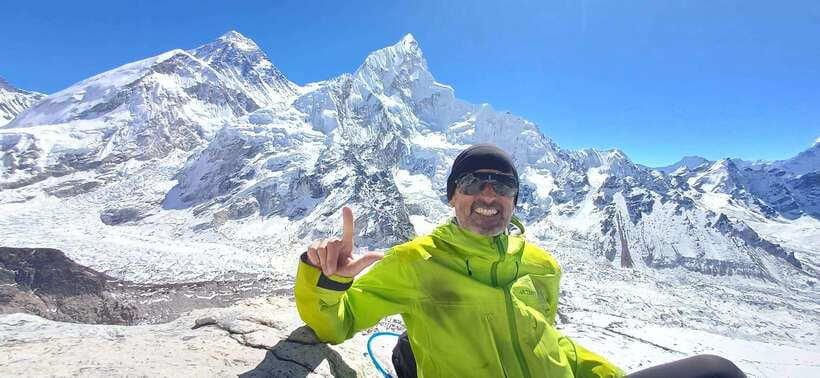
This is described as a small group trek with a live tour guide in English. In real life, that matters. When you are tired or slightly under the weather, clear communication turns stress into simple decisions like when to slow down, what to eat, and how to follow the day.
One useful detail from accounts tied to this operator is that the organizer, Rajesh, has been responsive over chat before the trip. That is not flashy, but it is exactly what you want when you are trying to get everything squared away before you ever leave home.
And on the trail, guides are often the difference between surviving the trek and enjoying it. You may be paired with a guide such as Saran or Prayas, and the kind of help that shows up in those accounts is hands-on: staying attentive to how you feel, helping when you are struggling, and keeping the group moving without drama.
Day-by-day: from Lukla steps to Everest Base Camp
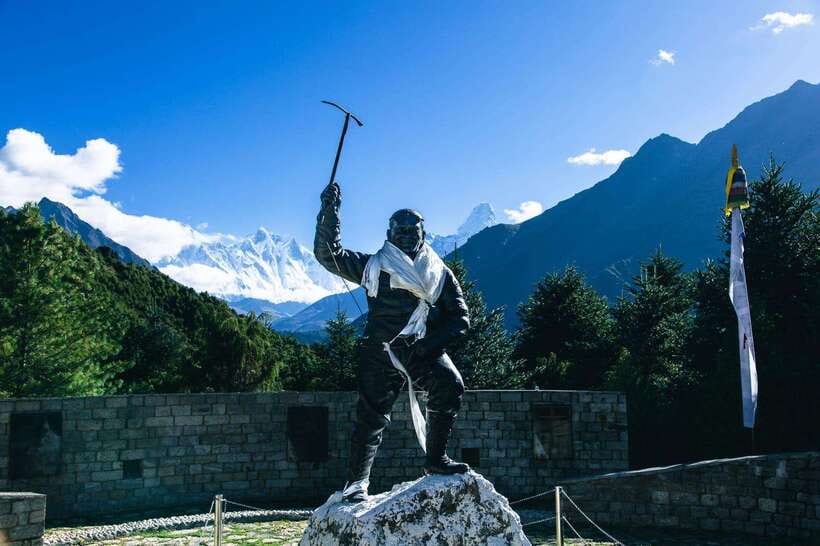
You start in Kathmandu and the trek proper begins after flying to Lukla (if you chose the flight option). From there, each day has a job: start gently, climb with breaks, and set up the big summit views without burning yourself out early.
More to compare around Kathmandu
- Kathmandu: 7 UNESCO Sites with Lunch
★ 4.8 · 744 reviews - Kathmandu: Local Women-Led Nepali Cooking & Momo Class
★ 4.9 · 360 reviews - Manaslu Circuit Trek
★ 5.0 · 292 reviews - Kathmandu: Food and Drink Walking Tour
★ 4.9 · 292 reviews
Day 1 and 2: Lukla to Phakding, then up to Namche Bazaar
Day 1 flies to Lukla and then walks to Phakding (2,610 m). Think of this first walking day as a warm-up. You are adjusting to breathing at altitude while still keeping the effort reasonable.
Day 2 climbs to Namche Bazaar (3,440 m). Namche is the key gateway town in this region, and it is where the trek turns into an actual place with Sherpa life, not just a trail. You also get the rhythm of the Everest route here: shops, lodges, and the steady stream of trekkers.
If you like an organized-feeling start, this early structure helps. You are not guessing your pace. The route is setting it for you.
Day 3 and 4: the Namche acclimatization day, then Tengboche monastery views
Day 3 is your acclimatization day in Namche Bazaar (3,440 m). This is not downtime. It is the kind of day that helps you avoid altitude penalties later. Instead of continuing to climb every day, you let your body catch up.
Day 4 heads onward to Tengboche (about 3,800 m). The draw here is more than elevation. Tengboche is tied to Buddhist monastery life, and you get the chance to witness prayer rituals in a setting built for that purpose. The air can feel different around monasteries because everything slows down a notch.
This is also where the Everest range often starts feeling “real.” You begin getting clearer panoramas, and the trek shifts from survival walking into photo-and-awe territory.
Day 5 and 6: Dingboche at 4,400 m, plus a true rest day
Day 5 climbs to Dingboche (4,400 m). At this point, you will feel the altitude more. The route keeps its logic though, because day 6 is a rest day in Dingboche.
A rest day is not the same as doing nothing. It is still an opportunity to manage energy and help your body adapt. If you push too hard here, it shows later, especially around the higher camp areas. This is where the trek’s planning earns its keep.
Dingboche also functions as a cultural and practical checkpoint. You are deep enough in the region to feel away from Kathmandu life, but still close to the trail network that supports trekkers.
Day 7 and 8: Lobuche, Gorak Shep, and the final approach to Base Camp
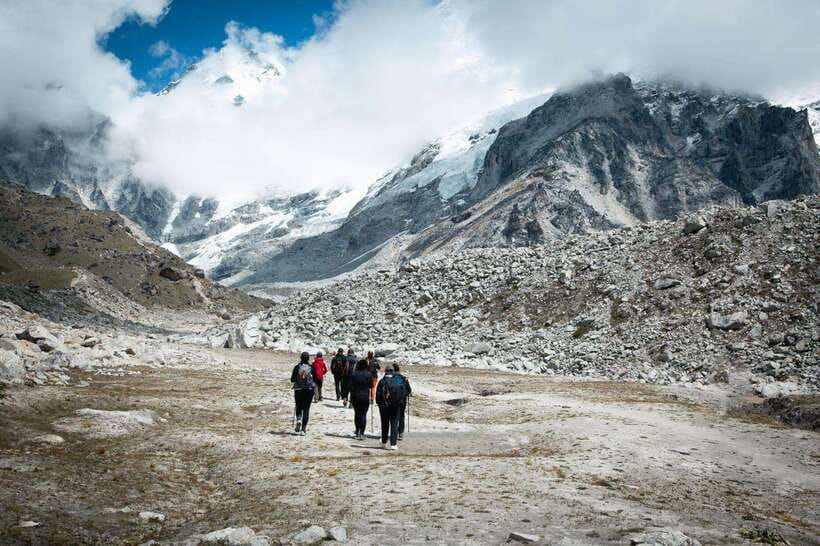
Day 7 takes you to Lobuche (4,900 m). This day is a bridge between the middle altitude zone and the high point stretches. Everything starts to feel more exposed, and you will likely notice that weather and light can change how the mountains look.
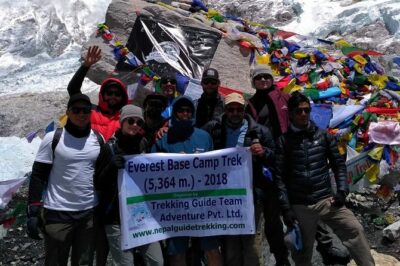
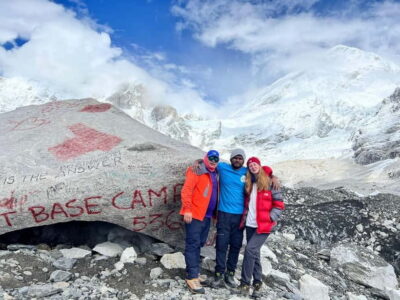
Day 8 is the big high-altitude push. You go to Gorak Shep (5,150 m) and then continue on to Everest Base Camp (5,365 to 5,364 m range). Gorak Shep is described as the last settlement before the Base Camp area, and that is exactly the vibe: you are in the final phase now.
Reaching Base Camp is a moment you can feel in your chest. The view of the Khumbu Icefall and surrounding glaciers is the reason this whole trek exists. You get a sense of scale that is hard to describe until you are standing there with the mountain in front of you.
The tradeoff is that this kind of day is demanding. Even when the walking distance is manageable, the altitude is real. Hydrate, slow your steps, and let the guide keep the group steady.
Day 9: Kala Patthar sunrise views, then down to Pheriche
Day 9 includes the hike to Kala Patthar (5,545 m) and then trekking down to Pheriche (4,200 m).
Kala Patthar is famous because it gives a close-up view of Everest and the surrounding peaks during sunrise. That is a long way from a casual photo stop. Even if you are fit, high altitude plus early timing means you will want to move in a controlled way rather than chasing speed.
After Kala Patthar, the descent to Pheriche is important because it gives your body something to recover with. This is one of the days that balances the trip, the peak moment followed by a descent that lets you breathe a bit easier.
Day 10 to 12: back toward Namche, Lukla, and Kathmandu flights
Day 10 returns to Namche Bazaar (3,440 m). This is a longer travel-feeling day compared with the early segments, but it is also satisfying because you can watch the altitude drop and feel yourself shift out of the high-elevation mode.
Day 11 brings you back to Lukla (2,800 m). At that stage, you are not chasing views for the first time anymore. You are wrapping up. You know where you have been, and the familiar trail rhythm helps.
Day 12 is the flight back to Kathmandu. It is a clean finish: your Everest trek ends where it began, back in the city after 12 days of mountain air and Sherpa villages.
Tengboche prayers, Sherpa culture, and why these stops matter
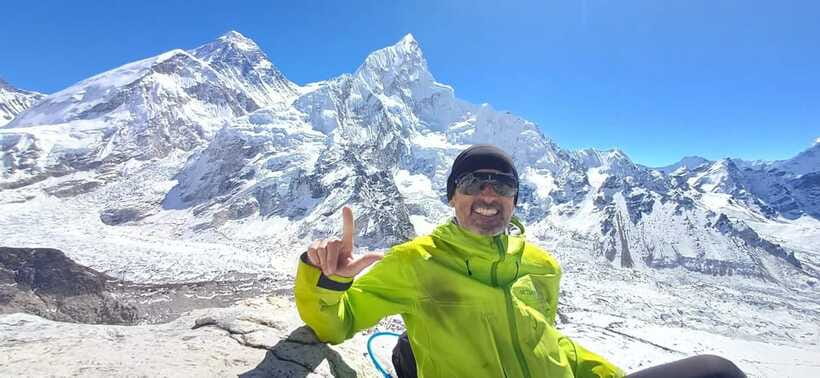
A lot of Everest trekking info focuses on the highest peak. This route also gives you cultural stops that make the journey feel human and specific, not just athletic.
At Tengboche, you get Buddhist monastery rituals in a setting where spirituality is part of daily life. That is not a side quest. It changes the texture of the day. After hours of steep walking, it gives your brain a different kind of focus.
You also get Sherpa culture experiences, including dressing in Sherpa clothing and a museum visit. Even if you are not a museum person, these moments help explain what you are seeing: the ways Sherpa communities organize life around the mountains, the climbing culture, and the long relationship with trekking.
Then there is Sagarmatha National Park, where you are trekking within a UNESCO World Heritage site. The park supports rare Himalayan wildlife, including snow leopards, musk deer, and Himalayan tahrs. You might not see them, but knowing the park is habitat, not just scenery, makes the walk feel more grounded in a real ecosystem.
The practical tradeoffs: altitude, trail difficulty, and what to watch
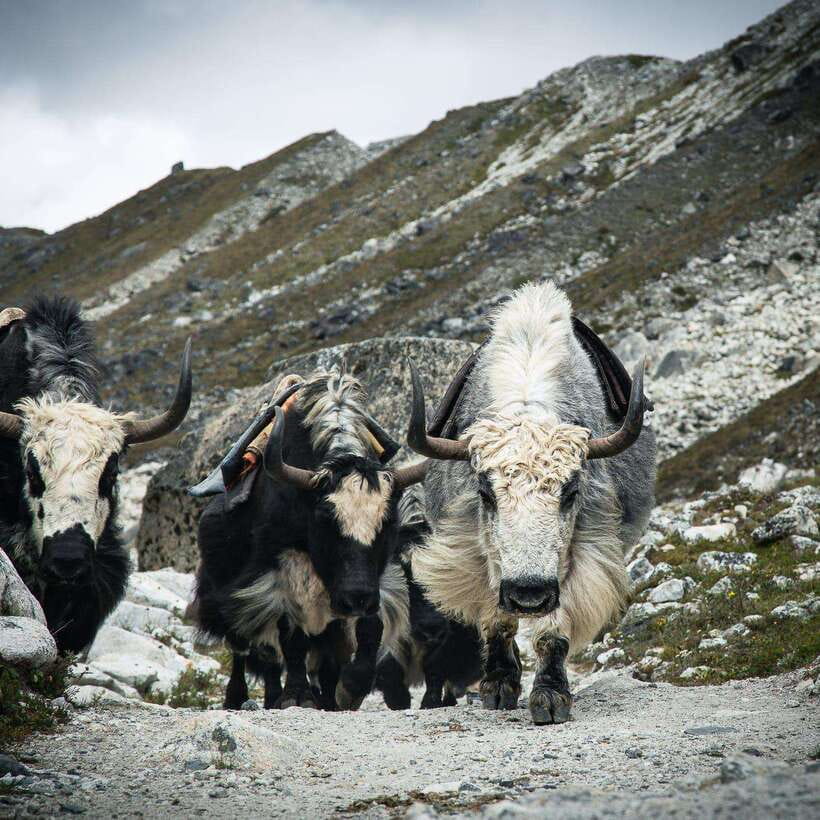
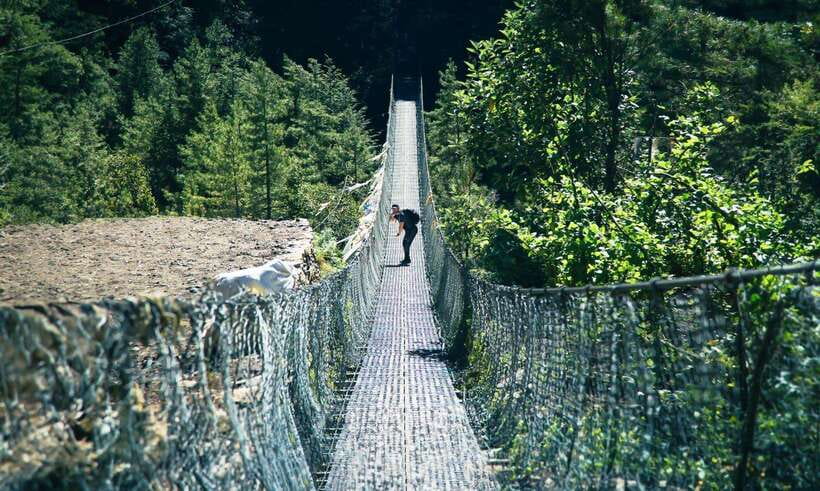
The itinerary clearly signals a mix of challenging terrain: ascents and descents, suspension bridges, and rocky trails. That means you should treat this as a real trekking commitment, not a casual day hike.
The good news is that the route design includes altitude management. You have acclimatization in Namche and rest in Dingboche, which are exactly the two places you would hope to see such pauses on an Everest schedule.
Still, you need to be honest with yourself:
- If you get winded easily at elevation, you will need to keep your pace conservative.
- If you hate slippery rocky footing, suspension bridges may feel like a mental challenge even if they are short.
- If you are prone to feeling ill at altitude, tell your guide early, because guidance and small-group movement help you respond fast.
The tour includes a first-aid kit. That is a baseline safety tool, and the presence of a guide is what makes it useful. The best outcome is not taking risks and letting the plan do its job.
Who this trek fits best
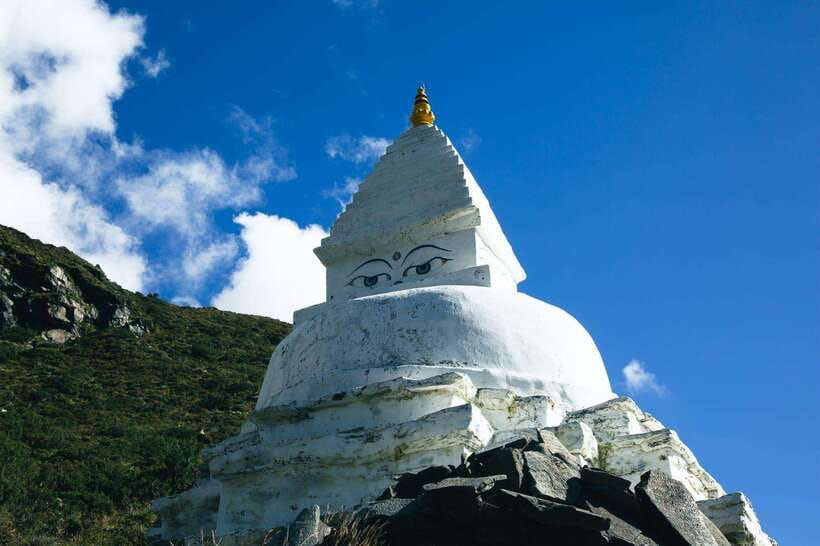
This trek fits well if you want:
- A guided Everest Base Camp experience with an English-speaking guide
- A route that includes key acclimatization and rest days
- Cultural stops like Tengboche monastery and Sherpa culture experiences
- Access through Sagarmatha National Park, with the permit included
It is also a strong choice if you are traveling solo and want structure. In the accounts associated with this operator, solo travelers have found the communication and guidance supportive, even when English is not their strongest language.
Where this may not fit is if you want an easy, low-effort walk. The route reaches Kala Patthar at 5,545 m, and it includes days built for people who can handle altitude and uneven ground.
Should you book this Everest Base Camp trek?
If your goal is Everest Base Camp plus a well-guided, culturally rich route that takes altitude seriously, this is a solid choice. The value comes from the package: permit included, guide and guide support included, accommodation included, and key experiences built into the schedule. At $408, you are paying for more than scenery. You are paying for planning and on-the-ground decision-making.
I would book it if:
- You want an English-guided small group trek
- You care about monastery and Sherpa culture, not only the end point
- You are comfortable with the idea of high altitude trekking and challenging trail conditions
I would pause before booking if:
- You are very sensitive to altitude and need more flexibility than a fixed 12-day plan
- You have not budgeted for the Nepal visa fee and travel insurance
- You want to be absolutely certain about whether your selected option includes flights to Lukla
FAQ
How long is the Everest Base Camp trek from Kathmandu?
It runs for 12 days.
Where does the trek take place, and what is the maximum altitude?
The trek is in Nepal, in the Koshi Zone region. It reaches up to Kala Patthar at 5,545 m.
Is an English-speaking guide included?
Yes. The tour includes a live tour guide who speaks English.
Are flights from Kathmandu to Lukla included?
Roundtrip domestic flights from Kathmandu to Lukla are included only if you select the option.
What is included for permits and meals?
The Sagarmatha National Park permit is included. Accommodation is included during the trek, and food and drinks are included if you choose the full board option.
Do I need a visa or travel insurance?
The Nepal visa fee and travel insurance are not included.
Latest Kathmandu write-ups
- 16 Days Island Peak Climbing With Everest Base Camp Private Trip★ 5.0 · 3 reviews
- 15 Days Round Annapurna Trek with Poon Hill from Pokhara★ 5.0 · 5 reviews
- Private Nepal round trip including Ghorepani Poonhill trek★ 5.0 · 3 reviews
- Everest Base Camp Trekking 16 Days★ 4.0 · 7 reviews
- 14 Days Luxury Annapurna Base Camp Trek★ 5.0 · 6 reviews
- Everest Base Camp Trek★ 5.0 · 32 reviews
- Everest Base Camp Trek★ 5.0 · 87 reviews
- Everest Base Camp Trek★ 5.0 · 97 reviews
Everest Base Camp Trek, compared.
Everest Base Camp Helicopter Tour landing at Everest View Hotel
Read our review →
Everest Base Camp Trek 12 Days – Best Himalayan Adventure
Read our review →
Browse the lists this tour appears in