
Reviewed · EVEREST BASE CAMP TREK
Everest Base Camp Trek – Hiking to Mt Everest
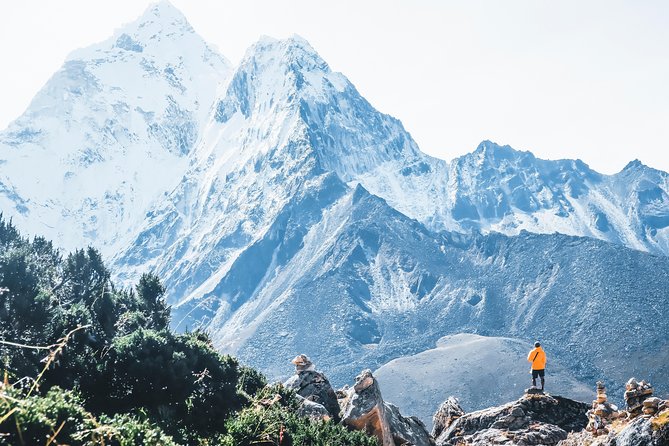
A private Everest Base Camp trek is interesting because it blends jaw-dropping mountain scale with real, day-to-day village life as you climb higher. You start in Kathmandu, fly to Lukla, then hike through places like Phakding, Namche Bazaar, Tengboche, and Dingboche before aiming for Everest Base Camp.
I especially like the pacing built around acclimatization days at Namche Bazaar and Dingboche. I also like that you get real on-the-ground support with a guide and porter, plus overnight stays in family-run tea houses that keep the trip grounded.
One consideration is weather, especially around the Lukla flights. If flights are delayed, the team may switch to a plan B, which can mean some schedule shuffling and extra patience on travel days.
Key things that make this Everest Base Camp trek worth your attention
- Private group setup so you hike with only your own group, not a mix of strangers.
- Round-trip Lukla flights included, so you are not figuring out the hardest logistics on your own.
- Acclimatization built in, with set days at Namche Bazaar and Dingboche.
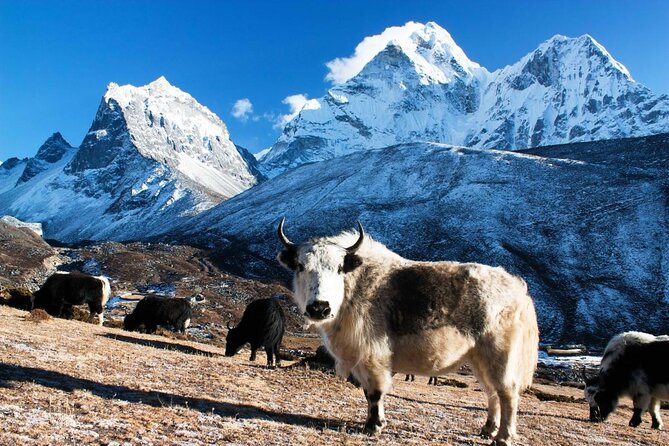
- Family-run tea house nights, which also fit how Sherpa life and mountain hospitality actually work.
- Meals and key support included, including breakfast during trekking days and a medical kit for peace of mind.
- Strong team leadership showed up in feedback, with guides like Tony, Tika, and Durga Kadel plus owner Jiban mentioned for responsiveness and care.
Kathmandu first, then straight into the mountains
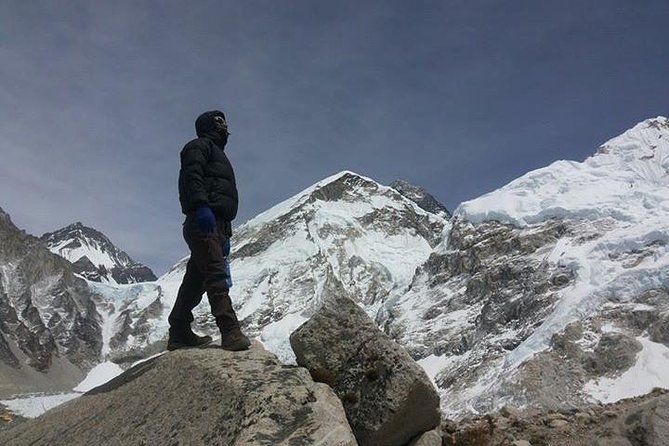
Kathmandu is more than a pre-trek waiting room here. You arrive, get settled for 3 nights with breakfast, and you also have time on Day 02 to explore the Kathmandu Valley while you prepare for what comes next. That matters, because the trek does not start gently. Within a few days you are dealing with high altitude and thinner air.
You also get a preparatory session before and after arrival, and that is a real advantage for most people. At altitude, little mistakes can snowball. A preparation session helps you line up what to expect, how to pace yourself, and how to work with your guide and porter once the trail rhythm starts.
When you are ready, the next big step is the flight to Lukla. The whole trip is designed around that jump in elevation, then walking your way upward with structured breaks. If you hate feeling rushed, this plan gives you at least some breathing room on the front end.
More ways to walk to Everest Base Camp:
- Everest Base Camp Trek – 14 Days
★ 5.0 · 1,499 reviews - Everest Base Camp Trek
★ 5.0 · 842 reviews - Everest Base Camp Helicopter Tour landing at Everest View Hotel
★ 5.0 · 668 reviews
Lukla flight and the Phakding warm-up that actually works
After Kathmandu, you fly to Lukla (about 2,840 m), then trek to Phakding (about 2,640 m). That is a smart start. Even though the flight already puts you at elevation, the walk to Phakding lets you settle in without going too hard immediately.
This is also your first taste of what the trail feels like in practice. You will be moving on mountain paths with a routine that depends on steady walking rather than big set pieces. The trip’s “private” format helps here because your guide can adjust pace to your group’s comfort.
You then continue from Phakding up to Namche Bazaar (about 3,440 m). This day is where altitude starts to show up more clearly, and Namche becomes your first main base. Expect the day to feel like work, but also like momentum. You are not “touring.” You are hiking, with the villages along the way acting like checkpoints.
A practical plus: because the trek includes guide and porter support, you spend less energy managing logistics and more on your breathing, your rhythm, and the views when they appear.
Namche Bazaar acclimatization, plus the cultural stops you will remember
Namche Bazaar is your key acclimatization hub. After hiking there from Phakding, you get a dedicated day to adjust before climbing higher. In the plan, that means Acclimatization Day at Namche Bazaar on Day 05.
That is one of my favorite parts of this itinerary. People sometimes treat acclimatization like a bonus day. Here it functions like a safety valve for the rest of the week. When you plan a serious push upward, you want your body to have time to respond. Namche’s altitude also gives you a chance to “feel” how different things feel higher up, without forcing another rapid climb immediately.
Namche is also where Sherpa culture starts to feel concrete, not abstract. You move through villages and around monasteries as part of the trek’s structure, and the bigger towns like Namche help that cultural piece feel real. It is not just nature photos. You see how people live in the Khumbu region and how the mountain economy works day to day.
From Namche you continue to Tengboche (about 3,867 m). This stretch is where the route begins to feel more dramatic and more serious. Tengboche is also a place that typically anchors the cultural side of the journey, because monasteries are part of the area’s identity.
Tengboche to Dingboche: altitude goes up, but your schedule has brakes
After Tengboche, you trek to Dingboche (about 4,350 m) and then you do it again with another acclimatization day at Dingboche on Day 08. That is the second big “value” moment in the whole trek.
I like it because it keeps you from doing what a lot of hikers try to do. You do not just grind upward. You pause, recover, and let your body adapt. At these heights, the wrong pace can turn a good day into a miserable one.
Dingboche also helps you understand the scale of what you are walking into. You are still in the village world, but you are closer to the zones where the terrain and the air feel harsher. This is where you start to notice how small decisions matter, like whether you walk at a steady pace or push too fast early.
Once that Dingboche break is done, the route moves toward higher country. Day 09 goes from Dingboche to Lobuche (about 4,931 m). That step is less about sightseeing and more about building endurance for the next two days.
More to compare around Kathmandu
- Private Kathmandu Sightseeing Tour | UNESCO World Heritage sites
★ 5.0 · 756 reviews - Kathmandu: 7 UNESCO Sites with Lunch
★ 4.8 · 744 reviews - Half day cooking class in Thamel kathmandu
★ 5.0 · 607 reviews - Everest Base Camp Trekking
★ 5.0 · 485 reviews
The serious days: Lobuche to Gorak Shep to Everest Base Camp
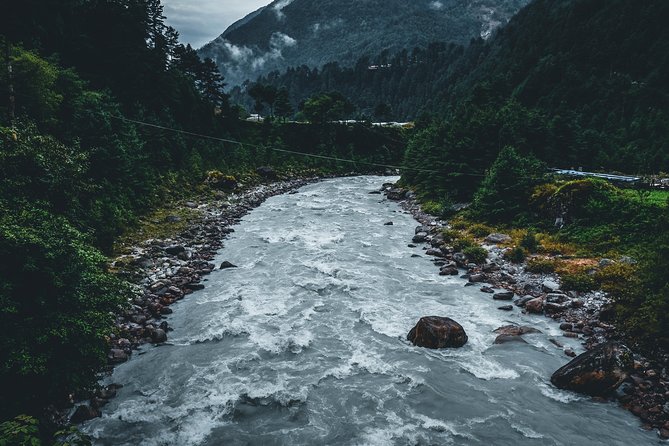
Day 10 is the centerpiece: trekking from Lobuche to Everest Base Camp through Gorak Shep (the plan lists Gorak Shep around 5,170 m) and then reaching base camp at about 5,363 m.
This is where the trek earns its name. You are walking into a world dominated by glacial terrain and the massive geometry of the Everest region. Even if you have studied maps before, nothing quite matches being there at walking height, with big cold air in your lungs and the mountain’s scale in front of you.
It is also the day where good guide support matters most. A good guide keeps you steady, watches the group’s pace, and helps you make the most of the time you have at altitude. In feedback tied to this operator, guides such as Tony, Tika, and Durga Kadel are praised for being adjusting, caring, and patient, especially when conditions or timing shift.
And timing does shift. Lukla flights can affect early days, and the team has a track record of handling delays with professionalism and a plan B approach when needed. That matters because if you lose time earlier, you do not want problems cascading into the base camp push.
After Day 10, you do not just relax and call it done. Day 11 keeps going with a bigger altitude jump.
Kalapatther, Pheriche, and the descent that still takes work
Day 11 goes from Everest Base Camp to Kalapatther (about 5,545 m), then down to Pheriche (about 4,210 m). That means you experience a peak higher than base camp, then you start descending again.
This setup is useful because reaching base camp is a goal, but the trek does not end at the first milestone. You gain that extra summit-like sensation without being on the actual climb. If you are chasing the emotional payoff, Day 11 adds one more high point before you settle into descent.
Then the itinerary works like a smart off-ramp. Day 12 hikes from Pheriche back to Namche Bazaar. You are lowering altitude and giving your body a break. Day 13 continues from Namche Bazaar back to Lukla. These days can feel long in hours on your feet, but the air is easier than the highest section.
Finally, Day 14 includes an early morning scenic flight back to Kathmandu, plus an exploration day in the valley before your departure on Day 15. That gives you a clean end to the experience, with time to decompress in a place where you can actually rest.
Tea houses, meals, and why support makes the trek feel manageable
One of the most practical strengths of this trek is how it handles the day-to-day mountain basics. You stay 11 nights in tea houses during the trek, and the plan includes breakfast during trekking days. You also get lunch and dinner during trek days, based on the included meals listed.
That is a big deal for value and sanity. High altitude hiking turns decision-making into effort. When meals are covered, you can focus on walking, hydrating, and resting instead of hunting options on a tight mountain schedule.
You also get the “mountain social life” component. Overnight stays in family-run tea houses mean you are not just passing through. You slow down enough to watch how the community works, what people do after trekking, and how Sherpa hospitality shows up when you are tired and cold.
And you are not alone on the logistics. The plan includes a guide and porter. The guide helps with route flow and pacing. The porter helps take weight load so you can keep your stride longer, especially on the tougher elevation days.
If you are wondering about safety and readiness, the included comprehensive medical kit and the structured preparation sessions are meant for that. Medical kits do not prevent altitude issues, but they signal that the operator planned for real-world trekking needs.
Price and value: what you get for $1,500, and what still needs your wallet
At $1,500 per person, this is not a budget hike. But you are also buying real structure: guide and porter, tea house nights, meals during trekking days, Kathmandu lodging, and both-way flights between Kathmandu and Lukla. You are not piecing together separate flights, separate guides, and separate lodging at the last minute.
Here is what is included, in human terms:
- Airport pickup and drop
- 3 nights in Kathmandu with breakfast
- 11 nights tea house accommodation with breakfast during trekking days
- Kathmandu to Lukla and Lukla to Kathmandu flight tickets
- A guide and porter
- A comprehensive medical kit
- Certificates and local taxes
- Preparatory sessions before and after arrival
- Meals listed for the trek days, plus dinner/breakfast in Kathmandu per the included items
What you still pay for:
- Nepal visa cost
- International airfare
- Drinks and beverage cost
- Insurance cost
- Tips and personal expenses
So the value question is really: do you want the hardest parts handled for you? If you want to spend your energy on the mountains, this package reduces a lot of friction. If you already have guides, flights, and lodging locked in, you might find cheaper options. But this one is clearly designed to be a complete door-to-trail experience.
One more practical note: it is private for your group, and group discounts are offered. If you are traveling with friends, that can bring the per-person cost down compared to doing it “solo.”
Should you book this Everest Base Camp trek?
If you want a guided Everest Base Camp hike with acclimatization days, tea house nights, and a team that handles both guiding and day-to-day mountain logistics, this plan is a strong match. I would especially point it out if you like the idea of a structured route, not a loose “good luck” plan.
I would think twice if you know you hate flight uncertainty. Lukla flights are weather-sensitive, and even with a plan B approach, you may still deal with delays and timing changes early on. Also, this trek climbs to 5,363 m and even higher on Day 11, so you should be honest about your physical readiness and stamina, even with the acclimatization breaks.
If that sounds like your kind of challenge, this is the sort of trip where you likely come home with a full bucket list moment and a clear trail memory you can replay for years.
FAQ
How long is the Everest Base Camp trek?
The trek is listed as 15 days (approximately), starting in Kathmandu and ending with departure from Kathmandu after the return flight from Lukla.
What altitude does the trek reach?
You hike up to Everest Base Camp at about 5,363 m, and the itinerary also includes going to Kalapatther (about 5,545 m) before descending to Pheriche.
Do I fly to Lukla and back?
Yes. The plan includes a flight from Kathmandu to Lukla, trekking from Lukla to Everest Base Camp and back to Lukla, then a flight from Lukla to Kathmandu.
What kind of lodging is included on the trek?
The trip includes 11 nights in tea houses during trekking days. In Kathmandu, you get 3 nights in star accommodations with breakfast.
What meals are included?
The included items list breakfast during trekking days, and it also lists lunch and dinner during the Trek, plus dinner and breakfast in Kathmandu as part of the package.
What does the price include, and what is not included?
Included: airport pickup and drop, Kathmandu lodging, tea house lodging, guide and porter, both-way Lukla flights, preparatory sessions, a medical kit, certificates, government and local taxes, and listed meals. Not included: visa cost, international airfare, drinks and beverages, insurance, and personal expenses, tips, and shopping.
Can I cancel and get a full refund?
You can cancel for a full refund if you cancel at least 24 hours before the experience’s start time. If you cancel less than 24 hours before, the amount paid is not refunded.
Latest Kathmandu write-ups
- Langtang Valley Trek★ 5.0 · 3 reviews
- Khopra Danda Trek★ 5.0 · 3 reviews
- Langtang Valley Trek from Kathmandu★ 5.0 · 3 reviews
- 5 night / 6 days Kathmandu Nagarkot Chitwan Pokhara tour★ 5.0 · 3 reviews
- Nepal Highlights Tour: 5 Nights 6 Days Kathmandu & Pokhara Tour★ 5.0 · 3 reviews
- Kathmandu Valley Private Day Tour★ 5.0 · 3 reviews
- Conquer the Himalayas: The Ultimate 16-Day Annapurna Circuit Trek★ 3.5 · 3 reviews
- Kathmandu Heritage Day Tour★ 5.0 · 3 reviews
Everest Base Camp Trek, compared.

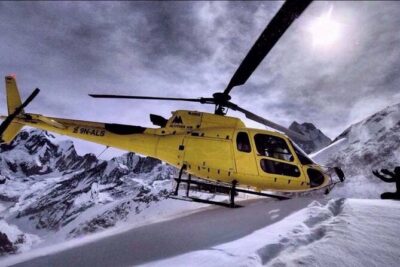
Everest Base Camp Helicopter Tour landing at Everest View Hotel
Read our review →
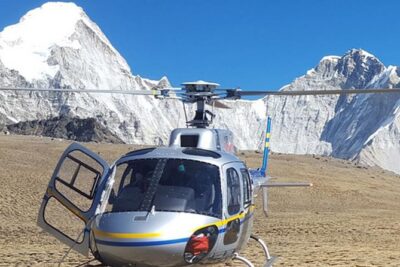
Everest Base Camp Helicopter Tour landing at Hotel Everest View
Read our review →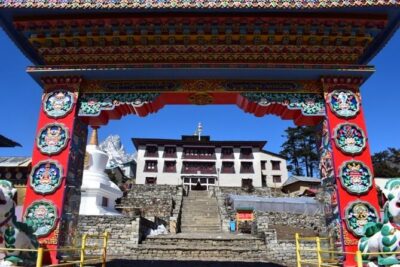
Browse the lists this tour appears in