
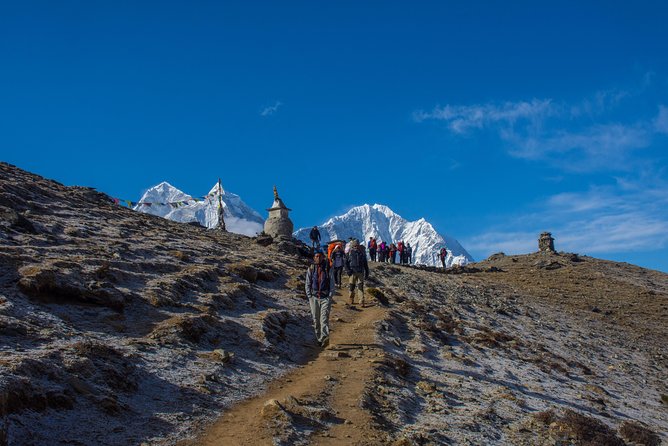
Reviewed · EVEREST BASE CAMP TREK
Everest Base Camp Trek -17 Days
Everest Base Camp is one of those trips where the drama is real, the logistics matter, and the people make it. I really like how this itinerary supports you with solid local guidance and clear planning, led by Sherpa guide Dawa and the Dream Himalaya team. I also like the cultural stops, especially the Sherpa villages and monasteries that give the Himalaya a human face.
The main thing to consider is that Lukla flights can be weather-dependent, so you should be mentally ready for schedule shifts. Good news: there is an emergency day built into the plan for the Lukla to Kathmandu leg.
If you’re the kind of traveler who likes mountain days with structure, and you want to go beyond just hiking for photos, this can be a very good fit. Just bring a realistic mindset about altitude, cold mornings, and the fact that this is a challenging trek even with support.
Key things I’d circle before you book
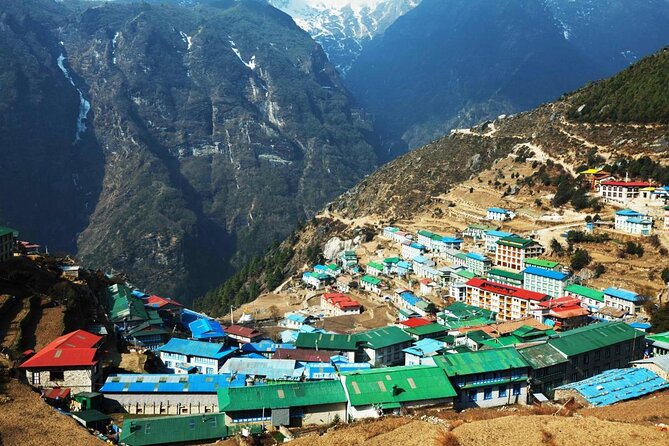
- Sherpa leadership focused on pacing and real-world mountain decisions, with guide Dawa at the center
- Lukla round-trip airfare plus airport-hotel-airport transfers by private vehicle, so you start and finish without chaos
- All meals and hot drinks on the trek, including treated drinking water, which reduces decision fatigue
- Altitude-aware routing with acclimatization days in Namche, plus the Kala Pattar push at altitude
- Trek duffle bag for each member, plus porters and support staff to handle the heavy stuff
- Meals, permits, and trekking infrastructure included, which helps make the $2,000 price feel more honest
Price and logistics: what $2,000 buys you, and what it doesn’t
At $2,000 per person for 17 days, you are paying for a package that covers the mountain’s expensive annoyances: flights to and from Lukla, permits, daily meals on trek, and the on-the-ground team (guide, Sherpa support staff, and porters). You also get four nights in three-star hotels in Kathmandu on a twin-share bed and breakfast basis, plus private transfers in and out of Kathmandu.
This kind of bundled planning is worth it if you want fewer moving parts. You arrive, you’re briefed, you fly, you trek, you come down, you get back to Kathmandu, done.
What’s not included is equally important. You need medical/personal high-risk insurance that covers emergency evacuation costs. Normal travel insurance might not be enough, and evacuation can be the one expense you never want to handle yourself. You’ll also pay for personal gear, personal expenses like calls and laundry, bottled or boiled water items you buy separately, soft drinks or beers, and tips for the guide and porters.
More ways to walk to Everest Base Camp:
- Everest Base Camp Trek – 14 Days
★ 5.0 · 1,499 reviews - Everest Base Camp Trek
★ 5.0 · 842 reviews - Everest Base Camp Helicopter Tour landing at Everest View Hotel
★ 5.0 · 668 reviews
Kathmandu ramp-up: your briefing, packing day, and a heritage half-day
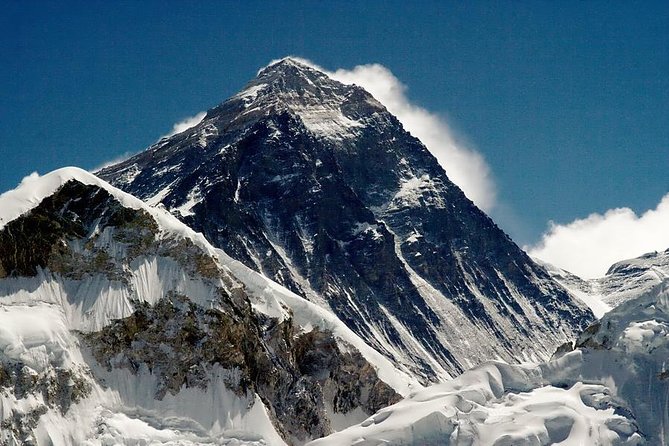
Day 1 is straight-forward: you arrive in Kathmandu, transfer to a hotel, and get a trip briefing. That briefing matters more than people expect. On an Everest trek, a lot of your success comes from small habits: how you drink water, how you dress for cold mornings, and how you pace on steep days.
Day 2 is a Kathmandu sightseeing tour, plus necessary preparation and packing. The trek includes a half-day world heritage sites tour with a guide and private transport, so you get local context without spending hours figuring out routes. This is a nice balance, because you’ll be leaving city life behind for a while.
If you’re a family group or you want a more organized experience, this early structure is one of the biggest values. It takes the edge off jet lag and gets you ready for the flight day, especially since your first big movement is to Lukla.
Day 3 to Day 4: flying into Lukla, then walking into altitude
On Day 3, you fly to Lukla (2,840m) and then trek to Phakding (2,610m), about 3 hours. Even though you are starting higher, the early walk is gentle by Everest standards. The point here is rhythm: settle your legs, practice your trekking pace, and start paying attention to your breathing.
Day 4 is your first serious push, trekking to Namche Bazar (3,440m) for about 5 hours. Namche is where the Everest story becomes real. You gain altitude quickly enough that you’ll feel it, but the route is popular for a reason: it’s workable with the right pacing.
This is also where the trek stops being just about terrain and becomes about community. The Everest region is Sagarmatha National Park, home to Sherpa communities with deep roots in the area. As you move onward, you’ll see how the culture and the trekking economy shape daily life.
Namche acclimatization: Khumjung and Khunde, plus why it matters
Day 5 builds in acclimatization with day hikes to Khumjung and Khunde (up to 3,840m), about 4 hours, and an overnight in Namche. This is not a sightseeing detour. This kind of day, higher walk with a return to Namche for sleep, is one of the best ways to reduce altitude stress later.
Khumjung and Khunde also give you a better understanding of Sherpa life beyond the trail. You’re seeing how communities live with altitude every day, not just visiting buildings at the roadside.
Day 6 brings the monastery day: trek to Tengboche (3,860m), around 5 hours, plus a visit to the monastery. This is one of those moments where the mountain views feel louder because the setting has quiet. It’s also a reminder that the Everest region is not only about climbing, it’s about belief systems, hospitality, and daily routines that have been adapted to the high Himalaya.
More to compare around Kathmandu
- Private Kathmandu Sightseeing Tour | UNESCO World Heritage sites
★ 5.0 · 756 reviews - Kathmandu: 7 UNESCO Sites with Lunch
★ 4.8 · 744 reviews - Half day cooking class in Thamel kathmandu
★ 5.0 · 607 reviews - Everest Base Camp Trekking
★ 5.0 · 485 reviews
Tengboche to Dengboche to Nagarjun: culture days plus the slow climb
Day 7 is a trek to Dengboche (4,410m) for about 5 hours. By now you’re higher, colder, and moving with more intentional steps. Dengboche is a common staging area and it’s a good place to appreciate how the trek gradually shifts from valley walking to high-Himalaya terrain.
Day 8 adds another day hike, to Nagarjun Peak (around 5,085m as listed) for about 5 hours, and you sleep in Dengboche again. This is the same acclimatization logic as Day 5, just with a different target and a bigger altitude jump. If you keep your pace controlled, these day hikes help you arrive at the base camp area with less drama.
This is also where the included support matters. Your meals and hot drinks are part of the plan, and treated drinking water is included. That means you can focus on hydration and energy, rather than spending mental effort on constant meal decisions.
The big build-up: Lobuche and GorakShep before Everest Base Camp
Day 9 is a trek to Lobuche (4,910m) for about 4 hours. Day 10 goes to GorakShep (5,140m) for about 4 hours. These two days act like a runway. You are moving closer to base camp while also giving your body time to adjust.
A common mistake on Everest treks is thinking the hardest days begin on the base camp hike. In practice, the hardest days start when you’re already at 4,800m to 5,200m and you realize your usual walking pace is gone. That’s why those shorter days into higher camps are valuable. They help you practice being patient.
By Day 10, you’re close enough that weather can change fast. It’s not just about clouds and visibility. It’s about wind chill and how your body handles cold. Going step-by-step is the winning strategy.
Everest Base Camp and Kala Pattar: the day you’ll remember
Day 11 is the headline, trekking to Everest Base Camp (5,364m) and overnight at GorakShep, about 6 hours. This is when the whole journey turns into a clear target. You’re at high altitude, so you’ll want to keep your effort controlled. The goal is to arrive feeling like you still have something left for the return.
Day 12 is the Kala Pattar day. You climb to about 5,550m for around 4 hours, then trek to Pheriche (4,210m) for about 4 hours. Kala Pattar is often the best viewpoint day because you’re higher than base camp. Even if you’ve seen photos, the actual experience hits differently when the mountain fills your field of view and the air feels thin.
This day is also where you’ll feel the benefit of a guide who understands pace and timing. You want to move early enough for best light, but not rush so hard that your altitude response gets worse.
Then the plan starts easing you back down. Day 13 is a trek to Namche Bazar (about 3,440m) for around 6 hours. That descent is long, but it’s a relief for your lungs and for your decision-making. You’ll still need to watch your footing, especially with icy patches or tired legs.
Lukla back, Kathmandu on your terms, and one last flight buffer
Day 14 is trekking down to Lukla, around 6 hours, with evening free time. After this, the mountain part is mostly over, and you’re dealing with the reality of flight schedules.
Day 15 is an early morning flight to Kathmandu, with a free day afterward. Day 16 is another free day in Kathmandu, and it also works as an emergency day for the Lukla to Kathmandu flight. That matters. It’s the operational side of Everest. Weather can postpone planes, and the itinerary accounts for that by giving you breathing room.
Day 17 is for international departures as per schedule time.
I like this approach because it respects the fact that you’re not in full control of timing. Your job is to be ready. Their job is to keep you safe, fed, and organized until you’re back in Kathmandu.
Included support that actually helps: meals, hot drinks, porters, and a trek kit
One of the strongest practical values here is that the trek is set up with support staff and logistics. You’ll have an Experience Sherpa Trek Guide, support Sherpa staff, and the required number of porters. You also get a trek duffle bag to each member, which helps consolidate your gear and reduces chaos when things start moving.
Meals are included on trek: breakfast, lunch, and dinner described as high quality and hygienic. You also get hot drinks and beverages like tea, coffee, and hot chocolate, plus treated drinking water. That reduces the biggest day-to-day stress for many first-time trekkers.
You also get a trek first aid kit. The guide and porters have insurance with Emergency Rescue coverage. The key nuance: you still need your own personal medical and emergency evacuation insurance.
The included farewell celebration dinner is a small detail, but it’s the kind of thing that turns a checklist trek into a trip with a real ending.
Who this trek fits best (and who should rethink)
This trek calls for moderate physical fitness. The altitude alone makes it serious, and the schedule includes long hiking days and several higher-elevation climbs.
This is a strong choice if you:
- want a structured trek where meals, permits, and daily logistics are handled
- like the Sherpa culture side, not only the summit fantasy
- value communication and planning, especially if you are traveling as a family or with a group
You might rethink if you:
- don’t have the right insurance for emergency evacuation
- hate early mornings and changing plans due to Lukla flight conditions
- want full self-guided freedom, because this is a private, guided experience
Should you book this Everest Base Camp trek with Dream Himalaya Adventures?
I think it’s a good buy for the right traveler. The price feels easier to justify when you look at what’s included: Lukla flights, Kathmandu hotels with breakfasts, permits, private transfers, a Sherpa guide, porters and support staff, meals with hot drinks, treated water, and a few cultural stops that make the trek more than a route on a map. The high ratings also point to real strengths in communication and logistics, and the team leadership around Dawa comes up often.
If you want a memorable Everest trek with less friction and more local guidance, this one deserves a serious look. Just go in with the right insurance, a realistic understanding of altitude, and patience around Lukla flights.
FAQ
What does the trip include for lodging and meals?
It includes four nights in three-star hotels in Kathmandu on a twin-sharing bed and breakfast basis, plus all meals during the trek (breakfast, lunch, dinner) and all hot drinks and beverages, including treated drinking water.
Are airport transfers included?
Yes. All airport-hotel-airport transfers are included by private vehicles, and airport pickup is offered.
What flights are included?
Round trip domestic airfares from Kathmandu to Lukla and back to Kathmandu are included, along with domestic airport taxes.
What permits are included?
Trekking permits are included, including Conservation and National Park permits, plus local and government taxes.
What guide and porter support is provided?
You get an Experience Sherpa Trek Guide, support Sherpa staff, and the required number of porters. The trek also provides a duffle bag for each trek member.
What about medical help and insurance?
There is a trek first aid kit. Insurance for the guide and porters with Emergency Rescue is included, but you must have your own medical and high-risk insurance that covers emergency evacuation costs.
Is there a sightseeing component in Kathmandu?
Yes. There is a half-day world heritage sites tour with a guide and private transport, plus a trip briefing and necessary preparation and packing time.
What is the cancellation policy?
Free cancellation is available up to 24 hours in advance of the experience start time for a full refund.
Latest Kathmandu write-ups
- Langtang Valley Trek★ 5.0 · 3 reviews
- Khopra Danda Trek★ 5.0 · 3 reviews
- Langtang Valley Trek from Kathmandu★ 5.0 · 3 reviews
- 5 night / 6 days Kathmandu Nagarkot Chitwan Pokhara tour★ 5.0 · 3 reviews
- Nepal Highlights Tour: 5 Nights 6 Days Kathmandu & Pokhara Tour★ 5.0 · 3 reviews
- Kathmandu Valley Private Day Tour★ 5.0 · 3 reviews
- Conquer the Himalayas: The Ultimate 16-Day Annapurna Circuit Trek★ 3.5 · 3 reviews
- Kathmandu Heritage Day Tour★ 5.0 · 3 reviews
Everest Base Camp Trek, compared.



Everest Base Camp Helicopter Tour landing at Everest View Hotel
Read our review →



Everest Base Camp Helicopter Tour landing at Hotel Everest View
Read our review →
Browse the lists this tour appears in