
Reviewed · EVEREST BASE CAMP TREK
Everest Base Camp Trek Via Salleri
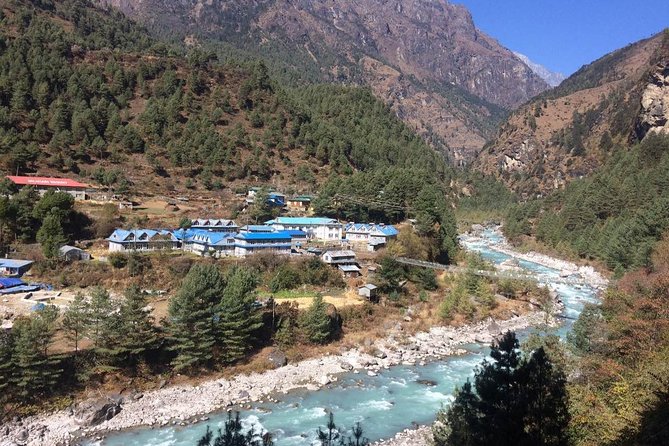
Everest Base Camp via Salleri is interesting because it sidesteps the most common approach and drops you into smaller Sherpa settlements, rocky river canyons, and quieter valleys that still feel very Everest. You get the classic high-mountain goal, but the way you get there feels more local and less repeatable.
What I love most is the mix of trekking style and support. First, you’re traveling with a dedicated team, typically with a porter system like 1 porter for 2 hikers, plus a guide who keeps the day-by-day plan realistic. Second, the included comfort touches like down jacket and sleeping bag for the trek, and attached hot showers at key stops, help you travel lighter and sleep better at altitude. One thing to consider: meals for you are not included, so you’ll budget for them daily.
Why Salleri Feels Different Than the Usual Everest Base Camp Route
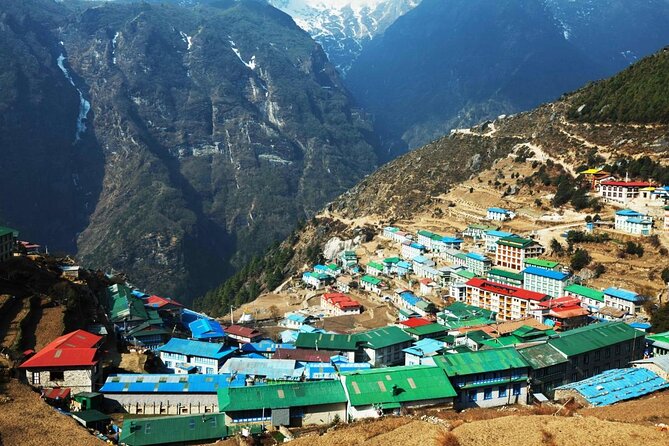
This trek earns its name because it uses Salleri as an alternate gateway into the Everest region. Instead of rushing straight into the high-traffic corridor, you start with long jeep stretches and then build on foot through less busy villages and far-off settlements.
That matters. When the trail is less crowded, it is easier to keep your pace steady, and your days feel more like a real trek and less like a timed line at a viewing platform. You also get more variety in walking, from rougher valley routes to village paths where you slow down and actually notice life around you.
This route also leans into cultural stops. You’ll pass through Sherpa communities and spend time around places like Takshindo and Tengboche, where the religion, prayer flags, and monastery life are part of the scenery, not a side note.
There is another bonus that’s easy to overlook until you’re there: you’re not repeating the exact same walk every day. Even when you’re following a popular overall region, the Salleri approach gives you a different rhythm, and that makes the whole experience feel fresh.
The Price and What It Covers (So You Can Judge Value Fast)
At $1,952 for about 20 days, the price can look steep until you break down what is actually included. You are paying for logistics, permits, and the overhead that keeps a trek running smoothly in a place where weather can rewrite plans quickly.
What you get included is meaningful:
- Ground transport in local jeeps, including airport transfer
- A guide plus porters (with that 1 porter for 2 hikers setup)
- Lodging at “best available” tea houses and lodges during the trek
- Sagarmatha National Park permits and TIMS fee (with instructions to bring 2 passport size photos)
- Gear for the trek: down jacket and sleeping bag, plus a duffle bag
- Some comfort benefits like attached bathrooms with hot shower service at certain stops
What you don’t get included is where you need to plan your budget:
- Meals (you’ll be paying for breakfast, lunch, and dinner)
- Travel insurance and international airfare
- Tips/gratuities for trekking staff
- Personal expenses like laundry or drinks
In practical terms, you’re also paying for risk management. The company’s style, based on the pattern of how guides respond when plans change, is the difference between a trek that feels stressful and one that feels handled.
More ways to walk to Everest Base Camp:
- Everest Base Camp Trek – 14 Days
★ 5.0 · 1,499 reviews - Everest Base Camp Trek
★ 5.0 · 842 reviews - Everest Base Camp Helicopter Tour landing at Everest View Hotel
★ 5.0 · 668 reviews
Start in Thamel: The First 24 Hours Sets the Tone
The meeting point is Thamel, Kathmandu, and the start time is 6:15 am. If you’ve been to Kathmandu before, you know it can be chaotic, so getting a clear early start is a good sign.
You’ll arrive at Tribhuvan International Airport on Day 1, then the trip pivots quickly into the trek machine. On Day 2, you transfer from Kathmandu to Phaplu, Ringmo, and then you trek to Takshindo (3071m / 10072 ft.). It’s a combination day, with a long jeep drive and a short walking segment.
This is a good moment to set expectations with yourself. You are going to feel altitude soon. Even if you aren’t hiking for hours that first day, your body is still getting the signal that you’re in the mountains, not on a casual holiday.
If you like knowing what you’re stepping into, you’ll appreciate that the trip is private, so your group schedule stays controlled instead of getting reshuffled by strangers.
Day-by-Day Trek Flow: From Takshindo to Namche, Then Up Toward Lobuche
Here’s the trekking progression in plain terms, and what each section tends to feel like.
Takshindo to Khari Khola, then Puiyan, then Phakding
After Day 2 lands you at Takshindo (3071m), you continue through the valley system:
- Day 3 to Khari Khola (2194m)
- Day 4 to Puiyan (2890m)
- Day 5 to Phakding (2652m)
This part is a builder. The elevations change, and the terrain tends to keep your attention without requiring heroics. You’ll likely feel the “new route” effect most here, because these walks don’t feel like the same replay you’d get on a more direct classic approach.
Also, river canyons and village crossings make the days more active. If you like stopping for photos because something is happening right in front of you, you’ll enjoy this stretch.
More to compare around Kathmandu
- Private Kathmandu Sightseeing Tour | UNESCO World Heritage sites
★ 5.0 · 756 reviews - Kathmandu: 7 UNESCO Sites with Lunch
★ 4.8 · 744 reviews - Half day cooking class in Thamel kathmandu
★ 5.0 · 607 reviews - Everest Base Camp Trekking
★ 5.0 · 485 reviews
Phakding to Namche Bazaar
Day 6 climbs to Namche Bazaar (3440m / 11283 ft.). Namche is where the trek becomes more “Everest real.” It’s a hub, so it feels busier than the smaller villages you’ll see earlier, but it’s also where you can reset your supplies and get your head right for higher country.
This is also a major point for acclimatization, because Namche sits at a key altitude threshold for many trekkers.
Acclimatization Days: Everest View Hotel and Nagerjun Work Like Your Insurance Policy
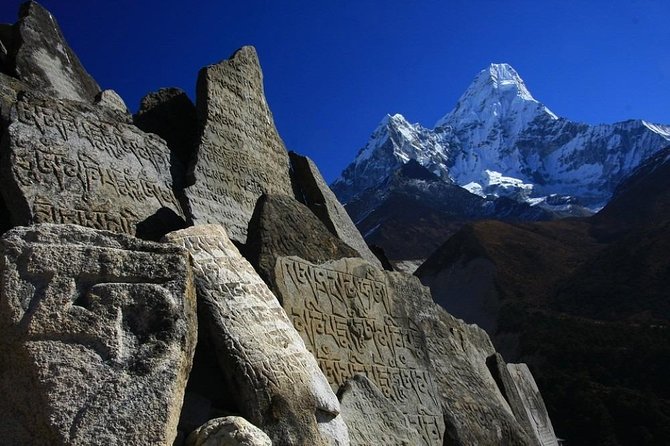
Two built-in acclimatization hikes are a core value of this trek: you’re not just climbing blindly and hoping for the best.
Hike to Everest View Hotel
On the acclimatization day around Day 7, you hike from Namche up toward Everest View Hotel and then return. The point here is simple: you practice going up while keeping your overnight location safer.
It gives you a gut check on breathing, pace, and how your body reacts to altitude without forcing you to overshoot your comfort zone.
Hike to Nagerjun
Later, there’s another acclimatization hike around Day 10 to Nagerjun, then you return. Again, it’s the same idea with a different viewpoint. Even when the hike itself is not the “big achievement day,” these are often the days that make the later summit push feel possible.
A note on mindset: treat these as training days, not vacation walks. You can still enjoy them, but you should walk like you’re saving your legs for what comes after.
Tengboche and Dingboche: Monastery Moods and High-Altitude Stillness
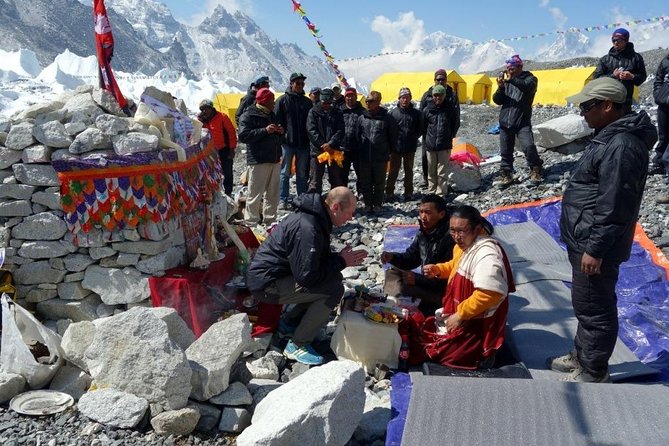
After Namche, you continue to Tengboche (3860m / 12660 ft.). This is one of those stops where the monastery setting matters. It tends to add a calm, reflective tone to the day, especially after a busy village hub.
From there, you head toward Dingboche (4410m / 14464 ft.). This area feels more open and high, and nights are colder. It is also where you really start to notice how quickly comfort details matter, like warm layers and how well you sleep.
If you’ve ever thought you can tough it out with just a T-shirt and determination, altitude will kindly correct that idea here.
The High Finale: Lobuche, Everest Base Camp, and Kala Pathar
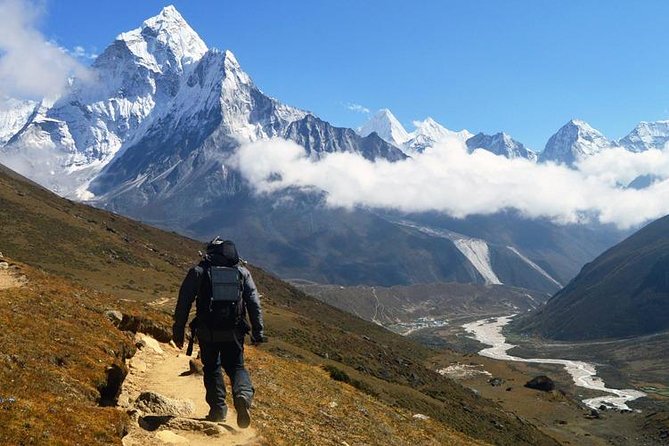
Now you get to the headline section.
Dingboche to Lobuche
You move on to Lobuche (4910m / 16105 ft.). This is a big jump in altitude, and it can feel like the trek is no longer about scenery, it is about rhythm. You’ll likely slow down more than you expect, and that is normal.
The best way to handle this kind of day is steady, boring pacing. You want your breathing to stay controlled.
Lobuche to Everest Base Camp, Gorekshep
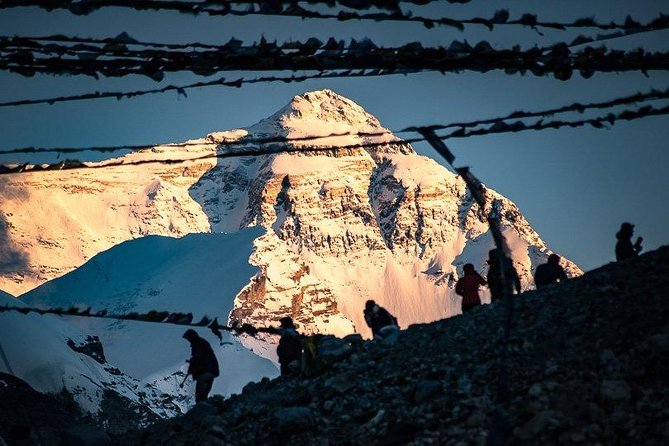
You go to Everest Base Camp (5364m / 17594 ft.), with Gorekshep also part of the route. This is the day most people dream about, but the smart move is to treat it like a climb, not a sprint.
Once you arrive, enjoy it, take it in, but don’t burn your energy chasing every last view at the same intensity. Your return depends on saving stamina.
Gorakshep to Kala Pathar, then Pheriche
Then you walk toward Kala Pathar (5545m / 18188 ft.) and continue to Pheriche (4210m / 13809 ft.). Kala Pathar is the other “must” for many trekkers because it gives big views over the area.
After a peak day, reaching Pheriche is a relief. The altitude is still serious, but it gives your body a chance to recalibrate before you head back down.
Coming Down Through Pheriche, Namche, and Back to Salleri Country
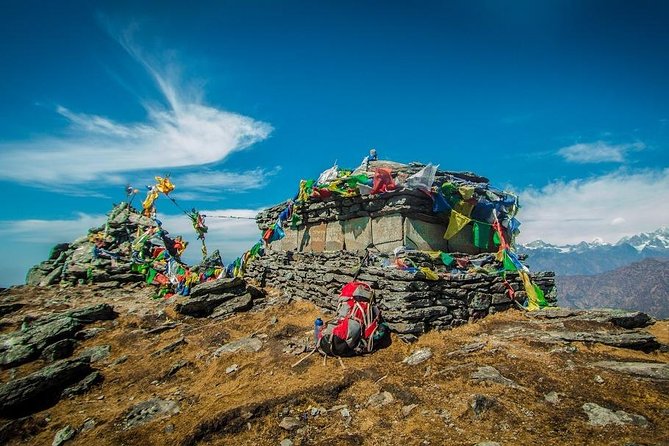
The return is not the easy part mentally. Yes, you’re going down, but the days are still long and your legs still take a hit.
Your route heads:
- Pheriche back to Namche
- Namche to Phakding
- Phakding to Puiyan
- Puiyan to Khari Khola
- Khari Khola back to Takshindo (listed at the end)
That sequence matters because it returns you to villages you already know, so the “where am I?” anxiety drops off. You start walking with confidence.
Then you finish with the final transport stretch. The trip includes a drive from Takshindo through Ringmo and Phalpu back to Kathmandu, with 8 hours of driving plus a short walk. After about 20 days, that drive feels like a victory lap.
Lodges, Hot Showers, and What Comfort Really Means Here
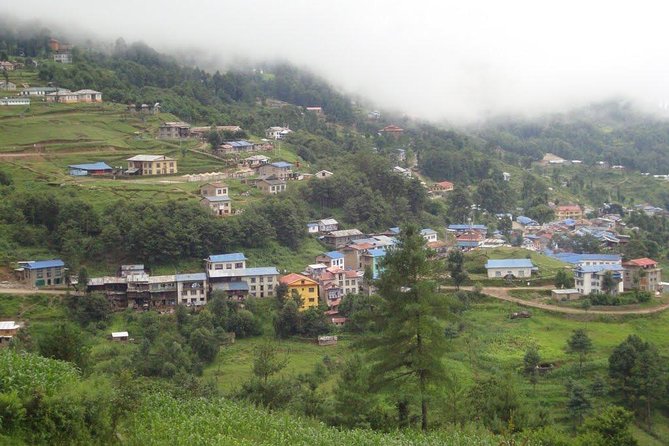
This trek uses “best available lodges” during the journey. That wording is common, but in Everest country it often translates to a real difference in warmth, cleanliness, and how quickly you can get settled for the night.
One comfort perk included: attached bathroom with hot shower at Lukla, Phakding, and Namche. Even if your exact route doesn’t mirror every lodge stop perfectly in practice, the key idea is that you’re not completely stuck in cold-wash mode at every stage.
Gear also helps a lot. With down jacket and a sleeping bag provided, you aren’t gambling on whether you packed the right thermal layers. You can focus on fitting layers properly, and that’s the kind of practical win that pays off at 4000m plus and beyond.
Your Team Makes or Breaks the Experience on a Trek Like This
This is where the trekking support shows its value.
The trip is led by a highly experienced guide and porters, with a typical ratio of 1 porter for 2 hikers. That means you’re not just paying for movement, you’re paying for a smoother experience in a place where conditions change.
From past trips, this company has a pattern of strong organization in Kathmandu and quick plan adjustments if a flight is not possible, switching to jeep schedules fast after explaining the new timing. That kind of clarity keeps you calm because you know what is happening and why.
Guide names that show up in the team’s history include Pooja (with assistant Prem), and also Prakash, Manoj, and Neel on other Everest itineraries. Another guide name you may run into is Ram, and team member Indira is mentioned for making guests feel welcome. Hearing those names repeatedly is a good sign that this isn’t a rotating-crew situation where you get random guidance.
And there is human support too. In one experience, a trek ended with an accident and the team handled it with extra attention to help the person recover. Another guest story involved a meaningful personal request at Everest Base Camp, and the team worked to support it with care. That’s the kind of detail that matters when the mountains get serious.
Who This Trek Fits Best, and Who Should Rethink It
This trek is listed as suitable for people with moderate physical fitness. “Moderate” is helpful, but altitude is the real boss here, so your fitness needs to include endurance and patience.
You’ll likely love this route if you:
- Want Everest Base Camp but prefer a quieter, alternate approach
- Enjoy village life and Sherpa culture, not just summit goals
- Like the structure of acclimatization hikes (Everest View Hotel and Nagerjun)
- Appreciate strong guidance and organized logistics
You might rethink it if you:
- Want all meals included, because meals are not included here
- Expect a lightweight, casual hike, because you are walking multiple days at high elevations
- Get stressed by weather-driven changes, even though the team tends to handle those shifts quickly
Should You Book Everest Base Camp via Salleri?
I’d book this if you want Everest, but you also want it to feel human and less crowded. The alternate Salleri route gives you a different set of villages and a more varied feel, and the included gear plus acclimatization structure make it a smarter bet than piecing everything together on your own.
Before you commit, check your budget for meals and tips. Also make sure you’re comfortable walking long days at altitude. If you go in with steady expectations, this trek can turn into one of those trips you remember for the pace, the people, and the quiet moments, not just the photo at the end.
FAQ
Where is the trek meeting point and what time does it start?
The meeting point is Thamel, Kathmandu 44600, Nepal. The start time is 6:15 am.
How long is the Everest Base Camp trek via Salleri?
The duration is listed as about 20 days.
Is this a private tour?
Yes. It is a private tour or activity, and only your group will participate.
Do you provide airport transfer and local transportation?
Yes. Ground transport in local jeep is included, including the airport transfer.
What gear is included for the trek?
The tour includes a duffle bag, a down jacket, and a sleeping bag for use during the trek.
Are meals included?
No. Meals are not included.
Are permits included?
Yes. Sagarmatha National Park permit fees and the TIMS fee are included. You should bring 2 passport size photos for the permits.
Will I have hot showers during the trek?
The included details say you get an attached bathroom with hot shower at Lukla, Phakding, and Namche.
How many porters will I share with?
The tour specifies 1 porter for 2 hikers.
What happens if weather cancels the trek?
This experience requires good weather. If it is canceled due to poor weather, you will be offered a different date or a full refund.
Latest Kathmandu write-ups
- Langtang Valley Trek★ 5.0 · 3 reviews
- Khopra Danda Trek★ 5.0 · 3 reviews
- Langtang Valley Trek from Kathmandu★ 5.0 · 3 reviews
- 5 night / 6 days Kathmandu Nagarkot Chitwan Pokhara tour★ 5.0 · 3 reviews
- Nepal Highlights Tour: 5 Nights 6 Days Kathmandu & Pokhara Tour★ 5.0 · 3 reviews
- Kathmandu Valley Private Day Tour★ 5.0 · 3 reviews
- Conquer the Himalayas: The Ultimate 16-Day Annapurna Circuit Trek★ 3.5 · 3 reviews
- Kathmandu Heritage Day Tour★ 5.0 · 3 reviews
Everest Base Camp Trek, compared.



Everest Base Camp Helicopter Tour landing at Everest View Hotel
Read our review →



Everest Base Camp Helicopter Tour landing at Hotel Everest View
Read our review →
Browse the lists this tour appears in