
Reviewed · EVEREST BASE CAMP TREK
Everest Base Camp Trek from Kathmandu 12 Days
The Everest Base Camp trek from Kathmandu is interesting because it mixes big-ticket Himalayan scenery with real village life in the Khumbu region. I like that this route is built around acclimatization and rest days, not just marching uphill. I also like the cultural pull, with Sherpa communities, monasteries, and stops in places like Namche Bazaar, Tengboche, and Dingboche.
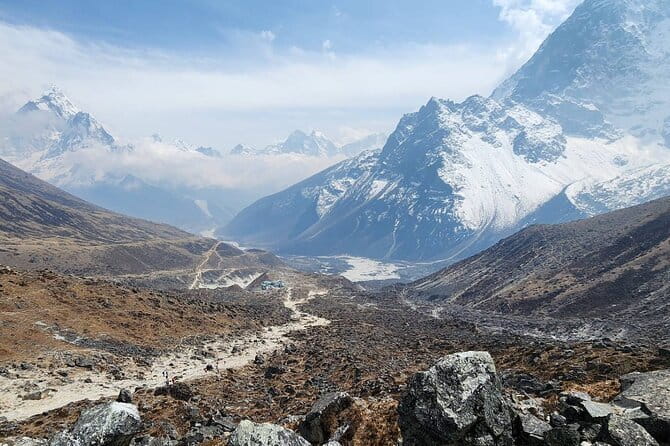
For me, the standout highlight is the sense of place, with major peaks named right on the view plan, including Everest, Lhotse, Nuptse, and Makalu. You’ll likely love the way the trek’s pacing gives you room to enjoy those moments. One drawback to consider is that this trip is physically demanding, and you need a strong fitness base to get through the days comfortably.
On the guiding side, you’ll get an English-speaking trekking guide and a first aid kit carried with your team. Names like Milan, Bikram, Bishnu, and Sagar show up in feedback as people who kept things organized and safety-focused, including acclimatization plans and smooth logistics. That said, you should also be ready for basic guesthouse conditions, since accommodation is in simple lodges.
Key highlights worth planning for
- Lukla, by air, to start your trek fast: round-trip Kathmandu to Lukla flights are included.
- View-heavy days: you get built-in stops for classic lookouts like Kalapatthar and major base camp scenery.
- Sherpa culture on purpose: villages and monasteries are part of the route, not an add-on.
- Structured acclimatization time: you get an active rest day in Namche (Thame or Khunde options) before higher sections.
- Experienced guides with real personality: guides such as Milan and Bikram are repeatedly noted for kindness and professionalism.
- Guesthouse stay included: you sleep in tea house style accommodation along the way.
Why the Everest Base Camp route feels instantly iconic
This trek is built around the Everest region’s most famous sight lines, and the itinerary keeps bringing you back to big-mountain views at key points. You’ll see Everest at 8,848m, plus Lhotse (8,516m), Nuptse (7,861m), and Makalu (8,485m) named as part of the view experience, along with other snow-capped giants.
The best part is how the route couples those views with Sherpa culture. You don’t just pass through; you spend time in places like Namche Bazaar and Tengboche, and you visit Buddhist monasteries along the way. That matters because the Khumbu region is not only scenery, it’s also a living community.
More ways to walk to Everest Base Camp:
- Everest Base Camp Trek – 14 Days
★ 5.0 · 1,499 reviews - Everest Base Camp Trek
★ 5.0 · 842 reviews - Everest Base Camp Helicopter Tour landing at Everest View Hotel
★ 5.0 · 668 reviews
Day 1: Kathmandu to Lukla, then Phakding
You start in Kathmandu and head to the domestic terminal for your scheduled morning flight to Lukla. This is the practical shortcut that turns a long slog into a real trekking trip, and it saves your energy for the days that matter.
After you arrive, you meet your trekking guide and start walking toward Phakding. The day is intentionally short for acclimatization, described as only a few hours, which is smart because you are still fresh enough to get your legs working.
What to watch: flights are included, but mountain weather can still affect schedules in real life. Even if your plan says a morning flight, it’s worth going in with a flexible mindset and packing patience as part of your kit.
Day 2: Namche Bazaar, your first real high-mountain village
Today you walk through pine forest and along the Dudh Koshi River, with suspension bridges along the route. You’ll reach Namche Bazaar, one of the most important Sherpa towns on the trek, and the itinerary gives you a solid half-day to build rhythm.
I like that Namche is not rushed. Reaching it on day two gives you time to take it in, rather than treating it like a quick stop.
A small drawback: river and bridge walking can be steady and sometimes a bit repetitive after a long travel day. If you’re the type who gets bored easily, bring a simple way to stay motivated, like a photo goal or a small journal prompt each hour.
Day 3: Namche Bazaar Stupa, then an active rest day plan
Day three is your rest day with a point. You’re told to stay active instead of being idle, and you’ll have choices: a day hike to Thame, visiting Khunde, or exploring and relaxing in Namche Bazaar itself.
This is a key part of making the trek feel doable. That active option is also why this itinerary includes a “rest” day that still gets you moving, which helps you keep your body adapting.
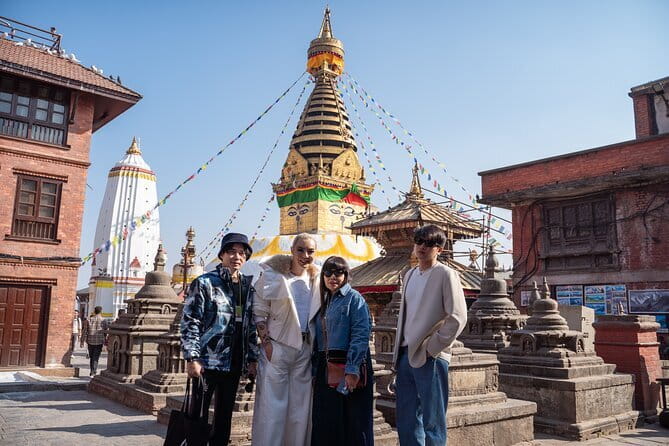
If you enjoy monasteries and local culture, Namche also lets you connect in a low-stress way. The day includes the Namche Bazaar Stupa stop, which fits the cultural focus of the overall route.
More to compare around Kathmandu
- Private Kathmandu Sightseeing Tour | UNESCO World Heritage sites
★ 5.0 · 756 reviews - Kathmandu: 7 UNESCO Sites with Lunch
★ 4.8 · 744 reviews - Half day cooking class in Thamel kathmandu
★ 5.0 · 607 reviews - Everest Base Camp Trekking
★ 5.0 · 485 reviews
Day 4: Tengboche, monastery views and a gentler day for photos
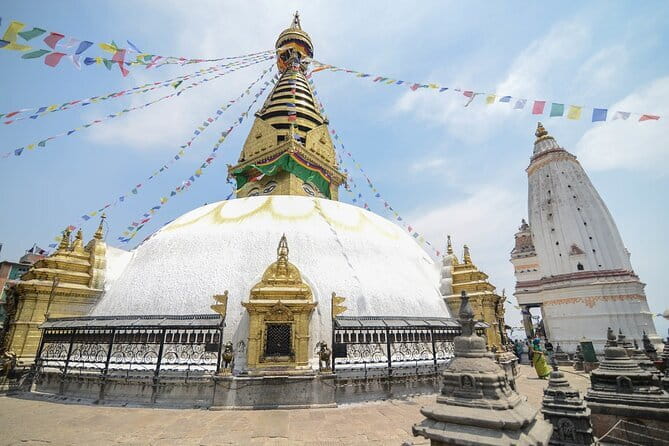
The trek to Tengboche is described as dusty and winding, but with panoramic views from the monastery making it worthwhile. The good news in the itinerary notes is that there aren’t many hard ascents and descents, which translates into more time for photography and a calmer walking day.
This is where the trip starts feeling cinematic. You’re climbing into a part of the Khumbu where viewpoints and religious sites pull the story together.
Practical note: dusty trails can be rough on your throat and eyes if you’re not prepared. Bring sunglasses, and consider a simple dust cover or scarf so you’re comfortable instead of constantly swatting at grit.
Day 5: Dingboche via Upper Pangboche, old monastery and villages
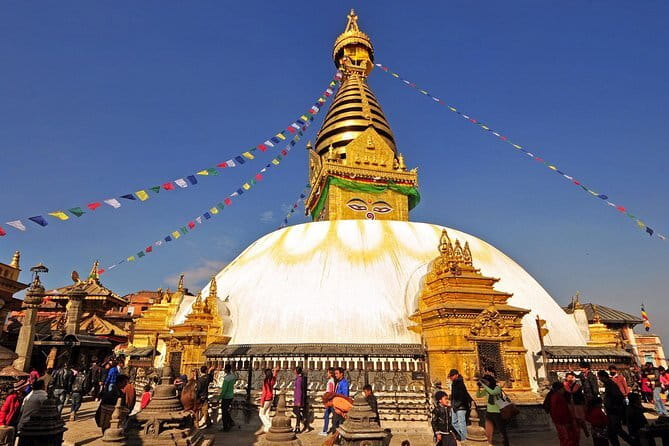
From Tengboche you head to Dingboche, starting with a visit to the region’s oldest Buddhist monastery as the route begins. After that, you pass through alpine woods toward Upper Pangboche and continue by settlements like Shomare and Orsho.
I like this day because it keeps changing scenery and feel. The itinerary doesn’t treat the route as one long hallway; it builds stops that give you a reason to look up and slow down.
Possible drawback: day five is long on foot, noted as around seven hours. That’s manageable for many people, but if you tend to start fast, remember that Dingboche is your next base point, and you want to arrive with energy for the next day’s rest.
Day 6: Dingboche second day, rest where the views reward you
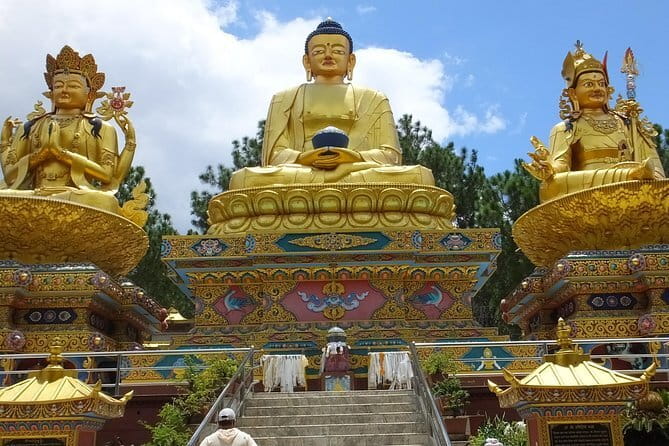
The itinerary calls out a spectacular view, and it also clearly says you’ll need to rest before the final leg. This is one of the most important logic points in the whole trek: you get a chance to recover so the harder days don’t feel like a wall.
You can also spend the day visiting villages in the surrounding area. Even with limited time, the idea is to use the pause to connect with the setting rather than just sitting indoors.
Day 7: Dingboche to Lobuche, boulder country and a tougher route
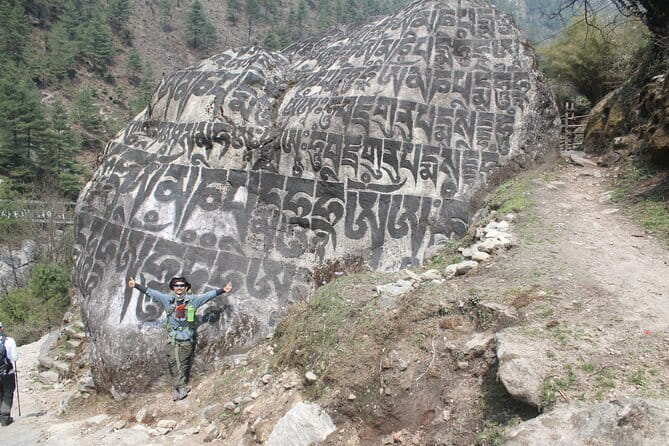
Today the itinerary shifts the difficulty. The trek begins with climbing through the Khumbu Khola valley to Duglha, and as you get closer to Dusa the valley is described as shrinking.
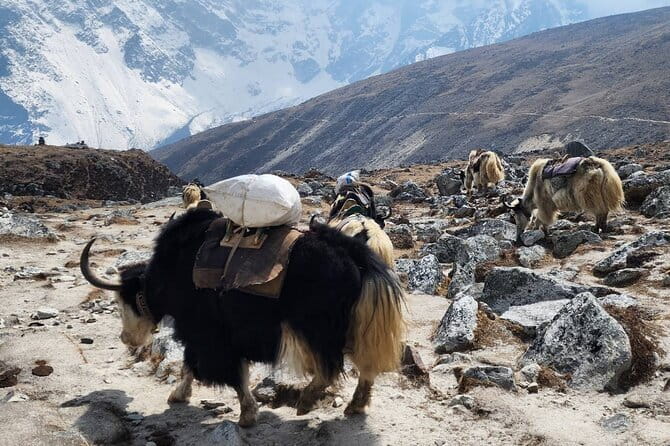
The route is called difficult, with various massive boulders and mountain yaks passing by. That combination can slow your pace, and it can make footing more demanding.
If you want this day to feel under control, go slower early. On mountain trails, the easiest way to feel confident is to protect your energy, so you aren’t rushed when the terrain gets technical.
Day 8: Gorakshep, then Everest Base Camp, plus a Sherpa atmosphere overnight
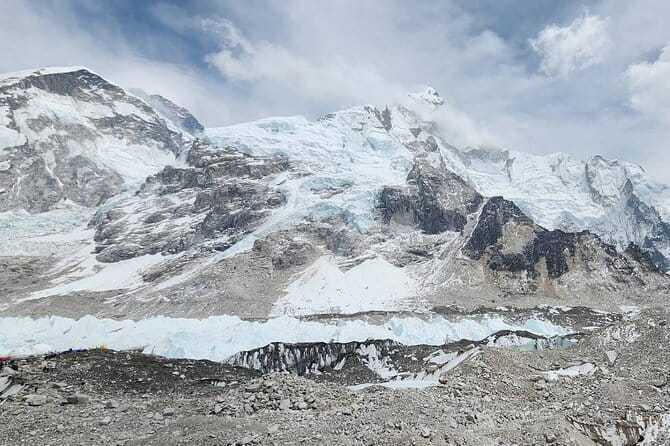
You head to Gorakshep along the side of the Khumbu Glacier, and the route includes a pyramid signpost. From there, it’s a direct continuation to Everest Base Camp, described as the destination of the trek.
This is the day you’re aiming for: you reach the camp area, take in the rewarding views of Mount Everest and nearby peaks, and then spend time at the site. The itinerary also notes that after time at base camp, you return to Gorakshep for overnight, with a Sherpa atmosphere.
I like that the plan gives you time, not just a quick photo and leave. Two hours are allocated for the base camp section, and that feels right for soaking it in without turning it into an all-day grind.
Day 9: Kala Patthar early start and then down to Pheriche
This is your viewpoint payoff day. You start early to catch dramatic views from Kalapatthar, described as one of the finest viewpoints for this 12-day trek, and it’s considered a top moment of the whole experience.
After those hours at Kalapatthar, you descend back to Gorakshep, rest, and then continue gradually down to Pheriche for overnight.
What to watch: viewpoint days can tempt you to move too fast, but you still have a long descent coming. Keep your steps careful, especially when you’re tired, since the itinerary puts focus on slow movement on later return days too.
Day 10: Return toward Namche via Pheriche and Orsho
The route follows the same general track back, passing through Dughla and then along the wide valley of Khumbu Khola. You go back through Sherpa villages including Pheriche and Orsho.
I like this kind of return because you start noticing details you might have missed on the way up. The walking feels more familiar, which often makes the experience feel lighter even though you still have hours to cover.
Day 11: Phakding, rocky descent, and Lukla as your final night in the mountains
The trail descends steeply downward today. The itinerary directly warns you to walk slowly and under control because rocky terrain and shaky legs are a real factor.
The day gets easier and more level later, with the plan eventually taking you to Lukla for overnight. The route through pine and rhododendron forests gives you one more chance to enjoy lower-elevation greenery and a calmer pace before your flight out.
Day 12: Fly back to Kathmandu and reconnect with Thamel
You fly back to Kathmandu from Lukla in the morning, with the itinerary stating about a 35-minute flight. After you land at Tribhuvan International Airport, you connect back to Thamel.
This last day is short on foot and focused on transition. It’s a good feeling after days of walking, and it helps you end without needing to sprint through a bunch of logistics.
Price and logistics: what $1,350 gets you, and what it doesn’t
At $1,350 per person for about 12 days, this trek can feel like solid value if you want the big parts handled for you. Included basics are meaningful here: hotel pickup and drop-off, round-trip flight tickets between Kathmandu and Lukla, trekking permit and TIMS card, an English-speaking guide, and guesthouse accommodation.
Also included is a first aid kit with the guide and a private trip setup, meaning it’s only your group. That matters because you get less coordination stress than you would with a fully mixed group, and it can help your pacing feel more personal.
What’s not included is personal expenses. That usually comes down to things like extra drinks, snacks, tips, and any souvenirs along the way, but the important point is to budget for those daily small costs.
One more practical note: the tour lists mobile ticket. That usually makes entry and confirmation easier, and it can reduce the chaos of paper paperwork when you’re traveling in and out of domestic airport processes.
Guides, safety basics, and why names matter
The trekking guide is where your day-to-day experience lives. The included guide role is described as English-speaking, with detailed insight into history, culture, and wildlife. In the feedback tied to real guides, names like Milan and Bikram come up with praise for being experienced, kind, and professional.
Safety shows up as a priority in those same comments. People highlight that acclimatization plans were handled well, and that the team took care of details like tea house stays. I take that to mean you should feel supported on the small stuff too, not only on the view stops.
You’ll also have a first aid kit with the guide, which is reassuring on a trek where weather and footing can change quickly.
Who this trek is best for, and who should think twice
This tour fits you if you want an itinerary that balances views with real cultural stops. It’s also a good match if you enjoy villages and monasteries as much as you enjoy peak photos, since Namche Bazaar, Tengboche, and Dingboche are core to the schedule.
It’s also well suited for you if you want a structured approach to pacing. The plan includes active rest days in Namche and then another rest before the final push, which is exactly the sort of planning that helps a challenging trek feel manageable.
You should think twice if you don’t have strong physical fitness. The trip is explicitly for people with strong fitness, and the itinerary calls out difficult terrain segments and steep descents where slow, controlled steps are needed.
Should you book this 12-day Everest Base Camp trek?
Book it if you want the classic Everest Base Camp goal with an itinerary that doesn’t ignore culture and doesn’t rely on luck. The included Lukla flights, trekking permit and TIMS card, guesthouse lodging, and English-speaking guide remove a lot of friction for first-timers.
Also, pay attention to the guide track record. When names like Milan and Bikram show up repeatedly for professionalism, kindness, and good planning, that’s the kind of operational confidence you feel on every walking day, not only on the dramatic view moments.
Skip it or reconsider if you’re looking for an easy vacation walk. This route has demanding days, steep descent fatigue, and a need for solid fitness. If you’re ready to work for it, you’ll come away with a strong mix of huge views and Sherpa village life, which is what makes Everest Base Camp more than just a checklist stop.
FAQ
How long is the Everest Base Camp trek from Kathmandu?
The trek is listed as 12 days, approximately.
Where does the trek start?
It starts in Kathmandu with a transfer to Kathmandu domestic airport, followed by a flight to Lukla, which is the trekking starting point.
Are flights between Kathmandu and Lukla included?
Yes. Round trip flight tickets Kathmandu to Lukla to Kathmandu are included.
Is accommodation included during the trek?
Yes. Accommodation in guest houses is included.
Do I need a trekking permit?
Yes. The trekking permit and TIMS card are included.
Do I need to send passport details for the permit?
Yes. You need your passport details and a photo (selfie also works) to issue the trekking permit.
Is there an English-speaking guide?
Yes. An English speaking trekking guide is included.
Is the trip private or shared?
It’s listed as a private tour/activity. Only your group will participate.
What is included in the price besides guiding and accommodation?
Hotel pickup and drop off, round trip flights, trekking permit and TIMS card, an English speaking guide, a first aid kit (with guide), and private trip are included.
What is the cancellation window for a full refund?
You can cancel up to 3 days in advance for a full refund. If you cancel less than 3 full days before the experience start time, the amount paid is not refunded.
Latest Kathmandu write-ups
- Langtang Valley Trek★ 5.0 · 3 reviews
- Khopra Danda Trek★ 5.0 · 3 reviews
- Langtang Valley Trek from Kathmandu★ 5.0 · 3 reviews
- 5 night / 6 days Kathmandu Nagarkot Chitwan Pokhara tour★ 5.0 · 3 reviews
- Nepal Highlights Tour: 5 Nights 6 Days Kathmandu & Pokhara Tour★ 5.0 · 3 reviews
- Kathmandu Valley Private Day Tour★ 5.0 · 3 reviews
- Kathmandu Heritage Day Tour★ 5.0 · 3 reviews
- Conquer the Himalayas: The Ultimate 16-Day Annapurna Circuit Trek★ 3.5 · 3 reviews
Everest Base Camp Trek, compared.



Everest Base Camp Helicopter Tour landing at Everest View Hotel
Read our review →


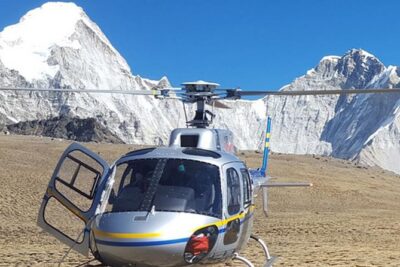
Everest Base Camp Helicopter Tour landing at Hotel Everest View
Read our review →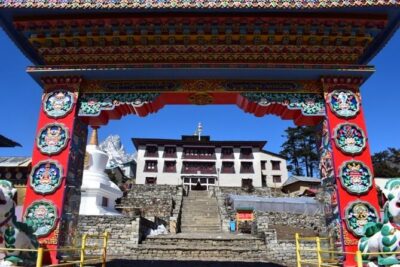
Browse the lists this tour appears in