
Reviewed · EVEREST BASE CAMP TREK
Everest Base Camp Trek
Few treks feel this close to the kind of stories people tell in winter mountain lodges. The Everest Base Camp trek is all about altitude work, simple guesthouses, and that slow, step-by-step push toward the world’s highest skyline.
I especially like how this route builds in acclimatization time in Namche Bazaar and again around Dingboche, instead of treating the Himalayas like a treadmill. I also like the practical support baked into the trip, including a certified guide, first aid kits with an oxi-meter, and shared local-lodge nights that keep things real and manageable.
One consideration: the trek is physically demanding, with long walking days (including an 8-hour push toward Everest Base Camp) and a lot of time above 3,000m. If your fitness is only “maybe,” you’ll want to take that seriously before booking.
What stands out
- Lukla flight start and a real trekking rhythm from Phakding through Namche, Tengboche, Dingboche, and onward
- Acclimatization days in Namche Bazaar and Dingboche to help your body adapt
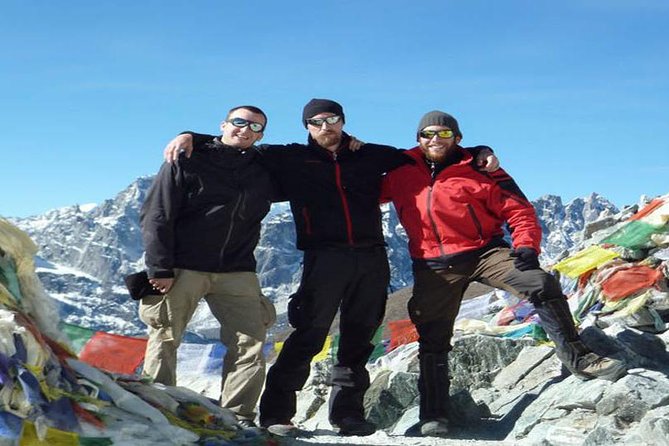
- Kala Patthar option for serious views from the Gorakhshep area, with prayer flags, cairns, and panoramic terrain
- Permits and entrance fees handled along with guides and local taxes
- Small but useful touches like an oxi-meter for pulse checks and seasonal fruit desserts each evening
- A responsive local operator and team support highlighted by guides like Ganesh, Keshab, and Prakash Gurung in past group experiences
The Everest Base Camp Route, Made Practical
This is the classic Everest Base Camp trek, but what matters for you is not the name. It’s the pacing, the logistical safety net, and how well the trip keeps you moving without pretending altitude is optional.
The itinerary is built around a chain of mountain villages, guesthouses, and long days of hiking where you constantly trade height for effort. You’ll start with a Kathmandu arrival, fly to Lukla, and then spend many days trekking in Khumbu with built-in rest and adjustment stops. The big payoff days are when the trail funnels you toward Gorakhshep, Everest Base Camp, and the Kala Patthar view zone.
This is a fully guided trek. That means you’re not just buying a map and hoping for the best. You’ll have a professional trekking guide throughout, plus support materials like duffel bag and sleeping bags if you need them. It’s the kind of structure that helps first-timers avoid common mistakes, like walking too hard on day one.
More ways to walk to Everest Base Camp:
- Everest Base Camp Trek – 14 Days
★ 5.0 · 1,499 reviews - Everest Base Camp Trek
★ 5.0 · 842 reviews - Everest Base Camp Helicopter Tour landing at Everest View Hotel
★ 5.0 · 668 reviews
Kathmandu Arrival: Pickup and Two Hotel Nights for Recovery
Your trip starts in Kathmandu with a simple arrival setup. An office representative meets you at the airport and transfers you to your hotel. That may sound basic, but after a long international flight, it removes a whole layer of stress.
You also get two nights in Kathmandu with buffet breakfast included. Those are not throwaway dates. They act as a buffer so you can sleep, eat normally, and get your head straight before flying to Lukla and starting the climbing.
In the evening after your trek ends, there’s also a farewell dinner together. That matters because EBC journeys can feel isolating once you’re on the trail. A shared meal gives you a clean moment to compare stories, laugh about blisters, and feel like you finished something together.
Lukla Flight Day 1: The Start of Real Mountain Trekking
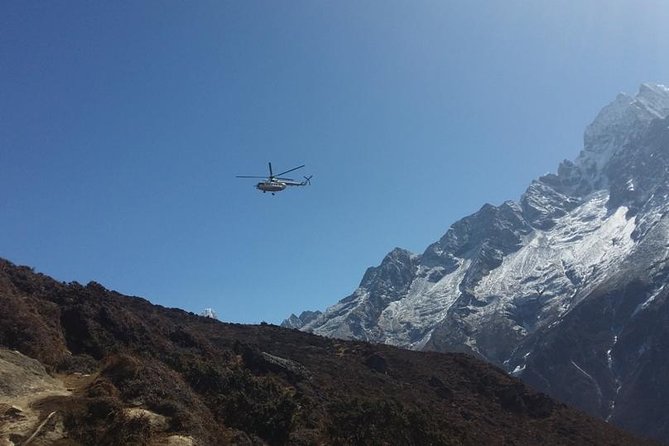
On day two, the guide picks you up from the hotel and you fly early to Lukla. The flight itself is described as an adventure with aerial views of valleys, rivers, hills, and the Himalayan range. Even if you’ve seen mountain photos before, Lukla is where the trip becomes undeniably real.
Once you land, you meet the team (porters) and begin your short trek to Phakding. Day two is about getting into the walking rhythm. You descend past mani walls, cross suspension bridges, and pass local settlements while moving through dense forest.
The practical win here is that day two does not try to beat you up. It helps you settle in before Namche Bazaar starts asking for more from your lungs.
Phakding to Namche Bazaar: Bridges, Forest, and First Big Peaks
Day two ends in Phakding, and day three is your step-up toward Namche Bazaar. The route follows upstream along the riverbank and includes crossing a Hilary bridge. You’ll also cross suspension bridges again, which means you spend time absorbing the motion and the exposure without yet being exhausted by altitude.
As you ascend to Namche, the peaks start appearing for the first time of the trek, including Everest (8848m), Lhotse, Nuptse, Ama Dablam, and Taweche. That moment is huge because it gives you a mental checkpoint: you’re not just walking, you’re walking toward visible giants.
Overnight is at a local guesthouse. That’s part of the authenticity, but also part of the deal. You’re learning how the Everest region works, where comfort is modest and your best luxury is good sleep after a hard day.
More to compare around Kathmandu
- Private Kathmandu Sightseeing Tour | UNESCO World Heritage sites
★ 5.0 · 756 reviews - Kathmandu: 7 UNESCO Sites with Lunch
★ 4.8 · 744 reviews - Half day cooking class in Thamel kathmandu
★ 5.0 · 607 reviews - Everest Base Camp Trekking
★ 5.0 · 485 reviews
Namche Bazaar Rest Day: The Best Use of a Slow Day
Day four is an acclimatization rest day in Namche Bazaar. The trip explicitly recommends staying active instead of just sitting in your lodge. You’ll see why: your body needs movement to adapt, but you also need to avoid going too hard.
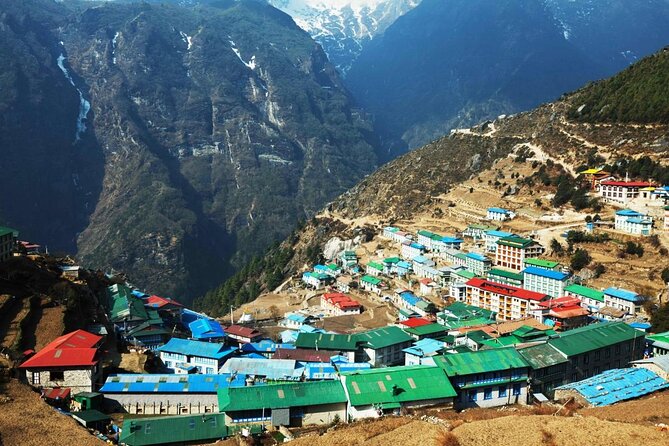
The itinerary suggests a few hundred feet vertical treks during the day or exploring Namche Bazaar. This is where the Everest region feels like a small world of its own. You’ve got tea shops, lodges, souvenir shops, ATMs, money exchangers, internet cafes, and restaurants. You can even visit a visitor center area near the Sagarmatha National Park headquarters.
The real value for you is simple: this day helps you adjust your pace before the trail starts pushing higher. Many first-timers underestimate how big a rest day can be, until they actually feel the benefit later.
Tengboche: Monasteries, Wildlife Chances, and Height That Feels Different
From Namche, the trail heads toward Tengboche. Day five is described as moderate, with ups and downs plus improving snowy views like Everest, Nuptse, Lhotse, and Ama Dablam.
This is also a day where the trek becomes more than just altitude. You can encounter animals such as musk deer, Himalayan Thar, and colorful pheasants, and you pass through forests and villages. That wildlife possibility is a reminder to look up, not just at your feet.
There’s also the Tengboche monastery area. Monasteries in the Everest region are not decorative. They give you a sense of what Sherpa life has balanced over centuries: faith, hospitality, and living with mountains that dwarf everything else.
If you like your treks with moments of culture and not only scenery, Tengboche is one of those stops where you get both.
Pangboche to Dingboche: Higher Air and Buddhism Roots
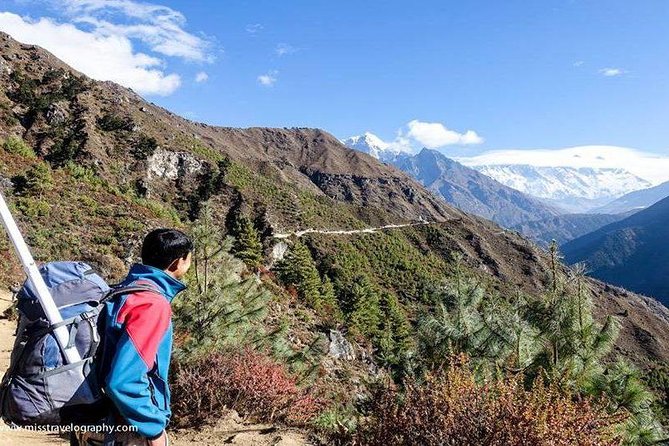
Day six moves you through the Imja Valley and up toward Pangboche (3,985m) before continuing to Dingboche (4,410m). You’ll walk higher with views improving as you climb.
Pangboche matters because the monastery there dates from early Buddhism introduction to the Khumbu region. That detail helps the stop feel grounded, not like a random checkbox. Dingboche then becomes your overnight at a real high point.
This stretch is where you can feel the air thin out more. Even if the walking time feels manageable, you’ll likely notice your breathing changes. It’s one more reason the next day is planned to help your body adjust.
Dingboche Acclimatization: The Chhukung Option for Stronger Legs
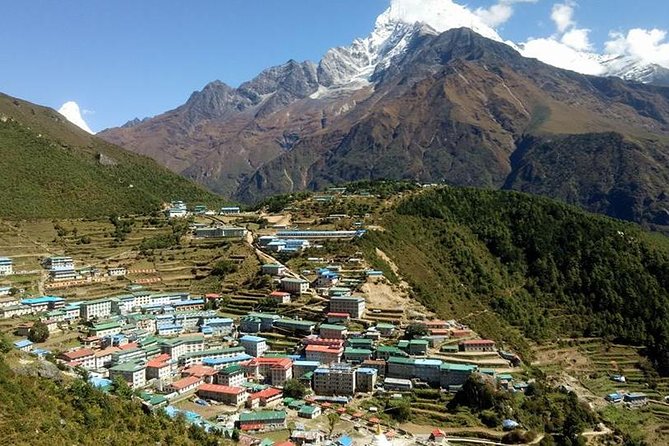
Day seven is another acclimatization day in Dingboche. You have the option to hike up to Chhukung after breakfast, starting around 8:30am. The trek up is described as not too difficult, and it’s meant as a short trip with strong views, especially of Ama Dablam.
Expect wind on the return. That’s another realistic Himalaya detail. Even when the plan sounds calm, weather can have opinions up at these elevations.
You return to Dingboche for the night. This is the kind of day you’ll either love or regret depending on how you handle effort. If you keep it steady and don’t turn it into a race, it sets you up well for the tougher days ahead.
Lobuche to Gorakhshep: The Long Build Toward Base Camp
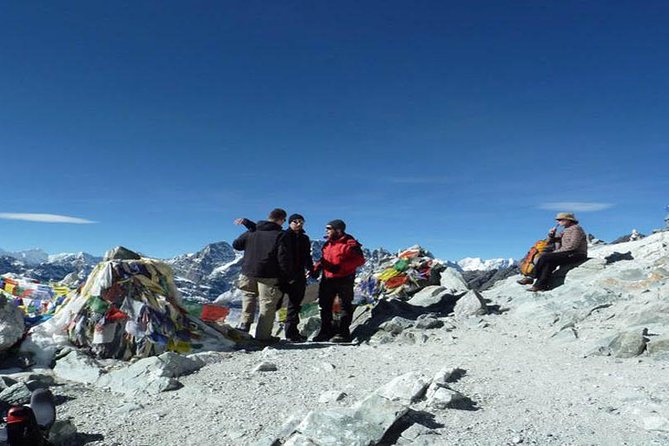
Day eight heads to Lobuche. This is a beautiful day by design. The trek moves alongside mountain views where small villages are dwarfed in the shadows of bigger peaks. Ama Dablam appears again, along with a view toward Pokalde (5,741m), Kongma-Tse (5,820m), and Nuptse.
On the way, you pass the Trekkers Aid Post at Pheriche (4,240m). It is described as a spot volunteered by western doctors. Then you reach Chukpo Lari after a short and steep climb, a place with memorials for climbers who died during Everest expeditions.
This is one of the days where I think it helps to keep your head in a respectful place. The scenery is jaw-dropping, but the memorials add context. You’re walking through a route shaped by real human stories, not just scenery.
Everest Base Camp Day: Rocky Paths, Glacial Ponds, and Time to Feel It
Day nine is the long day to reach Everest Base Camp, described as around 8 hours. You start on rocky paths with glacial ponds and icebergs, climb through meadows and moraine stone steps, and reach Gorakhshep.
From there, you can climb to Kalapathar (5,555m) or continue heading to Everest Base Camp. The plan has you spending time at base camp, then returning to Gorakhshep for the night.
This is the moment many people dream about. But practical tip: base camp is not a quick photo stop. It’s a place where the air is thin and everything takes a little more effort. Give yourself time to look around slowly, not just snap pictures and rush back.
On this day, base camp time is included in the trek plan, and the overnight continues in the Gorakhshep area with a guesthouse setup.
Kala Patthar Morning: Hard Climb, Big Reward
Day ten includes an early morning start. You go up for Kala Patthar (starting from the Gorekshep area) after about two hours of ascent. The summit climb is described as strenuous, and the reward is a view beyond your imagination.
Kala Patthar is surrounded by glaciers and panoramic views that include Pumori, Nuptse, Changtse, Ama Dablam, Taweche, Everest, and Kantega. The top is marked with prayer flags and cairns, and there’s a small stupa and a weather station.
Then you breakfast back at Gorakhshep and descend to Pheriche for a well-earned rest. It’s a smart structure: push hard in the morning, then recover with a lower night.
This is the day you should treat with respect. If you get lightheaded or your breathing feels out of proportion, slow down and follow your guide’s pace. The trip includes an oxi-meter in the first aid kit, which gives you another tool to monitor pulse during the trek.
Return Down to Namche and Lukla: Let Your Body Breathe
Day eleven brings the pleasant part of the trek, the return down. You descend through valleys and pasturelands toward Namche Bazaar, passing Tengboche on the way. Breathing becomes easier as altitude drops and temperatures rise.
You follow your steps back toward Lukla. You’ll also cross areas with rhododendrons and juniper trees, and there’s a mention of wildlife like colorful pheasants, mountain goats, and snow leopards. Since snow leopard sightings are not guaranteed, I’d treat that as a chance, not a promise.
Day twelve continues the downhill trek to Lukla. The route includes the Tenzing and Hillary suspension bridge and passes Dudh Koshi River banks with multiple suspension bridges again. You finish in Lukla and can explore Lukla Bazaar to celebrate with your crew.
After all that ascent, the descent can feel surprisingly gentle, but don’t relax your foot care. Your knees do not care that you’re happy.
Back to Kathmandu: The Flight Over the Clouds
Day thirteen is flight day from Tenzing Hillary airport. You board a scenic 35-minute flight back to Ramechhap or Kathmandu, flying over clouds and getting views of the Khumbu region. Then you transfer to your hotel for a real rest.
The evening farewell dinner is on your calendar, which gives the trek a satisfying end rather than just a checkout and disappear.
Day fourteen is the airport drop-off in Kathmandu so you can catch your flight home on time.
Price and Logistics: What $1,600 Buys You (and What It Does Not)
At $1,600 per person for a roughly 14-day guided trek, the value is strongest in the stuff you would otherwise pay extra time and hassle to arrange yourself.
Included details that matter:
- Domestic flights round-trip (to and from Lukla)
- Professional guide who is described as professional and government certified
- All essential trekking permits and entrance fees, plus local taxes
- Twin sharing local lodges during the trek
- 3 meals a day during the trek (breakfast, lunch, dinner)
- Two Kathmandu hotel nights with buffet breakfast
- First aid kits including an oxi-meter to measure your pulse
- A company duffel bag and sleeping bag to use if needed
- A trip achievement certificate
Not included items you need to plan for:
- Nepal entry visa and your international flights
- A porter is extra cost (porter available at extra cost)
- Drone permits if you plan to fly inside Sagarmatha National Park (special permits required)
So when you think about value, don’t just compare the price tag to other treks. Compare what you’re getting in guiding, permits, and meals. If you’d rather spend money on support than hours organizing permits and logistics, this package makes sense.
Also note the trek is described as a private tour/activity where only your group participates. That tends to mean fewer surprises with mixing strangers on key days.
Guides, Team Support, and Why It Shows in the Small Stuff
In the accounts around this operator, one name keeps surfacing: Ganesh, who is praised for responsiveness and proactive communication before and during the trip. You’ll also see guide names like Keshab, Krishna, and Prakash Gurung described as attentive and supportive.
Two specific patterns stand out from those experiences:
- People mention guides being present and helpful with safety and motivation, not just pointing at the trail.
- Guides are sometimes described as flexible with how the trip runs for the group, which is valuable on a trek where your body has opinions.
Another detail I like: the inclusion of an oxi-meter. You’re not dealing with altitude as a vague concept. You have a tool for pulse checks, and that can help you make smarter pacing calls.
Who Should Book This EBC Trek, and Who Should Rethink It
This trek is best for you if:
- You have moderate physical fitness and you’re ready for long walking days
- You want a guided experience where permits, fees, meals, and lodging logistics are handled
- You care about acclimatization planning, not only reaching a landmark
You might want to reconsider if:
- Your fitness is low right now and you don’t have time to train
- You hate shared rooms and simple lodge conditions (twin sharing local lodges are part of the package)
- You’re unwilling to handle the long day to reach Everest Base Camp and the strenuous Kala Patthar climb
Should You Book Glorious Himalaya for Everest Base Camp?
If you want an organized, guided Everest Base Camp trek that handles permits, meals, lodging, and support while still keeping things authentic, I think this option fits well. The strongest reason to book is the combination of structure and altitude pacing, especially the acclimatization days and the Kala Patthar payoff that’s built into the plan.
If you’re the type who enjoys scrambling together details and customizing every part yourself, you may find this style less appealing. But most people doing EBC for the first time are buying peace of mind as much as they’re buying a view.
My simple call: if you can handle moderate fitness, you want a certified guide and practical support, and you’re okay with twin-share guesthouses, this is a solid way to go.
FAQ
How long is the Everest Base Camp trek?
The duration is listed as 14 days approximately.
Where does the trip start and end?
It starts in Kathmandu, Nepal. It ends back in Kathmandu after the return flight from the Solukhumbu region.
Are flights included in the tour price?
Yes. The tour includes round-trip domestic flights, including the flight to Lukla and the return flight back toward Ramechhap or Kathmandu.
What meals are included during the trek?
The trek includes 3 meals every day (breakfast, lunch, and dinner), plus seasonal fruits in the evenings as desserts.
Are trekking permits and entrance fees included?
Yes. The package includes essential trekking permits and entrance fees, plus government and local taxes.
Are lodge accommodations included?
Yes. You stay in best available twin sharing local lodges during the trek, and you also get 2 nights in Kathmandu with buffet breakfast.
Is a porter included?
Porter availability is listed as extra cost. The tour includes a professional trekking guide, but you should budget separately if you want a porter.
Does the tour include medical support like an oxi-meter?
Yes. First aid medical kits are included, including an oxi-meter to measure your pulse during the trek.
If I cancel, do I get a refund?
You can cancel up to 24 hours in advance of the experience for a full refund. If you cancel less than 24 hours before the start time, the amount paid will not be refunded.
Latest Kathmandu write-ups
- Langtang Valley Trek★ 5.0 · 3 reviews
- Khopra Danda Trek★ 5.0 · 3 reviews
- Langtang Valley Trek from Kathmandu★ 5.0 · 3 reviews
- 5 night / 6 days Kathmandu Nagarkot Chitwan Pokhara tour★ 5.0 · 3 reviews
- Nepal Highlights Tour: 5 Nights 6 Days Kathmandu & Pokhara Tour★ 5.0 · 3 reviews
- Kathmandu Valley Private Day Tour★ 5.0 · 3 reviews
- Conquer the Himalayas: The Ultimate 16-Day Annapurna Circuit Trek★ 3.5 · 3 reviews
- Kathmandu Heritage Day Tour★ 5.0 · 3 reviews
Everest Base Camp Trek, compared.



Everest Base Camp Helicopter Tour landing at Everest View Hotel
Read our review →



Everest Base Camp Helicopter Tour landing at Hotel Everest View
Read our review →
Browse the lists this tour appears in