
Reviewed · EVEREST BASE CAMP TREK
Everest Base Camp Trek
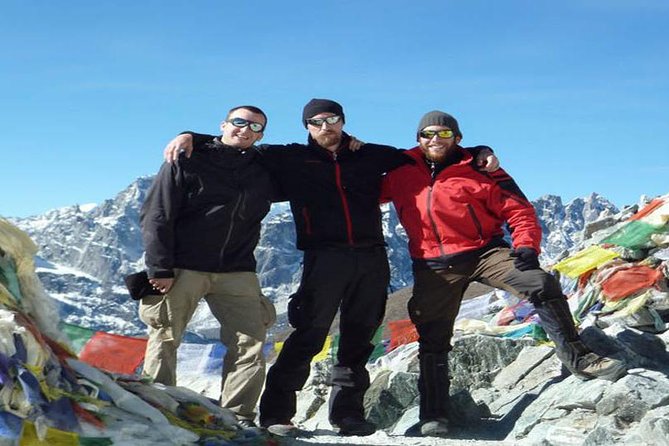
Few treks mix a ready-for-action flight day, daily mountain drama, and then the big pay-off of standing near Everest Base Camp. This one also has a human rhythm to it, with Sherpa guides and porters organizing your pace and your safety as you climb and recover.
What I like most is the support structure, English-speaking guide plus a porter (one porter for two trekker). You also get acclimatization built into the calendar, with rest and adjustment days in Namche and Dingboche, not just hope and grit.
The one thing to think about up front is cost add-ons and self-sufficiency. Your trek price covers key logistics and some meals, but it does not include accommodation during the trek or national park permit fees, and you’ll also need personal gear for cold nights and weather swings.
Key highlights that matter on the ground
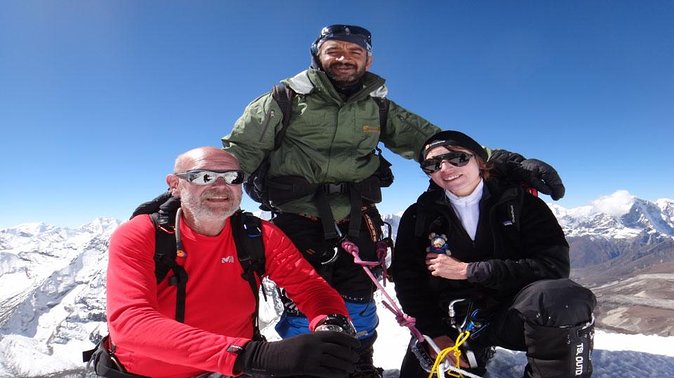
- Sherpa-led safety focus with a guide and porter team, including the one-porter-for-two support ratio
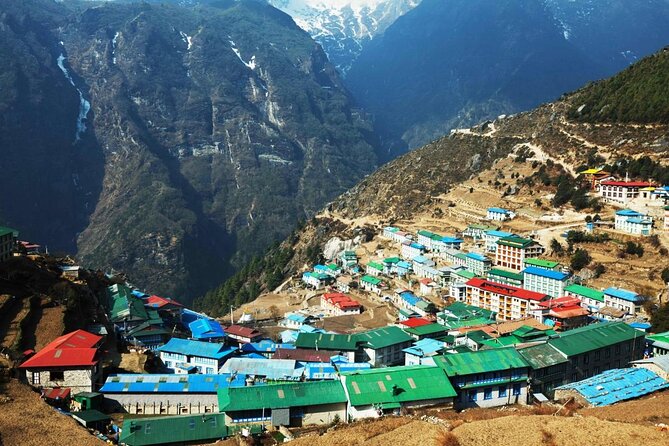
- Acclimatization days in Namche and Dingboche, designed to help you handle the altitude grind
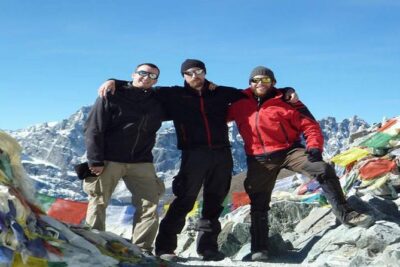
- A true Base Camp day plus a Kalapatthar push, so you are not just walking, you are chasing viewpoint rewards
- National Park access while you hike, entering Sagarmatha National Park early on the route
- Meals are largely covered during the trek, but drinks and extra costs like hot showers and battery charging are not
- Operator responsiveness and flight contingency know-how, with past trips noting fast handling when Lukla flight plans change
Kathmandu arrival: Thamel comfort, a culture stop, and getting your bearings
Your trek doesn’t start with a bus ride and a shrug. On the first day in Kathmandu, a representative from Adventure White Mountain receives you and transfers you to your hotel in Thamel. If your arrival day energy is decent, you can wander nearby and grab small refreshment stops before you turn in.
If you have time, Kathmandu Durbar Square is the next stop. It’s a short hop from Thamel, and it’s a good way to shift your brain from airport mode to Nepal mode. The main catch is that the admission ticket is not included, so bring a bit of cash for entrance.
Also keep in mind the practical stuff: confirmation is handled at booking time, pickup is offered, and you get a mobile ticket. For a trek that starts early the next morning, that kind of setup reduces stress.
More ways to walk to Everest Base Camp:
- Everest Base Camp Trek – 14 Days
★ 5.0 · 1,499 reviews - Everest Base Camp Trek
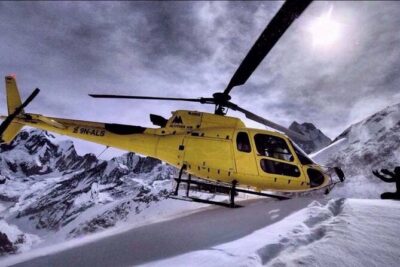
★ 5.0 · 842 reviews - Everest Base Camp Helicopter Tour landing at Everest View Hotel
★ 5.0 · 668 reviews
What to watch for
You are only in Kathmandu for a day or so, so don’t spend the whole time packing mental energy. Use Day 1 to sort out your layers, confirm what you still need, and get a proper night of sleep.
Lukla flight and the long walk into Sagarmatha National Park
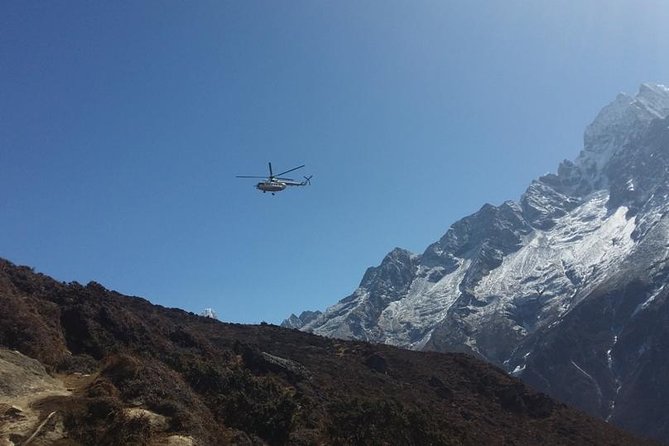
Day 2 is a big mental shift day. You head to Tribhuvan Domestic Airport at dawn for the short flight to Lukla, about 30 minutes. It sounds brief, but it feels like the Himalayas show up fast once you lift off. From the air you get mountain, hills, greenery, and lakes in quick flashes, then you land and the real trekking begins.
Right after Lukla, you trek to Phakding. Your guide gives trip context early, and you travel with your porter right away. This is a good day for settling into walking rhythm, not testing yourself.
The next main move is toward Namche Bazaar, with Dudh Koshi along the way and a route that passes through rhododendron and pine forests. You also stop at Monjo, the entrance area to Sagarmatha National Park. This matters because you’re not just walking scenery, you’re hiking on a protected route that shapes what you see and where you pass.
You finish Day 3 at Namche Bazaar and get a stretch of time among locals. That night is valuable because Namche becomes your acclimatization base for what’s coming next.
The one drawback to plan around
Flights can be weather-sensitive in Nepal, and your overall experience needs good conditions. Your trek is described as requiring good weather, so you should have patience if schedules wobble and build in a calm mindset.
More to compare around Kathmandu
- Private Kathmandu Sightseeing Tour | UNESCO World Heritage sites
★ 5.0 · 756 reviews - Kathmandu: 7 UNESCO Sites with Lunch
★ 4.8 · 744 reviews - Half day cooking class in Thamel kathmandu
★ 5.0 · 607 reviews - Everest Base Camp Trekking
★ 5.0 · 485 reviews
Namche and Dingboche: acclimatization days that actually do something
On Day 4, you get a true acclimatization day in Namche. This is not a lazy day. You explore Namche to learn culture and you also visit Sagarmatha National Park. The point is to adjust your body to the altitude before the bigger climb days start, which is the kind of planning that keeps you trekking instead of recovering.
Day 5 ramps up. You climb above the Dudh Koshi River, and you move along a path that funnels you toward Tengboche. The route is described as bounded by other Himalayas, and you may spot wildlife, including Danfe, Nepal’s national bird, which is common in this region.
You also get a mix of ascent and descent, including a down-track section to Phunkitenga from Trashing before you climb again. The lunch stop happens in the middle of this day, so you are not constantly rushing for food.
You sleep in Tengboche, which is a classic viewpoint area. The next day continues the upward feel, moving from Tengboche to Dingboche via rhododendron forests and past “white mountain” views. Your overnight at Dingboche keeps you in the altitude game while giving you time to recover.
Day 7 is the second acclimatization buffer. You explore Dingboche and climb up to Nagarkshang hill, then return to your hotel. Even if you don’t think of yourself as a “view person,” this kind of short out-and-back helps you feel more human before the Base Camp push.
What I’d do if I were you
Pack a little system for cold breaks. These days involve walking, stopping, and re-starting. If your layers are predictable, you stay warm without turning every break into a clothing negotiation.
The Base Camp push: Gorakshep, Lobuche cold, and the Everest 8,848 moment
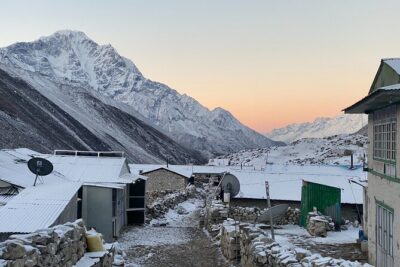
As you move deeper into the Khumbu region, the days get more serious. Day 8 takes you from the Douglas area toward Khumbu Glacier, and along the way you pass views toward Tawache and Chotlaste before reaching Lobuche. Lobuche is called out as very cold due to geography, so this is not the day to under-pack warm layers.
Day 9 is when the dream becomes a target. You move further toward Everest Base Camp, described as the staging area where mountaineers prepare for the climb of Mt. Everest, 8,848 meters. At noon, you go on toward Gorakshep and spend the night there.
This is also where logistics and pacing matter most. You need energy for the Base Camp moment, but you also need enough in reserve to handle the cold and the altitude effects that often show up late in the day.
A quick reality check that helps
You should be ready for unpredictable weather patterns in this region. Even if your trekking weather is okay, your Base Camp and viewpoint days are still exposed. Your best tool is following the guide’s pace and staying disciplined about warm clothing and hydration.
Kalapatthar early, the return through Namche, and the Lukla Bazaar pause
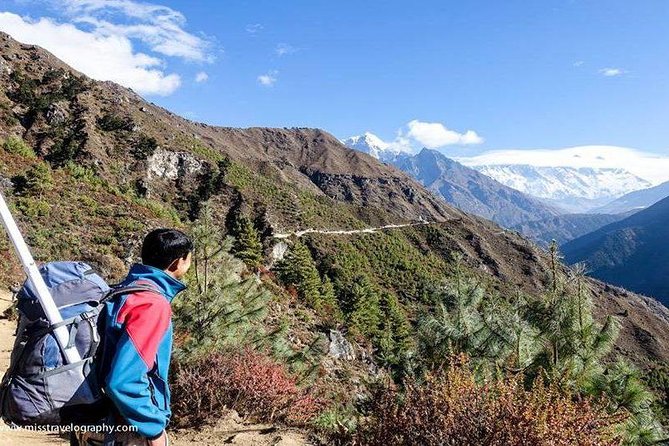
Day 10 starts early with a walk to Kalapatthar, described as surrounded by mountains everywhere. After that viewpoint effort, you reach Pheriche and end the day with an overnight.
Day 11 brings the return energy. You go back to Tengboche and explore it for a couple of hours, then you travel on to Namche Bazaar for the night. This return route is valuable because it lets you recognize earlier passes, not just chase them.
Day 12 is the longer distance day. You head toward Lukla, including a stop at the Lukla Bazaar where you can buy souvenirs for family and friends. It’s also a nice mental switch because the trek is clearly winding down.
Day 13 in Kathmandu: flight out and a farewell dinner
On Day 13 you fly from Lukla back to Kathmandu, about half an hour. Once you’re back, you can roam a bit and reset after days of mountain focus. In the evening, Adventure White Mountain staff offer a farewell dinner for completing the trip.
That last meal sounds simple, but I like it because it gives closure. You also get a chance to ask final questions about how the team handled your pacing, safety, and connections.
Price and value: what $1,800 covers, and what you should budget beyond it
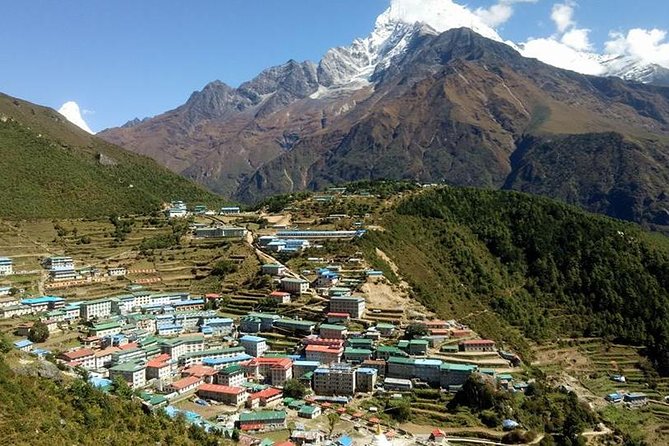
At $1,800 per person for an approximate 13-day trek, this package aims to balance guided logistics with real-world trekking costs. Here’s how I’d think about value based on what’s included.
What’s included:
- Transport both ways on flights to Lukla and back to Kathmandu, including a sharing vehicle
- Human assistance with a professional English-speaking trekking guide plus one porter for two trekkers
- Meals during the trek, with breakfast listed as 12, lunch as 11, and dinner as 11
What you should budget separately:
- Accommodation during the trip
- National Park permit fees
- Personal equipment like jackets, trousers, gloves, and hats
- Extras such as hot shower fees, battery charge, and WiFi tips for your guide and porter
- Drinks and other meal items beyond what’s listed as included
The value story here is not just the trek itself. You are paying for the flight connection, the guide, and the porter support that helps you keep moving at the right pace. That matters a lot on a trail where cold and altitude are constant variables.
A practical tip on the “meal” wording
The details list meals as included, but it also flags breakfast, lunch, and dinner in the not-included section. Before you go, I’d confirm exactly what’s covered for your departure date: which days, which meal types, and whether that includes standard drinks or only main meals. You’ll avoid surprises and keep your packing list clean.
Who this Everest Base Camp trek suits, and who should rethink
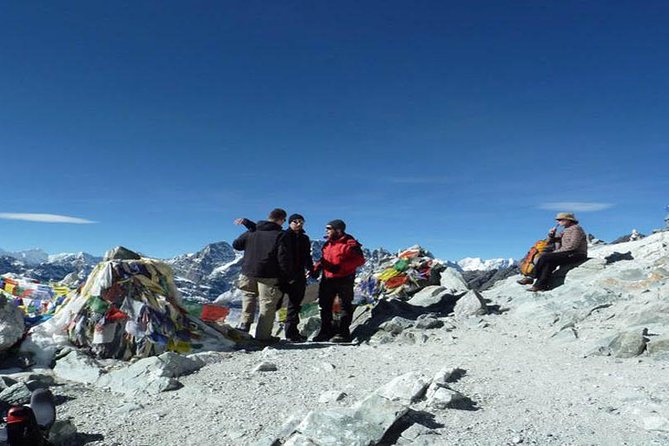
This is best for you if:
- You have moderate physical fitness and you understand this is a multi-day high-effort route
- You want a guided approach with acclimatization days rather than trying to “power through”
- You value support from a guide and porter team, especially as temperatures drop in places like Lobuche
You might rethink this if:
- You don’t have the gear or funds for cold-weather basics and overnight accommodations during the trek
- You expect all meals and drinks to be fully included with zero extras
- You are not comfortable with weather sensitivity, since the experience is described as requiring good weather
If you like having a plan, this route gives you one. If you like spontaneity and last-minute changes, Nepal can still surprise you, but the team’s job is to manage those bumps.
Should you book this Everest Base Camp experience?
Yes, I think you should book it if your priority is a structured EBC trek with real support. The standout value pieces are the guide and porter ratio, the built-in acclimatization stops, and the fact that the trek includes key logistics like the Lukla flights and a Kathmandu welcome.
Before you pay, do three simple checks:
- Confirm what “included meals” means for your exact dates, especially drinks
- Budget for permits and trek accommodation, plus charging and hot shower fees
- Pack for cold nights and layered walking, since Lobuche and the higher days can be unforgiving
If you do those, you’re set up for one of the most memorable mountain experiences on the planet, without turning the planning process into a second full-time job.
FAQ
What time does the trek start, and where do we meet?
The start time is listed as 7:15 am. The meeting point is noted as being near public transportation.
How many days is the Everest Base Camp trek?
The duration is 13 days (approx.).
Is this a private trip or a shared group tour?
It is described as a private tour/activity, meaning only your group participates.
Are flights to Lukla included?
Yes. Both way flights to Lukla and back to Kathmandu are included, along with a sharing vehicle for transport.
What meals are included in the price?
Breakfast, lunch, and dinner are listed under included meals (breakfast 12, lunch 11, dinner 11). Drinks are listed as not included, and you should confirm what is covered for your departure.
What costs are not included?
Not included are things like accommodation during the trip, national park permit fees, personal equipment, and extras such as hot shower fees, battery charge, and WiFi tips.
If plans change, can I cancel for a full refund?
Yes. You can cancel up to 24 hours in advance for a full refund (local time applies). Within 24 hours, the amount paid is not refunded.
Latest Kathmandu write-ups
- Langtang Valley Trek★ 5.0 · 3 reviews
- Khopra Danda Trek★ 5.0 · 3 reviews
- Langtang Valley Trek from Kathmandu★ 5.0 · 3 reviews
- 5 night / 6 days Kathmandu Nagarkot Chitwan Pokhara tour★ 5.0 · 3 reviews
- Nepal Highlights Tour: 5 Nights 6 Days Kathmandu & Pokhara Tour★ 5.0 · 3 reviews
- Kathmandu Valley Private Day Tour★ 5.0 · 3 reviews
- Kathmandu Heritage Day Tour★ 5.0 · 3 reviews
- Conquer the Himalayas: The Ultimate 16-Day Annapurna Circuit Trek★ 3.5 · 3 reviews
Everest Base Camp Trek, compared.

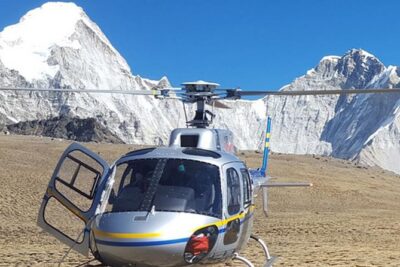
Everest Base Camp Helicopter Tour landing at Everest View Hotel
Read our review →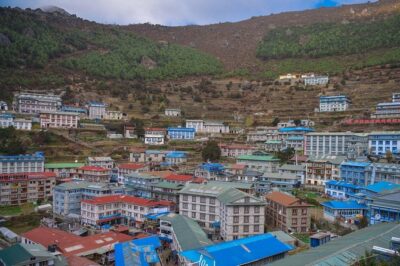
Everest Base Camp Helicopter Tour landing at Hotel Everest View
Read our review →
Browse the lists this tour appears in