
Reviewed · EVEREST BASE CAMP TREK
13-Day Private Trekking Experience in Everest Base Camp
A 13-day private trek to Everest Base Camp is interesting because it mixes high Himalayan goals with a realistic climbing plan. I like this itinerary’s acclimatization focus, especially the extra time in Namche Bazaar and Dingboche before you go higher.
I also like that the price bundles the big moving parts: Kathmandu-Lukla round-trip flights, a licensed guide, permits, and key trekking gear like poles and a sleeping bag. The main drawback to plan for is that it is still a hard altitude trek with long walk days, and there is no hot shower during the trek.
Key highlights at a glance
- Private trek with a licensed guide throughout the Everest region days
- Acclimatization built in with extra nights in Namche Bazaar and Dingboche
- Kala Patthar timing for major viewpoints on the way to Everest Base Camp
- Tea house lodging plus full meal support during the trek
- Gear included, including trekking poles and a sleeping bag
- Extra costs are predictable (no wifi/charging, bottled water not included, no hot shower)
Why this Everest Base Camp trek feels practical
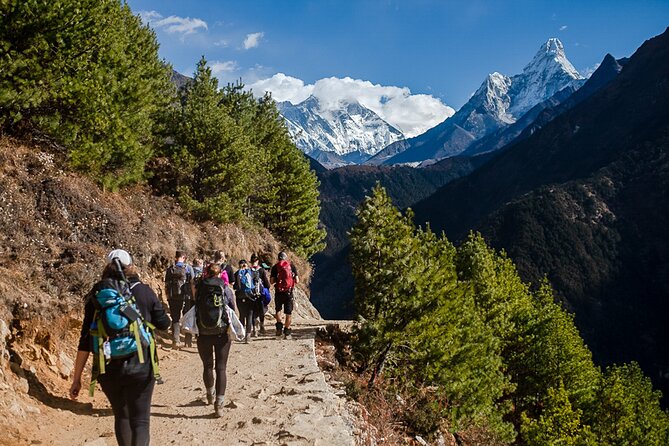
Everest Base Camp is famous for one reason: it is the kind of place that makes your brain go quiet and your camera go wild. But getting there is not just about willpower. It is about doing the climb in a way your body can handle, step by step, day by day.
This tour is designed around that reality. You fly into Lukla, then you work up gradually through classic Sherpa villages and tea-house country, with planned rests that help reduce risk from altitude issues. You’ll still work hard, though. The walk days are long enough that you should be ready for sore legs and slow, careful breathing.
The other practical win is how “logistics heavy” this trip is, without making you carry the logistics burden yourself. Domestic return airfare, permits, national park fees, and core gear are handled up front. That matters when you are trying to focus on the trek, not on chasing pieces of the plan.
More ways to walk to Everest Base Camp:
- Everest Base Camp Trek – 14 Days
★ 5.0 · 1,499 reviews - Everest Base Camp Trek
★ 5.0 · 842 reviews - Everest Base Camp Helicopter Tour landing at Everest View Hotel
★ 5.0 · 668 reviews
Kathmandu pre-trek: your first altitude buffer
You start in Kathmandu with an airport pickup and a transfer to a 3-star hotel for acclimatization. This matters more than it sounds. Kathmandu sits at a higher elevation than most travelers are used to, and day one gives you time to settle, hydrate, and adjust before the Lukla flight and the hiking start.
You also get time in Thamel, the well-known tourist neighborhood with shops and plenty of street life. Keep expectations realistic. Thamel is useful for last-minute needs and getting oriented, not for peaceful quiet time. Use it to grab essentials, confirm your gear, and mentally shift from city mode to mountain mode.
One timing detail to remember: the tour is set to begin early, with a 6:15 am meeting start. Even if you are arriving the day before, you’ll want to be well-rested so mornings feel manageable.
Lukla to Phakding: the Sherpa-village warm-up day
On day two you fly to Lukla (about 2,800 m). The flight is part of the experience in most people’s minds, because you get big mountain views as you approach Lukla. Then you start trekking toward Phakding.
This is the first true “feet on the trail” day. It is described as about 3 hours of walking, roughly 9 km to Phakding (about 2,610 m). Along the way you pass colorful Tibetan Buddhist prayer walls, monasteries, and monuments. It is a gentle on-ramp to the Everest region culture, and it helps your body get into a rhythm before the climbs get serious.
Practical tip: hydrate early. The plan calls out drinking 4 to 5 liters of water a day during the trek. Even if you do not hit that exact number, do not treat hydration like an afterthought.
You’ll sleep in a lodge in Phakding, with time to relax and start acclimatization habits.
Namche Bazaar: suspension bridges and your 2-night altitude checkpoint
From Phakding you trek toward Namche Bazaar, passing places like Toktok, Benkar, Monjo, and Jorsalle. One reason this segment is memorable is the mix of trail types. You cross some famous suspension bridges early, then you gradually work uphill toward the entrance area of Sagarmatha National Park.
You also get a “big trail moment” late in the day: the long Namche Hill, which can take about 2 hours. It is not about technical difficulty. It is about endurance and pacing.
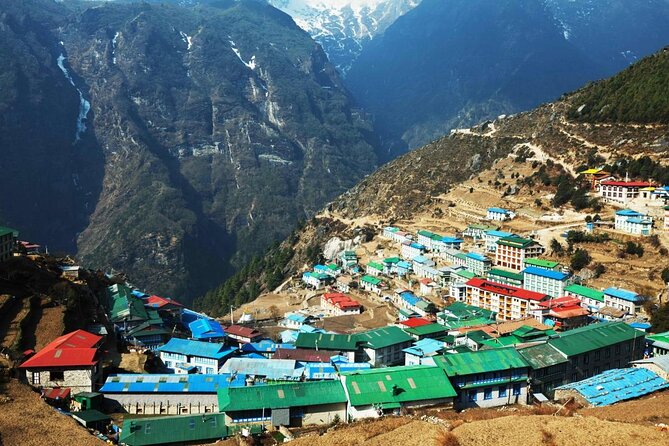
Once you reach Namche Bazaar (about 3,340 m), you stay two nights. That is a key detail. Many Everest itineraries rush this part. Here, your extra time gives you a buffer to adjust before going higher.
In Namche, you will have plenty of options for food and gear, and you also get a real sense of daily Sherpa life at elevation.
More to compare around Kathmandu
- Private Kathmandu Sightseeing Tour | UNESCO World Heritage sites
★ 5.0 · 756 reviews - Kathmandu: 7 UNESCO Sites with Lunch
★ 4.8 · 744 reviews - Half day cooking class in Thamel kathmandu
★ 5.0 · 607 reviews - Everest Base Camp Trekking
★ 5.0 · 485 reviews
Khumjung and Khunde: the acclimatization day that earns its keep
Day four is your acclimatization day, which is basically the tour’s way of saying: don’t fight altitude, work with it. This kind of day is vital if you want Everest to feel like a planned journey rather than a survival problem.
You hike to higher ground but sleep at lower elevations, then you return. The plan specifically includes routes to Khumjung and Khunde, plus a visit to the Sherpa museum and time around Namche Bazaar. You can also hike up to Everest View Hotel for panoramic mountain views.
This is also when you’ll notice how the village scenery changes with elevation. It is a chance to slow down, take more photos than you think you need, and learn what “altitude trekking” feels like in your own body.
Tengboche: a long ascent day with monastery energy
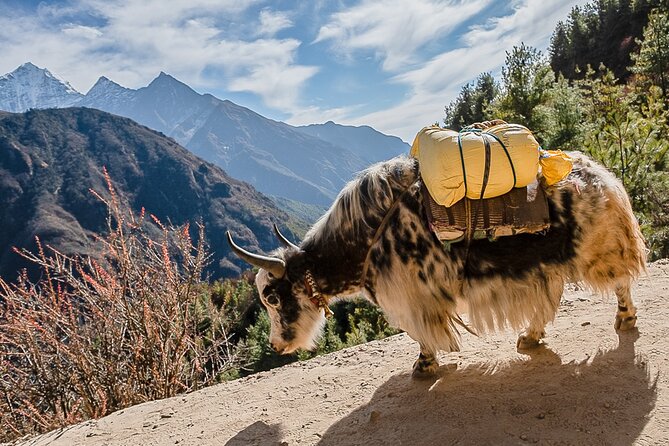
Day five takes you toward Tengboche (about 3,870 m). The day is described as about 5 to 6 hours of hiking with a total of around 12 km. It is a gradual but long ascent, and that “long” part is important. You want to keep your effort steady, not spiky.
The route includes a stop and crossing near Phungitenga over the Dudh Kosi River, and you get glimpses of water-driven prayer wheels. The prayer wheel detail is not just decorative. It’s one of those small elements that makes the Everest region feel lived-in, not staged.
You’ll arrive in Tengboche and settle into lodge life. This is also a common area for monastery atmosphere, so you’ll likely feel the spiritual rhythm of the place as you walk in.
Dingboche and the rhododendron zone: where altitude starts to bite
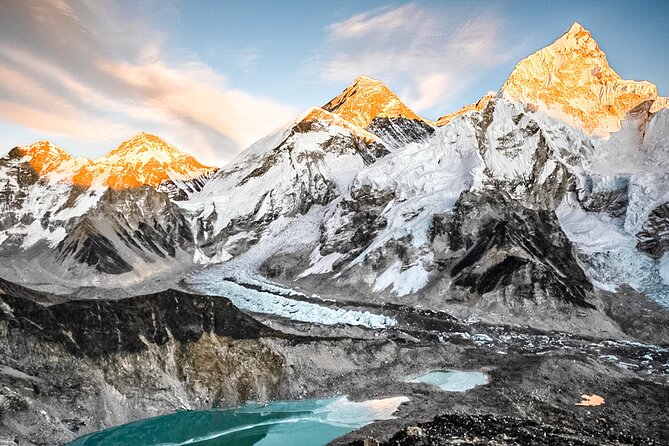
By day six you’re trekking into the higher part of the Khumbu area, reaching Dingboche after passing through places like Pangboche and Orsho. The day includes a suspension bridge near Pangboche, then gentle climbs through areas described as rhododendrons, birch, and blue pine forests.
You also get a big “look around” benefit: Dingboche is set up for views of peaks like Amadablam, Island Peak, Lhotse, Tawache, and others.
Dingboche is where altitude starts to feel real for most people. Your lungs work harder, your pace slows, and the trail itself gets more stark.
Day seven is another acclimatization-focused day. You aim for about 4,900 m with roughly 500 m of ascent and descent over about 3 hours. There’s also an optional push to Nangkar Tshang (about 5,616 m) for stronger views of Makalu and surrounding peaks. This option is physically demanding, so it is there for those who feel strong, not those who are hoping to “power through.”
Overnight stays continue in Dingboche, which is smart. Your body needs sleep at the lower elevation after the higher hike.
Lobuche: memorial cairns and a ridge that changes your mood
Day eight takes you toward Lobuche. The description includes a climb up to Thukla, a ridge above the Khumbu Khola valley, and passage through cairn memorials and stone heaps with prayer flags remembering climbers.
This is one of those days where the physical effort turns into a more emotional kind of trekking. The trail is not “hard” in a technical sense, but your altitude makes everything feel weightier. The ridge and the cairns add perspective. It is hard not to get quiet when you’re walking above Khumbu glacier country with that mix of prayer and remembrance.
You finish with an arrival in Lobuche after about an hour of trekking. You’ll sleep in lodge accommodations again.
Gorak Shep and Everest Base Camp: the hard day with the payoff
Day nine is the big grind. You start from Gorak Shep and you walk along the Khumbu glacier area, with a steep climb up to Changri glacier, then a short descent to reach Gorak Shep. It is described as about 2.5 hours, then you move on toward Everest Base Camp.
The note here is honest: this is challenging for most people. The plan includes a choice that lets you tailor the experience. You can hike Kala Patthar for sunset views instead of hiking directly to base camp, with the alternative to do base camp the next day.
That flexibility is valuable because the weather can change fast, and your body might not feel the same on every day at altitude. In other words, you do not have to treat the plan like a single rigid checklist.
Day nine ends with lodge overnight in Gorak Shep.
Kala Patthar day: sunrise and 360 degree views from 5,545 m
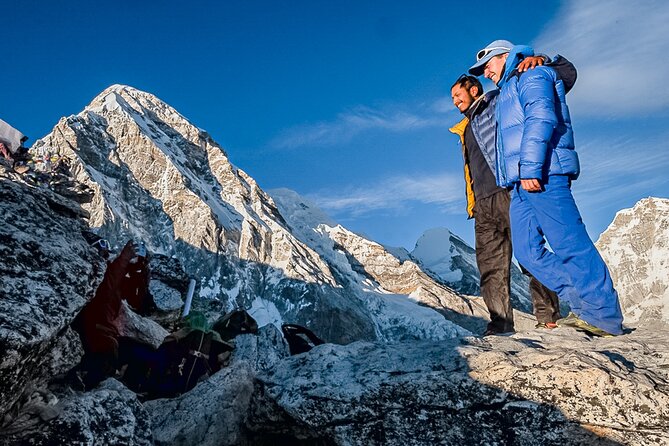
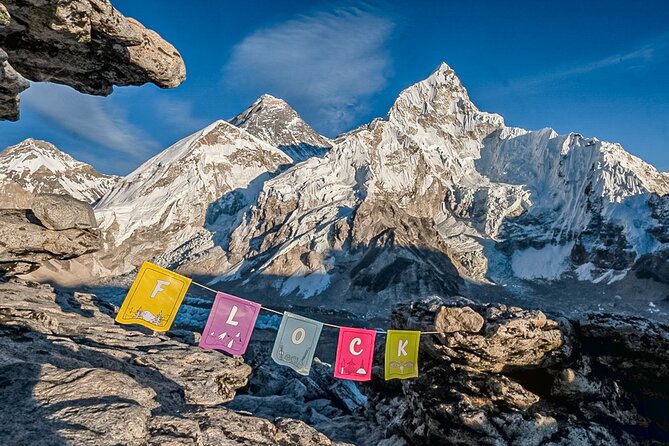
Day ten is built around Kala Patthar (about 5,550 m). You hike up from the hotel area with about 400 m of ascent, taking up to about 2 hours. Then you get a wide, all-around view described as 360 degree, including Everest, Nuptse, Lhotse, Khumbutse, Pumori, Lingtren, Amadablam, Thamserku, and Lobuche peak.
Even if you are not a “sunrise person,” this is one of the practical reasons people come to the Everest region. The view is the kind that makes all the earlier days feel worth it.
After taking in the viewpoint, you walk back down after breakfast and trek toward Pheriche via Lobuche and Thukla. The day ends with lodge overnight in Pheriche.
The return trek: long downhill days that still take work
Day eleven is the long descent day from Pheriche back to Namche Bazaar, taking about 8 to 9 hours. The distance is described as about 22 km. Even though you are going downhill and feel like your body is “recovering,” it can still hurt your knees and your energy level. On this tour, the downhill still needs smart pacing.
When you return to Namche, you’ll likely have time to enjoy simple comforts like Namche bakery options and cafes, plus a chance to reset before the final Lukla push.
Day twelve takes you from Namche Bazaar to Lukla, about 21 km, in roughly 7 to 8 hours. This is described as one of the hardest days because you are tired after the trek and still doing a long day. You pass Phakding along the way and finish with lodge overnight in Lukla.
Finally, day thirteen brings the flight back to Kathmandu. You depart Lukla around 8:30 am, and the flight is about 35 minutes. After you land, you get back to your hostel or lodging, shower, laundry, and time for meals and last-hour shopping.
Price and value: what $1,350 actually covers here
At $1,350 per person, you are paying for more than a walking route. This package includes the big-ticket pieces that usually add up fast on your own.
Here is what you get that protects you from surprise costs:
- Permits and national park fees handled for you
- A government license holder trekking guide
- Domestic return airfare Kathmandu-Lukla-Kathmandu, plus airport pickup and dropoff
- Kathmandu lodging for 2 nights in a 3-star hotel with breakfast
- 11 nights tea house accommodation during the trek
- Breakfast, lunch, and dinner during the trek, plus breakfasts covered across the trip
- Trek support extras like a first aid kit, trekking poles, and a sleeping bag
- A branded tour t-shirt included, plus organized airport transfers in Kathmandu
What’s not included helps you plan budget: bottled water, alcohol, electronic charging and wifi during the trek, and hot shower during the trek. In other words, you are not paying for every convenience, but you are paying for the core structure that makes an Everest trek doable.
Also, this is a private tour, meaning only your group participates. That can be the difference between waiting around and having your days run on schedule.
Guides and support: the difference between a trek and a trip
Everest Base Camp is a physically demanding goal. But what makes it feel safe and smooth is how guidance works on the details, from pacing to daily decisions.
In the feedback I’ve come across, guides like Dorchi Sherpa and Kumar are praised for being caring, professional, and helpful in the field. Dan is described as supportive and tied to a personalized feel. There is also mention of quick, detailed communication from staff like Arkita, which matters if plans need adjusting.
You should also notice what is included: a licensed guide, plus the team handling the flights from Lukla and checking that things are okay during the trek. That is not flashy, but it’s exactly the kind of support that prevents small problems from becoming big ones at altitude.
What to expect day to day: pace, meals, and real altitude rhythm
This trek follows a recognizable Everest rhythm: lower elevations first, then staged climbs, then the push toward Kala Patthar and base camp, then a long but manageable descent.
Meals are part of the structure. The plan includes breakfast, lunch, and dinner during the trek at tea-house lodge settings. That means you can focus on eating enough, not searching for meals you might not find. It also means the daily schedule is built around predictable meal timing.
Hydration matters on this itinerary. The plan explicitly calls out drinking 4 to 5 liters per day. That is a lot, but the message is clear: keep fluids moving.
And you should plan for limited creature comforts. There is no hot shower during the trek, and charging and wifi are not included. Pack like you want function, not convenience. A power bank and careful planning for electronics can save you headaches.
Packing and comfort moves that fit this specific itinerary
Because trekking poles and a sleeping bag are included, you can travel lighter than you would on many other EBC options. Still, you’ll want to bring your own clothing layers and small essentials for a cold, high-altitude environment.
If you want a smooth experience, focus your packing list on:
- Layers you can add or remove as you move from village to ridge to glacier country
- Gloves and a warm hat for colder morning viewpoint time around Kala Patthar
- Sunscreen and lip protection, since high elevation sun can be intense
- A system for staying hydrated day after day
- A daypack for the items you do not want to dig for at each stop
Because bottled water is not included, decide early how you will handle water and refill points. The itinerary stresses lots of drinking, so this is not a minor detail.
Should you book this Everest Base Camp private trek?
If your goal is to do Everest Base Camp with a smooth acclimatization plan, this itinerary is a strong match. The pacing is built around real rest days, and the trip structure removes many logistics headaches by bundling permits, domestic flights, guide support, tea-house stays, and meals.
Book this trek if:
- You want a private, guided experience with predictable daily support
- You are aiming for the Kala Patthar viewpoint experience as part of your plan
- You prefer an organized package over figuring out permits, guides, and domestic flights on your own
- You can handle long hike days, especially the return segments from Pheriche to Namche and Namche to Lukla
Skip it or ask more questions first if:
- You rely on hot showers during the trek or constant charging and wifi
- You are not comfortable with cold mornings and long days at altitude
- You want a lighter, shorter walk schedule (this one is 13 days with substantial hiking)
FAQ
What city does this Everest Base Camp experience start in?
It starts in Kathmandu, Nepal, with pickup from Kathmandu International Airport.
What is the meeting point start time?
The experience has a start time of 6:15 am.
Does the tour include domestic flights to Lukla?
Yes. Domestic return airfare for Kathmandu-Lukla-Kathmandu is included, including airport pickup and dropoff.
How many nights do you stay in Kathmandu?
You have 2 nights in Kathmandu in a 3-star hotel, including breakfast on Day 1 and Day 13.
How many nights are spent at tea houses during the trek?
There are 11 nights of accommodation at tea houses during the trek.
Are meals included on the trek?
Yes. Breakfast, lunch, and dinner are included during the trek at mountain tea-house lodges.
What trekking gear is included?
Trekking poles, a sleeping bag, and a first aid kit are included, along with an Alpwander Adventures t-shirt.
Is a hot shower available during the trek?
No. Hot shower during the trek is not included.
What is not included in the price?
Packed bottled water, alcoholic beverages during the trek, electronic charging and wifi during the trek are not included.
What is the cancellation policy?
You can cancel up to 6 days in advance for a full refund. If you cancel 2 to 6 days before, you get a 50% refund, and within 2 days there is no refund.
Latest Kathmandu write-ups
- Langtang Valley Trek★ 5.0 · 3 reviews
- Khopra Danda Trek★ 5.0 · 3 reviews
- Langtang Valley Trek from Kathmandu★ 5.0 · 3 reviews
- 5 night / 6 days Kathmandu Nagarkot Chitwan Pokhara tour★ 5.0 · 3 reviews
- Nepal Highlights Tour: 5 Nights 6 Days Kathmandu & Pokhara Tour★ 5.0 · 3 reviews
- Kathmandu Valley Private Day Tour★ 5.0 · 3 reviews
- Conquer the Himalayas: The Ultimate 16-Day Annapurna Circuit Trek★ 3.5 · 3 reviews
- Kathmandu Heritage Day Tour★ 5.0 · 3 reviews
Everest Base Camp Trek, compared.



Everest Base Camp Helicopter Tour landing at Everest View Hotel
Read our review →


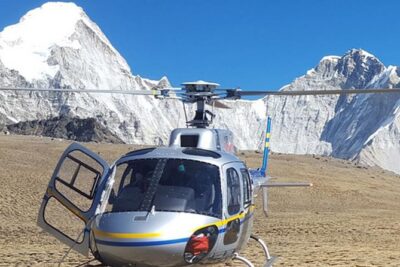
Everest Base Camp Helicopter Tour landing at Hotel Everest View
Read our review →
Browse the lists this tour appears in