
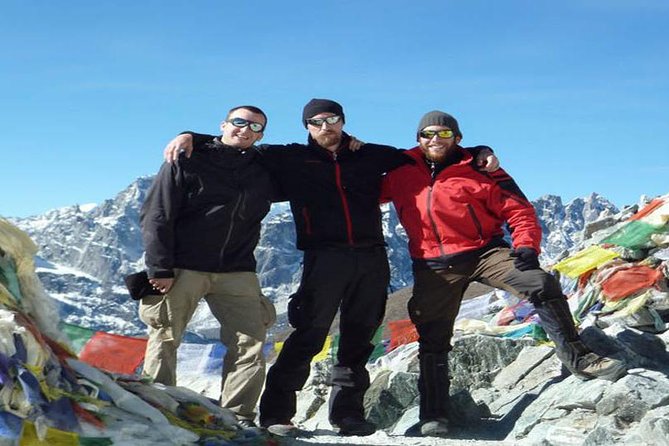
Reviewed · EVEREST BASE CAMP TREK
Everest Base Camp Trek
Everest Base Camp is one of those trips that sounds simple until you see the scale of it on approach. You’re heading into the realm of Chomolungma, Sagarmatha, and the big white walls of the Khumbu, and this route gives you a real sense of altitude and timing instead of just marching uphill. I also really like how much the experience leans on people, guides like Vision Tamang and Biru are repeatedly highlighted for being supportive, patient, and focused on keeping the group moving well.
Two other big wins: you get a smooth Kathmandu start with sightseeing and trek prep, and the itinerary builds in acclimatization stops that make the high days more manageable. The one drawback to consider is altitude, especially on summit day around Kala Pattar at 5,545m, plus the trekking peak in May can mean early mornings feel extra intense.
Key highlights that make this Everest Base Camp trek work well
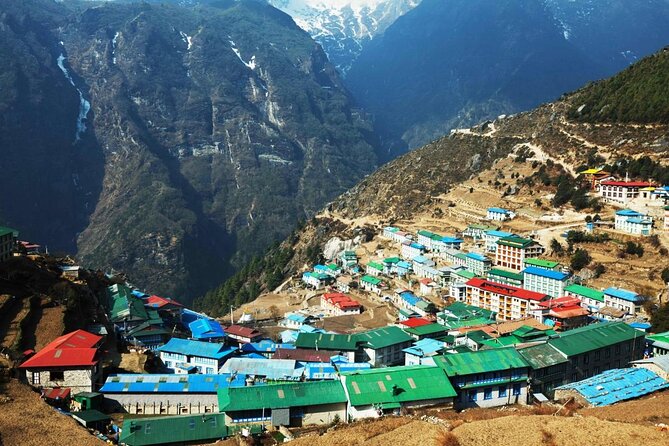
- Acclimatization pacing in Namche and Pheriche, with walk-higher and rest-return rhythm
- Lukla flight setup plus porter support so you can focus on trekking, not carrying everything
- Sherpa culture stops like Tengboche monastery and daily village passing through the Khumbu
- Base Camp plus Kala Pattar for two distinct Everest perspectives, not just one postcard day
- Meals and tea included on trek with choice of breakfast, lunch, and dinner
- Strong guide support track record, including groups with mixed experience levels reaching Base Camp safely
Why Everest Base Camp hits you differently than the word Everest
Everest is the headline, but the trek makes the whole mountain region feel personal. You’re not just aiming at a number like 8,848m, you’re moving through named valleys, monasteries, and villages where Sherpa life is part of everyday rhythm. Along the way you’ll repeatedly get sightlines for Everest plus neighbors like Ama Dablam, Lhotse, Makalu, and Gyachung Kang.
I like that the route doesn’t pretend altitude is optional. You start lower, work upward gradually, and then you earn the highest viewpoints. The emotional payoff is usually clearest on the high-day photo window, but you’ll feel it creeping in earlier too, especially once you pass the Namche area and the Everest view first shows up.
More ways to walk to Everest Base Camp:
- Everest Base Camp Trek – 14 Days
★ 5.0 · 1,499 reviews - Everest Base Camp Trek
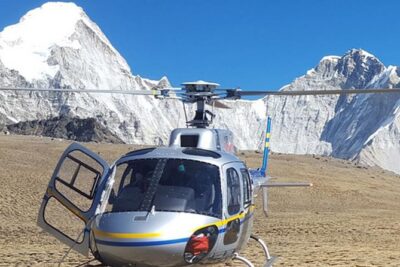
★ 5.0 · 842 reviews - Everest Base Camp Helicopter Tour landing at Everest View Hotel
★ 5.0 · 668 reviews
Price and what the trek cost actually covers
At $2,051.48 per person for about 17 days, this is not a bargain-basement Everest option. But you’re also not just buying a map and a hope.
Here’s what you’re effectively paying for, based on what’s included:
- Trekking accommodation and meals on the mountain (breakfast, lunch, dinner and tea, with choice of what you eat on trek)
- Flights tied to the trek, Lukla in and out via domestic routes, plus flights for the guide
- Private Kathmandu transport for arrivals and departures
- Permits and required cards, including national park permits, TIMS card, and the Pasang Lhamu Municipality fee
- Guide and porter staffing, including insurance for them, plus first aid kit medical supplies
For many people, value means reducing uncertainty. Flights to Lukla, permits, paperwork, and daily logistics can eat time and stress if you DIY. If you’d rather spend your energy on walking and adjusting to altitude, this bundled structure usually feels worth it.
The tradeoff is that you’ll still need to budget for what’s not included: tips for guides and porters, your own travel insurance, and personal expenses like drinks, phone calls, and laundry.
Kathmandu warm-up, from Tribhuvan arrivals to Thamel and stupa time
This trip starts in Kathmandu with a straightforward arrival flow. You land at Tribhuvan International Airport, get met, and transfer to your hotel. You get time to reset, grab tea, shower, and ease into the city before dinner and an early night.
Day 2 shifts you into Kathmandu’s spiritual and cultural pulse at Swayambhu Mahachaitya (Swayambhunath), a Buddhist stupa and monastery over 2,000 years old. I like this stop because it’s not random. It helps you orient your brain for the trek, monkeys on the hill included, and you get wide views across the Kathmandu valleys.
Then comes practical prep time. You spend the afternoon getting ready for the trek, checking packing, and fitting in shopping in Thamel, which is often where people find the last useful gear and also pick up small comfort items.
Two extra Kathmandu stops appear in the pacing: Everest Beauty Salon and Irish Pub are listed as part of the experience day flow. Even if you treat them as simple waypoints, they break up the long lead-in days so you don’t feel like you’re stuck in airport mode.
By Day 16, you’ll be back for the calm reset at Boudhanath Stupa, described as the largest Buddhist stupa in the world and a world heritage site. It’s a fitting closer because after days of high-altitude intensity, stupa time feels grounding. There’s also a group dinner to mark the end.
The Lukla flight, and why your first day feels like a checkpoint
On trek day, you fly about 40 minutes from Kathmandu to Lukla. The flight itself is framed as unforgettable, flying over the foothills of the Himalayas. This matters because it sets expectations: you’re entering real terrain, not just changing cities.
Lukla sits around 2,800m. The trek day that follows targets lower trekking time first, because you’re going to Phakding at about 2,653m. That initial leg is about a short, gentle start (around 3 hours) through local villages and alongside a river.
One detail I appreciate here is that the program uses porters to carry luggage. You still work uphill, but you’re not hauling your whole life pack from day one. That keeps your energy for the climb rhythm that starts later.
More to compare around Kathmandu
- Private Kathmandu Sightseeing Tour | UNESCO World Heritage sites
★ 5.0 · 756 reviews - Kathmandu: 7 UNESCO Sites with Lunch
★ 4.8 · 744 reviews - Half day cooking class in Thamel kathmandu
★ 5.0 · 607 reviews - Everest Base Camp Trekking
★ 5.0 · 485 reviews
Phakding to Namche: the first big uphill test (and the first Everest sight)
From Phakding toward Monjo and then into Namche, the itinerary is designed so your body gets a reality check before you settle into the Namche acclimatization zone.
You start by following the valley alongside the river. The morning feels easier, with lunch planned around Monjo (about 2,835m). Then the uphill turns on. You enter Sagarmatha National Park, cross the Dudh Kosi river, pass through Jorsale, and then deal with the steep climb that puts you on the doorstep of Namche.
There’s a key psychological reward built into this day: you get a first view of Mount Everest. Even if you can’t study every peak detail, that first confirmed sight helps you trust that you’re on the right track, and it gives you something concrete to aim for when the trail steepens.
Namche sits around 3,440m. This is where altitude can start to affect people, even if you’re in good shape. Plan to take it slow, drink fluids, and treat the first Namche hours as part of your acclimatization plan, not just a checkpoint.
Namche acclimatization with Khumjung, the smart pause before the high days
Day 5 is an acclimatization day in Namche. You’re staying put but not doing nothing. Instead, you take a walk up to Khumjung, where village life is the focus, and where the mountain views can be excellent.
The point is that you’ll reach around 3,780m walking higher, while sleeping back down in Namche. That walk-higher style is one of the most reliable ways to improve your odds of feeling better later. It lets your body practice altitude without the full commitment of staying at the highest altitude all night.
This day also builds comfort in the trekking routine: you learn what pace works for you, how you personally handle breathing changes, and how much you prefer to stop for photos versus keep moving.
Tengboche to Devuche and Pangboche to Pheriche: Sherpa country and monasteries
After Namche, you gain both distance and height. You finish around Devuche at about 3,750m, with Tengboche as a major stop. Tengboche is described as the religious heart of the Sherpa region, and the monastery there is noted as the largest in Nepal.
If you care about culture as much as views, this is one of the best days to enjoy the trek beyond the numbers. Village passing gives you a sense of how Sherpas live and work, and photo opportunities include Everest and Ama Dablam glimpses.
Then you move toward Pangboche at about 3,800m, which is noted as the highest all-year settlement in the region. There are mani stones, an infamous bridge crossing, and a tea break. Even the small breaks matter here because the tree line shifts and the terrain begins to feel more alpine, with fewer trees and wider sightlines.
You continue on to Pheriche at about 4,240m. The itinerary flags that Pheriche can be windy, so warm clothing becomes a practical necessity, not an optional extra.
Pheriche acclimatization again, then onward to Lobuche at 4,930m
The next day keeps you in Pheriche for a second acclimatization night. You do a hike higher during the day and then return down. This is exactly the kind of controlled challenge that helps your body adjust for the demanding stretch ahead.
After that, you head to the Chukpilhara area with stone monuments to climbers and especially Sherpas. This stop hits hard because it’s a visible reminder of mountain danger. You also reach Lobuche around 4,930m.
This is one of those parts of the trek where I think you have to respect the feeling of seriousness. You’re higher, the air is thinner, and the trail is moving you into a zone where discomfort matters. It’s not a day to rush.
Gorak Shep and Everest Base Camp: reaching the working center of Everest
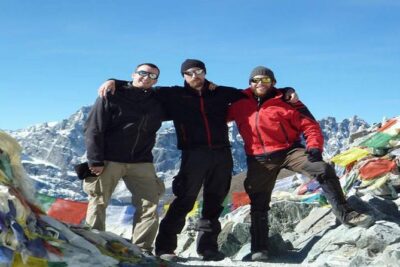
The program takes you to Gorak Shep at about 5,160m after breakfast. There you rest and eat, then you trek onto Everest Base Camp, described as the base camp used now. If you want a gauge from past trips, one group recorded reaching Base Camp around 5,364m, and then returning safely.
You come back down to Gorak Shep for an early night. I like that this day doesn’t pretend you can party, because your body needs recovery. Base Camp is emotional and tiring at the same time.
Also, on a May-style departure, base camp is peak climbing time for summit season. That usually means more activity around the area, so it can feel busy compared to off-season. You’ll get the best experience by focusing on your own senses, not trying to compare crowd sizes.
Kala Pattar at 5,545m: the highest viewpoint on this trek
If Everest Base Camp is your destination, Kala Pattar is your view payoff. You start early, around 5 a.m., and then climb to 5,545m.
The early timing matters because you’re likely to get clear views, plus you’re far more likely to have the quiet, dramatic feeling people remember. The program builds in time for photos and time on top to soak up the experience.
Then you descend. You go back to Gorak Shep for lunch, and then you trek down to Pheriche for the night. This is a long day, and it can be emotionally demanding because you’re riding the edge of your energy reserves. The good news is that after you hit Kala Pattar, the altitude experience usually becomes more manageable as you descend.
The descent back through Tengboche and Namche: altitude feels kinder
Day 12 starts your descent. You head back down the valley and stay overnight at Tengboche. The itinerary frames this as a time where you start to feel better because you’re descending and your lungs can work with less strain.
Then you continue down via Namche. The route gives you time and built-in reasons to stop for things you missed earlier, including shopping. It even mentions a taste of the famous apple pie, plus optional photo and browsing time.
This is also where a good guide earns trust. When you’re tired, it’s easy to walk too fast or make bad footing choices. A steady pace and constant reassurance make a difference when your legs start arguing.
Lukla return and Kathmandu reset: shower time is not a luxury
On the final trek day, you descend steeply for about one and a half hours, then you follow a path with small ups and downs to Phakding via Monjo. It’s described as a relatively easy and short walk, with the goal of reaching Lukla around 4 p.m. if conditions cooperate.
Back in Lukla, there’s time to wander. The itinerary notes an option to get things like a Starbucks. I wouldn’t treat this as the main event, but it’s a nice psychological break when you’ve been living on trail routines for nearly two weeks.
Then, weather permitting, you fly back to Kathmandu. You arrive mid morning and get a welcome shower and clean clothes waiting at the hotel. The rest of the day is yours for lunch, shopping in Thamel, and adjusting back to city life.
What to expect day to day, without the guesswork
Here’s how this trek typically feels, in plain terms, based on the pacing the route uses:
- Days 3 to 4: your first altitude and your first true uphill grind, plus the first Everest sight
- Days 5, 8: acclimatization days that slow everything down so you can go higher later
- Days 6 to 7: Sherpa villages, monasteries, and the shift to more alpine terrain
- Days 9 to 11: the high zone, monuments and stone reminders, then Base Camp and Kala Pattar
- Days 12 to 14: descending, where you often feel better, while still needing careful footwork
- Days 15 to 17: Kathmandu recovery with stupa time and a relaxed finish
You’re not just chasing views. You’re learning the rhythm that makes the high part possible.
Packing and pacing tips that match this route
I can’t see your body, but I can suggest what usually works for a trek with this elevation climb:
- Bring warm layers for the windy Pheriche area and cold mornings around the high days
- Plan for early starts, especially the Kala Pattar morning at 5 a.m.
- Use a steady trekking pace on climb days. This itinerary expects you to move longer and higher, not sprint
- Expect chilly rest stops and keep small warm items accessible
- Don’t forget cash for personal extras, since bar bills and drinks are not included
If you’re the kind of person who likes to feel in control, this trek rewards that mindset. You’ll feel better when you know you’re dressed right, hydrated, and not overreaching each day.
Guide and porter support: what “private tour” really means here
This is a private tour, meaning only your group participates. That matters on a trek like Everest Base Camp. You’re not competing for attention, and your guide can set a pace that fits your group.
The trekking guide support is central to the overall success. The strong praise around guides like Vision Tamang and Biru points to a consistent theme: they help you stay calm, move correctly, and handle mixed levels of trekking experience within the same group.
Porters also play a big role. Luggage is carried by porters, which helps you focus on trail effort and altitude adjustment. That’s not just convenience, it’s also a safety factor because less weight can mean fewer form-breaking slips when tired.
And because tips are not included, you should plan for them. If you skip that budget, it can sour the whole experience later.
So, should you book this Everest Base Camp trek?
I’d book it if you want a structured, high-support Everest Base Camp experience with acclimatization built in, real cultural stops, and the logistics handled for you. The included flights, permits, guide and porter staffing, and on-trek meals are a big part of why the value feels strong for most people who do not want to wrestle with planning.
I would pause if you dislike early mornings or you’re nervous about altitude. The route is designed to help, but it still climbs to extreme elevations like Kala Pattar at 5,545m. If that feels like too much, you may want a lower-altitude alternative.
FAQ
How long is the Everest Base Camp trek?
The experience runs for about 17 days.
What is included in the trek meals?
On trek, you can choose any breakfast, lunch, dinner, and tea. Kathmandu meals are not included.
What flights are part of the route?
You fly to Lukla and return to Manthali, and there are also flights for the guide. There is a flight back to Kathmandu near the end of the trek, weather permitting.
Are permits and trekking fees included?
Yes. The price includes national park permits, the Pasang Lhamu Municipality fee, and the TIMS card.
What is the meeting start time?
The meeting start time is 10:15 am.
What level of fitness is required?
Travelers should have a moderate physical fitness level.
Is free cancellation available?
Yes, you can cancel up to 24 hours in advance for a full refund.
If you want, tell me your travel month and your trekking comfort level (easy, steady, or challenging), and I’ll help you sanity-check whether this pacing and altitude profile fits your goals.
Latest Kathmandu write-ups
- Langtang Valley Trek★ 5.0 · 3 reviews
- Khopra Danda Trek★ 5.0 · 3 reviews
- Langtang Valley Trek from Kathmandu★ 5.0 · 3 reviews
- 5 night / 6 days Kathmandu Nagarkot Chitwan Pokhara tour★ 5.0 · 3 reviews
- Nepal Highlights Tour: 5 Nights 6 Days Kathmandu & Pokhara Tour★ 5.0 · 3 reviews
- Kathmandu Valley Private Day Tour★ 5.0 · 3 reviews
- Conquer the Himalayas: The Ultimate 16-Day Annapurna Circuit Trek★ 3.5 · 3 reviews
- Kathmandu Heritage Day Tour★ 5.0 · 3 reviews
Everest Base Camp Trek, compared.

Everest Base Camp Helicopter Tour landing at Everest View Hotel
Read our review →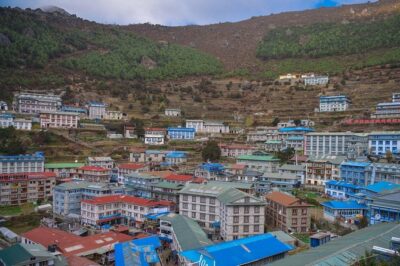
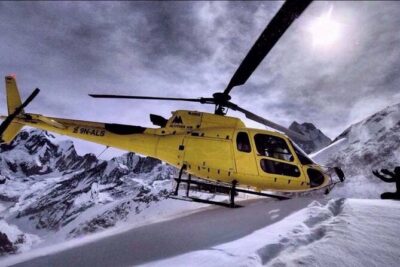
Everest Base Camp Helicopter Tour landing at Hotel Everest View
Read our review →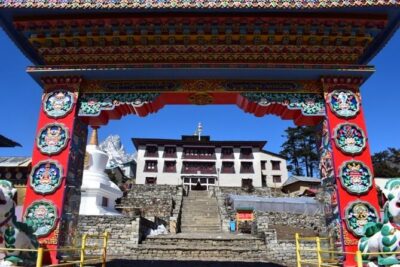
Browse the lists this tour appears in