
Reviewed · EVEREST BASE CAMP TREK
Everest Base Camp Trek
Everest Base Camp is the kind of trip that turns “I want to see Everest” into a full-on daily reality: flights, Sherpa towns, monasteries, and long mountain days that end with big views. What makes this one especially interesting is the mix of high-altitude goals and spiritual stops, including Tengboche and the Kalapathar viewpoint.
I like that the package is built around real logistics, with pickup, round-trip flights to Lukla, and a guide plus porters in the 2 trekkers to 1 porter setup. I also love the way the itinerary gives you “base camp and then more,” including the hike to Kalapathar (5,550 m) for an Everest summit perspective. The main consideration is altitude plus weather: the itinerary is subject to favorable conditions, and the Lukla flight day can be a make-or-break moment.
Key points to know before you go
- A private, all-in plan with guide, hotels, entrance fees, and key transport handled for you
- Lukla flight first, then you earn the views with a trail through mani stone walls and Sherpa villages
- Namche Bazaar acclimatization time, with a chance to explore Khumjung and its market
- Tengboche monastery focus for mountain panoramas and a quieter, sacred break in the trek
- Kalapathar after base camp for the most direct “Everest is right there” payoff
- Porters and equipment included so you can stay focused on trekking, not packing stress
Kathmandu arrival and the 5:15 am start that keeps things sane
Your trek begins in Kathmandu with an airport meet and transfer on Day 1. The start time is listed as 5:15 am at Tribhuvan International Airport, so you’ll want an early arrival mindset. Once you’re picked up, you go to your hotel, rest, and attend a pre-trip gathering where you meet your trekking guide.
That meeting matters more than it sounds. A guide can help you confirm your pace, ask what to pack, and flag any concerns before you ever step onto the trail. I also like that the plan includes a shared cultural dinner after the trek, so the trip doesn’t end the moment you get your last photo.
More ways to walk to Everest Base Camp:
- Everest Base Camp Trek – 14 Days
★ 5.0 · 1,499 reviews - Everest Base Camp Trek
★ 5.0 · 842 reviews - Everest Base Camp Helicopter Tour landing at Everest View Hotel
★ 5.0 · 668 reviews
Lukla flight, Phakding trail, and those mani stone walls
Day 2 jumps quickly into the Khumbu. You take a flight to Lukla, and the itinerary calls it about 40 minutes. This is usually the moment people remember because the scenery under the plane can feel unreal, then the trekking immediately starts.
From Lukla, you hike to Phakding, typically 3 to 4 hours. The route includes Sherpa-style details like mani stone walls, made from stone tablets and large boulders painted in bright colors. It’s not just decoration. These walls reinforce that you’re walking through a lived-in landscape of Buddhism, not a theme park.
Phakding is where you settle in for the night. You’ll be at lower altitude, which is a good thing early on. It’s also a reminder that Everest trips are not only about the summit dream, they’re about moving safely day by day.
Namche Bazaar: the altitude checkpoint and Sherpa capital
On Day 3, the trek follows Sherpa villages and moves through the Dudh Koshi valley. You’re also walking through forests, and the itinerary highlights big mountain sightlines on the way, including Everest, Nuptse, and related peaks.
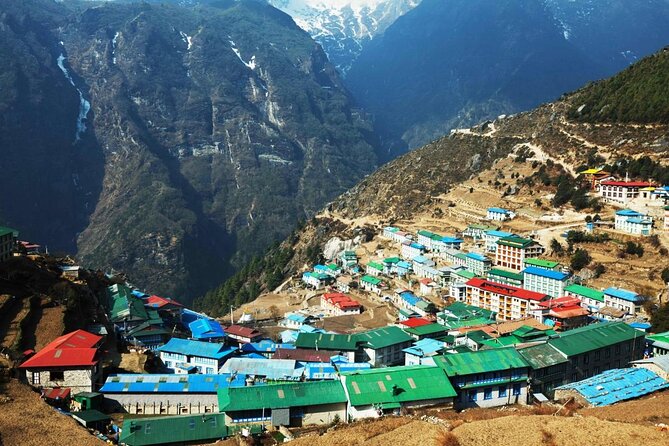
You arrive in Namche Bazaar, described as a key exchanging place and the Sherpa capital. I like Namche because it’s a real town, not just a trekking stop. You get the chance to understand daily mountain life: shops, movement, and a busy hub where locals trade goods and trekkers compare notes.
Day 4 keeps things useful with a “free time” setup plus a short hike to Khumjung. You also get views of Mt. Everest, Mt. Ama Dablam, Mt. Thamserku, Mt. Nuptse, Mt. Lhotse, and more. Khumjung is a smart add-on because it turns acclimatization time into something active and scenic.
Tengboche monastery: the calm pause with Everest in the frame
The Everest region is dramatic, but it’s also spiritual. This itinerary includes a Tengboche Gompa stop, and the overview describes it as sitting at a lofty edge with a bravura panorama.
At Tengboche, the mountain show is the point. You’ll have wide views including Mount Everest, Mt. Lhotse, Mt. Nuptse, and Mt. Ama Dablam. You also get the spiritual rhythm that fits naturally into a trekking itinerary. It’s a good time to slow down, observe, and let the day’s effort drop off your shoulders.
One caution: days near Tengboche can feel longer than you expect because of how often you’ll want to stop for photos and let the views land. Build in patience. Kalapathar later will still demand your full attention.
More to compare around Kathmandu
- Private Kathmandu Sightseeing Tour | UNESCO World Heritage sites
★ 5.0 · 756 reviews - Kathmandu: 7 UNESCO Sites with Lunch
★ 4.8 · 744 reviews - Half day cooking class in Thamel kathmandu
★ 5.0 · 607 reviews - Everest Base Camp Trekking
★ 5.0 · 485 reviews
Dingboche and Chukhung option: acclimatization without boredom
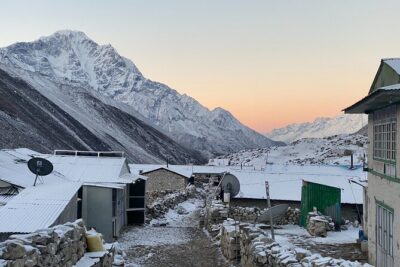
Day 6 sends you through rhododendron forests as you follow the river up the Imja valley to Dingboche. The plan calls Dingboche the summer valley, and it notes that gradients are relatively mild, even though altitude still controls your pace.
Dingboche is a good place to learn a key trekking skill: slow down without losing momentum. The itinerary directly says you proceed at a leisurely pace due to altitude. That’s not just comfort advice. It’s how you reduce the risk of getting knocked back too early.
Day 7 is a rest day in Dingboche with a possible morning trek toward Chukhung cabins. The plan frames it as a basic conformity day, meaning it’s built to let your body adjust before pushing higher. There’s also mention of a monastery in Dingboche, plus time to explore the Imja Khola area.
If you like options, this day is one of the best. If you want to be strict about conserving energy, you can keep it lighter. If you want more movement with controlled effort, the Chukhung morning hike gives you that.
Lobuche and the climb toward the glacier world
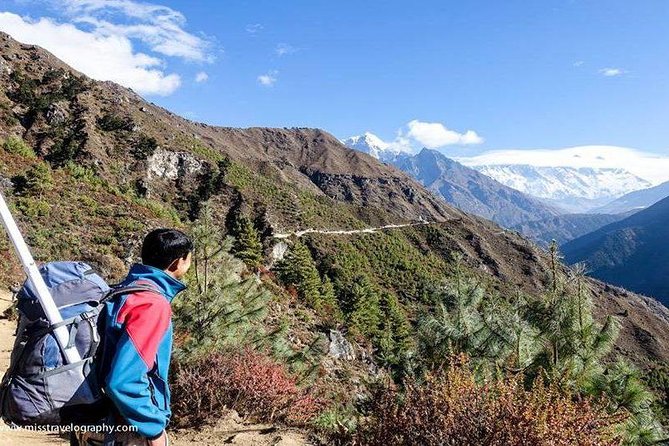
On Day 8, you hike from Dingboche toward Lobuche. After breakfast you step hike up to a yak farm and get big sightlines to Tawache Peak and Cholatse peak. From there, the route moves toward the Khumbu Glacier, following the Duglha before reaching Lobuche.
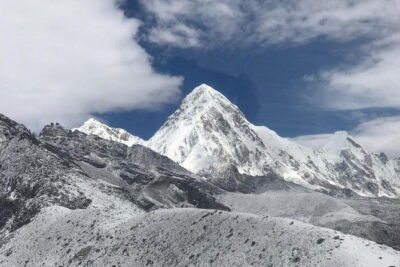
Lobuche is where the trek starts to feel more “high stakes.” The itinerary highlights views of the Khumbu ice and Pumori from ridge areas. This is also a day where your legs can feel fine one minute, then demand attention the next. The glacier zone isn’t just scenery. It changes the whole feel of the hike.
Day 9 continues toward Gorakshep, then on to Everest Base Camp. The plan notes crossing the north rim of Everest near Khumbutse and Pumori, then arriving at base camp after a series of short ups and downs.
Base Camp is described as a tented town spread over a wide zone, with teams from around the world trying to settle for position. Even if you’re not climbing, this is a powerful “stand where history happens” moment. You’re walking into a place that exists for exploration and support.
Gorakshep, then Kalapathar: your best Everest summit view
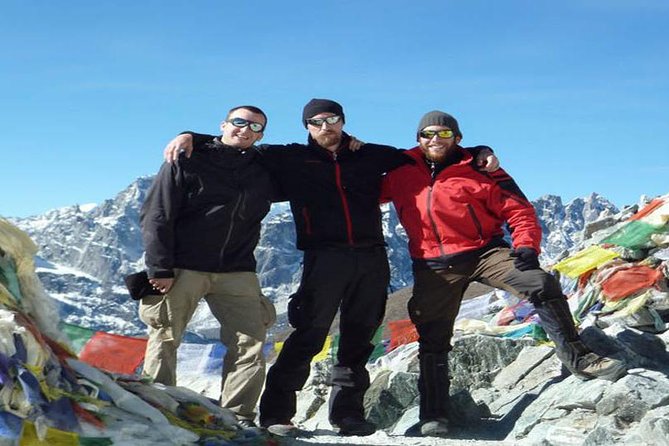
Day 10 is the big payoff day after Base Camp. You hike up to Kalapathar (2 hours, described as a windy path on rocky slopes). The highlight is the summit view of Mt. Everest, with more peak views listed too, including Khumbutse, Lhotse, Nuptse, Ama Dablam, plus additional surrounding peaks like Cholatse, Tawache, and Pumori.
I like the logic of this order. Base Camp gives you the Everest story, but Kalapathar gives you the Everest geometry. You’re high enough that the summit looks closer, more defined, and more personal.
Then you hike down to Gorakshep and continue to Pheriche. The day includes crossing Lobuche and Dhugla and passing many chorten and stupas while following the river. The itinerary even mentions a Himalayan mix of animals on the trail, with zopkyos and yaks adding to the sense that this is a working mountain route, not just a hiking corridor.
Pheriche overnight is a useful staging point. It sets you up for the monastery and forest sections on the way back.
Pangboche and the old monastery story, then Tengboche and Namche
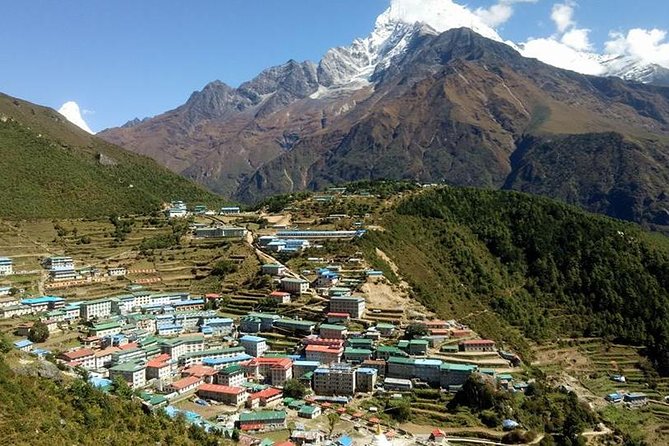
Day 11 shifts gears with a descent route to Pangboche. Here, the itinerary says you can see an oldest monastery in the region, including what’s said to be the scalp and bones of a Yeti. That’s a big story point, and it’s exactly the kind of local belief that makes Himalayan trekking feel more human and less like sightseeing.
From Pangboche, the trail drops to the riverside, crosses a bridge, then goes up through pine and juniper forest to Tengboche village. After that, you descend sharply to Dudh Koshi River and reach Phunki, then continue up toward Namche Bazaar.
This is a classic “get your breath back” day. It’s still physical, but the terrain shifts from glacier-edge drama to forest and village rhythm. Namche is waiting again for an overnight, giving you a stable landing before the final push down.
Final descent to Lukla and the Kathmandu cultural dinner
Day 12 brings the last major trekking day. The plan says you follow Dudh Kosi River with a steep drop to Lukla, and you complete the trek on a cheerful note with last mountain sunsets.
This is one of those days where you should keep a steady pace and protect your knees. The itinerary doesn’t list exact hour counts here, but the phrase “drops sharply” is a clear hint that your body will feel it.
Day 13 is the transition back to civilization. You take a scenic flight to Kathmandu, listed at about 35 minutes, then your guide takes you to the hotel by private vehicle. In the evening there’s a cultural dinner together for finishing the trek, and you stay overnight in Kathmandu.
Day 14 is straightforward: an airport team drops you at Tribhuvan International Airport for your onward flight.
Price and value: what $1,650 covers and what you still handle
At $1,650 per person, you’re not just paying for a guide. You’re buying down the complexity of Everest logistics.
Here’s what’s explicitly included:
- 14 nights accommodation
- Professional guide
- Hotel pickup and drop-off
- Private tour and transport by private vehicle
- Porter services (2 trekkers to 1 porter)
- Round-trip flight ticket to Lukla
- All necessary equipment included
- All entrance fees included
- National park fees
- Meals as per itinerary (the plan lists breakfast 12 times, lunch 11 times, dinner 11 times)
- Local taxes
That’s the real value: flights to Lukla are expensive and timing-sensitive, and they can be a hassle to coordinate yourself. When a trip includes them, plus park fees and meals, you get a clearer budget. You also reduce the “where do I find this last-minute” stress.
What’s not included is also clear:
- excess luggage charges (if applicable)
- all drinks
- personal expenses like laundry, battery recharge, and hot showers
- anything not listed in the included section
So, when you evaluate the price, think about your own comfort with logistics. If you want a guided, handled plan with porters and equipment support, the value looks strong.
Who should book this Everest Base Camp trek
This trek is built for people with moderate physical fitness and an age minimum of 18 years. The itinerary also notes a vegetarian option is available, so it can work well if you plan ahead.
It also seems to suit groups who want structure. In the feedback provided, the company’s MD, Suman, is described as responsive and careful, and the importance of having the right guide in normal days and emergencies comes up clearly. Names like Shambhu, Raj, and Hupi appear in praised guide experiences, along with mentions of Deepak. The pattern is consistent: organization and guide support are a big part of why people rated the experience so highly.
If you’re traveling solo, you’ll still be in a private tour format with your group, so your experience should feel cohesive rather than scattershot. And since group discounts are mentioned, it can be a good option if you’re trekking with friends.
Should you book Dream Heaven Adventure for Everest Base Camp
If you want Everest Base Camp with clear logistics, included park fees, flights to Lukla, and porter support, I’d consider this a solid fit. The big “yes” here is the package structure, plus the added push to Kalapathar after Base Camp, which is what turns the trek into a full story rather than a single destination stamp.
I’d only hesitate if you dislike altitude risk or you know your schedule can’t flex around weather. The plan is explicitly subject to favorable weather conditions, and that affects the Lukla flight and the trek flow.
Overall, this looks like a good value-driven Everest itinerary with enough cultural grounding to keep you interested when the weather is flat and the clouds roll in. If your goal is Everest plus the Khumbu way of life, it makes sense.
FAQ
What time does the experience start in Kathmandu?
The meeting time listed is 5:15 am at Tribhuvan Airport in Kathmandu.
Does the trip include airport pickup and drop-off?
Yes. It includes hotel pickup and drop-off, plus airport team drop-off at the end.
Are meals included on this Everest Base Camp trek?
Yes. Meals are included as per the itinerary, with breakfast listed 12 times, lunch 11 times, and dinner 11 times.
What flights are included?
The package includes round-trip flight tickets to Lukla and a flight back to Kathmandu is part of the itinerary.
What porter support do you get?
Porter services are included with a ratio of 2 trekkers to 1 porter.
Is equipment included?
Yes. The itinerary states all necessary equipment included.
Can you choose a vegetarian option?
Yes, a vegetarian option is available if you advise at booking.
What fitness level is required?
You should have moderate physical fitness.
What if weather disrupts the itinerary?
The trek is subject to favorable weather conditions. If canceled due to poor weather, you’ll be given an alternative date.
What is the cancellation refund timeline?
You can cancel up to 6 days in advance for a full refund. 2 to 6 days before start time gives a 50% refund, and less than 2 days before start time is not refunded.
Latest Kathmandu write-ups
- Langtang Valley Trek★ 5.0 · 3 reviews
- Khopra Danda Trek★ 5.0 · 3 reviews
- Langtang Valley Trek from Kathmandu★ 5.0 · 3 reviews
- 5 night / 6 days Kathmandu Nagarkot Chitwan Pokhara tour★ 5.0 · 3 reviews
- Nepal Highlights Tour: 5 Nights 6 Days Kathmandu & Pokhara Tour★ 5.0 · 3 reviews
- Kathmandu Valley Private Day Tour★ 5.0 · 3 reviews
- Conquer the Himalayas: The Ultimate 16-Day Annapurna Circuit Trek★ 3.5 · 3 reviews
- Kathmandu Heritage Day Tour★ 5.0 · 3 reviews
Everest Base Camp Trek, compared.

Everest Base Camp Helicopter Tour landing at Everest View Hotel
Read our review →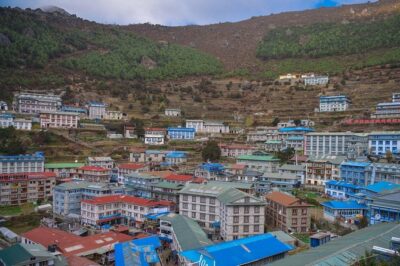
Everest Base Camp Helicopter Tour landing at Hotel Everest View
Read our review →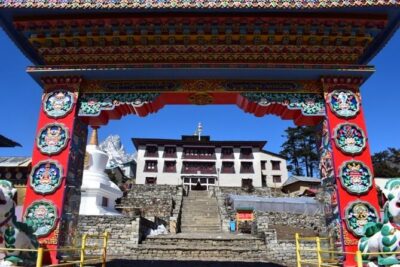
Browse the lists this tour appears in