
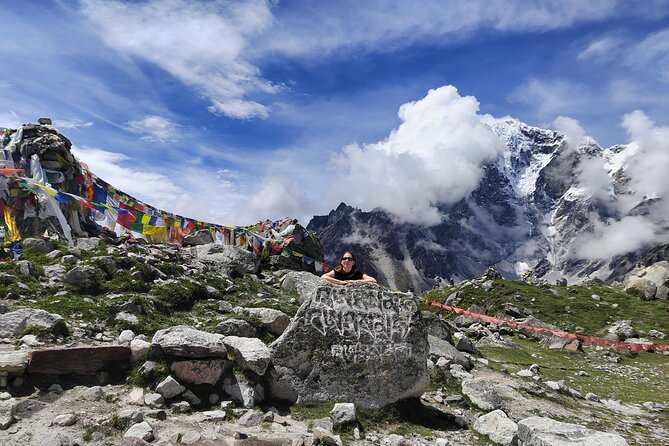
Reviewed · EVEREST BASE CAMP TREK
Everest Base Camp Trek – 15 days
Everest Base Camp is interesting because it is not just about the mountain. You also spend days moving through Sherpa towns, monastery stops, and high-altitude valleys where the pace slows and your brain starts paying attention.
I really like how this trip combines a guided Kathmandu start with real trekking support once you’re in the Khumbu. You get help getting oriented in the capital, then you’re hiking with an English-speaking licensed Sherpa guide and porters who carry your luggage. And I like that the company gives you practical gear support, including a down jacket and sleeping bag if you need them.
One drawback to think about: this is still a serious altitude trek. Even if you’re in good shape, you’ll want travel insurance that covers high altitude, since that is not included.
Key Things That Make This EBC Trip Work
- Lukla flights included, so you avoid the biggest hassle for most people
- Licensed English-speaking Sherpa guide, plus porters for shared luggage loads
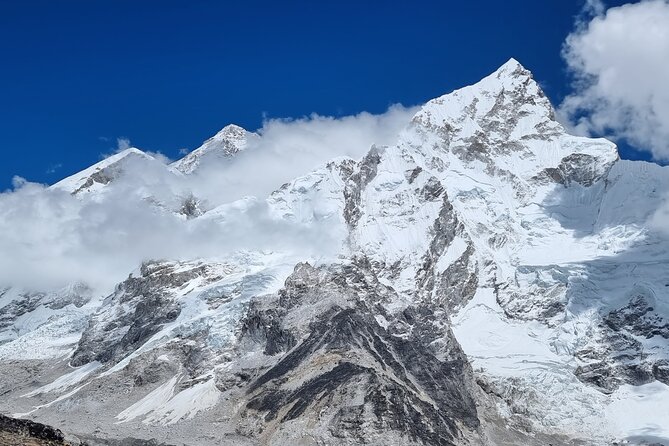
- Kalapathar sunrise viewpoint (5,545m) built into the schedule
- Guesthouse lodging on the trek, twin sharing, with your comfort handled
- Kathmandu sightseeing by private car, with an expert guide for the big monuments
- Down jacket and sleeping bag support if necessary, cutting down on rental pressure
From Thamel Welcome to a Clear Kathmandu Plan
Your trip starts in Kathmandu, and the first win is simple: you get met at Tribhuvan International Airport with a name plate, then transferred to a Kathmandu hotel. After you check in, the team handles documentation and gives you a solid overview of what to expect next.
This early attention matters more than it sounds. Kathmandu can feel chaotic when you arrive tired, and you do not want to spend your first evening guessing which bus to take or where to buy trekking basics. If you have questions about timing, gear, or what you can realistically do at altitude, this is when you want clarity.
You’ll also be in a good location for walking around. The stay is described as near public transportation, which helps if you want a quick snack run or an evening stroll in Thamel. And for people who want language help, the operator notes that they can explain things in Spanish as well.
More ways to walk to Everest Base Camp:
- Everest Base Camp Trek – 14 Days
★ 5.0 · 1,499 reviews - Everest Base Camp Trek
★ 5.0 · 842 reviews - Everest Base Camp Helicopter Tour landing at Everest View Hotel
★ 5.0 · 668 reviews
Kathmandu Temples and Squares, With Private-Car Convenience
Before you head for the mountains, you get time for the main cultural hits of Kathmandu. You’ll cover Kathmandu Durbar Square, Swayambhunath (Monkey Temple), Boudhanath, and Pashupatinath, with an expert guide explaining what you are seeing.
What I like here is the private-car setup. Public transport is fine for many days, but on Day 2 you want your energy focused, not spent bouncing around between sites. With a guide, you understand the difference between a temple built for a royal era and a pilgrimage site shaped by centuries of living tradition.
You also get some afternoon freedom to prepare. That is a big deal on an EBC trek because small items can make the difference between “manageable” and “annoying,” especially gloves, warm layers, and simple trail snacks. If you forget something, this is one of the few moments before the trek becomes all about hike, food, sleep, repeat.
The Lukla Flight and Your First Trek to Phakding
Then you fly from Kathmandu to Lukla, about half an hour. This is one of those parts of the journey where you can feel everyone’s mood shift from city mode to mountain mode. After landing, you’ll have breakfast at Lukla, and the airport area plus surrounding views make a strong first impression.
The hike out is gradual. You trek down to Phakding by following the Dudh Koshi River, a wide valley route that makes early walking feel more straightforward. Even though “downhill” sounds easy, it’s still a workout, and your legs will learn quickly how different stone steps feel compared with paved roads.
Why this first day-and-a-half rhythm is smart: your body starts adapting to the altitude without forcing an early, steep push. You also get time to settle into guesthouse trekking life, where you will start depending on a predictable routine.
Namche Bazar Climb: When 850m Really Matters
After Phakding, the next big step is climbing up to Namche Bazar. This is a long day by trekking standards, with about 850 meters of ascent and roughly five hours of walking. Following the Dudh Koshi corridor keeps the route scenic, and it gives you steady momentum instead of constant stops and starts.
Namche Bazar is also where planning starts to become real. It’s a bigger hub for the Everest region, so you’ll find shopping and gear options, and you’ll see a mix of trekkers, locals, and Sherpa families. That matters because on high-altitude routes, logistics can take up brain space. A place like Namche is where you can refresh, ask questions, and handle small needs.
You will also likely notice a pattern in the schedule. The trek keeps pushing upward, but it does not leave you stranded with no recovery time. That balance is essential for a successful EBC experience, especially if you’re not used to thinner air.
More to compare around Kathmandu
- Private Kathmandu Sightseeing Tour | UNESCO World Heritage sites
★ 5.0 · 756 reviews - Kathmandu: 7 UNESCO Sites with Lunch
★ 4.8 · 744 reviews - Half day cooking class in Thamel kathmandu
★ 5.0 · 607 reviews - Everest Base Camp Trekking
★ 5.0 · 485 reviews
Everest View Hotel Acclimatization, Then Tengboche Monastery
One of the best parts of doing EBC with this kind of structure is acclimatization that actually feels purposeful. You get a full day to rest in Namche, then hike up to Everest View Hotel for panoramic views.
From there, you’re aiming for iconic names like Everest, Nuptse, Lhotse, Ama Dablam, and nearby peaks such as Thamserku and Kusum Kangaru. It’s not just sightseeing. This kind of climb helps your body adjust while still giving you a “why am I doing this” reward when the scenery opens up.
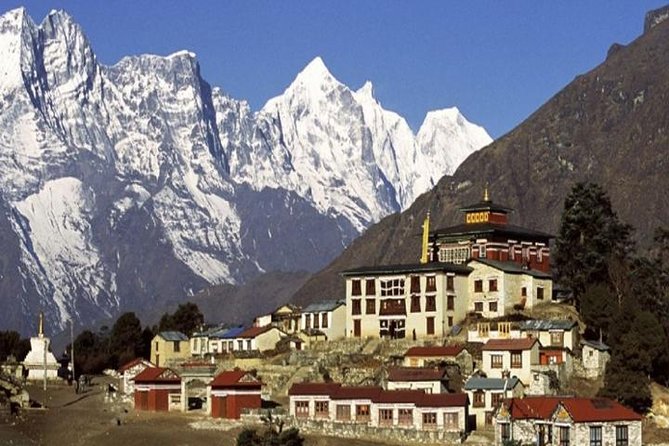
After that, you continue to Tengboche, about five hours of trekking. Tengboche is tied to monastery life, and you’ll have a chance to visit the gompa. The schedule mentions Lama worship in the morning and evening, and if timing lines up, you’ll be nearby during a moment that feels more like daily religious rhythm than a staged performance.
From a practical point of view, this day is also a shift into a calmer part of the trek. You’ll feel like you’re deep in the Khumbu, and not just passing through.
Dingboche and Chhukung: Ama Dablam Views With Altitude Sense
The trek continues toward Dingboche, with about five hours of walking. The route passes rhododendron-covered sections and gradually opens into higher terrain. Dingboche becomes your base for acclimatization, and it’s where the views sharpen around Ama Dablam and Kantega.
You also get a full acclimatization day trip to Chhukung valley. This is the kind of “walk high, sleep lower” approach that makes sense for altitude. You explore Chhukung valley and come back to Dingboche in the evening, while taking in the north face views of Ama Dablam and the Lhotse-Nuptse ridge.
This is where the experience gets both intense and thoughtful. Your pace becomes slower, your breathing changes, and you start learning what your body can handle. If you’re prone to overdoing it early, this day is a good reminder to stay steady.
Lobuche and the Khumbu Glacier Corridor to Gorakshep
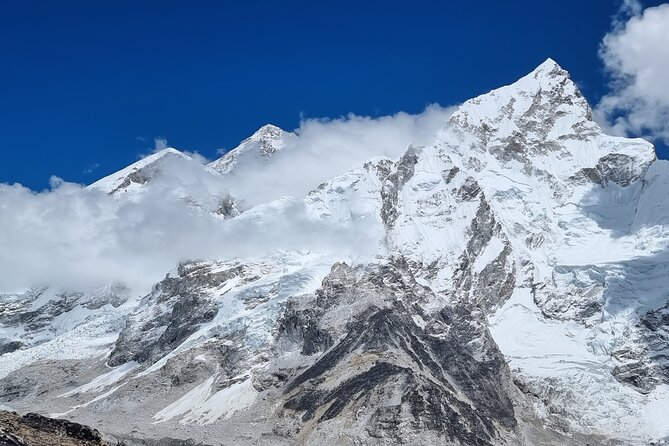
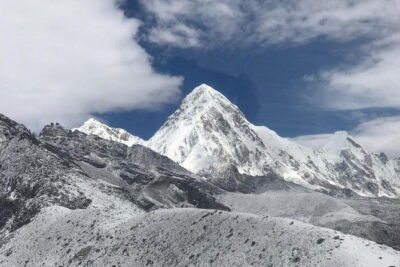
Next comes the push toward Lobuche, with about five hours of trekking. The route follows the Dudhla valley and reaches Lobuche by hiking alongside frozen rivers. You get that icy, high-wilderness feeling, and the track puts you near views of Pumori and the Khumbu Icefall from ridge tops.
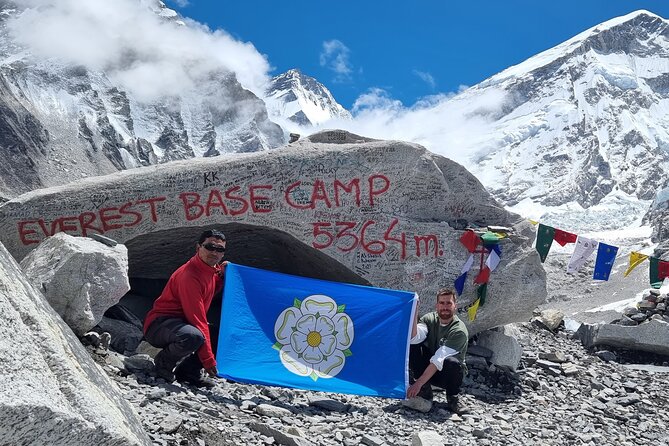
Then, you transition to Gorakshep. The day to Everest Base Camp itself is structured in a way that helps comfort. You hike up toward Gorakshep, then continue to Base Camp for the visit, and return for the night.
A key detail is the Kala Patthar timing. On the base camp approach day, you are close enough to feel how close you are to the Everest region’s “big geology moment,” including views of the Khumbu Glacier and rocky paths. The schedule also notes you might hear sounds of avalanches on the way, which is one reason a guide and group rhythm matter for staying grounded.
From a value standpoint, this segment is why the trip is priced the way it is. The logistics of reaching these areas, with guide support, porters, and equipment handling, are the real heavy lift, not just the walking distance.
Kala Patthar Sunrise: The 5,545m Moment That Makes It Worth It
The highlight day is the early hike to Kalapathar, aiming for sunrise conditions at about 5,545m. Expect an early start and a long uphill, with roughly six hours total time for the day.
The payoff is the sweeping view of Everest Himalayan ranges. You also get a strong sense of scale around nearby peaks, and the schedule frames Kalapathar as the viewpoint many people remember most. Altitude can make you feel tired, but this day is also where you may feel oddly proud and lighter once you reach the top.
One practical note: early mornings at altitude can be brutally cold. This is exactly where having a down jacket and a good sleeping bag option helps reduce stress. Even if you already own gear, it’s nice not to be gambling on whether you packed the right warmth.
After the viewpoint time, the rest of the day becomes recovery. The return is downhill and easier on the legs, which is a relief, even though altitude makes everything feel slower than you expect.
Down to Namche, Back to Lukla, and That Big Kathmandu Exhale
After Kalapathar, you head downhill mostly toward Namche Bazar, around six hours of walking. This is one of the most scenic parts of the trip because your eyes see the valley differently when you are not fighting elevation gain. You also get time to relax in Namche, and the schedule even calls out a chance to stop at an Irish Pub, so you can plan on a casual evening break.
Then the next day brings you back toward Lukla, about five and a half to six hours, via Phakding. You will likely feel the relief of completing the main trek loop and finally returning to the place where the flight happens. Lukla has small bars, restaurants, and shops, which makes the last evening feel normal in a good way.
Then you fly back to Kathmandu, about half an hour, and you’ll return to the Thamel area. The trip ends with a transfer to the international airport based on your flight time.
This final day matters because it gives you a transition, not a cliff drop. You’re not going from extreme altitude sleep to airport chaos with no buffer.
Price, Inclusions, and What You Still Need to Plan
This trip costs $1,375 per person for about 15 days. That price is easier to judge when you notice what is included. Flights to and from Lukla are included, along with Kathmandu hotel stays (three nights), private-car Kathmandu sightseeing, a licensed English-speaking Sherpa trekking guide, and porters for shared luggage.
Staff costs are also covered, including salary, insurance, equipment, and medicine. That is not just paperwork. It generally means your daily trek logistics are less likely to fall apart mid-route because someone is “figuring it out” as they go.
You also get down jacket and sleeping bag support if you need it. For many people, that’s a hidden cost saver because you either pack it, rent it, or buy it.
What is not included is equally important. Your travel insurance needs to include altitude coverage up to 5,300m, and city entrance fees, meals and drinks, and tips for staff and the driver are on you. If you like restaurant meals and drinks every day, you should budget for that before you go, because the included meal coverage is limited.
Should You Book This Everest Base Camp Trek?
I’d book it if you want a well-organized, guided EBC trek where the big logistics are handled. If you prefer not to gamble with altitude planning or day-to-day coordination, the mix of a guided Kathmandu start, English-speaking licensed Sherpa support, porters, and gear assistance is a strong fit.
You should think twice if you are not prepared for altitude and long hiking days. You need moderate fitness, and you need insurance that truly covers the altitude category. Also, be ready for the fact that most meals and drinks are not included, so you’ll pay your way through some of the daily costs.
If your goal is to reach Everest Base Camp and see Kalapathar sunrise with a structured pace and fewer decision headaches, this one looks like a smart choice.
FAQ
How many nights will I stay in Kathmandu?
You get standard hotel accommodation in Kathmandu for 3 nights, plus a guided Kathmandu sightseeing tour by private car.
What kind of accommodation do I get on the trek?
You stay in guesthouses during the trek, on a twin sharing basis.
Are there guides and porters included?
Yes. You’ll have an expert licensed English-speaking Sherpa trekking guide, and porters carry your luggage during the trek (shared for two people or clients).
Are the flights to Lukla included?
Yes. Flight tickets for Kathmandu to Lukla and back to Kathmandu are included.
How high do I hike on this trek?
You’ll hike to Everest Base Camp (5,400m) and also to the Kalapathar sunrise viewpoint (5,545m).
What meals are included, and what should I budget separately?
Dinner is included, and breakfast is included twice (2). Meals and drinks beyond that are not included, so you should plan for additional daily food costs.
Do they provide trekking gear?
They provide a down jacket and sleeping bag by Outshine Adventure if necessary.
What fitness level do I need?
The tour is for people with a moderate physical fitness level.
What is the cancellation and weather plan?
You can cancel up to 6 days in advance for a full refund. If the trek is canceled due to poor weather, you’ll be offered a different date or a full refund.
Latest Kathmandu write-ups
- Langtang Valley Trek★ 5.0 · 3 reviews
- Khopra Danda Trek★ 5.0 · 3 reviews
- Langtang Valley Trek from Kathmandu★ 5.0 · 3 reviews
- 5 night / 6 days Kathmandu Nagarkot Chitwan Pokhara tour★ 5.0 · 3 reviews
- Nepal Highlights Tour: 5 Nights 6 Days Kathmandu & Pokhara Tour★ 5.0 · 3 reviews
- Kathmandu Valley Private Day Tour★ 5.0 · 3 reviews
- Conquer the Himalayas: The Ultimate 16-Day Annapurna Circuit Trek★ 3.5 · 3 reviews
- Kathmandu Heritage Day Tour★ 5.0 · 3 reviews
Everest Base Camp Trek, compared.

Everest Base Camp Helicopter Tour landing at Everest View Hotel
Read our review →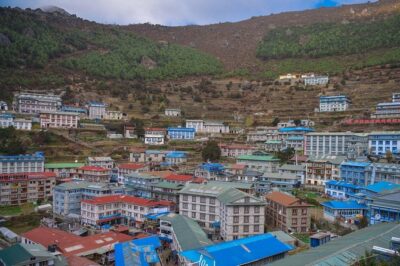
Everest Base Camp Helicopter Tour landing at Hotel Everest View
Read our review →
Browse the lists this tour appears in