
Reviewed · EVEREST BASE CAMP TREK
14 Days Private Tour Everest Base Camp Trek
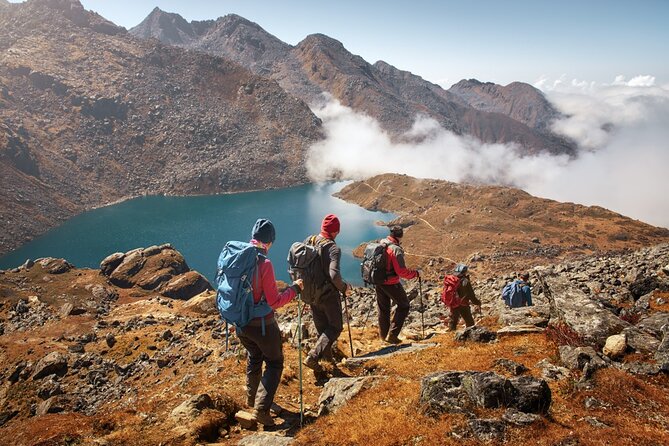
Everest Base Camp is interesting because it mixes big mountain drama with everyday trekking stuff, like suspension bridges, monastery mornings, and the grind up to high passes. This private 14-day plan adds a big comfort layer through the Lukla flight connection and door-to-door Kathmandu transfers.
I also like the acclimatization rhythm. You get planned stops in Namche and at Dingboche so you can adjust before pushing higher. And I like that you travel with an experienced, government licensed guide you might know from past trips, like Tek, Dil, Ram, or Keke, plus a porter system that keeps your pack from turning into dead weight.
One drawback to consider is the real-world altitude and the big good-weather requirement. This trek is not just “walking uphill,” and the Lukla area in particular is sensitive to weather, so build in patience and flexibility.
Key things that make this trek worth your time
- Private pace: your group goes as one team, not a mixed scramble with strangers.
- Lukla flights built in: Kathmandu to Lukla, then Lukla back to Kathmandu, so you skip the long road detours.
- Permit and park fees handled: you pass through the Sagarmatha National Park checkpoint and your guide helps sort the paperwork.
- Acclimatization days included: you pause at Namche and climb Nangkartsang Peak from Dingboche to help your body adjust.
- Medical gear for altitude checks: the package includes a first aid kit with an oximeter and a pulse meter checker.
- Porter support, 2:1: one porter carries two people’s bags, plus their meals and more.
Kathmandu to the mountains, how the trip actually starts
Your adventure begins in Kathmandu, with pickup at Tribhuvan Airport. You are taken to a pre-arranged hotel in Thamel, where you get a short meeting about trekking prep. This matters more than it sounds, because Everest gear and packing choices can make or break how you feel on Day 2.
After you get checked in, the plan is straightforward. You sleep, you eat, you hydrate, and you try not to overthink the next morning. The tour also includes three nights in Kathmandu with breakfast, so you are not rushing to cram sightseeing and logistics into a single afternoon.
If this is your first time in Nepal, Thamel is a useful base. It keeps you close to gear shops, trekking conversation, and the kind of local help you might want when you remember you forgot something minor but important, like a good pair of liner socks.
More ways to walk to Everest Base Camp:
- Everest Base Camp Trek – 14 Days
★ 5.0 · 1,499 reviews - Everest Base Camp Trek
★ 5.0 · 842 reviews - Everest Base Camp Helicopter Tour landing at Everest View Hotel
★ 5.0 · 668 reviews
The Lukla flight and the first trail day: fast altitude, big views
Day 2 starts with an early move to the airport for the short but scenic flight to Lukla. The good part is that you trade hours of rough travel for a quick jump into the Khumbu region. The not-so-fun part is that it’s still altitude, and your body will notice.
Once you land, you trek to Phakding. This first walking day is described as fairly straightforward, starting with a rocky downhill and then moving toward the Cheplung area and along the Dudh Koshi River edge. If you have ever felt worried about Day 2, this is usually the day that reassures you. You are learning the pace, the breathing rhythm, and how your boots behave on trail stones.
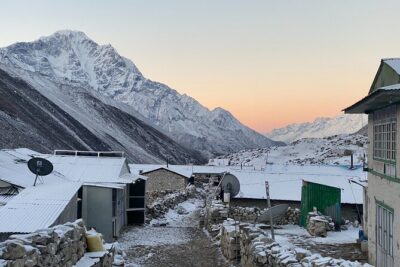
Overnight in Phakding, you settle into tea house life. You will see the same pattern repeat: a simple room, a hot meal, and a night that is mostly about recovery. Standard tea house stays are included during the trek, but remember that extras like hot showers and Wi-Fi are listed as personal expenses.
Phakding to Namche Bazaar: bridges, checkpoints, and Everest energy
Day 3 is a step up. The route to Namche Bazaar crosses rivers and valleys with suspension bridges, so you get both a physical workout and a mental warm-up. The trail moves through Benkar, with a classic early payoff of mountain views, including Mt. Thamserku.
Then you hit the Sagarmatha National Park checkpoint. Your guide’s job here is not just pointing at the scenery. It includes helping you acquire the permits you need so you can continue legally in the protected region. This is one of those behind-the-scenes tasks that you will truly appreciate on the ground.
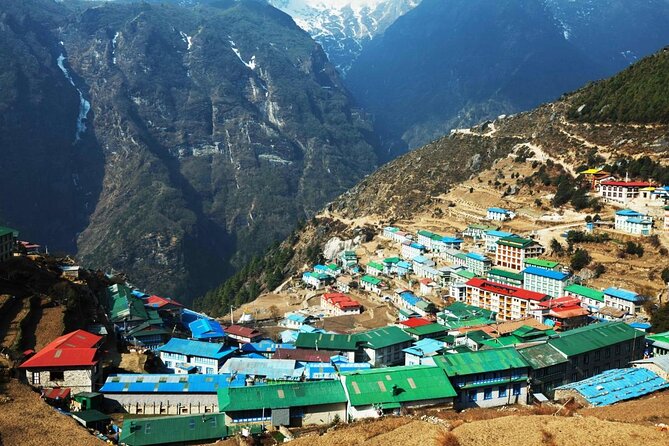
After the checkpoint, the trail drops toward the Dudh Koshi River and then turns uphill again. As you climb toward Namche, you can often spot Everest and Nuptse along the way. Whether the view is sharp or hazy depends on the weather, but the effort to reach Namche usually feels worth it.
Namche acclimatization day: why you stop before you push higher
Day 4 is an acclimatization day in Namche Bazaar. This is not a “day off” in the full sense, but it is a smart pause that helps reduce altitude risk. Namche is high enough that your body needs time to adjust, and the tour is built around that reality.
What I like about this is that it turns the trek into a plan instead of a gamble. Altitude sickness is mentioned directly as a concern, so the itinerary makes room for your body to adapt rather than forcing a nonstop push.
In practice, you will spend the day close to Namche, taking it easy and focusing on hydration and steady movement. If you are traveling with a strong guide, this is also when you learn what “good acclimatization behavior” looks like for you, slow steps, regular pauses, and no hero moves.
More to compare around Kathmandu
- Private Kathmandu Sightseeing Tour | UNESCO World Heritage sites
★ 5.0 · 756 reviews - Kathmandu: 7 UNESCO Sites with Lunch
★ 4.8 · 744 reviews - Half day cooking class in Thamel kathmandu
★ 5.0 · 607 reviews - Everest Base Camp Trekking
★ 5.0 · 485 reviews
Tengboche and the monastery stop: spiritual views, practical walking
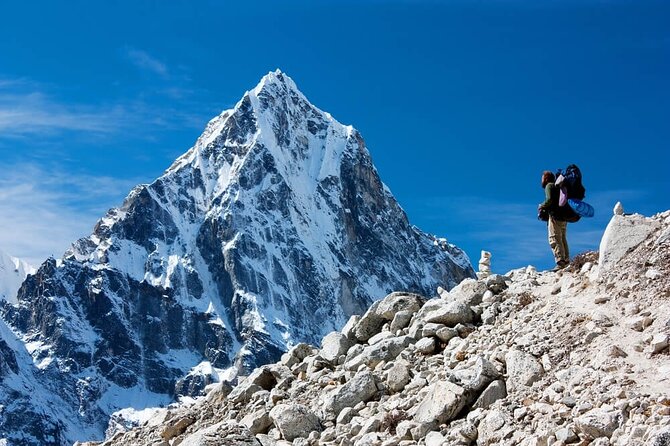
Day 5 takes you from Namche toward Tengboche. The route is described as challenging, with irregular terrain and higher elevation later after an initial decline. You will go past Kyanjum and into a rhododendron forest. Then the trail drops to the Phungi Thenga River banks before it climbs up again.
This is also a day packed with big mountain sightings. You are listed as seeing Everest, Nuptse, Lhotse, and Ama Dablam along the route. That doesn’t mean you will see them every minute, but it does mean the trail keeps giving you excuses to slow down.
Tengboche is a highlight because of the monastery. The Tengboche monastery is described as the main attraction, with the largest Tibetan Buddhist gompa in the Khumbu region. Even if you do not do a deep study of Buddhism, you will likely find the atmosphere calming. After a long day of walking, a quiet place to reset is a real gift.
Dingboche: glacial scenery and another altitude step
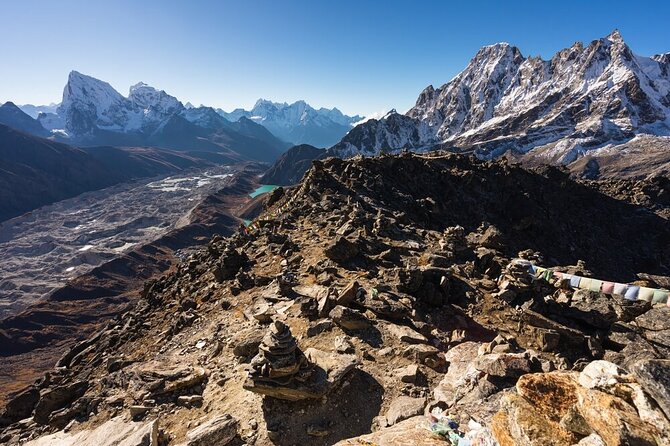
Day 6 moves from Tengboche to Dingboche. The itinerary points you toward a route that includes glaciers and snowy mountain views. You pass Deboche village, cross a suspension bridge, and see Ama Dablam close up at one stage of the walk.
Then you push to Pangboche and Shomare, hiking uphill before reaching Dingboche. This pattern matters: the Khumbu region keeps asking for steady climbs, and tea house towns like Dingboche give you a place to sleep at just the right moment in the altitude ladder.
You overnight in Dingboche, then get ready for the most intentional acclimatization day of the whole trek.
Nangkartsang Peak from Dingboche: the acclimatization climb that helps
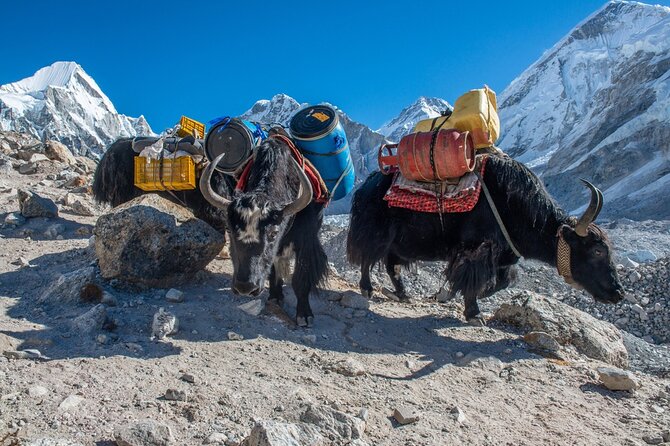
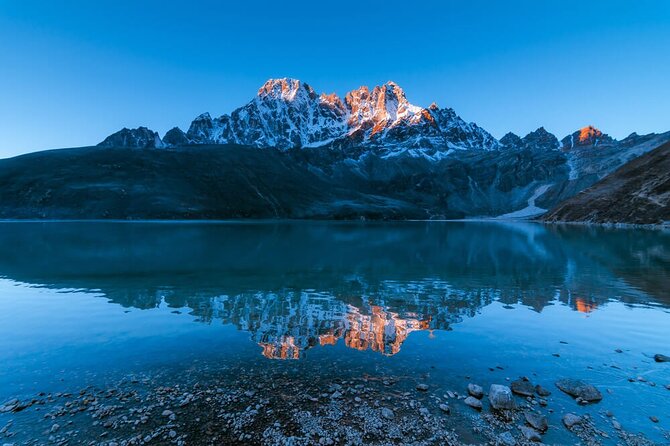
Day 7 is your second acclimatization day, with an ascent toward Nangkartsang Peak just above Dingboche. The trek is designed this way because you need your lungs and body to adjust before heading higher toward Lobuche and Gorakshep.
The climb is described as dividing the valley in two, with the Imja valley toward Chukkung on one side and the valley toward Lobuche on the other. As you gain elevation, the views are framed around major peaks like Lhotse, Makalu, Cho Oyu, and Ama Dablam.
You return on the same trail back to Dingboche. This is a smart way to manage energy. It gives you altitude exposure without turning the day into a huge risk.
If you have done other high mountain treks, you already know this: acclimatization climbs are not about getting tired. They are about teaching your body what to expect later.
Lobuche and Everest Memorial: moving toward the high plateau
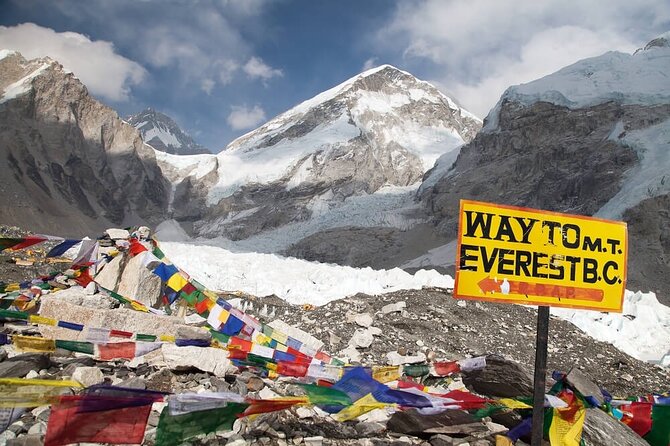
Day 8 takes you to Lobuche. This is listed as a bit difficult, with a rise to a moraine after leaving Dingboche, plus a long ascent toward Everest Memorial and the Khumbu glacier.
The Everest Memorial stop stands out. It’s described as being built in memory of climbers who died while attempting to reach Everest’s summit. It adds weight to the whole region. You are not just walking for views. You are walking in a place where people have chased the top and paid the price.
From Lobuche, you settle in and prepare for the next days that bring you to the Everest Base Camp area and the high points around Kala Patthar.
Gorakshep and Everest Base Camp area: where the trek turns real
Day 9 is the big approach day. The route is described as a gradual climb with less steep slopes after leaving Lobuche. It splits conceptually into two connected segments: one toward Gorakshep, the trek’s highest elevation single village, and another trail leading to Gorakshep near Everest Base Camp.
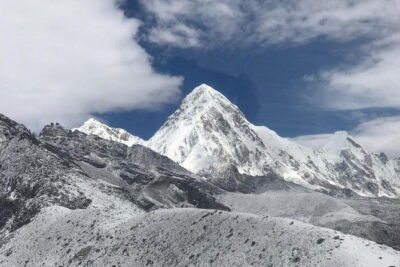
You hike beside the Khumbu glacier, and you may get close views of Nuptse along the way. The itinerary also suggests you may be able to view the summit of Mt. Everest during the approach, depending on conditions.
To reach Gorakshep you cross Lobuche Pass. You then take a break before continuing toward the base camp area. The overall feel here is that the trek stops being about “getting there” and starts being about being present. Your steps slow. Your attention sharpens. Everything feels more quiet, even when other people are around.
Kala Patthar sunrise day: early start, huge payoff
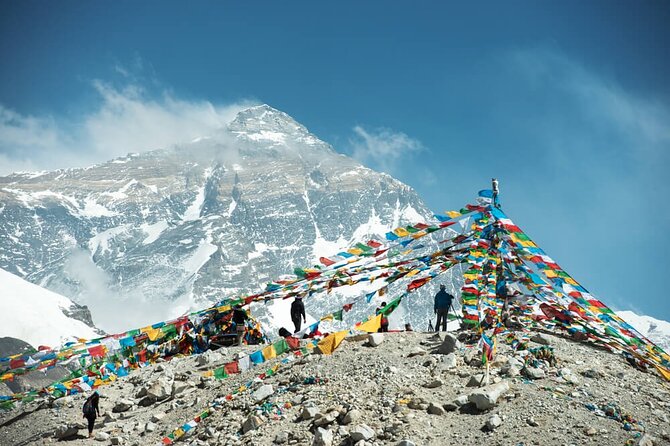
Day 10 is built around a very early start to see sunrise from Kala Patthar. The route to Kala Patthar is described as simple to follow, but the trail to get there is still difficult. Once you reach Kala Patthar, Everest becomes clearer.
This is one of those moments you hear about for a reason. The itinerary describes the joy of standing under the world’s highest mountain, and that is exactly the feeling the day is trying to deliver. Even if you do not catch a perfect sunrise, being there at all is often the memory you keep.
After sunrise, you return along the same route. Breakfast is taken back at Gorakshep, then you continue trekking down to Pheriche for the night.
The return down: Namche, Tengboche again, and Lukla at last
Day 11 brings you from Pheriche back to Namche Bazaar via Pangboche and Tengboche along the same track you used earlier. This is smart. Repeating trails means you can compare views, but also it makes the logistics easier because you already know the rhythm.
Overnight in Namche Bazaar.
Day 12 drops from Namche toward Lukla, arriving with time to decompress. The route passes settlements and keeps offering mountain views and rivers as the trail levels out. You trek down to Phakding and then continue to Lukla.
Overnight in Lukla.
Day 13 completes the loop with Lukla to Kathmandu return. You arrive back in Kathmandu and check into your hotel for rest. The tour also provides another staff greeting and airport transfer support.
Then Day 14 is the final day, with transport to Kathmandu Airport for your flight out.
What you get for your money, and what you do not
At $1,600 per person, this is not a budget Everest trek. But it also includes several expensive pieces that many DIY plans underestimate. You are paying for the structure, the people, and the fact that a lot of paperwork and routing gets handled for you.
Here is what stands out as value:
- Flights Kathmandu to Lukla and back included
- Permits and Sagarmatha National Park fees included
- Licensed guide support, including guide meals and accommodation
- Porter support, 2:1, with the porter carrying two members’ bags plus their meals and more
- Kathmandu lodging: three nights with breakfast
- Standard tea house stays on the trek
- A first aid kit with oximeter and pulse meter checker
What you should budget separately:
- Tips for guide and porter
- Drinks and bottled water, plus charging and personal extras like Wi-Fi and hot showers
- City meals in Kathmandu, since lunch and dinner there are listed as not included
The practical takeaway: if you want less stress and lighter packing, this private setup is a real advantage. If you are the type who likes to organize everything independently, you may feel this is paying for convenience.
Guides and porters: why the human side keeps showing up
The strongest theme in the feedback is that the guides and porter team make the trek feel safe and organized. Names that have come up include Tek, Dil, Ram, Mingmar, Som Kumar Tamang, Keke, and others, with multiple mentions of patient guidance and good humor.
That matters on Everest routes. You are making dozens of small decisions every day. Do I push today, slow down, stop earlier, ask for help reading the weather? A good guide turns those questions into calm actions.
The porter ratio, 2:1, also changes your trekking experience. When the load is shared, you can keep your pace smoother. Your knees and lungs tend to thank you.
Finally, the included medical kit with an oximeter and pulse meter checker is a practical touch. It does not remove risk, but it supports smarter monitoring when altitude starts messing with your body.
Who this private Everest Base Camp trek suits best
This tour is designed for travelers with moderate physical fitness. The itinerary includes a mix of longer trekking days, acclimatization, and early starts. If you are comfortable walking daily for hours and you can manage altitude risk with a steady pace, you will likely fit well here.
This is also a great choice if you want:
- A private group experience with only your party
- Everything important handled, permits, park fees, flights, and tea house routing
- A guide who can keep the plan on track when conditions change
It may be less suitable if you are looking for a gentle stroll. This is the Everest region, and the trek is framed as one of the more extreme challenges most people attempt.
Should you book this private Everest Base Camp trek?
Book it if you want a clean, structured plan with strong logistical support, including Lukla flights, permits, guide and porter coverage, and altitude monitoring gear. The itinerary’s acclimatization built into Namche and Dingboche is a serious plus.
Hold off if you are not ready to commit to slow, steady walking, altitude self-care, and a flexible mindset around weather. The good-weather requirement is not a small footnote here.
If you do book, treat it like training plus travel, not just a vacation. Start hydrating early, pack smart, and let your guide set a sensible pace. That is the formula that turns a brutal day into a memorable one.
FAQ
Where does this Everest Base Camp trek start and end?
It starts in Kathmandu at Tribhuvan Airport and ends back in Kathmandu with return transport to Kathmandu Airport.
Is airport pickup included in the price?
Yes. You get airport pick up and final departure by private vehicle.
Are the flights between Kathmandu and Lukla included?
Yes. Kathmandu to Lukla and Lukla back to Kathmandu flights are included.
What kind of lodging do you use on the trek?
The trek uses standard tea houses. In Kathmandu, the package includes three nights of accommodation with breakfast.
Are permits and national park fees included?
Yes. The trip includes needed permits and national park fees.
Do you travel with a guide and porter?
Yes. You get an excellent government licensed holder guide, and you also get a strong porter with a 2:1 ratio (one porter carries two members’ bags).
Is there any altitude-related or medical equipment included?
Yes. The first aid kit includes an oximeter and a pulse meter checker.
What is not included in the tour price?
Personal expenses like phone and camera charging, hot shower, and Wi-Fi are not included. Tips for guide and porter are not included. Also, drinks are not included, and lunch and dinner during your stay in Kathmandu are not included.
What is the cancellation and weather policy?
You can cancel up to 3 days in advance for a full refund. If it is canceled due to poor weather, you will be offered a different date or a full refund.
Latest Kathmandu write-ups
- Langtang Valley Trek★ 5.0 · 3 reviews
- Langtang Valley Trek from Kathmandu★ 5.0 · 3 reviews
- Khopra Danda Trek★ 5.0 · 3 reviews
- 5 night / 6 days Kathmandu Nagarkot Chitwan Pokhara tour★ 5.0 · 3 reviews
- Nepal Highlights Tour: 5 Nights 6 Days Kathmandu & Pokhara Tour★ 5.0 · 3 reviews
- Kathmandu Valley Private Day Tour★ 5.0 · 3 reviews
- Kathmandu Heritage Day Tour★ 5.0 · 3 reviews
- Conquer the Himalayas: The Ultimate 16-Day Annapurna Circuit Trek★ 3.5 · 3 reviews
Everest Base Camp Trek, compared.

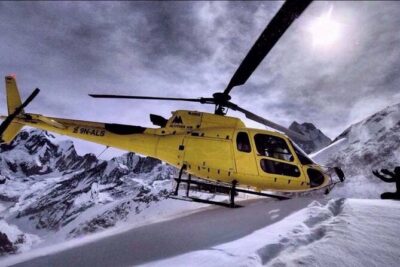
Everest Base Camp Helicopter Tour landing at Everest View Hotel
Read our review →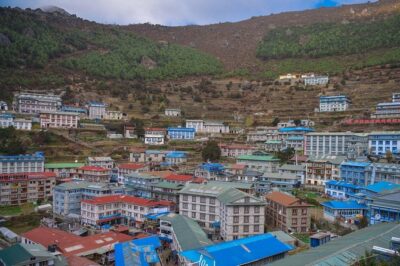
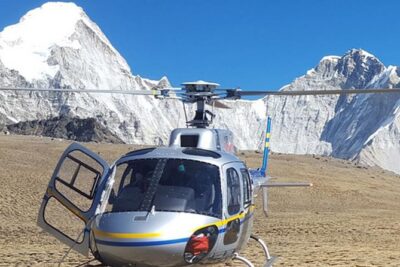
Everest Base Camp Helicopter Tour landing at Hotel Everest View
Read our review →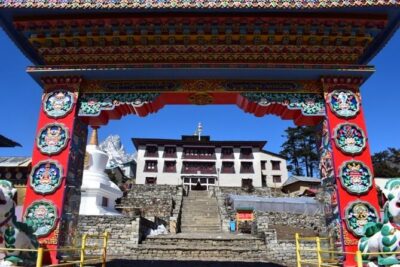
Browse the lists this tour appears in