
Reviewed · EVEREST BASE CAMP TREK
14 Days Private Everest Base Camp Trekking Tour
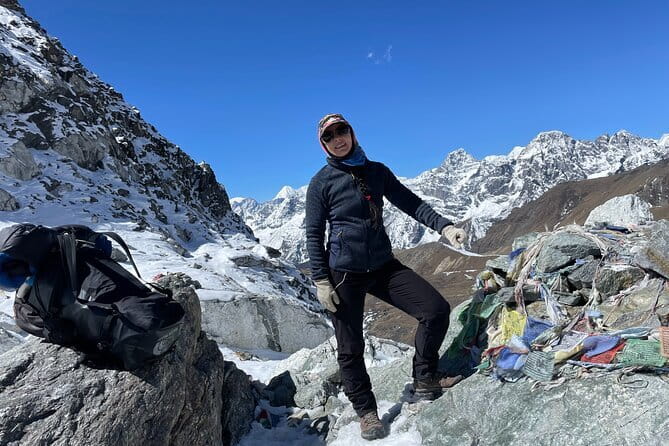
A private 14-day Everest Base Camp trek is interesting because you get the full Khumbu rhythm, big air on the Lukla flights, and then day after day of altitude building toward a real Everest staging moment at Everest Base Camp. I like how the plan is built around acclimatization, not just pushing upward. I also like the practical side, private transfers plus a guided setup that handles permits and logistics so you can focus on walking, breathing, and taking in the views.
One consideration: the trek runs on a tight altitude schedule and includes early mornings for key viewpoints, so you’ll need solid fitness and a calm attitude if the mountains slow you down.
Key things I’d watch for before you go
- Private group pacing with a certified guide and porter support, so you are not stuck managing details on your own
- Acclimatization built in at Namche, Dingboche, and with a hike to Nangkartshang Peak (5083m)
- Everest View Hotel in Namche, giving you a high-elevation viewpoint day before the steeper climbing starts
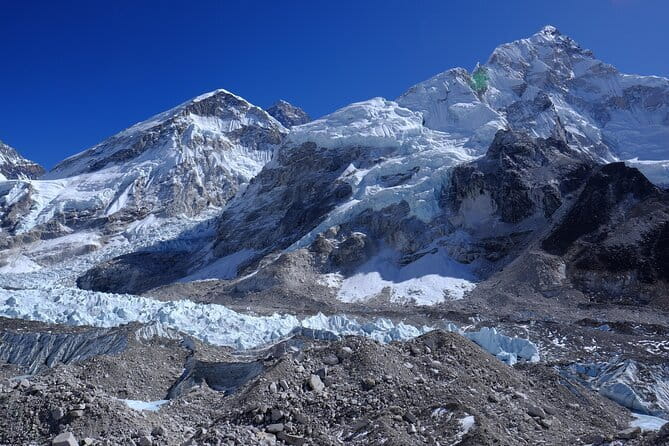
- Kala Patthar at dawn, a smart plan for better sightlines, plus sunrise time to enjoy the show
- Meals and park fees covered, which helps you budget and keeps days simpler
- Private bathrooms at Phakding, Namche, and Lukla, a nice comfort upgrade on a long trek
A private Everest Base Camp trek that is really about the walking days
This is the kind of trek that works because the hard part is not just reaching Everest Base Camp. It is the in-between days where your body learns how to handle altitude, and your eyes learn how to read the mountains, from river valleys to rocky ridgelines.
What makes this tour feel different from a basic trek template is the private setup. You are traveling as a group only with your own party, not mixing into a bigger crowd. That matters on the little things: you can keep a consistent pace, your guide can tailor stops, and you are less likely to feel like you are chasing headlamps on narrow trails.
Also, the tour leans into the route design. You start with Lukla flying in, then gradually step up through Sherpa towns and monasteries. The itinerary includes the classic anchor points most people talk about later, like Namche Bazaar and Tengboche, then the final push through Gorakshep to Base Camp, and the early climb to Kala Patthar for sunrise.
More ways to walk to Everest Base Camp:
- Everest Base Camp Trek – 14 Days
★ 5.0 · 1,499 reviews - Everest Base Camp Trek
★ 5.0 · 842 reviews - Everest Base Camp Helicopter Tour landing at Everest View Hotel
★ 5.0 · 668 reviews
From Tribhuvan Airport to Thamel, your first day is about settling in
Day 1 is Kathmandu, and the plan is straightforward: a Yolo Hike representative meets you at Tribhuvan International Airport, then transfers you to your accommodation. After a rest, you get time to walk Thamel, the tourist district with food, music, and easy people-watching.
Here is why that matters. Nepal trekking can throw you off if you land tired and then immediately start planning logistics. A calmer first day helps you be ready for the flight days that come next.
Lukla flights and the first trail into Phakding
On Day 2 you fly from Kathmandu or Ramechhap to Lukla. The flight time is short, about 25 minutes from Kathmandu or 20 minutes from Ramechhap. Once you land, you meet the Sherpa team and start walking right away toward Phakding.
The trail begins on a stone-paved path, then eases you into the Khumbu walking style as you reach Phakding after about 3 hours on the route segment described. This is a good day to manage your expectations. You are not trying to conquer the mountains yet. You are learning how your legs feel at altitude and how your breathing changes when the air gets thinner.
The practical win: by the time you arrive in Phakding, you have a real base for rest before the Namche climb begins.
Entering Sagarmatha National Park via Monjo and classic suspension bridges
Day 3 transitions you into Sagarmatha National Park. You pass through the Monjo checkpoint, then cross two suspension bridges described as Larpchen Bridge and Hilary Bridge, both marked with prayer flags. From a trekking perspective, bridges are not only scenery. They are orientation points in the mind. You feel like you are crossing into a new zone, and that helps you stay present while hiking through river gorges.
From there you head toward Namche Bazaar. This is also when you get your first taste of Sherpa town life, including that busy mix of trekkers, locals, and tea-house activity. Your guide builds in time to reach Namche comfortably without turning this day into a race.
More to compare around Kathmandu
- Private Kathmandu Sightseeing Tour | UNESCO World Heritage sites
★ 5.0 · 756 reviews - Kathmandu: 7 UNESCO Sites with Lunch
★ 4.8 · 744 reviews - Half day cooking class in Thamel kathmandu
★ 5.0 · 607 reviews - Everest Base Camp Trekking
★ 5.0 · 485 reviews
Namche acclimatization, plus the high viewpoint day at Everest View Hotel
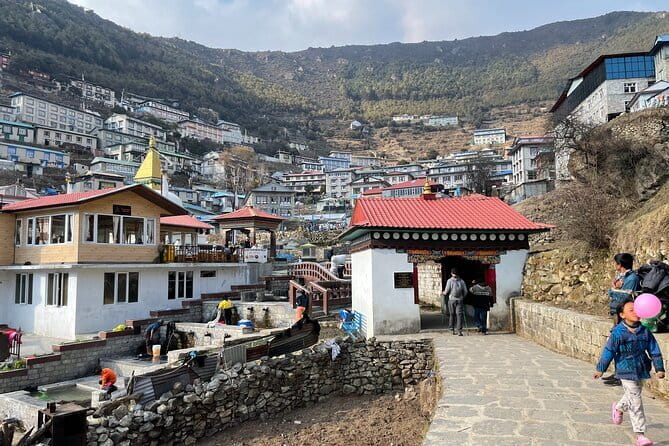
Day 4 is your first real acclimatization focus in Namche Bazaar. You get time to hike nearby and get your bearings, then you also visit the Everest View Hotel, listed as a high-altitude hotel and viewpoint.
This day is valuable because it gives you a mountains-first reward while your body is still adjusting. You can see Mount Everest along with peaks like Ama Dablam, Nuptse, Lhotse, Thamserku, and Cholatse. That is a lot to process, but the timing helps. You are not yet at the stage where fatigue makes your eyes glaze over. Namche is where the big picture starts clicking.
Then you sleep in Namche, setting you up to move toward Tengboche.
Tengboche Gompa and the spiritual pause before the Khumbu climb
On Day 5 you hike toward Tengboche Gompa, one of the older monasteries in the Khumbu area. After exploring the monastery, the day includes an ascent and descent through forests and settlements, with views described over Pangboche and Namche Valley from higher ground.
You also get a lunch stop among two villages on the route, and then later you descend through cliffs and cross suspension bridges over rivers to reach the Army Checkpoint and enter Tengboche.
A balanced way to think about Tengboche: it is both scenery and morale. This is the kind of stop where you can slow down, not just grind upward. Even if you are eager to get to Base Camp, you will enjoy how a monastery day gives your brain a break from altitude math.
Dingboche and the long rhythm of pine and rhododendron
Day 6 moves you toward Dingboche. You descend through Debuche and then hike through pine and rhododendron forest, with the route described as giving color contrasts against the mountains.
The itinerary says you hike to Pangboche for lunch near the Lobuche River in the Imja Valley area, then continue through settlements like Dingboche, described with buckwheat and potatoes.
This is the easiest-feeling trek day in the itinerary, at least compared to what comes after. I like this kind of pacing in Everest treks. It reduces the chance you burn your legs too early, and it keeps your energy available for acclimatization and later steep segments.
Dingboche acclimatization with Nangkartshang Peak (5083m)
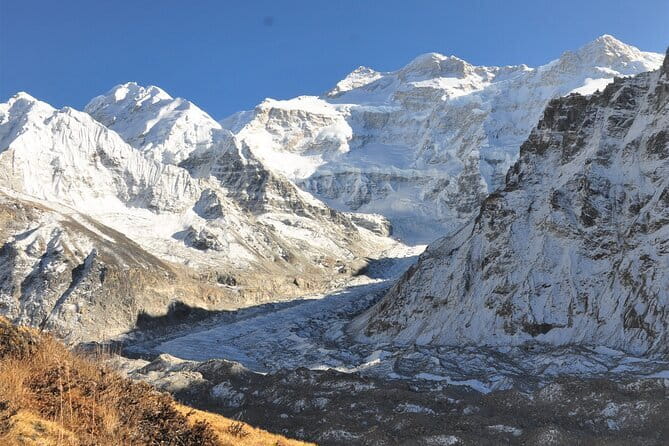
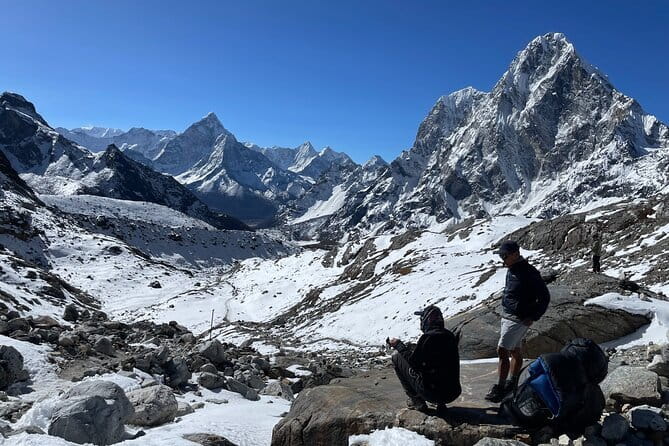
Day 7 is another altitude adjustment day. Dingboche is described as the last Sherpa village on the Everest Base Camp route, and it is also where the views open up with peaks like Taboche, Island Peak, Ama Dablam, Lhotse, and Everest.
Your acclimatization hike is to Nangkartshang Peak (5083m). The tour frames this as a short hike designed to help your upcoming days. That is exactly the idea. You get the altitude stimulus without going full send.
If you have ever felt altitude headaches, this is also where you learn your personal tolerance. Take your time on the climb, hydrate, and keep your breathing steady. Your guide will be the person to watch for cues and pacing.
Lobuche early start, Thukla viewpoint, and a wind-aware plan
Day 8 pushes you toward Lobuche. You start early after tea and a light breakfast. The itinerary explicitly points out that the early start helps you avoid the hassle of strong wind.
You climb gradually through a route described as more uphill and rocky than Dingboche, reach the Thukla viewpoint, and then enjoy wide views including Ama Dablam and other distant peaks listed in the route description. You then descend for hours to reach Lobuche.
I like days like this when a trek plan respects the weather and trail conditions. You are not just hoping for perfect visibility. You are timing the hike to give yourself the best shot.
Gorakshep and the day your Everest plan becomes real at Base Camp
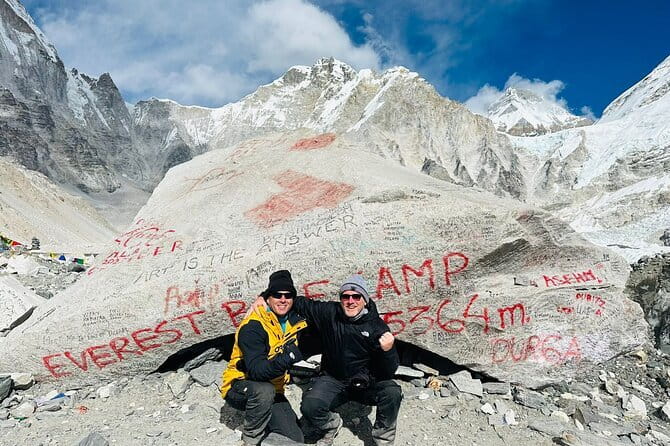
Day 9 is the signature day: Everest Base Camp. The itinerary describes starting from Lobuche early and heading uphill on a rocky path between high mountains to reach Gorakshep. There you rest, and have breakfast, then you continue to Base Camp at 5,346m.
You arrive at a lively staging area for climbers preparing to move higher, and the day becomes heavy in the best way: you finally see what you have been working toward for days.
This is also where your guide matters for small things. If you have a sensitive stomach or limited stamina, the best moment is when someone can help you manage pace and rest points so you still enjoy the arrival.
Kala Patthar at dawn, then down to Pheriche
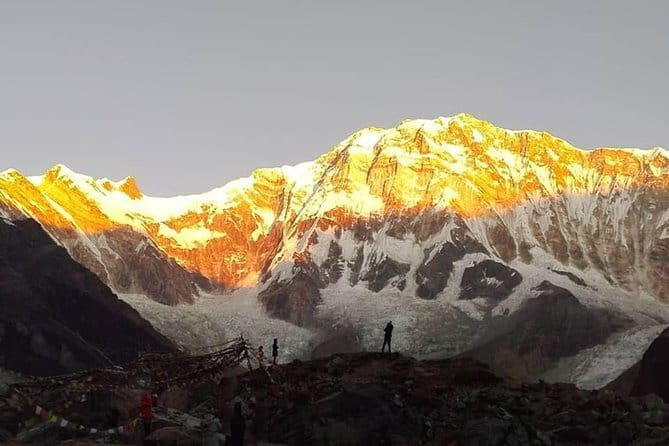
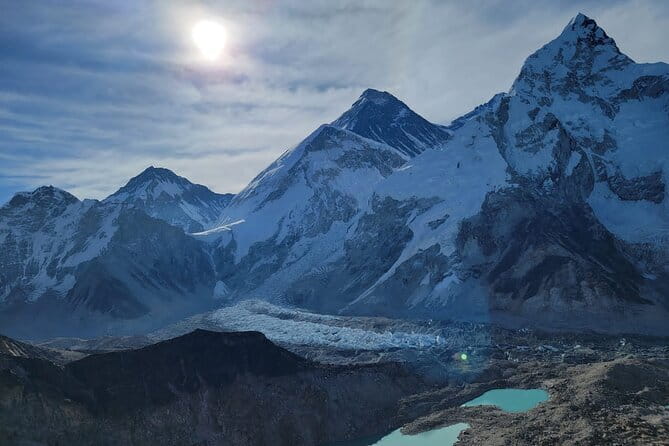
Day 10 is built around sunrise at Kala Patthar. The itinerary notes that Everest views from Base Camp may not be best, so you approach Kala Patthar in the dawn.
You spend time watching the peak with sunrise tones, then descend for your return journey down to Pheriche for overnight.
This is one of those trek days that separates a good day from a memorable one. Sunrise takes energy and time, but it also gives you clearer viewing conditions and a sense of drama that is hard to replicate later.
The return to Namche and the feeling that your body already learned
Day 11 brings you back along the same route to Namche Bazaar, where you stay for the third time. Trekking down can feel easier on paper, but it is still a physical day. Your knees will remind you if your legs are not used to this type of descent.
But the payoff is mental. You have a chance to look at the same places with less strain in your body. It becomes easier to notice trail details again, and to enjoy the steady fact that you are going home.
Lukla again, Dudh Koshi, suspension bridges, and your last night in Nepal trekking mode
Day 12 is a return toward Lukla. The itinerary describes reaching Lukla through the Dudh Koshi River, including crossing suspension bridges over it.
Once you arrive in Lukla, you get time to stroll and shop for memories. Even if you are not a souvenir person, it is a nice way to mark the transition from trek to travel.
Back to Kathmandu with a finish line and a small celebration
Day 13 flies you back to Kathmandu via Lukla Airport. You get a bird-eye view during the flight, then a vehicle transfer to your accommodation.
The tour includes a small farewell and completion celebration. I like this detail because it gives closure. You have done the hard part. Now you can eat well, shower, and let the trip settle into your memory.
Day 14 is the final day, with assistance to Tribhuvan Airport and then your flight home.
Guides, porters, and why the organization is part of the value
The included support is one of the biggest reasons this trek feels manageable. You get a certified guide plus 1 porter for every two trekkers, with salary, food, accommodation, and insurance covered for the porter.
I also like the way Yolo Hike handles the behind-the-scenes pieces. In experiences shared with me by past travelers on this operator, I have heard that Anil Bhatta helps organize permits, registrations, and hotel booking, and that he personally introduces trekkers to the guide on the ground, including guides named Ashok and TN Bhatta. You might not get the exact same guide, but the pattern is consistent: organization is part of the service, not an afterthought.
On a trek like this, that matters. You are trusting people for permits, park fees, flight timing, lodge bookings, and day-to-day decisions. Having a guide plus a properly staffed porter team reduces stress and helps you keep walking comfortably.
Price check: what $1,490 includes, and what you still need to budget
At $1,490 per person, you are paying for a full package that covers real cost drivers on this route.
Included value highlights:
- Airport to airport transfer in a private vehicle
- 2 nights in Kathmandu on a twin-sharing basis
- Tea-house lodge nights during the trek, on a twin-sharing basis, described as best available accommodation
- Private bathrooms in Phakding, Namche, and Lukla
- Flights Kathmandu to Lukla and back
- Sagarmatha National Park fees with government taxes and services charges
- Meals listed as breakfast 13, lunch 11, and dinner 13
- Guide and porter support, with porter ratio 1:2
What you should plan for outside the package:
- Travel insurance and international flights
- Nepal entry visa fee
- Soft drinks, including water, if not listed in the itinerary
- Personal expenses like laundry and bar bills
In other words, you are not just paying for a walking route. You are paying for a guided, licensed setup with domestic flights, park fees, and most meals handled for you. If you would otherwise have to hire guides, arrange permits, and build your own lodge and flight plan, the package starts to look like good value.
Where this tour fits best, and where you may want a different plan
This tour is a strong match if you:
- Want a private group and a guided pace rather than a DIY scramble
- Care about acclimatization days and a route that respects altitude
- Like the comfort upgrades mentioned, like private bathrooms at key stops
- Want most meals and park fees included so you can budget calmly
It may feel like a tough fit if:
- You dislike early mornings, since dawn starts are part of the plan
- You are not comfortable with altitude, since the itinerary includes high points like Nangkartshang (5083m) and Kala Patthar at dawn
Also, the itinerary assumes strong physical fitness. That is not negotiable on this route.
Should you book this private Everest Base Camp trek?
If your goal is to reach Everest Base Camp and experience the classic payoff of Kala Patthar sunrise, this itinerary looks like a smart, well-rounded way to do it. The included support, from certified guiding to porter staffing, plus the fact that park fees and most meals are covered, makes the trip feel less stressful and more focused on the trail.
I would book it if you want structure, comfort where it matters, and a plan that builds in acclimatization rather than hoping you will be fine. I would pause and consider alternatives if you want maximum flexibility for flights and want a less structured lodge and meal setup, because this trip runs on a schedule with domestic flights and multiple fixed itinerary days.
FAQ
Where does the tour start?
The tour starts at Tribhuvan Airport in Kathmandu, Nepal, with a representative meeting you upon arrival.
Is airport pickup and transfer included?
Yes. The tour includes airport to airport transfer in a private vehicle, including pickup after your return to Kathmandu.
How do flights work on this trek?
The trek includes a flight ticket (Kathmandu to Lukla to Kathmandu). The itinerary also notes flights to Lukla are from Kathmandu or Ramechhap, depending on schedule.
What kind of guide and porter support is included?
A certified guide is included, along with 1 porter for every two trekkers. Porter costs covered include salary, food, accommodation, and insurance.
What accommodation is included in Kathmandu and during the trek?
You get 2 nights in Kathmandu on a twin-sharing basis. During the trek, you stay in tea house lodges on a twin-sharing basis, described as best available, and your itinerary also specifies private bathrooms in Phakding, Namche, and Lukla.
Are meals included?
Yes. The tour lists breakfast (13), lunch (11), and dinner (13) as included.
Are Sagarmatha National Park fees included?
Yes. Sagarmatha National Park fees with all government taxes and services charges are included.
What is not included in the tour price?
Not included are travel insurance, international flight tickets, Nepal entry visa fee, soft drinks including water and other beverages not listed, and personal expenses like bar bills and laundry.
Is free cancellation available?
Yes. You can cancel up to 24 hours in advance for a full refund, and cancellation is free under that condition.
Latest Kathmandu write-ups
- Langtang Valley Trek★ 5.0 · 3 reviews
- Khopra Danda Trek★ 5.0 · 3 reviews
- Langtang Valley Trek from Kathmandu★ 5.0 · 3 reviews
- 5 night / 6 days Kathmandu Nagarkot Chitwan Pokhara tour★ 5.0 · 3 reviews
- Nepal Highlights Tour: 5 Nights 6 Days Kathmandu & Pokhara Tour★ 5.0 · 3 reviews
- Kathmandu Valley Private Day Tour★ 5.0 · 3 reviews
- Conquer the Himalayas: The Ultimate 16-Day Annapurna Circuit Trek★ 3.5 · 3 reviews
- Kathmandu Heritage Day Tour★ 5.0 · 3 reviews
Everest Base Camp Trek, compared.



Everest Base Camp Helicopter Tour landing at Everest View Hotel
Read our review →



Everest Base Camp Helicopter Tour landing at Hotel Everest View
Read our review →
Browse the lists this tour appears in