
Reviewed · EVEREST BASE CAMP TREK
12 Day Everest Base Camp Guided Trek
If you want a trek that feels like a movie set but still requires real work, Everest Base Camp is it. The route climbs through Sherpa villages and rhododendron forests, then pushes you into the high, cold world where every day brings a new view and a new set of altitude challenges.
What I really like is how organized the whole trip feels once you land in Nepal. You get airport transfers in Kathmandu, included Kathmandu to Lukla flights, and a guide who brings structure to each day so you are not guessing in the mountains.
One thing to consider up front: this is a serious altitude trek. You will need strong fitness and patience for the slow pace, especially after Dingboche and on the long push to Gorakshep and Kala Patthar.
Key points you should know
- Lukla flight sets the stage fast, then you start walking almost immediately
- Two acclimatization days in Namche Bazar and Dingboche help your body adjust
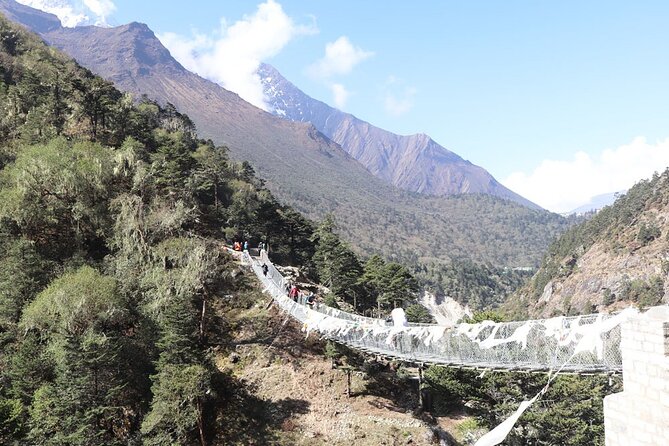
- Rhododendron forests, suspension bridges, and monastery stops make the trek feel varied, not repetitive
- Kala Patthar sunrise is the big payoff, with panoramic views across the Everest region
- Lodge-based trek with 11 nights included, plus breakfast, lunch, and dinner each day on the trek
- Group size stays small (up to 14), so the pace stays manageable
Kathmandu to Lukla: the quick hop that changes everything
Your experience starts in Kathmandu, with an early pickup from the Thamel area and a 6:15 am start time. From there, you fly for about 35 minutes to Lukla, one of the signature moments of an Everest Base Camp trek because the Himalayan scenery hits right away. After you land, your trekking guide meets up with the porters, and your walking routine begins quickly.
The trek’s first stretch follows the Dudh Koshi River, so you get that classic mountain valley rhythm: easy going, lots of fresh air, and plenty of time to find your stride. You walk toward Phakding in about 3 to 4 hours, a great warm-up before higher altitudes start stacking up.
If you get nervous about logistics, this is where the trip design helps. Having domestic airport transfers and the included flight ticket handled means you can focus on your breathing, your boots, and the next day’s climbs.
More ways to walk to Everest Base Camp:
- Everest Base Camp Trek – 14 Days
★ 5.0 · 1,499 reviews - Everest Base Camp Trek
★ 5.0 · 842 reviews - Everest Base Camp Helicopter Tour landing at Everest View Hotel
★ 5.0 · 668 reviews
Walking into the Khumbu: Phakding, Jorsale, and Namche Bazar at 3,440m
After lodge breakfast, the route continues alongside the Dudh Koshi, crossing it a few times. You also pass into the park area around Jorsale for lunch, which is a nice break in the middle of the day when your legs are still fresh.
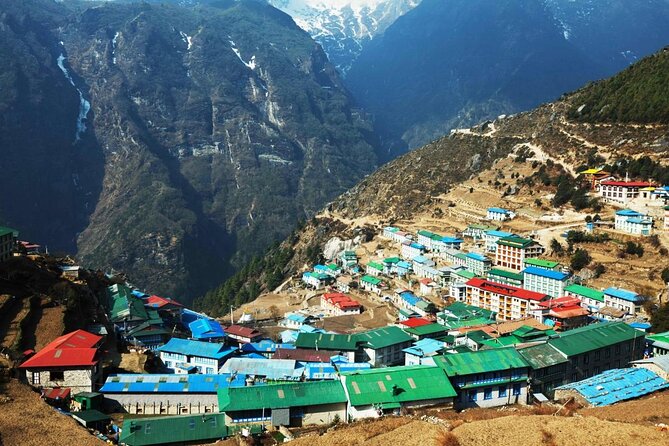
Then you head toward Namche Bazar. The approach is scenic and gradually changes character: you move through pine-covered paths, reach a plateau where the Saturday bazaar happens, and finally arrive in Namche Bazar at about 3,440m. Namche is surrounded by mountains on three sides, opening out where it faces the Dudh Koshi, so it feels like a natural amphitheater.
This day is not just about distance. Namche is your first real altitude anchor. You are high enough to feel it, but not so high that you are forced into peak intensity immediately.
Namche rest day: acclimatization that is more useful than it sounds
You spend a full day in Namche Bazar for acclimatization. The point is simple: your body needs time to adjust, and your itinerary builds in that time without turning it into wasted days.
In Namche, you have lodges, tea shops, and souvenir shops, plus a strong sense of Sherpa town life. There is also a good lookout over the Everest region when the weather plays nice. This is a day where you can slow down, eat properly, and take in the culture while your breathing improves.
If you have done other treks, you might be tempted to “power through” rest days. Here, that mindset can backfire. You want your sleep and recovery to work for you, because the days ahead get steeper and colder.
From Tengboche monastery to Pangboche and Dingboche: rhododendron and views
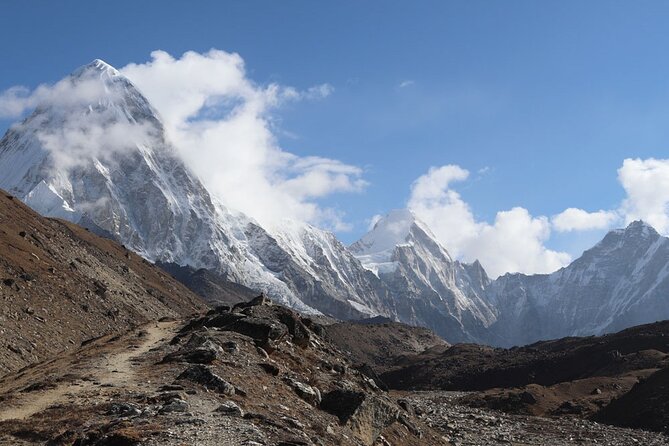
The next section moves you through ridges and flatter stretches first, then into the dramatic river valleys. You walk past views of peaks like Thamserku, Kantega, and Kusum Kangrib, and then descend toward Phunki Tenga.
From there, the route climbs through rhododendron forest to Tengboche, where you reach the monastery. A monastery stop matters on this trek, not because you need the cultural checklist, but because it gives you a natural rhythm: a viewpoint, a pause, a chance to check how your body feels.
After Tengboche, you head down through rhododendron forest toward the Imja Khola. You cross a suspension bridge, pass a long mani stone wall, and continue to Pangboche. Then you move onward through summer pastures toward Dingboche.
More to compare around Kathmandu
- Private Kathmandu Sightseeing Tour | UNESCO World Heritage sites
★ 5.0 · 756 reviews - Kathmandu: 7 UNESCO Sites with Lunch
★ 4.8 · 744 reviews - Half day cooking class in Thamel kathmandu
★ 5.0 · 607 reviews - Everest Base Camp Trekking
★ 5.0 · 485 reviews
Dingboche acclimatization day: get ready for the high, harsh terrain ahead
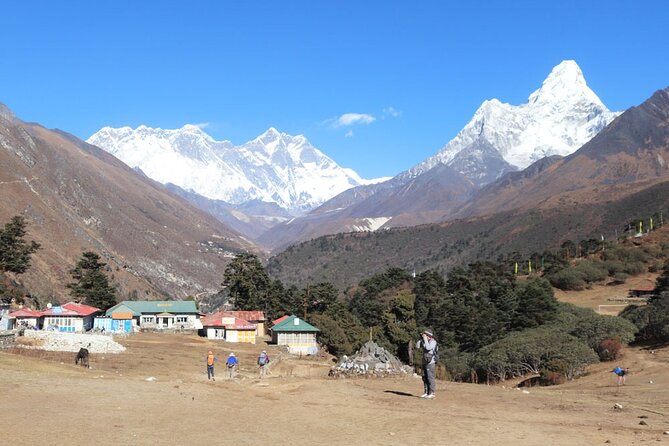
Dingboche is a key day because you get another acclimatization day, with time to explore the valley that leads up toward Island Peak. You are surrounded by big-name views, including Ama Dablam and the Lhotse-Nuptse ridge.
The walking is shorter and your afternoon is free for rest or side trips, depending on how you feel. This is one of those “small decisions” days. If you feel good, you might take a light walk to keep your body moving. If you feel off, you treat the day like recovery and protect your energy.
What I like about this structure is that it makes acclimatization feel like part of the trek, not a delay. The altitude is not a surprise. It is a process.
To Lobuche and onward: the glacier zone starts showing up
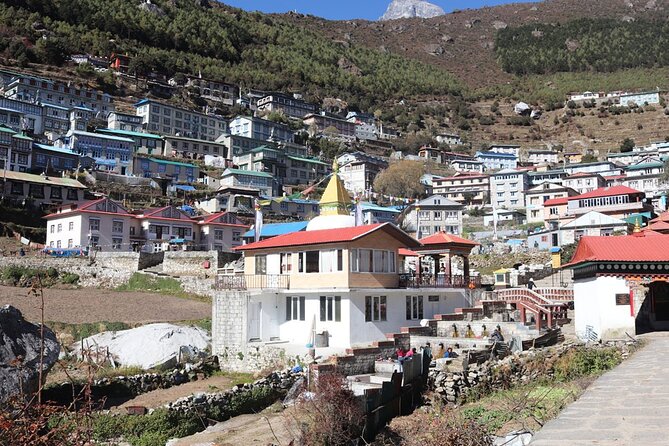
After Dingboche, you trek north toward a mani-prayer stupa, then follow a gentle descent toward Pheriche. Views keep coming, including Mt. Tawache and Ama Dablam, plus high peaks around you like Pokalde and Kongma-tse.
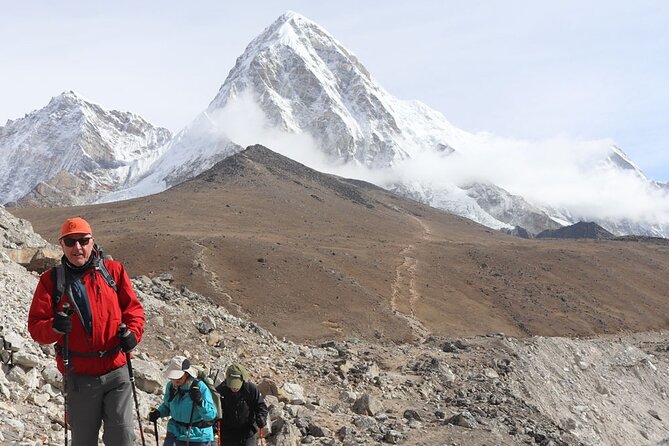
You connect with trails near Dugla, cross a small wooden bridge over the Khumbu glacier, then climb a steep hill to a top viewpoint. From there you can see Mt. Pumori and the west side of Everest, which helps you understand where you are in the bigger geography.
The day ends at Lobuche, setting you up for the final push toward Gorakshep and Everest Base Camp. This is also where pacing becomes crucial. You are not racing. You are managing effort so you still enjoy the sunrise day coming up.
Gorakshep and Everest Base Camp: where the trek becomes real
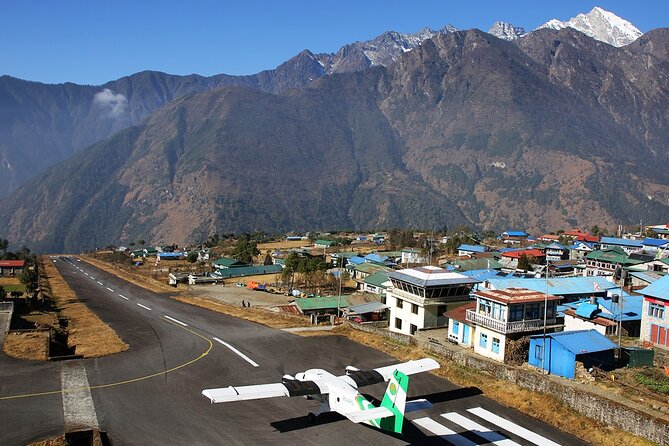
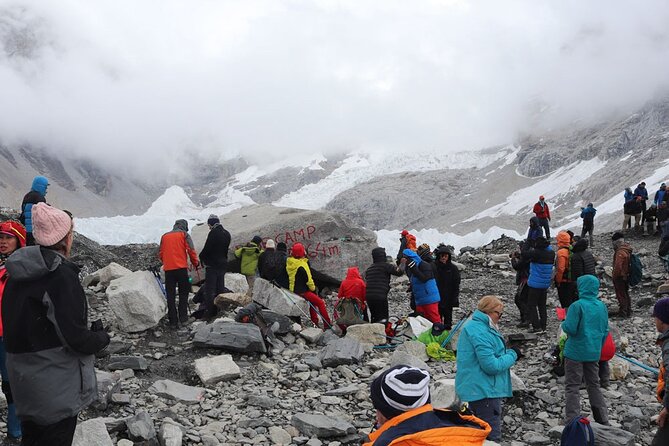
The Base Camp day starts with trekking to the area around Gorakshep. The walk includes rocky moraine paths, glacial ponds, and icebergs below the Khumbu glacier. It has a “scientific” feel, like you are watching a moving system of ice rather than just hiking in mountains.
Once you reach Gorakshep, you stop for lunch and leave your extra stuff at the lodge. Gorakshep is the last place with lodge accommodation on this route, so it becomes your staging point. Then you start the final hike toward Everest Base Camp.
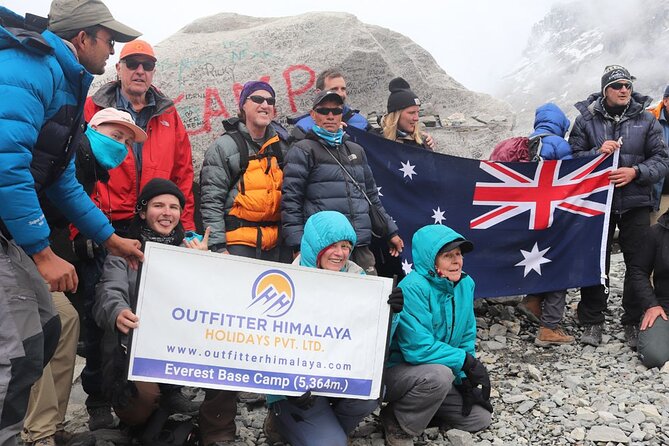
When you arrive at Base Camp, this is the moment the whole plan starts paying off. You get to visit the base camp area and soak in the surroundings before you turn back to Gorakshep for the night.
A practical note: this day can feel both exciting and demanding. You might be emotionally ready to “go go go,” but steady legs and smart breathing still matter.
Kala Patthar sunrise: the view you plan for all trek long
You wake up early and climb to Kala Patthar, about 5,545m, to catch sunrise. This is one of the most important moments on the whole itinerary because it is both a physical challenge and a payoff day.
From Kala Patthar, you get a panoramic view of Mt. Everest and a long list of surrounding peaks, including Pumori, Lingtren, Khumbetse, Nuptse, Lhotse, Ama Dablam, Thamserku, and more. The sunrise element is the magic part. Even when conditions change, the climb is still worth it because it puts you above the rest of the terrain.
After sunrise, you trek down to Gorakshep for breakfast, then continue descending to Pheriche. This is an easier day compared with the climb up, but it still asks you to stay focused because downhill can be tough on your knees.
Heading back: Namche Bazar, Tengboche, and the last push to Lukla
Your descent has a different feel than the ascent. The mountains are still dramatic, but you are no longer “chasing altitude.” You move back toward Namche Bazar, passing through rhododendron forest and stopping for lunch in Tengboche, where the monastery again offers classic views of Ama Dablam and the valley.
Then you make the final trek back to Lukla. The day includes crossing the Bhote-Koshi River a few times and a last uphill climb of about 45 minutes that brings you to Lukla. That final hill can feel longer than it should, mostly because you are close to being done and you know the next day is the flight back.
On the last day, you take an early breakfast, walk to Lukla airport, and fly back to Kathmandu. It is a clean finish after 12 days of steady mountain living.
What you pay for: value, meals, permits, and the gear you might need
At $1,300 per person for about 12 days, this trek can feel like a lot or a bargain, depending on what you compare it to. Here, the value comes from what is bundled.
Your included items on the trek cover:
- 11 nights in trekking lodges
- Breakfast, lunch, and dinner on the trek (11 days)
- A guide
- National park entry permits and TIMS permit
- Flights Kathmandu to Lukla and back, including airport tax
- Kathmandu domestic airport transfers
- An emergency helicopter arrangement that is paid by your travel insurance company
- Sleeping bag, down jacket, and a duffel bag if needed (returned after the trek)
Not included are the Nepal entry visa fee, Kathmandu hotels and meals, travel insurance, drinks and personal expenses, tips, and porter support if you want it. That mix matters. If you already have solid trekking gear and you plan to budget for Kathmandu, the cost aligns well with the structure of the trek.
One more value point is group size. With a maximum of 14 travelers, you are less likely to feel like you are in a huge moving line. You also tend to get more check-ins from your guide, which shows up in the way guides like Rajan and Bir, Dhana, Arjun, and Suraj are described in past trips, especially when people get sick or need extra reassurance.
Guides and safety: why “small details” change your day
A guided EBC trek is not just about route knowledge. It is about how decisions get made when conditions shift.
In the field, guides have been praised for constant group checking, updating people day by day, and keeping everyone on track even if someone gets sick. That matters because altitude symptoms and fatigue are not always predictable. A good guide helps you respond early, not late.
Also, since the included support includes emergency helicopter service handled through insurance, you should treat travel insurance as part of the plan, not paperwork. If you do not already have it, get it sorted before you pay.
Who this trek suits best
This is a strong fit if:
- You want a classic Everest Base Camp experience with a guided structure
- You like lodge trekking instead of camping
- You want two acclimatization days, so your body has time to adjust
- You are physically ready for high-altitude walking and early mornings
This might be a mismatch if:
- You want a leisurely vacation pace
- You struggle with steep climbs or cold conditions at higher elevations
- You are not comfortable managing your own hydration, snack strategy, and rest
Should you book this 12-day Everest Base Camp trek?
I think this is a great booking option if you want a well-run, lodge-based EBC trek with included flights, permits, meals, and a guide that keeps the group moving safely. The big win here is the pacing plan built around acclimatization in Namche and Dingboche, plus the payoff of Kala Patthar sunrise.
Before you commit, be honest about two things. First, your fitness, because the trek is hard in the later days. Second, your weather expectations, because this experience requires good weather and the route can be affected by mountain conditions.
If you are ready for the work and you want the classic Everest moment without carrying the logistics yourself, this is a smart way to go.
Latest Kathmandu write-ups
- Langtang Valley Trek★ 5.0 · 3 reviews
- Langtang Valley Trek from Kathmandu★ 5.0 · 3 reviews
- Khopra Danda Trek★ 5.0 · 3 reviews
- 5 night / 6 days Kathmandu Nagarkot Chitwan Pokhara tour★ 5.0 · 3 reviews
- Nepal Highlights Tour: 5 Nights 6 Days Kathmandu & Pokhara Tour★ 5.0 · 3 reviews
- Kathmandu Valley Private Day Tour★ 5.0 · 3 reviews
- Conquer the Himalayas: The Ultimate 16-Day Annapurna Circuit Trek★ 3.5 · 3 reviews
- Kathmandu Heritage Day Tour★ 5.0 · 3 reviews
Everest Base Camp Trek, compared.



Everest Base Camp Helicopter Tour landing at Everest View Hotel
Read our review →



Everest Base Camp Helicopter Tour landing at Hotel Everest View
Read our review →
Browse the lists this tour appears in