
Reviewed · EVEREST BASE CAMP TREK
14-Days Private Everest Base Camp Trek Activity
A private Everest Base Camp trek is interesting because you are walking in the shadow of the world’s biggest peaks, with views that feel personal and close up. I love how the route keeps turning the mountains into new angles day after day, so you are not just passing through, you are constantly re-reading the skyline. The focus on Everest region panoramas is the whole point.
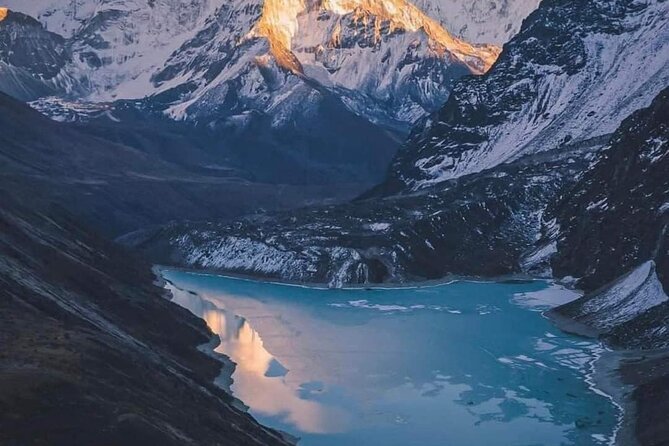
I also really like the way this itinerary builds in acclimatization days before you push higher. Namche Bazaar and the Dingboche stop give you time to adjust, plus you can hike up for viewpoints like the one from Dingboche, where Ama Dablam can look almost mirrored.
The main drawback to consider is the altitude and weather reality. You are going high, and the itinerary also depends on good conditions, so you should be ready for a schedule that can be affected if conditions turn rough.
Key highlights worth knowing
- Private trip feel with only your group participating
- Smart acclimatization pacing in Namche Bazaar and Dingboche
- Everest Base Camp plus Kala Patthar for the classic viewpoints
- Daily tea house rhythm with included breakfast, lunch, and dinner
- Mountain-walk details that matter, like descending carefully and watching loose stones
- Professional guides get praised, including Dipak and Bishal Gurung in past trips
Kathmandu to Thamel: where your trek actually starts
Your trek begins in Kathmandu, with an airport welcome and a transfer to your hotel. You’ll meet the travel expert and guide for the next steps, and you can expect warm, practical orientation so you know what happens the following day.
Then there’s Thamel. Even if you are already packed, it’s a useful place to do last-minute gear tweaks and buy what you still need. It also helps to walk around, eat something familiar, and get your energy back before the first big mountain day.
One note that affects value: your hotel level can be three-star or five-star depending on the trekking package you choose. If you care about comfort after long travel days, pay attention to that part of the quote.
More ways to walk to Everest Base Camp:
- Everest Base Camp Trek – 14 Days
★ 5.0 · 1,499 reviews - Everest Base Camp Trek
★ 5.0 · 842 reviews - Everest Base Camp Helicopter Tour landing at Everest View Hotel
★ 5.0 · 668 reviews
Lukla flights and the gentle first steps to Phakding
Day 2 kicks off with the Lukla landing and a meet-up with the whole trekking team. You’ll have breakfast at the tea house, then head into the Everest region toward Phakding, the first real trekking village on this route.
This day is described as not overly difficult because Phakding sits lower than Lukla, so you get a steadier rhythm to start. The trail passes Mani walls and chortens, and you also cross paths near local offices on the way, where permits are handled.
Practical takeaway: this is the day to focus on footwork and pacing, not speed. Rocky sections and changing surfaces can be a surprise early on, even when the climb is moderate.
Monjo permits, suspension bridges, and Namche’s altitude reset
By Day 3 you’re heading toward Namche Bazaar, with Monjo as a key checkpoint. You’ll take the National Park permit at the Sagarmatha National Park office in Monjo, then continue along the Dudh Koshi area with suspension bridges that feel like they give you more of the valley than you expected.
After lunch at Jorsalle, you’ll cross the suspension bridge and climb toward Namche Bazaar. Expect a tougher uphill segment, plus a mix of forested trail in alpine and juniper areas on the way.
Day 4 is a body-care day in Namche Bazaar and Khumjung. The itinerary is explicit that this is for altitude adjustment and to lower the risk of acute mountain sickness. Khumjung matters too because it’s tied to the Khumbu valley trading route, with services that make acclimatization towns feel more livable.
Tengboche: close Ama Dablam views and yak traffic etiquette
Day 5 brings the Tengboche stretch, with repeated chances to see Ama Dablam and other Everest region peaks. The trail moves uphill on rocky, dusty footing with small pebbles, so you will want to watch your steps and keep a light, steady stride.
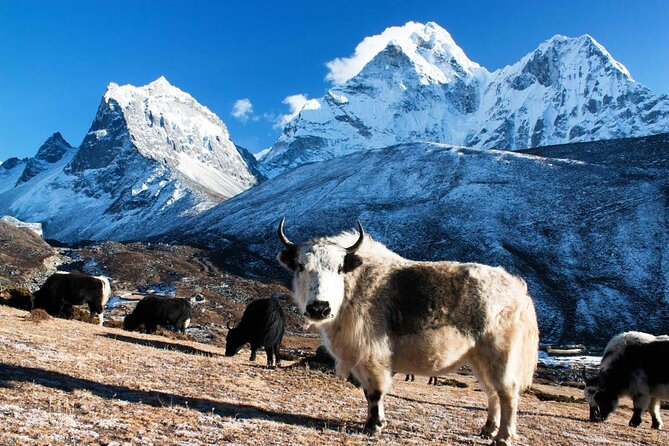
There’s also a very specific detail worth taking seriously: when you let the way to yaks used for transport, stay on the corner side. If you don’t, you can get pushed into the wrong spot, which is not the moment you want when the trail is narrow and uneven.
As you continue, you’ll pass through a forested tree line area before reaching Tengboche and your tea house. Tengboche is the kind of stop where your day’s effort lines up with a reward you can see, not just imagine.
More to compare around Kathmandu
- Private Kathmandu Sightseeing Tour | UNESCO World Heritage sites
★ 5.0 · 756 reviews - Kathmandu: 7 UNESCO Sites with Lunch
★ 4.8 · 744 reviews - Half day cooking class in Thamel kathmandu
★ 5.0 · 607 reviews - Everest Base Camp Trekking
★ 5.0 · 485 reviews
Dingboche days at 4,410 meters: rest as a strategy
Day 6 moves you into Dingboche, with a trail that climbs through dry vegetation and includes crossings like a suspension bridge. You’ll go toward Somari, then continue with flat approaches before ascending into the Sherpa settlement.
Then comes the real acclimatization focus on Day 7. Dingboche sits at about 4,410 meters, and the itinerary gives you a second day here specifically to help your body adjust. You’ll take time to hike up toward a viewpoint that takes roughly 3 to 4 hours.
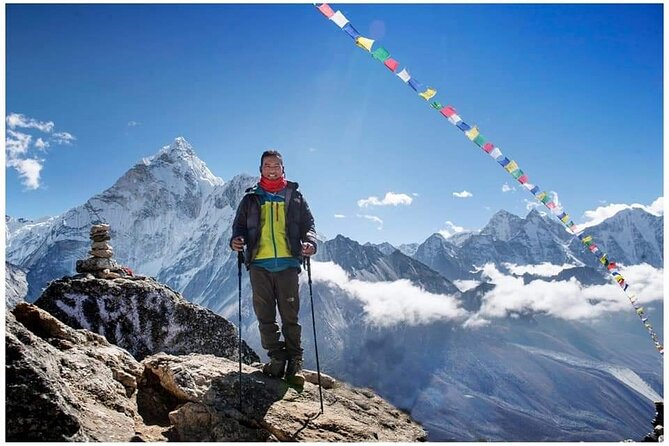
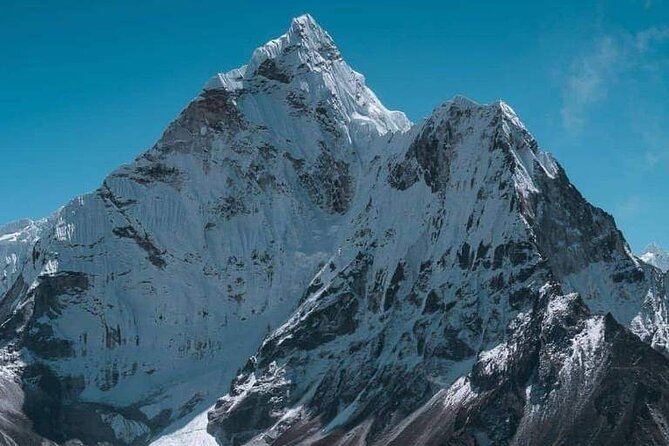
The reward is not vague. From the viewpoint, you can witness Tawache, Thamserku, Lobuche west, and, especially, Ama Dablam with a mirror-like effect described in the route. Whether the “mirror” moment is exact for you depends on conditions, but the point is clear: this is where the scenery clicks into a sharper, more dramatic version.
Lobuche and the Thukla Pass push: slow, steady, and careful
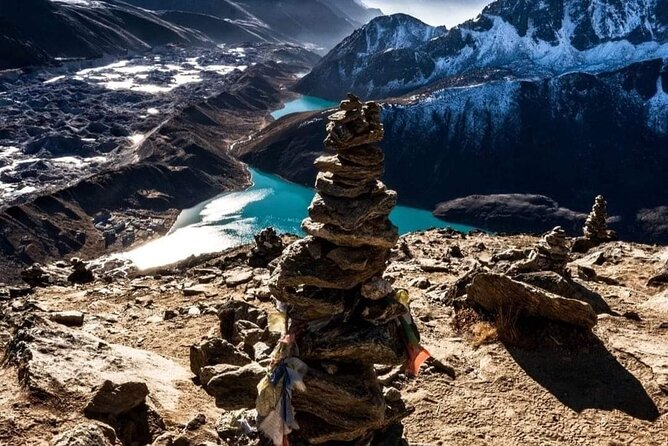
By Day 8 you’re heading toward Lobuche through Thukla. The itinerary notes views of Tawache, Choltase, Arakamche, and Lobuche peak along the way, and you’ll start with a smoother walk in a wide dry valley for a few hours.
Then the day changes with the steep uphill to Thukla Pass. The advice here is straightforward: go slow and keep a steady pace, with rests, because you’re gaining altitude. The trail can include loose rocks, and it’s not always well managed.
At Thukla Pass you get more dramatic peak views, including Pumori and Khumbutse among others, before continuing to Lobuche. This is a day where smart trekking beats tough trekking. If you rush, you pay for it later.
Everest Base Camp and Gorakshep: the “two-stage” payoff
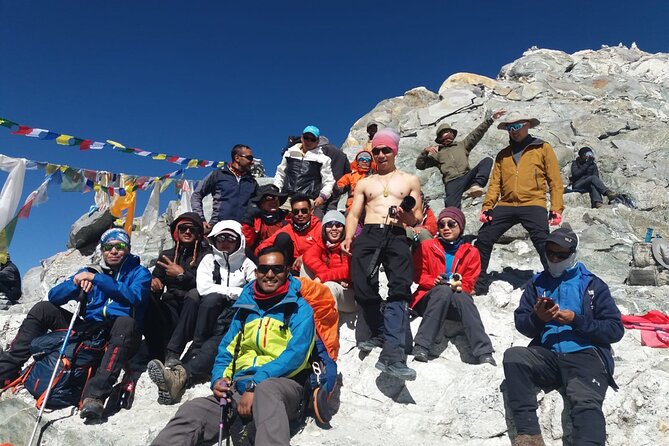
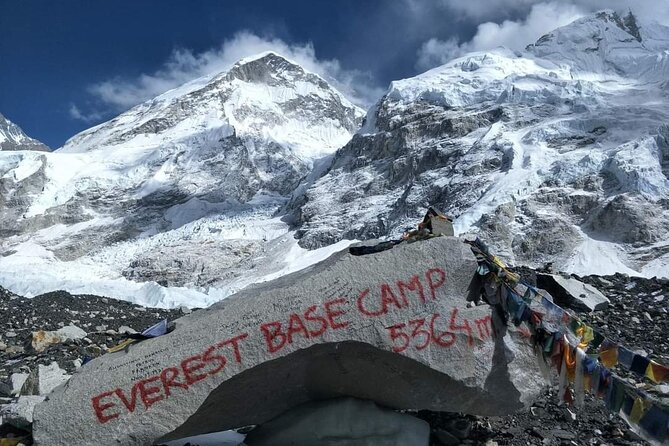
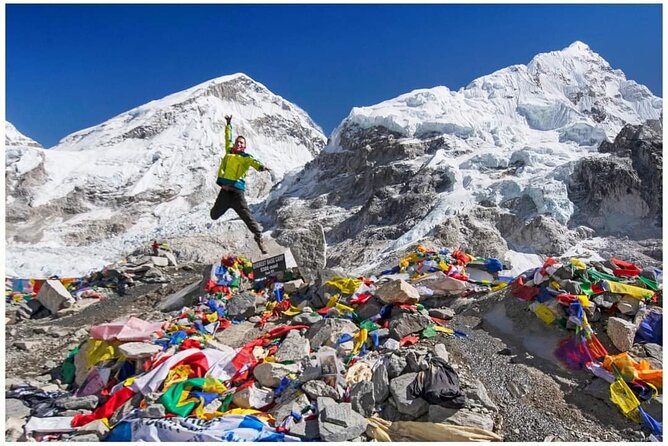
Day 9 is set up as a two-part climb: Gorakshep first, then Everest Base Camp. Gorakshep is described as the highest stop point on this trek that’s closest to the Base Camp area, and the day includes an intentional rhythm of breakfast, then heading out under a mountain guide’s direction.
The walk toward Base Camp follows a wide valley parallel to the Khumbu Glacier, with a gradual movement over a rocky track. This is one of those days where the scenery is constant, but your breathing and footing are the job you do to reach the reward.
Base Camp itself is described as a feeling of being in heaven, with mountains standing close around you. And importantly, the itinerary marks Everest Base Camp time as admission included, so the stop is treated as a formal highlight, not just a passing viewpoint.
Kala Patthar sunrise: when the whole region shows itself
On Day 10 you wake up early and hike to Kala Patthar, one of the best vantage points on this classic route. The itinerary calls it the best place for a 360-degree view of Mount Everest and neighboring peaks, plus the chance to see the sunrise in a golden moment from the “opposite” side of Everest.
That early start matters. It’s not just for drama. You’ll feel the physical commitment more, so walking carefully and steadily is key. The itinerary also notes this can be steep and rewards solo, steady effort with extraordinary scenery.
After Kala Patthar, you descend to Gorakshep, eat breakfast, then continue to Pheriche. If you want one “peak moment” to anchor the whole trek in your memory, this is a prime candidate.
The downhill reality: Namche to Lukla without rushing
Day 11 shifts from big altitude gains to long descent and careful leg management. You head from Namche Bazaar down toward Phungi Tenga to lower elevation, and the itinerary makes a point that descending can be tough. It even calls out the possibility of joint issues, so don’t treat this day like a casual walk.
The upside is that the scenery of the Everest region remains a constant companion, and the trail is described as easier and less tricky than some higher sections. Still, it’s longer than other days, so pace yourself and plan your energy.
Day 12 brings the final trek down to Lukla. The route is described as steep down on rocky trails with loose stones, which means you must keep your footing under control. This is also one of the days where it’s smart to slow down even if you feel excited, because loose stones can turn your attention into a mistake if you let your guard drop.
And yes, there’s a celebratory angle here. The itinerary mentions trekkers celebrating the successful trip with cake and a small party for guides and porters.
Flights back to Kathmandu, then a real chance to recover
Day 13 returns you to Lukla for the flight to Kathmandu. From the air you can watch the changing terrain from the plane window, then land and drive back to your hotel to relax after the long push.
Day 14 is your final handoff back to the airport. The representative coordinates your timing with your flight schedule so you have less stress the final morning.
This is a good trek to plan around in terms of recovery too. Even if you feel fine on arrival, your body will likely want time after days of walking, especially after those downhill days.
What private really means on this trek
Because this is private, you are not working around other groups’ timing. That changes the feel in small ways that add up: your pacing, your rest rhythm, and how your guide handles logistics can feel more tailored.
Also, you’re not locked into one-size planning. Your guide can help you match the day to your pace as you climb, acclimatize, and then descend.
Past experiences with this operator highlight the “people side” of that private format. Guides like Dipak and Bishal Gurung have been described as friendly, helpful, professional, and resourceful, with porters like Basanta also praised for professional support. That kind of teamwork matters on a route where your success depends on steady movement and good decisions, not just courage.
Price and logistics: is $1,600 actually good value?
At $1,600 per person for about 14 days, you’re paying for a private, guided trekking package with a lot included. The biggest practical value is the meals: breakfast, lunch, and dinner for 14 days. That alone removes a big daily headache and helps you stay on schedule.
You also get pickup offered in Kathmandu and a mobile ticket. On top of that, the itinerary includes multiple “admission included” highlights like time at Everest Base Camp and Kala Patthar, where the route explicitly notes inclusion.
What you should verify before you commit is what transport is covered in the final price. The itinerary clearly includes getting to Lukla and flying back to Kathmandu, but the “included” section only lists meals and does not spell out every transportation element. Ask for a full written breakdown so you know exactly what you’re paying for versus what’s extra.
Finally, plan for items not included, especially insurance, since it’s not covered in the provided inclusions list.
Who should choose this Everest Base Camp trek
This trek fits best if you want the classic Everest Base Camp experience but still want a more personal feel than large group travel. The route also works well if you respect pacing and acclimatization, because the schedule explicitly builds adjustment days and warns you to take slow and steady steps on steeper segments.
The operator notes moderate physical fitness is needed, and the itinerary includes long walking days plus tough descents. If you’re comfortable managing your pace for many days in a row, you’ll likely enjoy the challenge rather than dread it.
It’s also a good choice if you care about learning and practical guidance. The itinerary includes very specific walking advice, like how to handle narrow trail sections when yaks pass, and how to protect yourself on loose-stone descents.
FAQ
FAQ
How long is the Everest Base Camp private trek?
The duration is about 14 days.
Where does the trip start and end?
It starts in Kathmandu, Nepal and returns to Kathmandu to finish.
Is this a private tour?
Yes. It is private, and only your group participates.
What meals are included during the trek?
Breakfast, lunch, and dinner are included for 14 days.
Is travel insurance included in the price?
No. Insurance is listed as not included.
Does the itinerary include acclimatization days?
Yes. There are acclimatization days in Namche Bazaar and at Dingboche, including a second day in Dingboche for adjustment.
What happens if weather is bad?
The experience requires good weather. If it is canceled due to poor weather, you will be offered a different date or a full refund.
Should you book this private Everest Base Camp trek?
If you want a guided Everest Base Camp trek with meals handled, private group time, and multiple acclimatization checkpoints, this one makes sense. I especially like that the route doesn’t just push upward, it includes time to adjust before you chase the biggest highlights like Everest Base Camp and Kala Patthar.
I’d only hesitate if you know you struggle with altitude changes, or if your schedule is so tight that you cannot tolerate a weather-related date shift. If you can be flexible and you’re ready for careful footing on rocky descents, you are in the right place.
Latest Kathmandu write-ups
- Langtang Valley Trek★ 5.0 · 3 reviews
- Langtang Valley Trek from Kathmandu★ 5.0 · 3 reviews
- Khopra Danda Trek★ 5.0 · 3 reviews
- 5 night / 6 days Kathmandu Nagarkot Chitwan Pokhara tour★ 5.0 · 3 reviews
- Nepal Highlights Tour: 5 Nights 6 Days Kathmandu & Pokhara Tour★ 5.0 · 3 reviews
- Kathmandu Valley Private Day Tour★ 5.0 · 3 reviews
- Kathmandu Heritage Day Tour★ 5.0 · 3 reviews
- Conquer the Himalayas: The Ultimate 16-Day Annapurna Circuit Trek★ 3.5 · 3 reviews
Everest Base Camp Trek, compared.



Everest Base Camp Helicopter Tour landing at Everest View Hotel
Read our review →



Everest Base Camp Helicopter Tour landing at Hotel Everest View
Read our review →
Browse the lists this tour appears in