
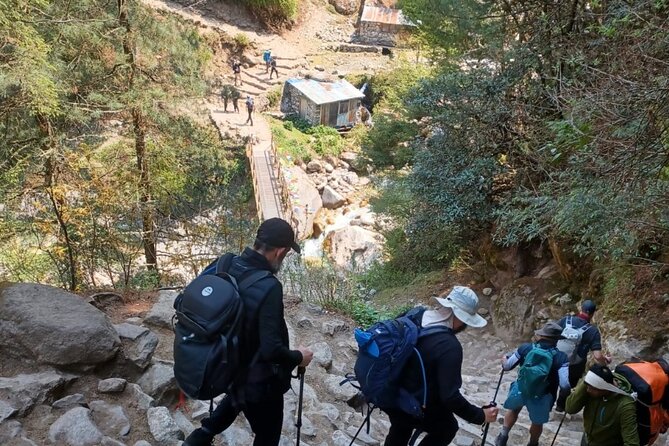
Reviewed · EVEREST BASE CAMP TREK
14 Days Everest Base Camp Trek
Few places combine real small-town Nepal culture with a high-altitude grind that ends at Everest Base Camp. I love how this route walks you through Sherpa villages and monastery country while still getting you to the Khumbu Glacier and those jaw-dropping peak views. One thing to think about up front is the schedule depends on the Lukla flight working out, and altitude will test your body even when the days look short on paper.
I also like the human touch behind Eco Nepal Trekkers. Their owner, Pemba Tamang, shows up in customer feedback, and names like guide Prayash come up when people talk about support during tough moments.
This is a packaged trip with real structure: Kathmandu hotel nights, domestic flights, permits, and trekking meals included. The itinerary has clear altitude checkpoints like Nagarjun Hill at 5,100 metres and Kala Patthar at 5,545 meters, so you are not guessing when it comes to pacing.
Key Highlights I’d Prioritize
- Licensed, experienced trekking guide plus porter support (1 porter for two clients)
- Namche Bazaar and Dingboche acclimatization days that help you handle the higher terrain
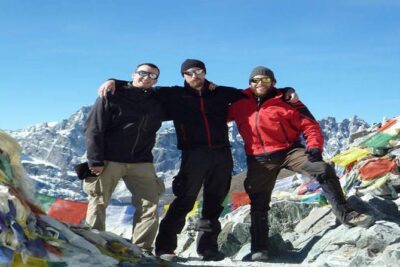
- Tengboche monastery area for sunrise or sunset style views and classic prayer-flag scenes
- Everest Base Camp day on the Khumbu Glacier lateral moraine setting
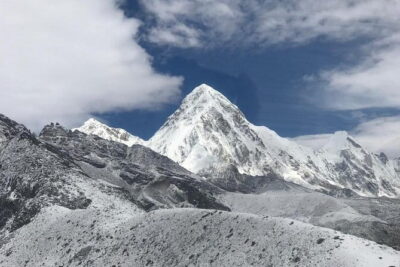
- Kala Patthar early-morning climb for a wide-angle panorama of Everest, Nuptse, Lhotse, and more
- Value-rich package at $2,200 with domestic flights, permits, meals, and Kathmandu hotels included
Kathmandu to Thamel: getting oriented before the mountains start
Your trip begins in Kathmandu with a private airport pickup and a hotel in Thamel. It’s the practical start you want, because Thamel is where you can get food, sort small needs, and take care of anything you forgot before the trek makes you regret it.
I like that this trip gives you time to breathe on Day 1. You can walk the neighborhood, grab a simple meal, and reset your sleep schedule a bit before the flight day.
The only watch-out is that Kathmandu can feel noisy and fast, and it’s easy to spend your last comfortable hours rushing. Try to keep Day 1 low-key. Save your energy for the first leg toward Lukla.
More ways to walk to Everest Base Camp:
- Everest Base Camp Trek – 14 Days
★ 5.0 · 1,499 reviews - Everest Base Camp Trek
★ 5.0 · 842 reviews - Everest Base Camp Helicopter Tour landing at Everest View Hotel
★ 5.0 · 668 reviews
Manthali to Lukla: the flight that sets the whole tone
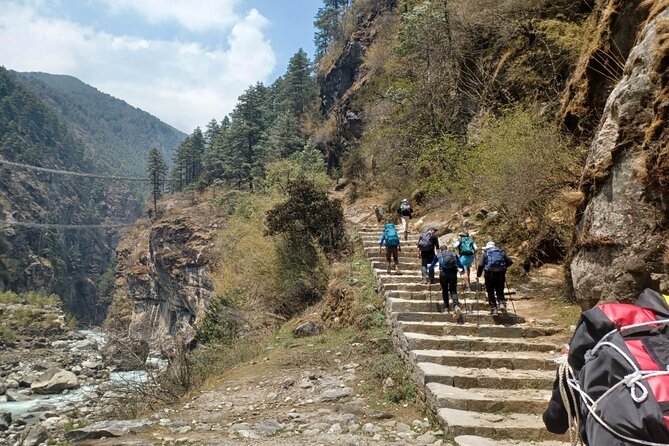
On Day 2, the route uses a land drive from Kathmandu to Manthali, Ramechhap (about 4 hours), then a short flight to Lukla. That Lukla hop matters because it instantly switches you from city altitude to the trekking zone, and it also puts you in the Sagarmatha region fast.
Once you land, you start with the first true walking day toward Phakding. Expect trail time that feels manageable, but also pay attention to how your lungs respond. Even early days in the Khumbu can feel tougher than you expect, mostly because you are moving while the air thins.
This is also the first place where good pacing makes a difference. Your guide’s job is not just route knowledge, it’s keeping your breathing steady and your energy from getting spent too early.
Phakding to Namche Bazaar: climbing with a goal, not just effort
Day 3 pushes uphill and gets you into the Namche Bazaar zone, with a stop at Monjo, the entrance to Sagarmatha National Park. The trail here is more than a workout. It’s your first real taste of Sherpa settlement patterns, prayer flags, mani walls, and trail views that keep changing every hour.
You go through Sherpa communities like Benkar and Chumoa on the way in. This is one of the reasons I like this route, it mixes motion with culture, so the day feels full even when the climbs slow you down.
A possible drawback is that Day 3 and the next day are both “important” days. You are still early in the trek, but your body already has to learn the rhythm of moving uphill at altitude. If you know you tend to sprint at the start, this is where you practice calm instead.
Namche acclimatization: the Everest View Hotel day that earns its rest
Day 4 is a key part of why this trek works as a guided experience. Namche Bazaar is crucial for acclimatization, and the plan includes a walk up to the Everest View Hotel area for 360-degree views.
That matters because it gives you a controlled way to gain elevation while also letting you understand what the Khumbu views look like from “mid” altitude. You see Everest, Nuptse, Lhotse, and Ama Dablam in a big, clear framing that makes the rest of your trek feel real.
Yes, you walk and climb, but you are not just suffering for suffering’s sake. You’re teaching your body how altitude behaves, then using the views as the reward that makes the hard part worth it.
If you are the type who hates downtime, this day might still feel long. But the payoff is that the next stages feel less like an emergency and more like progress.
More to compare around Kathmandu
- Private Kathmandu Sightseeing Tour | UNESCO World Heritage sites
★ 5.0 · 756 reviews - Kathmandu: 7 UNESCO Sites with Lunch
★ 4.8 · 744 reviews - Half day cooking class in Thamel kathmandu
★ 5.0 · 607 reviews - Everest Base Camp Trekking
★ 5.0 · 485 reviews
Tengboche: monastery calm and peak views in the same day
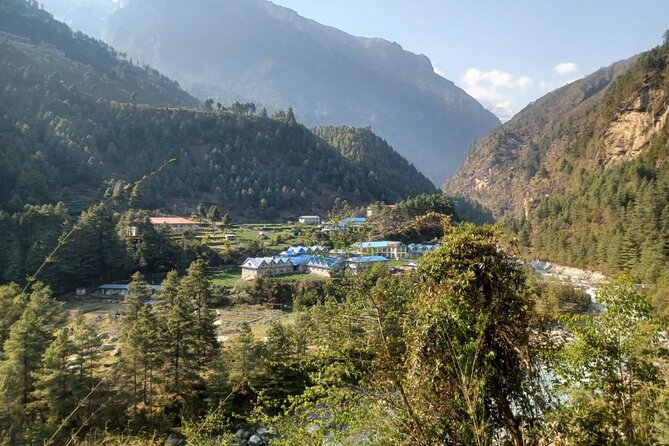
On Day 5, you continue toward Tengboche. The itinerary describes it as a more leisurely walk with fewer steep sections, which is smart because it balances the tougher days earlier.
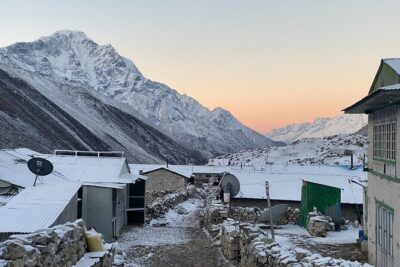
Tengboche is also a highlight for the monastery atmosphere. You’ll see prayer flags and stupas along the trail, and you get the kind of views that make people stop walking just to look up again.
This is a photo-friendly day, but don’t treat it like a photo shoot only. Use it as a mental reset. After days of climbing and altitude adjustment, standing near Tengboche lets you feel how the peaks tower over the valleys in a way you just cannot get from postcards.
Dingboche and Nagarjun Hill: the rest day that stays useful
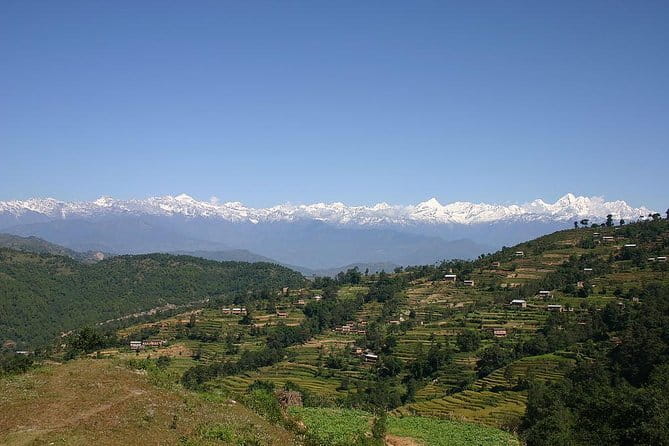
Day 6 brings you to Dingboche, with a stop through settlements like Pangboche. Along the way, the route highlights views of Mt. Ama Dablam plus chortens and mani walls, which means you keep your eyes busy instead of only watching your feet.
Then Day 7 is another acclimatization day, with a plan that keeps you active without overdoing it. You rest in Dingboche, but you also walk to Nagarjun Hill at 5,100 metres for views that reward the effort.
This is the kind of rest day I actually recommend on treks. It’s not “do nothing.” It’s “do something light enough to recover from,” so your body learns while you keep your strength.
The practical drawback is that even “easy” days at this altitude still feel like work. If you are prone to pushing too hard, tell your guide you want a slower rhythm, because the best plan is the one your body can repeat day after day.
Lobuche to Gorakshep: the Khumbu Glacier feeling gets stronger
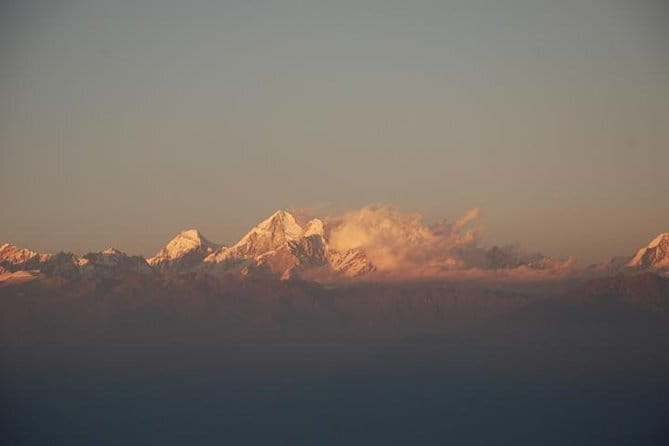
Day 8 moves you toward Pheriche Valley and into the Lobuche area. The trail climbs gradually through alpine brush and yak pastures, with views mentioned for Ama Dablam, Tawoch, and Cholotse towering from the valley floor.
Day 9 then brings you to Gorakshep and sets up your Everest Base Camp arrival. This day is remarkable because you trek to Base Camp from Gorakshep and you’re walking around the lateral moraine of the Khumbu Glacier.
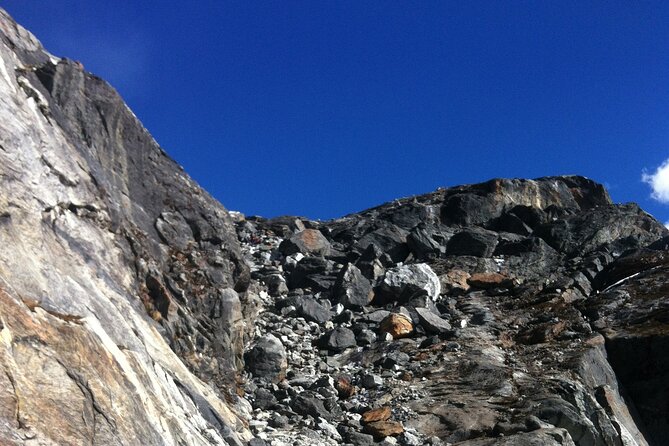
That detail matters. Base Camp does not feel like a fantasy platform. It feels like a real place sitting in rugged, glacial terrain, with a wind-and-rock reality to it. You’ll see how the glacier shapes the surroundings, and you’ll understand why this region has such a serious, raw power.
One consideration: Base Camp days can feel emotionally intense, so it’s easy to forget to save energy for what comes next. If you are able, keep your pace steady and avoid the sprinting that people sometimes do when they finally reach the goal.
Kala Patthar at 5,545 metres: morning darkness, big reward
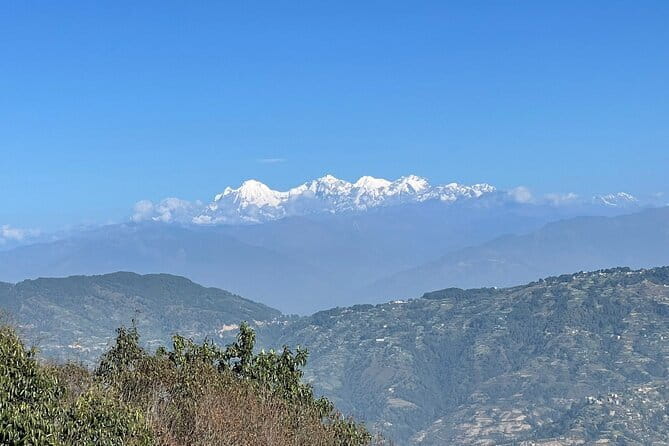
Day 10 is the standout “big moment” day. You head out before dawn for a strenuous walk to Kala Patthar, the trek’s highest point at 5,545 meters, for a 360-degree panorama that includes Everest, Nuptse, Lhotse, Ama Dablam, and more.
This is an early start, and that means you need a simple strategy: eat what you can before leaving, dress in layers, and trust your guide to set a safe uphill pace. Even when you are tired, moving steadily helps you arrive without burning matches too fast.
Kala Patthar rewards patient effort. You often get the best light when the sky is still waking up, and the views can make you forget about the sore parts of your legs for a while.
The drawback is timing and temperature. Pre-dawn climbs can feel harsh, and if cold mornings are your weakness, you should plan your layering and gloves carefully, since the trip does not promise extra comfort like hot showers.
Downhill return: Namche and Lukla bring relief, not zero effort
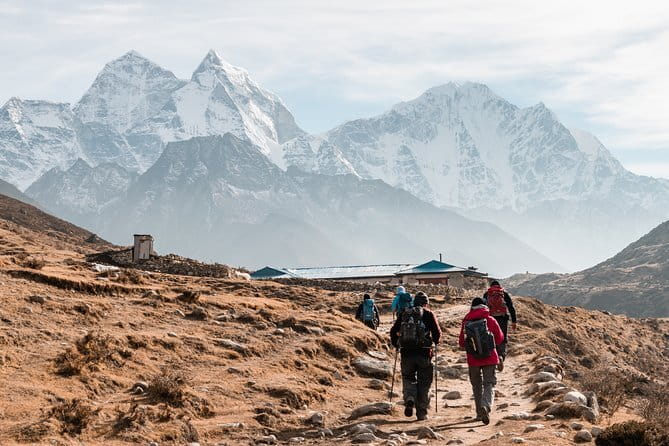
Day 11 heads back toward Namche Bazaar as the trail declines with some uphill stretches. The route notes a restoration of forests and flora as you move, so the scenery shifts from high-gritty glacial terrain toward richer, lower-altitude vegetation.
Still, it’s described as long and difficult, especially after earlier tough days. That’s worth taking seriously. Going downhill does not always mean easy, and your knees will tell you the truth.
Day 12 returns you to Lukla, marking the end of hiking. Once you arrive, you’re set up to relax and sleep well, which is not a small thing after two weeks of basic lodge living.
On Day 13, you fly or return from Manthali to Kathmandu depending on flight availability and weather. The key point here is flexibility. Your arrival back into Kathmandu is tied to conditions, so treat it as a “when it works” moment rather than a guaranteed clock.
Day 14 then handles the final airport transfer. You’ll get taken to the airport about three hours before your scheduled departure, which helps keep the whole end phase smooth.
Price and logistics: what $2,200 really covers, and what you still need to plan
The listed price is $2,200 per person for a 14-day Everest Base Camp trek, and the best value comes from what’s included.
Included that saves you money and stress:
- Airport pickup and drop-off in Kathmandu by private vehicle
- Domestic flights LUK-RMH-LUK and domestic airport taxes
- 2 nights 3-star hotel in Kathmandu (twin sharing) with breakfast
- Trekking meals during the trek: breakfast, lunch, and dinner
- Permits for Sagarmatha/Everest National Park and TIMS
- Licensed trekking guide, plus a porter (with the note that 1 porter is assigned to two clients)
- Farewell dinner in a typical Nepali restaurant
- Achievement certificate after completing the trip
Not included, and you should budget for it:
- Nepal entry visa fee
- International flights and international departure airport taxes
- Travel insurance, including high-altitude emergency evacuation coverage
- Your personal trekking gear and equipment
- Lunch and dinner meals in Kathmandu
- Hot shower, WiFi, bar and beverage bills during the trek
- All drinks (alcohol, mineral water, hot water, coffee)
- Tips for your guide, porter, and driver
So is it worth $2,200? For most people, yes, if you plan ahead. You are paying for the “hard to DIY cleanly” parts like domestic flights, permits, guide and porter logistics, and meals. That’s the stuff that turns a dream trek into a headache when done alone.
If you already have high-quality gear and a strong insurance plan, your personal costs are more predictable. If you do not, the “not included” list can sting near the end of Day 1 when you realize you forgot something.
Who this trek fits best, and who should reconsider
This trek is best for people with moderate physical fitness who can handle daily walking in thin air. The route includes higher points like Kala Patthar and an active acclimatization day at Nagarjun Hill, so you’ll want stamina more than speed.
It’s also a good fit if you like clear structure. This is a private tour, meaning only your group participates, and you get a licensed guide and porter support so you are not stuck figuring out permits, lodging routines, or pacing alone.
You might reconsider if you have issues with cold early mornings, because Kala Patthar starts before dawn. You should also be honest with yourself about how you respond to altitude, since this trek asks your body to adapt multiple times.
Finally, if you hate waiting for flight weather changes, keep that in mind. The trip has flight steps tied to conditions, and you’ll want patience if schedules shift.
Should you book this Everest Base Camp trek?
I’d book it if you want the classic Everest Base Camp route with organized support, solid pacing days like Namche and Dingboche, and a real shot at sunrise or peak light from Tengboche and Kala Patthar. The package at $2,200 feels fair because it bundles the “big pieces” like permits, domestic flights, and trekking meals, not just a guide’s paycheck.
I would not book it if you are looking for comfort. Lodge life is basic, hot showers are not included, and you will pay for drinks and extras along the way. I also would not book it if you want zero uncertainty, because the Lukla flight can be weather-dependent.
If you are ready for a challenging, meaningful trek with practical logistics and a strong support team, this one is a solid choice.
Latest Kathmandu write-ups
- Annapurna Base Camp Trek★ 5.0 · 4 reviews
- Visit Bhaktapur and Patan Heritage Cities★ 4.0 · 4 reviews
- Chandragiri Hills Private Tour★ 5.0 · 4 reviews
- Nagarjun Hill Day Hike★ 4.0 · 4 reviews
- Lumbini (Birth Place of Lord Buddha) Buddhist Tour from Kathmandu Nepal★ 5.0 · 4 reviews
- Around Manaslu Trek★ 5.0 · 4 reviews
- Everest View Trek – 7 Days★ 5.0 · 4 reviews
- Chandragiri : Majestic Hilltop & Cable Car Views with Lunch★ 4.5 · 4 reviews
Everest Base Camp Trek, compared.
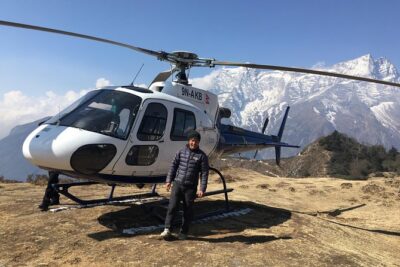
Everest Base Camp Helicopter Tour landing at Everest View Hotel
Read our review →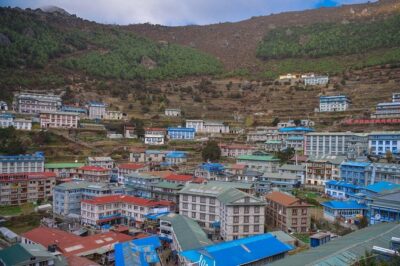
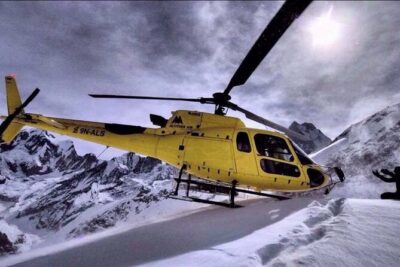
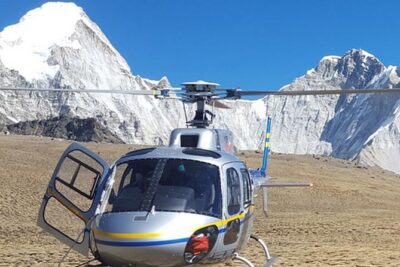
Everest Base Camp Helicopter Tour landing at Hotel Everest View
Read our review →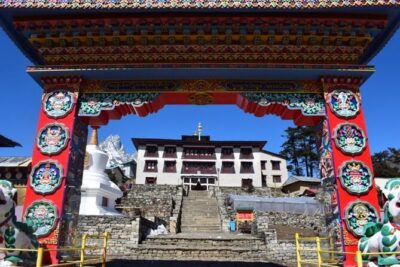
Browse the lists this tour appears in