
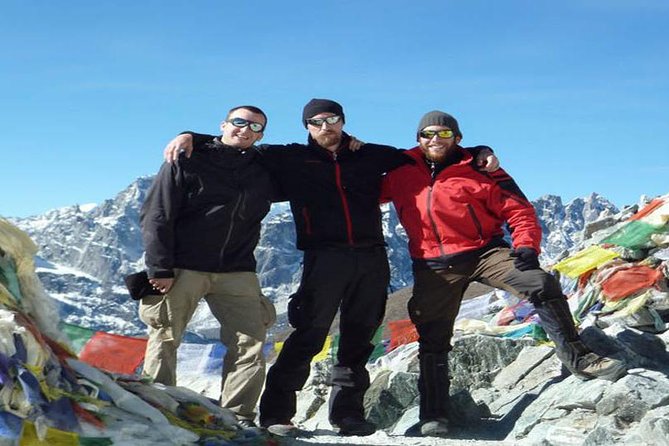
Reviewed · EVEREST BASE CAMP TREK
Everest Base Camp Trek
Everest Base Camp trekking is interesting because you do not just chase views, you also walk through Sherpa life, pass villages, and visit historic monasteries before reaching base camp at the foot of the world’s tallest mountain. I love that the tour pairs world-class scenery with culture stops, so the days feel meaningful, not just athletic. I also like the hands-on guidance and the small-group setup, plus accommodation in tea houses that keeps you close to everyday mountain routines. The one consideration is simple, you are hiking about 6 to 7 hours most days, so this is for people with a strong fitness base.
You will spend your nights in tea houses, where you trade hotel comfort for warmth, community, and a real rhythm at altitude in the Himalaya region. The tour is also “all-inclusive” in the sense that you get the essentials like guide, permits, park fees, and meals, but trail drinks and some monastery entrance fees are extra. If you hate basic lodging or want unlimited bottled water and soda on the hike, you’ll feel those add-ons.
One more thing I appreciate: this is designed for a maximum of 10 travelers. Fewer people means your guide can actually track pace, weather, and questions day to day, which is exactly what shows up in the glowing feedback about Rajesh and his team.
Key things that make this Everest Base Camp trek worth your attention
- Tea house nights: you get simple accommodation built into the mountain routine, not a constant hotel shuffle
- All-inclusive trail essentials: guide, permits, national park fees, and meals are handled for you
- Sherpa hospitality focus: the trek is framed around people and daily mountain life, not only the destination
- Small group up to 10: easier logistics, more attentive guidance, fewer lost-in-the-crowd moments
- Guides named in real feedback: Rajesh, Dinesh, Orsun, Prakash, and Resham are repeatedly praised for communication and organization
Everest Base Camp, but with villages and monasteries in the mix
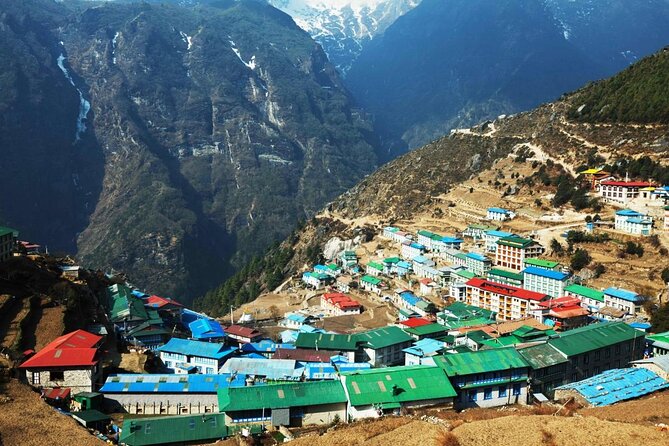
The headline is the obvious one, reaching Everest Base Camp. But what makes this trek feel different is the way it builds in cultural contact along the way. You are trekking through areas where life is shaped by the seasons, trekking is a normal part of work and movement, and monasteries and village stops are not just photo ops.
As you move day to day, the tour’s focus on preserved culture and the region’s flora and fauna is not just marketing. It changes how you walk. Instead of racing to the next viewpoint, you get a reason to slow down and look at the details, the way buildings sit in the terrain, the way paths follow old patterns, and the way plants and animals fit the altitude environment.
I also like that the highlights explicitly mention Sherpa hospitality, and you can feel what that means in practice: tea house stays and guide-led exploration that is more about how things work than about ticking boxes.
More ways to walk to Everest Base Camp:
- Everest Base Camp Trek – 14 Days
★ 5.0 · 1,499 reviews - Everest Base Camp Trek
★ 5.0 · 842 reviews - Everest Base Camp Helicopter Tour landing at Everest View Hotel
★ 5.0 · 668 reviews
The drawback to know up front
If you want a trek that feels like a fully cushioned hotel vacation, tea houses will not match that expectation. The tour is built for hikers who can handle simple rooms, shared spaces, and basic bathroom setups common on trekking routes.
Tea houses and 6 to 7 hours of hiking: how the daily rhythm really works
The tour is very clear about the rhythm: you hike about 6 to 7 hours a day in the Himalaya region and you overnight in tea houses. That matters because it sets your day around movement first, and sightseeing second.
Here is how that usually plays out for your body and your planning:
- You will want a steady pace rather than stop-and-go excitement. The best days feel controlled, not frantic.
- Your comfort will depend heavily on what you wear and how you manage wind and cold. Even when the sun is out, mornings and evenings can feel sharp in the mountains.
- Meals are included, but drinks like mineral water, soda, and some other trail items are not. That means you need a realistic hydration plan.
Tea houses also change the social atmosphere. In many trekking regions, tea houses double as small hubs where you meet other hikers, swap trail notes, and watch the mountains shift from light to shadow. Even if your group is mostly set, you will still get that sense of place.
A practical way to handle the effort
Pack your day like a working hike, not like a casual walk:
- Dress in layers you can adjust as the trail warms up.
- Keep breaks short and purposeful.
- Treat the first hours as your warm-up, not as the time to prove you are fast.
This is also why guide quality matters so much on a trek like this, you need pacing decisions that keep you moving safely and comfortably.
More to compare around Kathmandu
- Private Kathmandu Sightseeing Tour | UNESCO World Heritage sites
★ 5.0 · 756 reviews - Kathmandu: 7 UNESCO Sites with Lunch
★ 4.8 · 744 reviews - Half day cooking class in Thamel kathmandu
★ 5.0 · 607 reviews - Everest Base Camp Trekking
★ 5.0 · 485 reviews
Kathmandu prep and pickup: small details that reduce travel stress
Your trip is based in Kathmandu, Nepal, and the tour includes hotel pickup and drop-off. That sounds minor until you are dealing with jet lag and an unfamiliar city. When the schedule is handled for you, you can focus on gear, rest, and getting set.
The tour also uses a mobile ticket, and while that is not “fun,” it is convenient. You spend less time chasing confirmations and more time preparing.
You have a wide meeting window listed in the available hours (6:15 AM to 10:45 PM). In real life, that helps because Kathmandu days can run late. A smooth start often comes down to one thing, being able to meet without your whole plan collapsing.
Village trekking days: where “culture” becomes something you can actually feel
The trek includes visits to villages and historic monasteries along the way. This is where your trip stops being just a route and becomes a story you can walk through.
I love this approach for two reasons:
- Villages and monasteries are part of the region’s daily life, so you are not only observing from a distance.
- It breaks up the physical grind. Even when you are tired, a cultural stop gives you mental space, not just a longer lunch break.
At the same time, there is a consideration. Religious and cultural sites can have entry rules, and this tour specifically lists monastery entrance fees as not included. So plan to carry some cash for these moments, because they may pop up when you are already in the mindset to visit.
Flora and fauna stops: what to do with those “nature” mentions
The tour highlight mentions learning about flora and fauna. You might not become a botanist by lunchtime, but you can still make the most of it if you treat the guide as a living field guide. Ask quick questions like:
- What plant is this and why does it grow here?
- Are there any animals we might see on this section?
- How does the season change what we notice?
This is also where a great guide improves value fast.
Reaching Everest Base Camp: the moment, the meaning, and the walk back
Even without a fully itemized day-by-day schedule here, the end goal is unmistakable: you reach Everest Base Camp. What matters is not only the “point,” it is the build-up and the way your trekking pace shapes the experience.
Base camp also works like a reality check. The mountain looks bigger every day, but the last stretch tends to feel both dramatic and strangely grounded. You arrive, you take it in, and then you realize your body needs time to adjust after the effort.
After that comes the return. For most hikers, the hardest part is not the climb to the destination, it is the descent and the way your legs feel after so many hours of walking. A good guide matters here too, because staying steady on uneven steps is one of the biggest wins you can get from experienced leadership.
The view payoff you can plan for
The tour promises some of the best views on the way to Everest Base Camp. That is true, and you should treat it as a scheduling hint. When the light is good, your guide will help you time stops so you get the scenery without losing too much momentum.
Guide team and small group size: why the praise keeps landing on names
This trek caps at 10 travelers, and that size is a big deal. On a bigger tour, you often get split attention and slower decision-making. With a smaller group, your guide can adjust pace and handle questions without constantly pausing the entire line.
The strongest theme in the feedback is guide quality and organization. Rajesh and his team come up repeatedly for being communicative and structured. You also see names like Dinesh, Orsun, Prakash, and Resham. Across those accounts, the common thread is that guides help you through harder moments with patience, and they keep the trip organized so you spend less energy worrying and more energy moving.
For you, that translates into a simpler question: do you want a guide who just shepherds you, or one who can read the day and help you handle it? The feedback suggests this is the first type.
A balanced take on what “professional” means on the trail
Professional guiding is not only route knowledge. It is also pacing, timing, and practical calm when weather and conditions change. Even on a “small-group” trek, the mountains can be unpredictable, and your guide is the person who keeps everyone functioning as a team.
What you get for the $1,590 price, and what you still pay for
At $1,590 per person, this is not a budget-only trek. But when you compare what is included, it looks more like a value deal than a luxury one.
Here is what is covered:
- Accommodation as per the itinerary (tea houses)
- Local taxes
- National park fees
- Meals as per itinerary (breakfast, lunch, dinner)
- Professional guide
- Hotel pickup and drop-off
That is a lot of the cost stack that people often underestimate when planning a trek. Guide support alone can change how much time you spend solving problems, and park fees and permits are not optional extras on these routes.
What to budget for (because it is not included)
The tour does list a few clear “you pay for this” items:
- Temple and monastery entrance fees
- Alcoholic drinks (available to purchase)
- Drinks like cola, Fanta, and mineral water during the trek
- Food and drinks in the city
- Souvenir photos (available to purchase)
I recommend you treat water and soft drinks as your only predictable extras, then carry a bit more for monastery entrance fees. That way you avoid the awkward moment of trying to find a payment method when you are already enjoying the stop.
Fitness, weather dependence, and planning your own pace
The tour says travelers should have a strong physical fitness level. That is not vague advice. Everest Base Camp trekking is not a walk in the park. It is 6 to 7 hours hiking most days, plus the fatigue that builds when you are sleeping in simple accommodations and moving in cold air.
Weather is also a reality here. The experience requires good weather, and if it is canceled due to poor weather, you are offered a different date or a full refund. That matters because in the Himalaya region, conditions can change faster than your itinerary can politely adjust.
How to make this easier on yourself
You will benefit from arriving with:
- A baseline fitness habit before you go
- Comfortable hiking shoes that you trust
- A mindset that expects slow, steady progress
You do not need to be a speed hiker. You need to be consistent.
Should you book this Everest Base Camp trek?
If you want Everest Base Camp, but you also care about real mountain life, this trek makes a lot of sense. The strongest reasons to book are the mix of base camp and culture, the tea house accommodation built into the experience, and the way the guide team is repeatedly praised for communication and organization, with named guides like Rajesh, Dinesh, Orsun, Prakash, and Resham.
The big “don’t book” signal is if you are not comfortable hiking 6 to 7 hours daily or if you expect full hotel comfort and unlimited included drinks. Also, if you dislike paying extra for monastery entrance fees and trail water or soda, you should plan for that ahead of time.
For the right fit, this is good value because so much of the essential trekking cost is already handled, and you get a small group size that keeps the experience human.
FAQ
How long is the Everest Base Camp trek?
The duration is listed as 12 days (approximately).
Where does the trek start?
It is based in Kathmandu, Nepal, and the tour includes hotel pickup and drop-off.
What is the maximum group size?
This activity has a maximum of 10 travelers.
What type of accommodation is included?
Accommodation is included as per the itinerary, with overnight stays in tea houses.
Are meals included?
Yes. Meals are included as per the itinerary, with breakfast, lunch, and dinner.
What permits or fees are included?
National Park fees and local taxes are included.
What is not included in the price?
Temple and monastery entrance fees, alcoholic drinks, drinks like cola, Fanta, and mineral water during the trek, food and drinks in the city, and souvenir photos are not included.
Do I need to have a certain fitness level?
Yes. The tour notes that travelers should have a strong physical fitness level.
What happens if the trek is canceled due to weather?
If canceled due to poor weather, you will be offered a different date or a full refund.
Latest Kathmandu write-ups
- Langtang Valley Trek★ 5.0 · 3 reviews
- Khopra Danda Trek★ 5.0 · 3 reviews
- Langtang Valley Trek from Kathmandu★ 5.0 · 3 reviews
- 5 night / 6 days Kathmandu Nagarkot Chitwan Pokhara tour★ 5.0 · 3 reviews
- Nepal Highlights Tour: 5 Nights 6 Days Kathmandu & Pokhara Tour★ 5.0 · 3 reviews
- Kathmandu Valley Private Day Tour★ 5.0 · 3 reviews
- Conquer the Himalayas: The Ultimate 16-Day Annapurna Circuit Trek★ 3.5 · 3 reviews
- Kathmandu Heritage Day Tour★ 5.0 · 3 reviews
Everest Base Camp Trek, compared.



Everest Base Camp Helicopter Tour landing at Everest View Hotel
Read our review →


Everest Base Camp Helicopter Tour landing at Hotel Everest View
Read our review →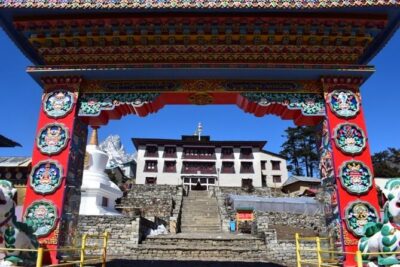
Browse the lists this tour appears in