
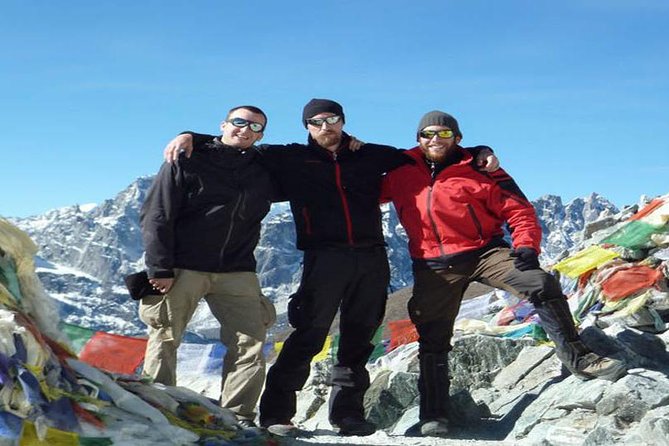
Reviewed · EVEREST BASE CAMP TREK
Everest Base Camp Trek
The Everest Base Camp trek is interesting because you get the closest possible experience of Mt. Everest without climbing it. On this 14-day private style trip from Kathmandu, you also get real Sherpa villages, monastery stops, and viewpoint hikes that help the mountains feel personal instead of distant. I especially like the small group size (max 9) and the strong support structure, including a trekking guide plus an assistant guide and a porter.
I also like that the itinerary builds in practical acclimatization days (not just nonstop walking) at Namche Bazaar and Dingboche, which matters when you are moving into higher altitude. The one drawback to flag early is logistics: the flight to Lukla is often weather and regulation dependent, and in this package the Lukla flight is not included.
Key Highlights You Will Actually Care About
- Private guided trek with an assistant guide, so the pace and attention can be tailored to your group
- Acclimatization built in with a day around Namche Bazaar and a full acclimatization day near Dingboche
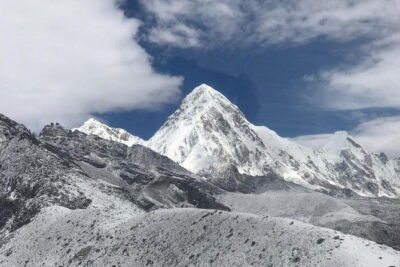
- Kala Patthar is the big payoff, usually where Everest looks most dramatic from the Everest region
- Teahouse nights with mountain views, plus full board meals during the trek
- Close-up Everest experience by trekking, including the classic walk up to Everest Base Camp
Everest Base Camp: Why This Route Feels Worth It
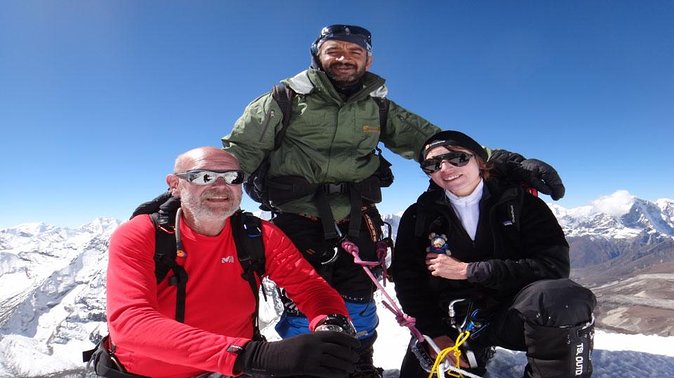
If your goal is Everest, this is the route that most people picture in their head. You fly into the Everest region, walk through the Khumbu, sleep in teahouses, and slowly climb until the glaciers, memorial stones, and big icefall scenery start to feel real. You are not wearing mountaineering gear or roped to a client line. You are just walking, eating, resting, and taking in views that keep getting closer.
What I like most is that the trek is staged like a thinking person planned it. Namche Bazaar and Dingboche are not afterthoughts, they are there so you gain altitude with some breathing room. That makes the whole experience more enjoyable, because you are less likely to feel crushed by the altitude too early.
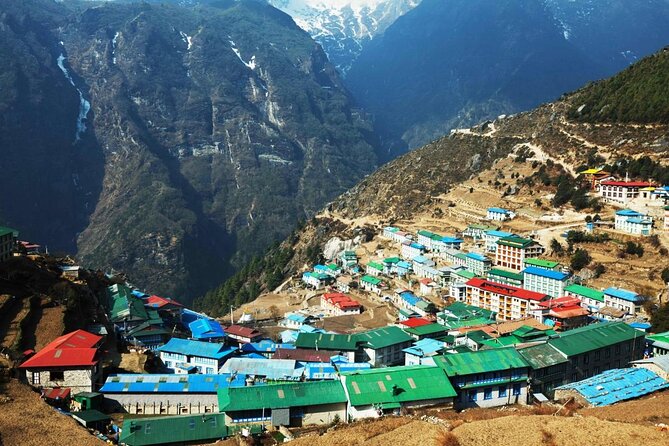
You also get a nice cultural backbone. Tengboche Monastery is part of the trek fabric here, and that matters. The Khumbu is not just scenery, it is people. Sherpa villages show up in everyday life, from trail rhythms to café stops to how tea houses are run. In the reviews, guides like Shiva Shrestha and the team at Accessible Adventure get praised for keeping the experience safe and human, not just scheduled.
More ways to walk to Everest Base Camp:
- Everest Base Camp Trek – 14 Days
★ 5.0 · 1,499 reviews - Everest Base Camp Trek
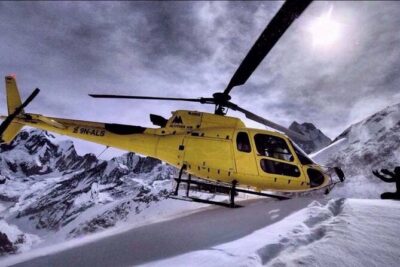
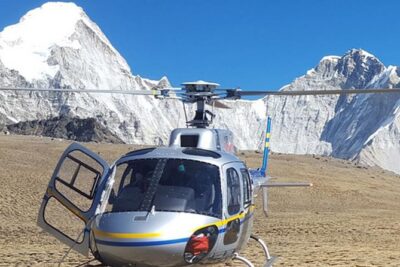
★ 5.0 · 842 reviews - Everest Base Camp Helicopter Tour landing at Everest View Hotel
★ 5.0 · 668 reviews
Price and Value: What You Get for $1,169
At $1,169 per person for a roughly 14-day trek, the value is best understood by what is actually bundled. This includes domestic logistics around the trek itself, English-speaking government-licensed trekking leadership, teahouse lodging with meals, park entry fees, and porter help for your main luggage.
Here is where this can feel like a bargain or not, depending on your expectations:
- If you compare to cheaper tours that cut support, this one is structured for comfort and safety. You get a trekking leader and an assistant guide for personalization, plus a porter to carry your main luggage.
- If you assume flights are covered end to end, you need to know that the Lukla flight is not included. That can be a major line item, and it is also where weather can scramble plans.
- If you want Kathmandu hotel nights covered, those are not included either. You might need extra nights if your arrival or departure timing does not match the trek start and end.
So, the “cheap versus expensive” conversation mostly comes down to flights and your own comfort with altitude. If you want a trip where you are not constantly organizing things yourself, this package looks like good value for the amount of support.
The Support System: Private Trek Feel Without the Stress
This is designed as a private guided trek, and your group size is capped at 9 travelers. That size is big enough to create good energy, small enough that your guide can still manage pace and questions.
Your included staff lineup is the big deal:
- A highly experienced English-speaking trekking guide, government-licensed and trained in first aid
- An assistant trekking guide, sized to support roughly 4 trekkers to 1 assistant guide (based on the included ratio)
- A porter to carry your main luggage, with the included porter ratio listed as 2 trekkers to 1 porter
You do still need to pack smart. The porter carries your main luggage, but you will carry personal essentials. Still, having porter support makes your daily walk less punishing, which can help when altitude gets steep.
Also included: a first aid kit, pulse oximeter, and essential medicines, with examples listed such as paracetamol and Diamox. That does not replace good pacing, but it signals that the operator is thinking about realistic trekking issues.
In the reviews, the guides are repeatedly praised for safety coaching and for being attentive in the moment. People specifically mention guides like Shiva Shrestha for encouragement and care, and they credit the team for handling transfers smoothly.
Day-by-Day Walkthrough: What Each Stop Really Does for You
More to compare around Kathmandu
- Private Kathmandu Sightseeing Tour | UNESCO World Heritage sites
★ 5.0 · 756 reviews - Kathmandu: 7 UNESCO Sites with Lunch
★ 4.8 · 744 reviews - Half day cooking class in Thamel kathmandu
★ 5.0 · 607 reviews - Everest Base Camp Trekking
★ 5.0 · 485 reviews
Day 1, Kathmandu: Gear Check and Getting Your Bearings
You land in Kathmandu and get met at the airport, then transferred to your hotel. After a briefing with your trek leader, you check gear and can do last-minute shopping or stroll Thamel, the well-known tourist hub.
Why this matters: the trek starts with practical prep. Kathmandu is where you confirm your layers, test your socks, and make sure you have what you need for chilly evenings. If you show up underprepared, the mountain will happily punish you.
A possible drawback: if your flight times put you there much earlier or much later than the schedule, the tour does not include Kathmandu accommodation for those extra nights.
Day 2, Kathmandu to Lukla to Phakding: The Flight That Sets the Tone
Today is the big jump from city life to high Himalayan walking. The itinerary notes that due to regulation changes and airport upgrades, flights to Lukla may operate out of Manthali Airport in Ramechhap District. That can mean a four-hour night drive from Kathmandu, then an early morning flight that lasts about 20 minutes.
Then you fly to Lukla on the short mountain flight, often described as 25 to 30 minutes in the Dornier or Twin Otter style of aircraft. The landing is spectacular, with one end of the runway higher than the other.
Once you land, you trek to Phakding, descending toward the Dudh Koshi river. You walk through Chauri Kharka village and follow the riverbank trail.
What to expect: the flight and immediate descent can feel like a jolting start. Pack a snack and keep your water accessible.
Day 3, Phakding to Namche Bazaar: Bridges, Forest, and First Everest Views
This is a classic “build up toward the main town” day. You cross suspension bridges, hike through pine forest, and aim for Namche Bazaar at a higher elevation. Permits for Sagarmatha National Park are addressed around the entry area.
You also get lunch at Jorsale and then push uphill to Namche Bazaar. The route includes the famous Hillary Suspension Bridge.
A nice moment is the first big Everest peek from a vantage point called Tope Danda. Whether the sky is clear or not, Namche is where Everest starts to become a real subject, not just a concept.
Day 4, Namche Bazaar Acclimatization: The Day You Thank Yourself For
You stay in Namche Bazaar to acclimatize. This day is flexible, and you can explore:
- Hillary School and other local sites
- Gear and souvenir shops
- Short hikes like to the Everest View Hotel for dramatic views
Why it works: you gain confidence at altitude without losing the plot. This is also where you can use your eyes to learn the “shape” of the mountains around you, which makes later days feel more obvious.
A drawback to consider: acclimatization days can feel slow if you want nonstop progress. If that is your style, plan to stay active but not competitive.
Day 5, Namche to Tengboche: Monastery Calm with Huge Peak Walls
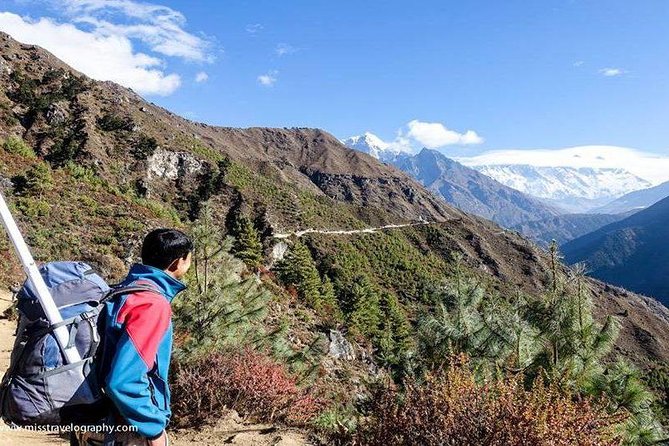
You trek to Tengboche through juniper and rhododendron forests. The views here can include Everest, Nuptse, Lhotse, Ama Dablam, Thamserku, and Kwangde.
Tengboche is known for Tengboche Monastery, described as the largest Buddhist monastery in the Khumbu region. You can visit the monastery and then settle in overnight.
What I’d tell you to do on this day: slow down. This is the kind of walk where your brain catches up to your legs. You will remember the peak walls, but you will also remember the quiet moments in the gompa area.
Day 6, Tengboche to Dingboche: Higher Sherpa Settlements and Strong Views
Today you cross toward the Imja Khola and head through Pangboche area before reaching Dingboche. Pangboche is described as having the biggest and highest permanent Sherpa settlement in the region.
Dingboche is also a viewpoint-friendly place. You get inspiring views of Island Peak and Ama Dablam.
Why Dingboche is important: it is positioned to set you up for your next acclimatization day.
Day 7, Dingboche Acclimatization and Nagarjun Hill: A Hard-Easy Day
You take a day off from the main climb to acclimatize in Dingboche. There is an upward hike option to Nagarjun Hill (listed as 5,100m). The guidance notes there are no technical sections, but you need to watch your step due to possible loose rocks and scramble-like spots.
The payoff is viewpoint access, including broad 360-degree views of peaks like Makalu and Lhotse, plus strong attention on Ama Dablam and Island Peak. You can also get a close look at the Imja glacier from here.
Consideration: if you are sensitive to altitude, you should follow your guide’s pacing. Even non-technical hikes can feel tough at 5,000m.
Day 8, Dingboche to Lobuche: Glacier Margins and Memorial Stones
You keep climbing toward Lobuche. The description emphasizes walking along the lateral moraine of the Khumbu Glacier and passing stone memorials for climbers who perished on nearby summits.
This can hit you emotionally. It also helps you understand this is not a casual hike, even though you are not climbing.
A possible drawback: the itinerary notes breathing problems may arise due to altitude. That is your cue to take it easy on the pace, drink water, and tell your guide if you feel off.
Day 9, Lobuche to Everest Base Camp and Back to Gorak Shep: The Big Everest Day
This is the big effort. The walking distance is listed as about 7 to 8 hours and around 12 km to reach Everest Base Camp at about 5,365 m. The route includes walking along the Khumbu Glacier and up to Base Camp.
It is described as the closest you can get to Mt. Everest without mountaineering equipment. In spring, expedition teams may be around trying for summit windows.
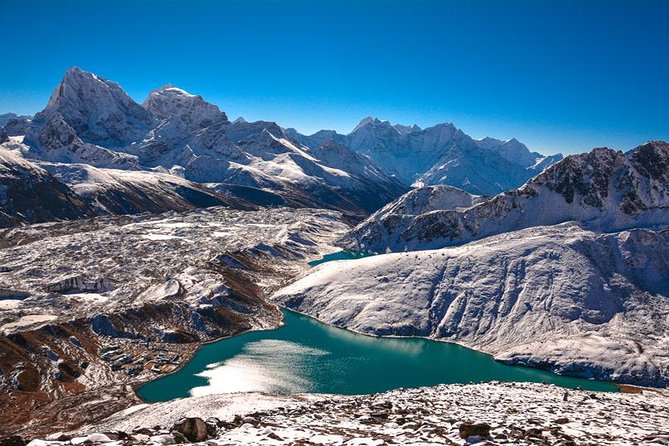
You return to Gorak Shep for the night. Gorak Shep sits near a frozen lakebed and at about 5,164 m. Lodges are basic, but you might find more modern amenities like satellite high-speed internet access mentioned in the info.
Practical tip: base camp day can feel like you have to “perform” for photos. Don’t. Spend some quiet time there too.
Day 10, Kala Patthar at 5,550 m: The View That Makes the Trek Click
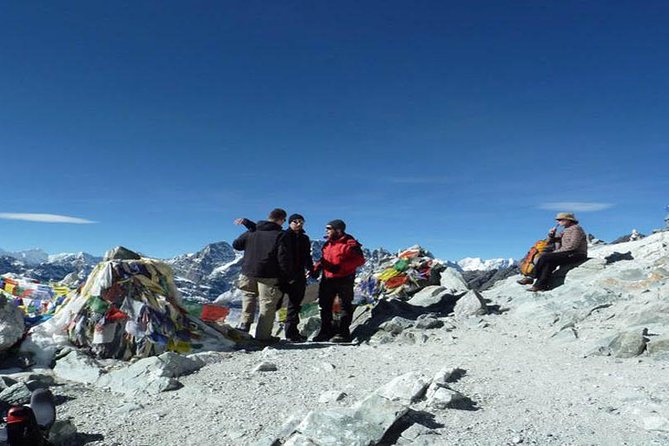
After breakfast you head to Kala Patthar, listed as the trek’s highest viewpoint at 5,550 m. The goal here is to get a close-up view of Everest since the summit is not always visible directly from Everest Base Camp.
The description emphasizes icy walls of surrounding peaks and a 360-degree view of Everest, Nuptse, Lhotse, and Pumori. You also get a sunrise-style lighting moment, with fiery rays suggested for later in the route.
After Kala Patthar you return to Gorak Shep and trek down to Pheriche for the night.
This is usually the day trekkers feel the most satisfaction. Your body is tired, but your eyes get the final reward.
Day 11, Pheriche to Namche Bazaar: Downhill Legs and a Simpler Mind
You trek downhill from Pheriche toward Tengboche, then continue to Namche Bazaar. The itinerary describes about an hour scaling a hill before reaching Namche by late afternoon.
This is a psychologically important day because you shift from “climbing” to “surviving the descent.” It is also easier to eat well and keep moving at a comfortable rhythm.
Day 12, Namche Bazaar to Lukla: Bridge Back Into the World
You return to Lukla, retracing key parts of the route. You trek to the Hillary Suspension Bridge area and through villages before arriving in Lukla.
In Lukla you celebrate your conquest, as the trek is officially finished up in the mountains. Overnight in Lukla.
One consideration: arrival into Lukla often means being at the mercy of final logistics. You do not want to treat this day as an exhausting push if conditions are shaky.
Day 13, Lukla to Kathmandu: Mountains Behind You, City Ahead
You wake early and transfer back to Kathmandu. You also get time to recognize peaks as you watch the Himalayas pass beneath the window, which can feel like closure.
Then you are transferred to your hotel and can relax, explore Thamel, and pick a good dinner spot.
Day 14, Kathmandu Departure: Wrap It Up Cleanly
You get transferred to the airport on time for your international flight. If you want to extend your stay, planning help is offered.
If your international flight is tight, make sure your buffer time is realistic. Kathmandu traffic can be unpredictable.
Where the Trekkers’ Favorite Moments Come From
The reviews are very consistent, and the pattern makes sense when you match it to how the itinerary is built.
The most praised aspects line up with:
- Guide care and coaching, especially with named guides like Shiva Shrestha. People describe him as attentive, safe-minded, and genuinely motivating.
- Organization and communication, meaning transfers, tea house choices, and daily flow are handled so you can focus on walking.
- Food and tea house recommendations, including accommodations picked along the way that help you rest better.
- Dietary accommodation, where the team is described as being accommodating to different needs.
One more interesting signal from the provided info and review snippets: people describe the team as feeling like family. You should not chase emotional promises when buying a trek. Still, for a long, tough journey, good human tone makes a difference. It affects how you respond when the altitude turns your day into a slower grind.
Tea Houses, Sleeping, and What Comfortable Means Here
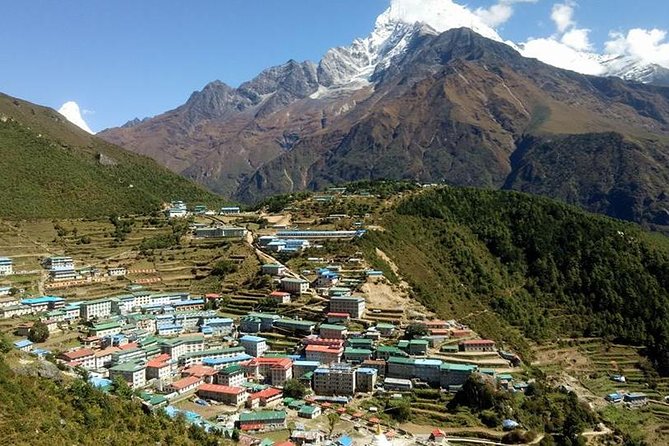
This trek uses teahouse accommodation, and the package claims best available clean and comfortable options during the trek. That is a fair expectation for Everest region teahouses, but it still means you should plan for basic rooms, hot meals, and the need to manage warmth at night.
Also included are a down jacket and sleeping bag, to be returned after trek completion. That is one of the less talked about value items because it can save you from buying gear you will not use again.
What you should do: check your clothing layers before you leave and pack the basics you already know work for you. The provided down gear may cover the cold, but your personal system still matters.
Who This Trek Suits Best
This is a strong fit if you:
- Want the Everest Base Camp experience without climbing
- Prefer a more structured trek with a guide plus assistant guide
- Like small-group energy, not a huge backpacking crowd
- Want acclimatization days and viewpoint days that make the effort feel meaningful
It may not be ideal if you:
- Want to do this fully DIY, with no porter, no organized meals, and no guide coordination
- Have tight time constraints that do not allow for acclimatization pace
- Are not prepared for the fact that Lukla flights can be tricky and are not included here
Quick Decision Guide: Should You Book?
I’d lean toward booking this if you want support-heavy trekking where the hard parts are managed for you, not just sold to you. The combination of porter help, structured acclimatization, and first aid readiness is practical. And the guide quality sounds like the real differentiator, especially from the reviews mentioning people like Shiva Shrestha and the planning support from Hari and Himal.
Before you hit confirm, double-check:
- You are comfortable with the fact that Lukla flight is not included
- You might need extra money for Kathmandu hotel nights if your timing does not line up
- You are ready for teahouse basics and altitude pacing, because the itinerary is built around rest days, not speed
If you can handle those points, this looks like a well-priced way to earn your Everest views at Kala Patthar and stand at Everest Base Camp without turning the trek into a logistics project.
FAQ
How long is the Everest Base Camp trek?
The trek is listed as 14 days approximately.
What is the tour price per person?
The price is listed as $1,169.00 per person.
Is airport pickup and drop-off included?
Yes. Airport pick up and drop off service in a private vehicle is included.
Are meals included during the trek?
Yes. The package includes full board meals with breakfast, lunch, and dinner during the trek.
Do I stay in teahouses?
Yes. It includes tea house accommodation during the trek, described as best available clean and comfortable options.
Is the Lukla flight included in the package price?
No. Lukla flight is not included.
Do I get a porter?
Yes. The trek includes porter service to carry your main luggage during the trek.
Are park entry fees included?
Yes. Sagarmatha National Park Entry Fee and Community Fee are included.
What safety and medical items are provided?
The package includes a first aid kit, pulse oximeter, and essential medicines such as paracetamol and Diamox.
What souvenirs are included?
You get a duffel bag (kit bag), a T-shirt, and a trekking map as take-home souvenirs.
Latest Kathmandu write-ups
- Langtang Valley Trek★ 5.0 · 3 reviews
- Khopra Danda Trek★ 5.0 · 3 reviews
- Langtang Valley Trek from Kathmandu★ 5.0 · 3 reviews
- 5 night / 6 days Kathmandu Nagarkot Chitwan Pokhara tour★ 5.0 · 3 reviews
- Nepal Highlights Tour: 5 Nights 6 Days Kathmandu & Pokhara Tour★ 5.0 · 3 reviews
- Kathmandu Valley Private Day Tour★ 5.0 · 3 reviews
- Kathmandu Heritage Day Tour★ 5.0 · 3 reviews
- Conquer the Himalayas: The Ultimate 16-Day Annapurna Circuit Trek★ 3.5 · 3 reviews
Everest Base Camp Trek, compared.

Everest Base Camp Helicopter Tour landing at Everest View Hotel
Read our review →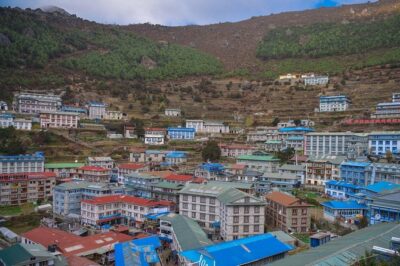
Everest Base Camp Helicopter Tour landing at Hotel Everest View
Read our review →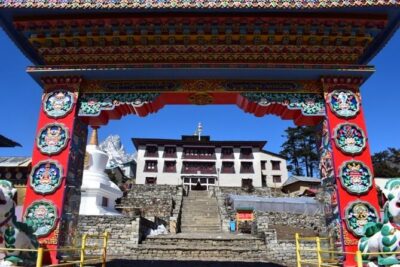
Browse the lists this tour appears in