
Reviewed · EVEREST BASE CAMP TREK
14-Day Everest Base Camp Trek
This trek is interesting because the whole route feels like a slow reveal, from Lukla’s jump-off flight into the Everest region to the rocky push to Everest Base Camp, with Kalapatthar sunrise as your big finish line. Two things I especially like are the Lukla flight into the Khumbu and the way the itinerary builds in real acclimatization, so you are not just grinding uphill every day. One consideration is that the days to and from Everest Base Camp are demanding, with serious walking over rough ground and altitude that can hit even fit people.
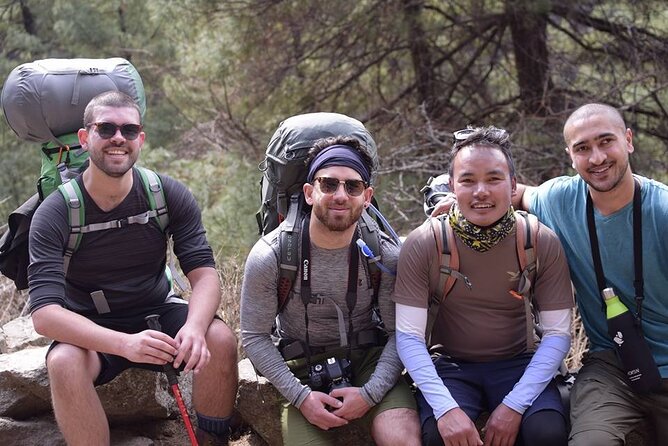
I also like that this is organized in a way that feels practical on the ground: small group size (maximum 8), a guide leading for 12 days, and a porter for 11 days. You’ll sleep in Kathmandu for two nights and then live in mountain teahouses for 11 nights, which keeps expectations clear and manageable. The main tradeoff is that you will follow the rhythm of trekking, where mornings start early and some days run longer (often 5 hours, with stretches up to 7 to 8).
Finally, the price is $1,600 per person, and it is not just a name on a map. You get Kathmandu to/from Lukla flights, Sagarmatha National Park entry and local permits, and meals on the trek (breakfast, lunch, dinner for 12 days). The drawback here is simple: meals in Kathmandu (lunch and dinner) are not included, so budget a bit extra for eating in the city.
Key highlights you will feel on this Everest Base Camp Trek
- Lukla flight and early trek start into the Everest region, then quick access to river valleys and Sherpa towns
- Acclimatization in Namche Bazaar with an option to hike to Everest View Point, plus a Sherpa museum and a Saturday market
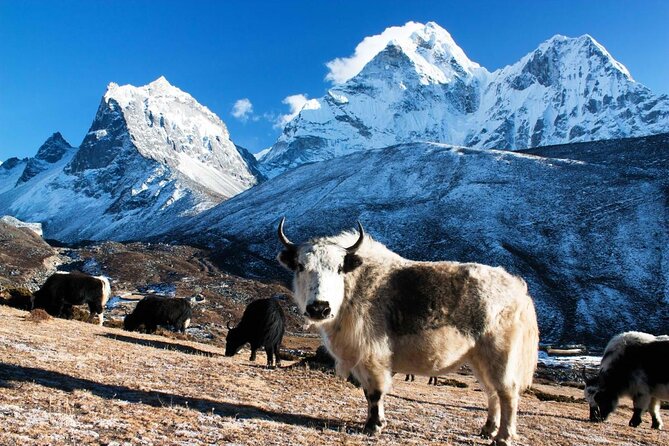
- Tengboche Monastery visit in the Khumbu area, with views of sacred peaks like Ama Dablam and Thamserku
- Gorakshep to Everest Base Camp is serious walking over rocky glacier debris, plus possible climber sightings
- Kalapatthar sunrise for one of the best high-altitude view moments without needing to climb a summit
- Small-group pacing (max 8) with experienced local guides named KP, Dilman, Jay, Narayan, and Pemba in past trips
Lukla, then straight into the Everest region’s real vibe
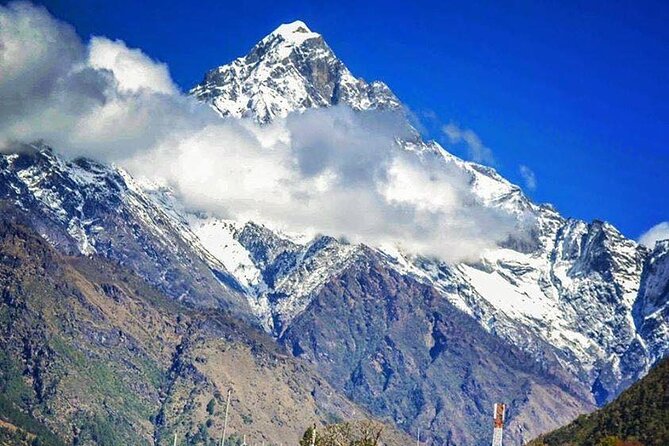
Most Everest Base Camp trips begin with a flight, but Lukla is special because it drops you into the mountains fast. You fly into Lukla Airport at about 2,860 meters, and then you start walking almost immediately, first descending toward Phakding along the Dudh Koshi river corridor.
What I like about this style is that it kills jet lag excuses. Even if your legs feel rusty, you get acclimated by movement, fresh air, and the steady rhythm of trekking. Also, if you care about value, this is not a “sit around until magic happens” itinerary. You are walking from day one.
One practical note you should take seriously: Lukla flights sometimes route to Ramechhap instead of Kathmandu due to upgrades at Kathmandu Airport. When that happens, you leave Kathmandu around 2 am for a roughly 4-hour drive, and at the end of the trek the drive back to Kathmandu is typically 4 to 6 hours depending on traffic. If your sleep plan is fragile, plan for the fact that early mornings are part of the deal.
More ways to walk to Everest Base Camp:
- Everest Base Camp Trek – 14 Days
★ 5.0 · 1,499 reviews - Everest Base Camp Trek
★ 5.0 · 842 reviews - Everest Base Camp Helicopter Tour landing at Everest View Hotel
★ 5.0 · 668 reviews
Kathmandu warm-up: what you do in those first two nights
Your trip starts in Kathmandu at Tribhuvan Airport, with staff picking you up and transferring you to your hotel. You stay two nights in Kathmandu (Bodhi Boutique or a similar place), which matters more than it sounds. After a long-haul flight, Kathmandu gives you time to handle basic needs: rest, get your gear sorted, and calm down before you are dealing with altitude and stairs that feel like mountains.
This is also where you’ll likely test your trekking kit in a low-stress way. You’ll know fast if you packed the wrong shoes or forgot something small but important like blister supplies. I’m a big fan of using these first nights to get your body and gear ready, because once you are in the teahouse loop, there is no easy shopping rescue.
One budgeting detail: while transfers and your hotel are included, lunch and dinner in Kathmandu are not. Breakfast during Kathmandu stay is handled through the included plan, but you should expect to pay for two meals in the city on your own.
Day-by-day rhythm: why the itinerary feels balanced (and when it gets hard)
This trek typically has you walking around 5 hours a day, though some days stretch to 7 or 8. That is a good range for most people aiming to finish, because it builds stamina without turning every day into a grinder. Still, the Everest Base Camp section is not “just another hike.” It is your longest, most physically focused work.
Here is how the route plays out, stop by stop, and what you should expect each time.
Phakding: your first downhill into the Dudh Koshi world
After arriving in Lukla, you walk to Phakding by descending to the Dudh Koshi Ghat and following the river bank. On paper it can look easy, but you are already in the foothills of the Khumbu, where footing and weather can shift quickly.
Phakding is your first real introduction to Sherpa life at a trekking pace. You’ll feel the cooler air, and it is where the trip starts to feel like a moving community rather than a tourist circuit.
More to compare around Kathmandu
- Private Kathmandu Sightseeing Tour | UNESCO World Heritage sites
★ 5.0 · 756 reviews - Kathmandu: 7 UNESCO Sites with Lunch
★ 4.8 · 744 reviews - Half day cooking class in Thamel kathmandu
★ 5.0 · 607 reviews - Everest Base Camp Trekking
★ 5.0 · 485 reviews
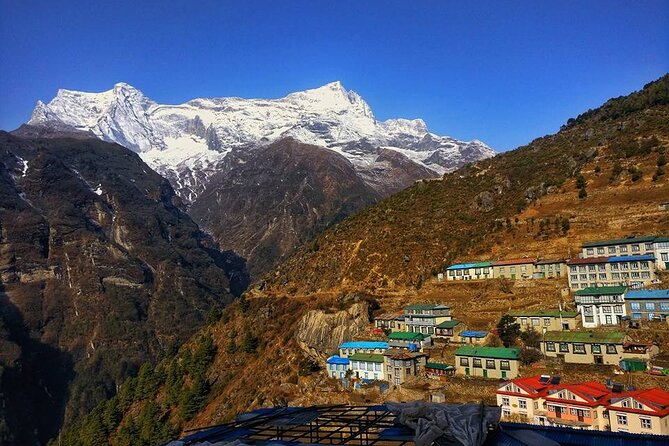
Namche Bazaar: bridges, pine forests, and Everest’s first tease
On the way to Namche Bazaar, you cross long suspension bridges over the Dudh Koshi and pass through pine forests. You also enter the Sagarmatha National Park area where permits are checked, so make sure you keep your documents accessible.
The route includes a downhill for lunch around Jorsale, then an uphill push to Namche. This uphill is usually your first “okay, this is real climbing” moment. Once you arrive, you get that electric view, your first big sight of Mount Everest from the Namche area.
Acclimatization day in Namche: Everest View Point, museum, and a little routine
Day four is your altitude buffer. You stay in Namche and can either take a hike of about 2 hours to Everest View Point or explore the town at your own pace. I like acclimatization days because they give your body a chance to catch up, but they also help your mind. You stop racing the trip and start enjoying it.
This is also a good day for culture without committing to a whole detour. There is a Sherpa museum, and on Saturday there is a small outdoor market. Even if you do not buy much, it gives you an honest picture of daily life in the region.
Tengboche: monastery day and big sacred views
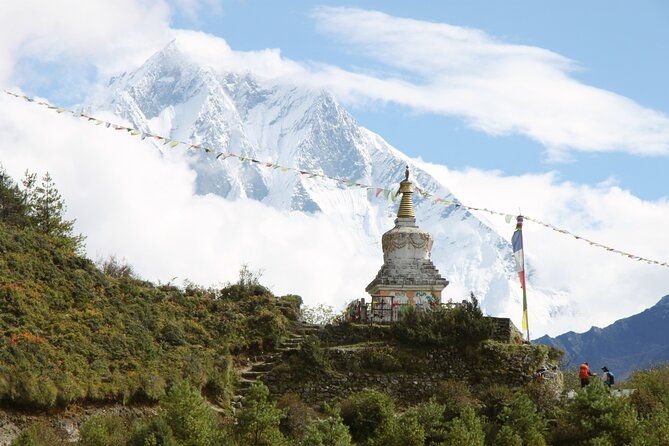
Tengboche is famous for its monastery, described as the largest one in the region. You visit and receive blessings, then you get some of the most iconic mountain views in the area, including Ama Dablam, Thamserku, and Khumbila.
This is one of those stops where the “why” matters. The monastery visit is not just scenery. It is a window into Sherpa spirituality that shapes how people live in these high places.
Practical drawback: Tengboche can be busy in trekking season, and weather can change fast. Build in time for the moments when views open and for the moments when you just enjoy being inside and out of the wind.
Dingboche: fewer trees, more altitude awareness
Your trek continues into Dingboche through alpine forests and villages, then into the Khumbila Khola Valley. As you ascend, the environment shifts: fewer trees, more shrubs, and more of that high-altitude feel where even standing can feel like work.
You’ll spend nights here for two days to rest and acclimatize. That is a smart move because at these heights, your success depends as much on recovery as it does on motivation.
Second Dingboche day: exploring nearby valleys
The second day in Dingboche is a true rest day. You can explore the Chhukung and Imja Valleys area if you want. The trip also links to future adventures, since Imja is connected to Island Peak and Makalu Barun National Park.
Even if you do not go far, this day helps you avoid the common mistake of rushing. Altitude responds better to patience than bravado.
Lobuche: memorial stupas and a more rugged feel
You move more slowly today as altitude becomes more demanding. The route includes a steep climb to memorial stupas for people who lost their lives on Everest, then you continue to Lobuche with dramatic views.
The views here often include Lobuche, Pumori, and Nuptse. This is also when you start feeling the treeline fade and the trekking surface become more uneven. It is a good day to slow your pace, shorten your steps, and keep your breathing steady.
Gorakshep: the staging area for Base Camp
Gorakshep is your launchpad day. The trail starts deceptively easy from Lobuche, then becomes more rocky with dunes and moraine before you reach your overnight point.
That “deceptively easy” part matters: you might feel strong, but Base Camp is ahead, and the trail surface is the kind that punishes sloppy footing. Keep your energy for the next day.
Everest Base Camp: the day for serious walking and real feeling
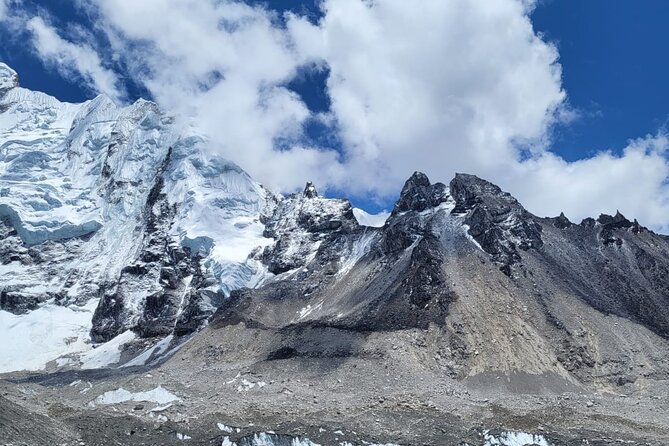
This is the day many people dream about, and it is earned the hard way. The route from Gorakshep to Everest Base Camp and back takes about 6 to 7 hours of serious walking over rocky ground formed by glacier debris.
Once you arrive, you are right by the Khumbu Glacier and the Icefall area. You may also meet climbers moving through routes toward their own attempts. The scale of the area can feel surreal, because you are far from easy answers like “just a hike.” You are in one of the most intense mountain environments on Earth, and every step has weight.
One honest tip: take time to appreciate it, but also know when to start the return. If you let the adrenaline run your pace, you can get worn out on the way back over rough ground.
Kalapatthar sunrise: watching Everest light up, then working your legs again
You start early to see sunrise from Kalapatthar. This is one of the best moments on the trek because the first light hits Everest and several other peaks, including Nuptse, Changtse, and Lhotse.
Then comes the practical part: after enjoying the viewpoint, you hike down to Gorekshep for breakfast and continue on toward Pheriche. If you still have energy, you can walk on to Panboche and overnight there, depending on how the group feels.
This is a day where your motivation gets tested twice. Once for the pre-dawn climb, again for the long descent afterward. Treat it like two workouts, not one.
Pheriche to Namche, then back to Lukla
From Pheriche you go mainly downhill toward Tengboche and Namche Bazaar, where you spend the night. Downhill can still be brutal, especially after days of altitude. Your knees and ankles do the work here, so take longer steps only when you feel stable.
The final trek day brings you to Lukla, crossing the Hillary Suspension Bridge again and saying farewell to the Sherpa community. The plan includes a traditional group farewell party, which is a nice human touch after two weeks of routines and effort.
The last flight: Kathmandu or Ramechhap depending on conditions
On the morning of your final travel day, you take an early flight from Lukla either to Kathmandu or to Ramechhap, depending on the situation at Kathmandu Airport. Your return drive to Kathmandu can be around 4 to 6 hours depending on traffic. After that, you end back in Kathmandu and continue on safely.
This is where you should keep expectations flexible. Mountain flights can be weather-sensitive, and you are trekking far from big-city schedule guarantees.
Guides, porters, and the small-group feel you notice fast
This trek runs with a guide for 12 days and a porter for 11 days, plus support staff insurance and ground transport for the team. That setup reduces how much you carry, and it keeps the day-to-day moving parts handled, from pacing to logistics to permit checks.
In past trips connected to this operator, names like KP, Dilman, Jay, Narayan, and Pemba Sherpa have come up for guiding. The common thread in their praise is how calm and supportive they are, and how smoothly the plan runs from the first day out of Kathmandu to the last day back in Lukla.
Also note the group size: up to 8 travelers. With that number, you can still get some group energy, but you are not stuck in a massive bottleneck for every bridge and viewpoint.
Teahouses and meals: what is included, and what you still manage yourself
Your lodging pattern is clear. You have 2 nights in Kathmandu, then 11 nights in mountain teahouses. This is not a camping expedition, so you get the comfort of a regular base each night, even though “comfort” at altitude means simpler rooms, basic heat, and slow evenings.
Meals are included for 12 days: breakfast, lunch, and dinner. Kathmandu lunch and dinner are not included, so you will likely buy food in the city during your two hotel nights.
Practical implication: because meals are part of the plan, you can focus on eating on schedule. At altitude, consistency helps. When you skip meals or wait too long to eat, you often feel it in your energy for the next climb.
Price and value: is $1,600 fair for what you get?
At $1,600 per person, this trek is in the mainstream “serious experience” zone. The value comes from what is already wrapped into the price, especially the Kathmandu to Lukla round-trip flights, Sagarmatha National Park entry and local permits, and the guide plus porter structure. You are also getting mountain teahouse lodging for 11 nights.
Where the price can feel high to someone new is that you still need extra budget in Kathmandu for meals you eat on your own, plus personal expenses and your own travel insurance. The tour itself does not include those.
Where the price feels fair is that logistics in the Everest region can be complicated, and this is built to handle the hard parts: flights, permits, and the day-to-day moving rhythm.
Who this trek suits, and who should reconsider
This is best for travelers with strong physical fitness. The itinerary includes days with 5 hours of walking on average, with some days reaching 7 to 8 hours, plus one big day of 6 to 7 hours dedicated to the Gorakshep to Everest Base Camp round trip over rocky glacier debris.
You do not need to be an elite athlete, but you do need endurance and calm decision-making. If you know altitude makes you anxious, you should prepare mentally, stick to the acclimatization days, and listen to your guide.
It is also a good fit for you if you like structure. The route hits the iconic points: Namche Bazaar, Tengboche Monastery, Kalapatthar, and Everest Base Camp, without turning the trip into a constantly changing experiment.
Practical advice so you do not suffer for no reason
- Take the acclimatization days seriously. The goal is to arrive ready, not just arrived.
- Expect early starts, especially around Kalapatthar sunrise and any Ramechhap logistics.
- Plan for rough footing on the Base Camp day. Trekking poles can be a big help on rocky terrain.
- For teahouses, pack for cold nights. Your body will feel the temperature drop more than you think after a hot day of walking.
And one last thing: keep your goal bigger than the summit photo. The best parts often come from the human rhythm of the trail, bridges, villages, monastery time, and those long quiet moments when the peaks are framed by clouds.
Should you book this Everest Base Camp trek with Magical Nepal?
I think you should book it if you want a classic Everest Base Camp route with real acclimatization, a small-group feel, and a setup that handles the heavy logistics like flights, permits, and trained guide and porter support. At $1,600, it is paying for organization and time, not just steps on a trail.
You might pause if you are not comfortable with early mornings and long walking days, or if altitude scares you more than it motivates you. Also, if you need guaranteed flights into Kathmandu without any possibility of Ramechhap routing, this region does not operate like a city airport.
If your priority is to reach Everest Base Camp while still having enough structure to enjoy the experience, this itinerary fits that goal.
FAQ
How long is the trek?
The trek runs for 14 days approximately, starting with flights and walking out of Lukla and ending back in Kathmandu after an early flight from Lukla.
How many people are in the group?
This experience has a maximum of 8 travelers.
What permits are included?
Sagarmatha National Park entry and local entry permits are included, and permits are checked when you enter the protected area.
What flights and transfers are included?
Your package includes Kathmandu to Lukla and return, plus local transfers for international flights (arrival and departure) and local transfers for domestic flights (x2).
Are meals included?
Breakfast, lunch, and dinner are included for 12 days. Lunch and dinner in Kathmandu are not included.
What happens if weather prevents the trek?
This experience requires good weather. If it is canceled due to poor weather, you will be offered a different date or a full refund.
Latest Kathmandu write-ups
- Langtang Valley Trek★ 5.0 · 3 reviews
- Khopra Danda Trek★ 5.0 · 3 reviews
- Langtang Valley Trek from Kathmandu★ 5.0 · 3 reviews
- 5 night / 6 days Kathmandu Nagarkot Chitwan Pokhara tour★ 5.0 · 3 reviews
- Nepal Highlights Tour: 5 Nights 6 Days Kathmandu & Pokhara Tour★ 5.0 · 3 reviews
- Kathmandu Valley Private Day Tour★ 5.0 · 3 reviews
- Conquer the Himalayas: The Ultimate 16-Day Annapurna Circuit Trek★ 3.5 · 3 reviews
- Kathmandu Heritage Day Tour★ 5.0 · 3 reviews
Everest Base Camp Trek, compared.



Everest Base Camp Helicopter Tour landing at Everest View Hotel
Read our review →



Everest Base Camp Helicopter Tour landing at Hotel Everest View
Read our review →
Browse the lists this tour appears in