
Reviewed · EVEREST BASE CAMP TREK
Everest Base Camp Trek
Everest Base Camp is interesting because it is not just a big-mountain destination. It is a human-powered route through Sherpa villages, suspension bridges, monasteries, and long stretches of high-altitude quiet that slowly changes how you feel. I like the way the trip builds in acclimatization (with a real day to breathe, rest, and adjust) and I really like the focus on the Kala Patthar sunrise moment. The main drawback to consider is altitude and cold, since you are spending days walking in thin air and nights can get very chilly, with no hot shower included.
You start with the Kathmandu warm-up, then you move fast into the real trekking rhythm via Lukla. This kind of structure keeps you from arriving overwhelmed, but it still means you should be ready for steep days, basic lodges, and early mornings. If you want a smooth, well-organized experience with an English-speaking guide and strong porters, the team behind this trek is a big part of the appeal, and names like Urja and guide Aashish show up again and again in guest feedback.
Key highlights you will care about
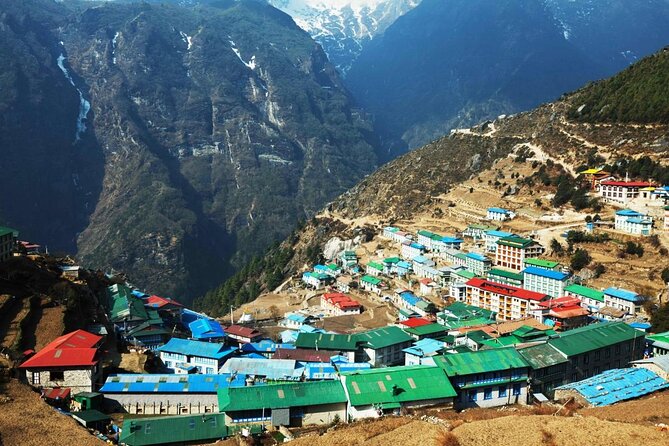
- Lukla flight plus a Sherpa-village start to ease you into the Everest region instead of jumping straight to the steepest trails
- Namche acclimatization stop (including time around Everest View Hotel and Khumjung) so you do not just hurry higher
- Sagarmatha National Park and monastery days that add meaning beyond the summit-style photos
- Gorak-Shep to Everest Base Camp logistics planned around the reality that you must carry supplies
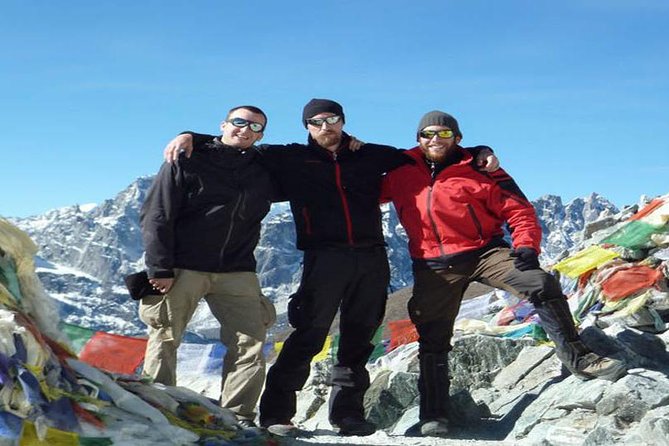
- Kala Patthar sunrise as a true payoff for the climb, not just a checkbox
- Guides and porters who keep you moving safely (guest feedback highlights patience and encouragement from Aashish)
First footsteps in the Everest region: from Kathmandu to Lukla
This trek starts in Kathmandu, and it is designed to get your body and your plan lined up before you hit the mountains. You land at Tribhuvan International Airport, get a warm welcome, and then you brief for the Everest Base Camp trek. The idea is simple: you should have time to get your gear sorted, confirm sizes, and make sure you did not forget something small that becomes a big problem at altitude.
Then you shift into a more practical Kathmandu rhythm. There is a half-day city tour, and after that you drive to Manthali Airport (about four hours). Along the way, you pass through local villages and agricultural scenery, which gives you a sense of Nepal beyond the airport bubble.
Next comes the big change: a domestic flight to Lukla Hillary Airport, followed by your first trek day through Sherpa villages with mountain views. Lukla is where the trip really starts to feel like Everest region trekking, not just travel. You are walking, breathing outdoors, and meeting the pace of people who live along the route.
If you are sensitive to stress, this pacing helps. You are not thrown into 15 straight days of grind from day one. You still work hard, but your path to altitude is structured.
More ways to walk to Everest Base Camp:
- Everest Base Camp Trek – 14 Days
★ 5.0 · 1,499 reviews - Everest Base Camp Trek
★ 5.0 · 842 reviews - Everest Base Camp Helicopter Tour landing at Everest View Hotel
★ 5.0 · 668 reviews
Kathmandu warm-up and what “included” really means for $1,850
The price, at $1,850 per person, is not just for walking. It covers a lot of the stuff that usually makes treks chaotic: airport-to-trek flow, lodging support, guides and porters, permits, and a long list of meals.
What I like most about the value here is that you get real operational support. You have comfortable lodges along the trek with breakfast, lunch, dinner, plus tea and coffee. In Kathmandu, there are three nights of hotel with breakfast, plus a welcome dinner and a farewell Nepali culture dinner. That matters because trekking days take your appetite seriously, and you do not want to be hunting for food decisions when you would rather be recovering.
You also get gear support that can reduce the risk of arriving under-prepared. The trek includes a warm down jacket and sleeping bag, and you get a walking pole back after the trek return. There is also a waterproof trekking duffel bag and a T-shirt.
One detail that feels small but is actually helpful: you get TIMS cards and a trekking permit handled for you, along with a medical kit bag during the trek. You will still need to provide passport copy and a passport-size photo for the permits, and you will need flight details and airline name so the team can coordinate the Lukla side.
What is not included is also clear. Cold drinks, mineral water, hot showers, hot water, battery charging, phone calls, laundry, and bar bills are on you. You are also responsible for tips for the guide and potters, altitude sickness insurance, Kathmandu lunch and dinner, and any sightseeing entrance fees. So yes, the $1,850 is meaningful value, but you should budget for those gaps so you do not get surprised halfway up.
Day-by-day rhythm: how the route manages altitude and effort
This itinerary has a classic Everest Base Camp structure, but it is adjusted with rest and acclimatization so you do not feel like you are just climbing to suffer. Expect about 16 days total, with trekking days spaced out by planned breaks.
Lukla to Phakding, then north toward Namche Bazaar
After you land in Lukla, you start by walking through Sherpa villages. On the way, the trails move past rivers and suspension bridges, which is where you get your first real sense of scale, plus those iconic views that make people want to bring out the camera.
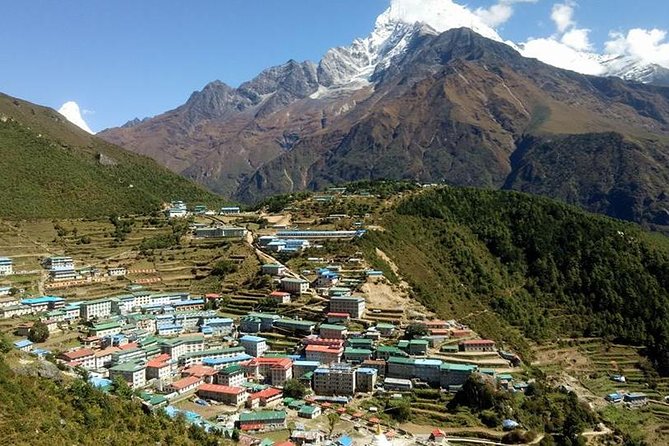
Then you climb up toward Namche Bazaar via Hilary steps. If weather is clear right near Namche, you can catch glimpses of Everest and surrounding peaks. Namche is the gateway town for a reason. It is busy enough for practical supplies and rest, but it is also the point where the landscape becomes unmistakably high Himalayan.
More to compare around Kathmandu
- Private Kathmandu Sightseeing Tour | UNESCO World Heritage sites
★ 5.0 · 756 reviews - Kathmandu: 7 UNESCO Sites with Lunch
★ 4.8 · 744 reviews - Half day cooking class in Thamel kathmandu
★ 5.0 · 607 reviews - Everest Base Camp Trekking
★ 5.0 · 485 reviews
Namche to Everest View Hotel, Khumjung, and Sagarmatha National Park
One of the best moves in this route is the acclimatization day in Namche, not just a sleep and move on. You spend time hiking and exploring, including the Sagarmatha National Park area, Everest View Hotel, and Khumjung Village. You also visit Hillary school.
This is a good day for two reasons. First, it breaks up the altitude jump and gives your body time to adjust. Second, it makes the trip feel human, not only mountainous. When you stop in places like Khumjung, you remember the route was built by communities, not by marketing photos.
Tengboche monastery day with mountain-heavy walking
As you continue, the trail swings you through villages and viewpoints with dramatic backdrops, including passes by areas associated with Thamserku and Ama Dablam. Then you trek down toward Pungi Thangka and climb back up to Tengboche monastery.
Tengboche is one of those moments where you can feel the religious and cultural center of the region. Even if you are not a monastery person, the atmosphere is calm after a hard stretch of uphill walking. It is also a useful mental reset before you push higher.
Old villages and side hikes: Pangboche and Nangkartshang
Your route includes a day that leads through old village Pangboche, with rivers and mountains nearby. Another day adds a hike to Nangkartshang Peak. These kinds of side hikes help because they build fitness while still fitting within a gradual altitude plan.
I like these days because they keep you from feeling like every hour is either a slog or a long descent. You get variety. You also get more time outside, which is what you came for.
Thin-air phase: the walk slower becomes the strategy
When you start moving closer to the high zone, the itinerary is explicit about the way you must change your pace. The guidance is to walk slowly, keep long breathing, and drink more hot water. Honey-ginger is mentioned as part of what helps you stay warm and manage the physical discomfort.
This is not motivational fluff. At higher elevations, your body pays attention to rhythm. Going too fast is how you create headaches and fatigue you did not need. This trip’s approach pushes you toward a sustainable pace, which you should treat as the real “skill” of the trek.
Gorak-Shep to Everest Base Camp: the one logistics detail you must plan for
The day you check in at the lodge at Gorak-Shep and hike to Everest Base Camp is a classic payoff day. But the practical advice matters: Gorak-Shep to EBC does not have any tea shop, so carry enough drinking water and energy bars.
If you remember one thing from the entire trek, make it this. Carry what you need for the walk, even if you feel fine at the start. High altitude can make you hungry and thirsty in ways that surprise you.
Kala Patthar sunrise, then back to Lobuche
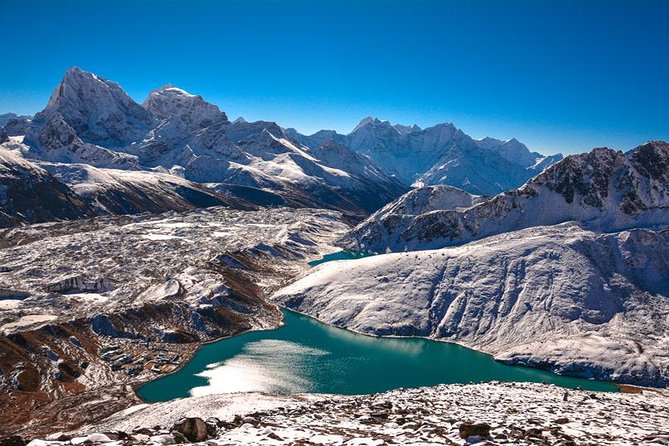
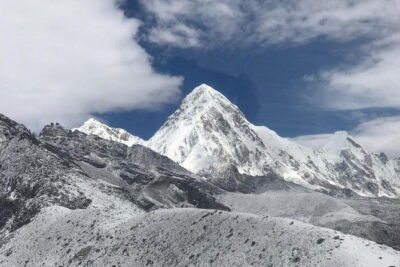
Next comes the early morning hike to Kala Patthar to catch sunrise over Mount Everest and the surrounding Himalayan range. This is where the trek stops being about endurance and becomes about payoff.
After the sunrise, you trek back to Lobuche. If you only like one spectacular moment on this whole route, Kala Patthar is the one.
Monasteries, Namche, and the final down-and-up days
The later stages include trekking back along the way with visits that keep the trip grounded in local life. You visit a big Buddhist monastery in the Solu Khumbu region. Then you go toward Namche Bazaar, including a stop in Monjo.
The final days keep the walking going, but they also keep the sense of completion. There is a celebration with your guide and potter, and then the travel leg back to Kathmandu includes a short flight to Manthali and a four-hour drive.
Guides and porters: what Aashish and the team add to your experience
The most repeated strength in the feedback is organization paired with supportive people. Guests specifically called out guide Aashish for being patient, encouraging, and firm about going slow. That matters because Everest Base Camp is not a race, and the team’s job is to protect your energy and help you adapt to altitude.
You will also feel the porters in a very real way. They are not just carrying bags. They help make lodge life easier and keep your trek day from turning into a logistics problem. Guest feedback also praises how meals were handled and how the team made people feel taken care of.
There is also a founder presence in the story, with Mr. Urja mentioned as part of the company’s support and communication. Even if you never meet the founder, that kind of reputation tends to show up in smoother handoffs and fewer surprises.
Net result: if you want a trek where you can focus on walking and views, not trip planning, this team seems built for that.
What to pack and what to plan for in high altitude reality
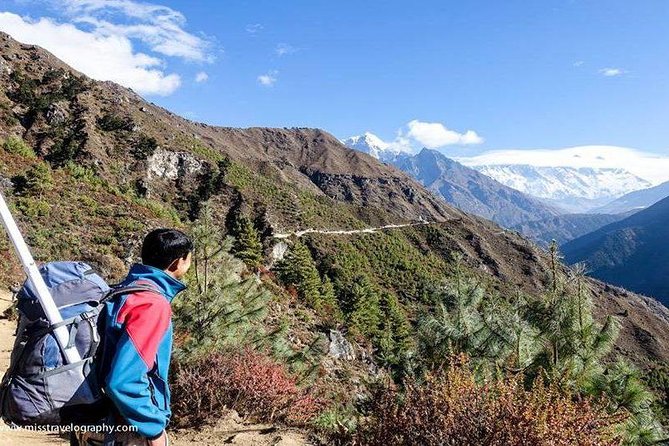
This trek makes it clear that some essentials are on you. Hot showers and hot water are not included, and battery charging is not included. So think about how you will stay warm and how you will manage energy.
Bring:
- Warm layers you can adjust during the day (thermal undergarments for night are recommended)
- Gloves and a hat or cap
- Sunglasses and sun block, plus lip balm (sunburn at high altitude is real)
- Lightweight trekking shoes and warm woolen or thermal socks
- A flashlight and spare batteries
- Flashlight matters more than you think for early starts and late lodge returns
- Your own day-to-day water and snack strategy
Also, plan how you manage cold at night. Even if you get a sleeping bag, you can still feel cold if you show up underdressed. This is not the place to travel in jeans and hope.
One small note that can save you stress: the included jacket and sleeping bag help, but you still need to bring comfortable trousers for men and loose skirts for women for daytime trekking comfort.
Lodges, meals, and daily comfort level
You are in the Himalayas, not a resort. Lodges are comfortable, but they are still basic. The trip includes breakfast, lunch, dinner, tea, and coffee. That means you can eat on schedule instead of hunting for a menu decision while tired.
Expect to pay attention to hydration and warm drinks. The guidance about hot water, and honey-ginger as part of the warm-up routine, lines up with how many guides manage cold and altitude symptoms.
What you should not count on: hot showers, battery charging, or lots of amenities. If you need to recharge devices, assume you might not be able to. If you want more convenience than that, you should pick a different trip style, because this one is built around trekking simplicity.
Should you book this Everest Base Camp trek with this operator
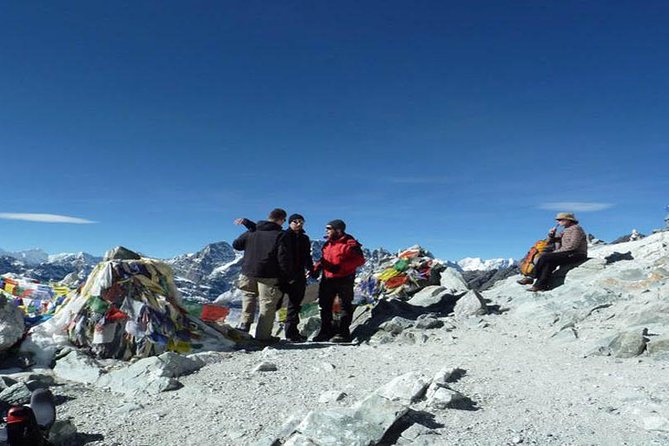
If you are deciding whether this specific Everest Base Camp experience makes sense, I would book it if you want:
- Strong organization from Kathmandu into the trek and back
- An English-speaking guide and porters who are experienced and supportive
- A route that includes meaningful acclimatization time, not just faster progress
- Gear support like a warm down jacket and sleeping bag, plus practical extras like a waterproof duffel
I would think twice if:
- You need guaranteed hot showers, battery charging, and unlimited comfort at night, because those are not included
- You are very sensitive to cold and altitude and do not plan to take the slow-pace advice seriously
- You have not budgeted for tips, water, cold drinks, and Kathmandu meals outside what is included
This trek is a classic Everest Base Camp path with a team that seems to do the unglamorous work well, and that is usually what separates a memorable trek from a stressful one.
FAQ
What is the duration of the Everest Base Camp trek?
It is listed as 16 days approximately.
What does the price include?
The included items cover transportation from arrival to departure, 3 nights hotel in Kathmandu with breakfast, welcome and farewell dinners, lodge meals (breakfast, lunch, dinner, tea and coffee) during the trek, a warm down jacket and sleeping bag, walking pole after the trek return, trekking permits and TIMS cards, a medical kit bag, and a waterproof trekking duffel bag with a T-shirt.
What is not included?
Not included: cold drinks and mineral water, hot shower and hot water, battery charging, phone calls, laundry, bar bills, tips for the guide and potters, altitude sickness insurance, Kathmandu lunch and dinner, Kathmandu sightseeing entrance fees, and any optional trips or sightseeing if you extend.
Are meals included in Kathmandu?
Kathmandu has breakfast included for the hotel nights, plus a welcome dinner and a farewell Nepali culture dinner. Kathmandu lunch and dinner are not included.
Do I need a visa?
A Nepal visa can be applied on arrival. The listed charges are USD 25 for 15 days and USD 40 for 30 days.
What are the meeting point and start time?
The meeting point is Kathmandu Valley, Bagmati Zone, Central Region, and the start time is listed as 6:00 am.
Is there altitude sickness insurance included?
Altitude high altitude sickness insurance is listed as not included.
Latest Kathmandu write-ups
- Langtang Valley Trek★ 5.0 · 3 reviews
- Khopra Danda Trek★ 5.0 · 3 reviews
- Langtang Valley Trek from Kathmandu★ 5.0 · 3 reviews
- 5 night / 6 days Kathmandu Nagarkot Chitwan Pokhara tour★ 5.0 · 3 reviews
- Nepal Highlights Tour: 5 Nights 6 Days Kathmandu & Pokhara Tour★ 5.0 · 3 reviews
- Kathmandu Valley Private Day Tour★ 5.0 · 3 reviews
- Conquer the Himalayas: The Ultimate 16-Day Annapurna Circuit Trek★ 3.5 · 3 reviews
- Kathmandu Heritage Day Tour★ 5.0 · 3 reviews
Everest Base Camp Trek, compared.

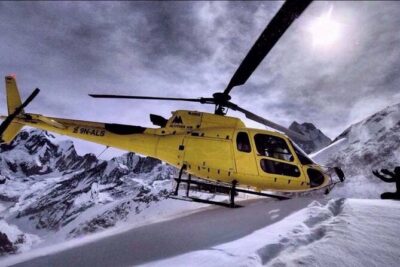
Everest Base Camp Helicopter Tour landing at Everest View Hotel
Read our review →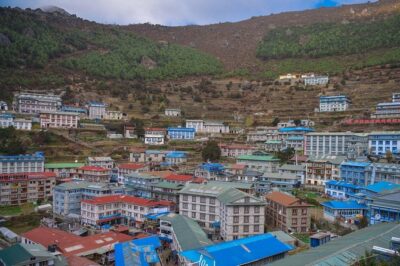
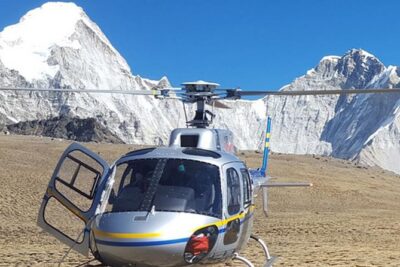
Everest Base Camp Helicopter Tour landing at Hotel Everest View
Read our review →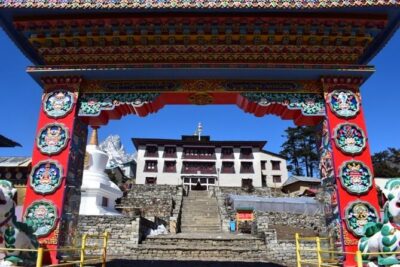
Browse the lists this tour appears in