
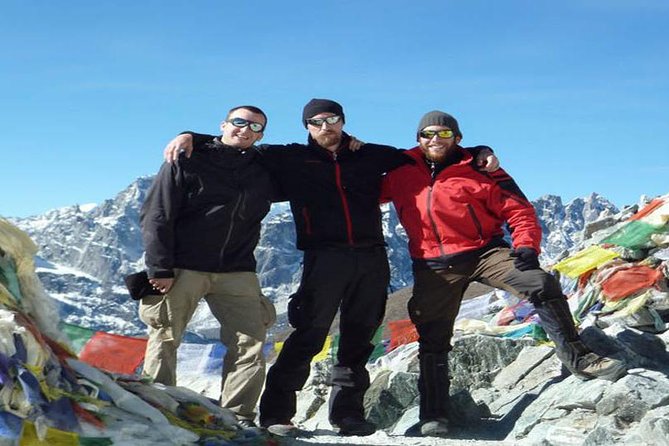
Reviewed · EVEREST BASE CAMP TREK
Everest Base Camp Trek
Everest Base Camp is one of those bucket-list treks where the details matter, because altitude, flights, and logistics can make or break your trip. I like that this program handles the heavy lifting with permits and paperwork done for you, and that guides and porters are included so you can focus on moving and taking in the mountain views. The main drawback to plan around is that this trek depends on good weather, and flight schedules in the Everest region can shift.
You’ll start in Kathmandu with an early morning transfer to Tribhuvan Airport, then head to Lukla by domestic flight, where the trek really begins. From the guide names mentioned in feedback like Dinish, Arjun, and Kiran, the vibe seems consistent: patient guidance, solid expectations set ahead of time, and lots of small ways to keep you comfortable along the route.
Key Highlights Before You Go
- Permits and paperwork are handled so you are not stuck figuring out forms mid-planning.
- Guides and porters are included, which can be a big deal if you want a less stressful climb.
- Lodges/tea houses on the trek plus four nights in Kathmandu are included, so you have defined places to sleep.
- Domestic flights and ground transfers are included, including Kathmandu to Lukla and back.
- Gear support included: sleeping bag, down jacket, and duffle bag (plus a trekking map you return after).
- Emergency helicopter service arranged through your travel insurance if needed.
Kathmandu Setup, Permits, and Morning Transfers That Keep You Calm
This itinerary is built for one thing: keeping you moving without getting buried in logistics. You start at Tribhuvan Airport in Kathmandu around 6:15 am, and the plan includes domestic hotel or airport transfers by private vehicle. That matters on Day 0, because in a place like Kathmandu you want your sleep and energy, not a hunt for the right car or a last-minute booking scramble.
One of my favorite parts is the paperwork. The trek route involves permits, and this program says it takes care of that admin so you can concentrate on training, packing, and acclimating. You also get a guide who comes with salary, food, drinks, accommodation, transportation, and insurance. In other words, you are paying for the trip, not for random gaps that force you to improvise.
You do not get unlimited freedom on where you stay in Kathmandu or what you eat there, though. The Kathmandu hotel and meals during your time in the city are not included. The trek itself, including breakfast, lunch, and dinner, is included via lodge/tea house stays on the route.
More ways to walk to Everest Base Camp:
- Everest Base Camp Trek – 14 Days
★ 5.0 · 1,499 reviews - Everest Base Camp Trek
★ 5.0 · 842 reviews - Everest Base Camp Helicopter Tour landing at Everest View Hotel
★ 5.0 · 668 reviews
Day 1: Lukla to Phakding, Where the Trek Proper Starts
The trek kicks off with a domestic flight from Kathmandu to Lukla at 2,886 m, then you hike to Phakding at 2,610 m for about four hours with lunch and dinner included. That first day is often where people either feel energized or feel cautious. Luckily, this plan keeps it short, so you can get used to the pace before climbing starts in earnest.
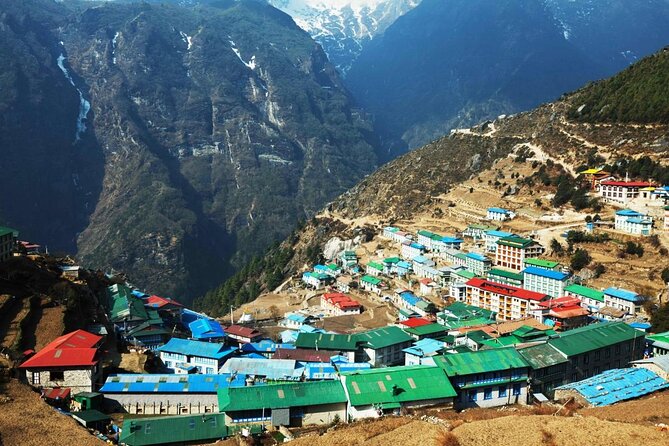
Phakding is a practical first stop. It is not a huge altitude jump, so it gives your body a gentler on-ramp. You will be sleeping in lodges/tea houses on the trek, which means you can expect warmth from basic guesthouse setups rather than camping. If you want to reduce friction, this matters.
The one thing to remember is that Lukla flights can be weather-dependent. This program notes the experience requires good weather, and it also includes an emergency helicopter arrangement through your travel insurance company. That does not remove the risk, but it does mean you are not going in blind.
Days 2-3: Namche Bazaar and the Acclimatization Break That Saves You
On Day 2 you trek from Phakding to Namche Bazaar at 3,440 m for about six hours. Namche is the key acclimatization hub. On Day 3, you stay in Namche Bazaar for a rest day with breakfast, lunch, and dinner included.
I like this structure because it respects how altitude works. You gain elevation on Day 2, then you pause on Day 3. That rhythm is one of the most important parts of an Everest Base Camp trek. Without it, people burn too hot, too fast.
Namche also helps you mentally. You go from the smaller trekking rhythm to the bigger hub where you can see more of how the region works. It is the place where you can get your breathing habits sorted and start feeling like the expedition is under control.
One more small practical note: the program is set up as a group trek with a maximum of 14 travelers. A group size like that tends to be large enough for lively companionship, but small enough to avoid total chaos on the trail.
Day 4: Namche Bazaar to Tengboche, Views With Altitude Coming On
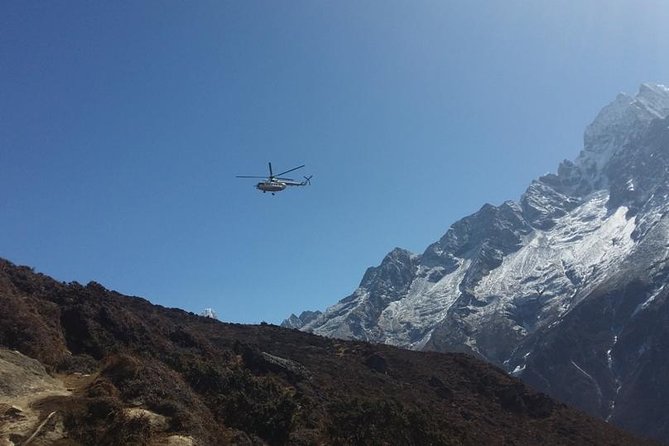
Day 4 takes you from Namche Bazaar to Tengboche at 3,867 m for about five hours. This is not a random stop. Tengboche is a spiritual and scenic waypoint on many Everest itineraries, and it is often where the trek feels more cinematic because your altitude is climbing and the surroundings open up.
The practical upside is pacing. Five hours is manageable, especially after the Day 3 acclimatization. The downside is obvious: you are still going higher every day now, and you need to keep your effort steady. Think “easy forward progress,” not “race the trail.”
More to compare around Kathmandu
- Private Kathmandu Sightseeing Tour | UNESCO World Heritage sites
★ 5.0 · 756 reviews - Kathmandu: 7 UNESCO Sites with Lunch
★ 4.8 · 744 reviews - Half day cooking class in Thamel kathmandu
★ 5.0 · 607 reviews - Everest Base Camp Trekking
★ 5.0 · 485 reviews
Days 5 and 6: Dingboche and Another Acclimatization Day
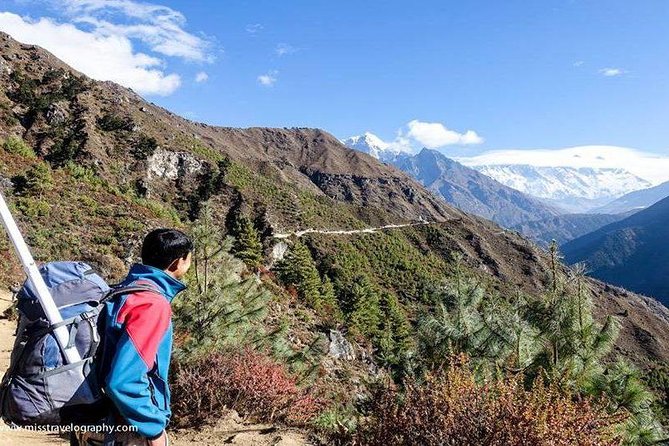
Day 5 climbs from Tengboche to Dingboche at 4,260 m in about five hours. Then Day 6 is another acclimatization rest day in Dingboche for about a full day, with breakfast, lunch, and dinner included.
This is where many trekkers feel the difference between “I’m trekking” and “I’m adapting.” At this elevation, the air feels thinner and sleep can get weird. Having a rest day here is a big quality-of-life factor, because you are not forced to rush through altitude markers back to back.
Also, this itinerary keeps adding up. After Dingboche, you are heading to much higher elevations. So these pauses are not “time off.” They are part of the safety plan built into the schedule.
Days 7-8: Lobuche, Gorakshep, and the Push Toward Everest Base Camp
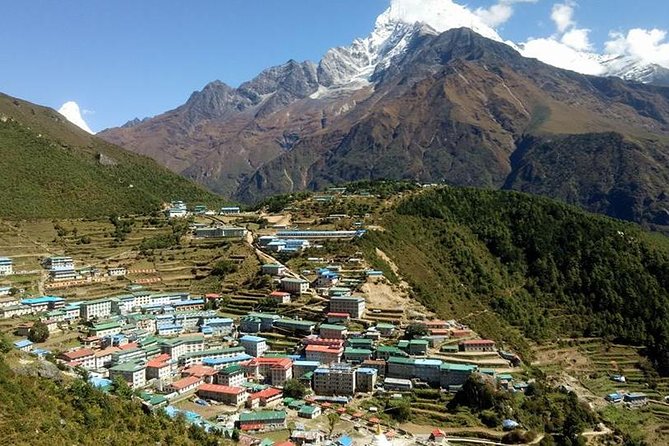
Day 7 moves from Dingboche to Lobuche at 4,930 m for about five hours. Day 8 is your major summit-style day in spirit: Lobuche to Everest Base Camp via Gorakshep, about six to seven hours with breakfast, lunch, and dinner included.
This is one of those days where your legs will work, but your mind may also run. You’ll be heading into the area where Everest Base Camp trekking becomes real, not just “a climb through villages.” Expect long, focused walking where the views become constant.
Gorakshep is the staging area. From the structure of this itinerary, you are not just day-tripping to Base Camp and heading back. You are building in time on the ground. That usually makes the experience feel more like a journey, not a quick photo stop.
Day 9: Kala Patthar at 5,545 m and the Descent to Pheriche
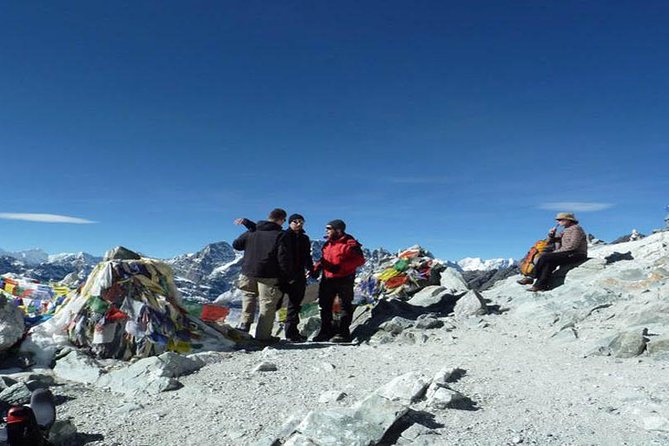
Day 9 is a two-part day. You go from Gorakshep to Kala Patthar at 5,545 m and then descend to Pheriche at 4,243 m for about seven hours.
Kala Patthar is a big one, and it is specifically noted here with a precise altitude. Even without adding extra promises, you can assume it is a strenuous, high-breathing climb. The practical benefit is that you are rewarded with an iconic vantage point, then you come down to reduce stress on your body.
The second part, the descent to Pheriche, is a smart move. After high altitude effort, dropping to a lower elevation helps you reset. This itinerary is built to keep Day 9 meaningful without leaving you stuck at extreme altitude for too long.
Days 10-12: Back Down to Namche and the Final Flight Home
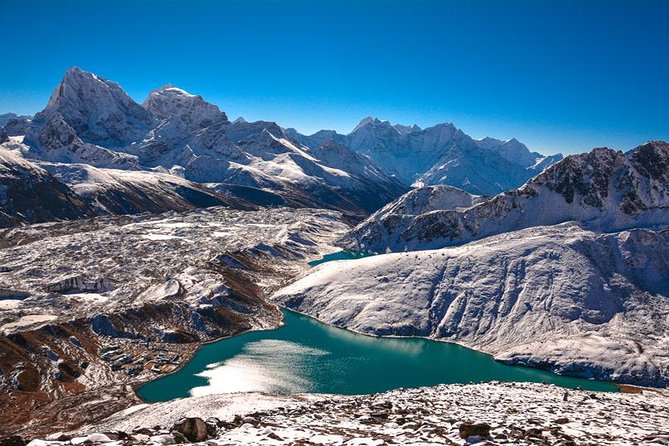
Day 10 brings you from Pheriche back to Namche Bazaar for about six hours. You will then overnight in Namche on the route. Day 11 goes from Namche Bazaar to Lukla for about six hours. Finally, Day 12 is a flight from Lukla to Kathmandu, then a transfer to your hotel with breakfast included.
This return plan is where many people feel relief. You have already crossed the hardest altitude steps and navigated the base-camp days. Now the goal is steady descent and safe travel.
One thing to keep in mind: even though it is “downhill,” your body can still feel beat up. Descents can stress knees and calves, especially when you are tired. The group schedule helps because you are not choosing your pace alone.
Value and Price: What $1,300 Really Buys You
At $1,300 per person for about 12 days, you are paying for more than a trail. This package includes domestic flight fare (Kathmandu to Lukla and back) with domestic airport tax, plus all domestic hotel or airport transfers by private vehicle.
It also includes:
- Lodges/tea house accommodations during the trek
- Breakfast, lunch, and dinner on the trek
- An experienced guide
- Salary, food, drinks, accommodation, transportation, and insurance for the guide
- Sleeping bag and down jacket and a duffle bag
- A trekking map (returned after the trek)
- Government taxes, VAT, and service charge
When I look at value like this, the big win is risk reduction. Flying to Lukla plus arranging accommodations and meals plus handling permits is a lot to coordinate. If you were doing this independently, you might save money on paper but you would spend time and mental energy, and you would own more of the planning risk.
Still, there are key things not included:
- Nepal entry visa (noted as $40 for 1 month) and you need two passport-size photos
- Travel insurance (compulsory)
- Hotel and food in Kathmandu
- Personal expenses and drinks
- Sweet things like chocolate and hot shower during the trek
- Tips for guide and staff
- Everest Base Camp entrance fee ($40 per person)
- Porter cost if you require one (listed as $20 per day, or $220 per person)
That last porter point is worth thinking about. The highlights say guides and porters are included. But the not included list also mentions porter cost if you need one. So you should clarify what your trek group actually provides day to day, and whether porter support is automatic or depends on how much you personally carry.
The Human Side: Guides, Patience, and Small Comforts
The reviews attached to this company are glowing on the human experience. The names that show up in feedback include Arjun, Kiran, and Dinish as guides. The themes are consistent: patient support, clear expectations set early, and thoughtful extras that make hard days feel more manageable.
One specific kind of detail stands out in the feedback style, like fresh fruit brought for dessert at night. It is not a deal-breaker compared with safety and logistics, but it is the kind of small comfort that reminds you that someone planned the human side too.
Also, the program includes emergency helicopter service arrangement that would be paid by your travel insurance company. That is an important safety backstop, especially because this trek requires good weather and domestic flights can get complicated.
Packing Reality Check: What’s Included vs What You Must Bring
This trek includes sleeping bag, down jacket, and a duffle bag, plus a trekking map you return after. That’s a meaningful cost and hassle saver, because winter-weight gear and bulky bags can be expensive if you try to buy or rent everything last minute.
But you still need to bring the rest of your essentials. The package does not list your personal items, so you should plan to pack for layered cold and daily trekking needs. The trek also calls out that hot showers and sweet extras like chocolate are not included, so set expectations.
If you are sensitive to cold at night, your sleeping bag should help, but you still want to be smart with layers and socks and gloves. The itinerary climbs to 5,545 m at Kala Patthar, so “light and optimistic” packing often gets punished.
Who Should Choose This Trek (and Who Might Be Happier Elsewhere)
This is described as suitable for travelers with moderate physical fitness. The trekking days are mostly in the five to six-hour range, with a couple heavier effort days like the Base Camp push and the Kala Patthar day.
This trek fits you best if you:
- Want a structured plan with lodges, meals, and transport handled
- Prefer having a guide and porter support so your job is to walk and acclimate
- Like the idea of a group trek with a limit of 14 travelers
You might hesitate if you:
- Get nervous about weather-dependent flights
- Know you want total independence and are comfortable planning permits, lodging, and logistics on your own
- Are budgeting very tightly, because several costs are not included, like Kathmandu hotel and meals, visa, insurance, Everest Base Camp entrance fee, and tips
Should You Book This Everest Base Camp Trek?
If you want Everest Base Camp with a smoother planning process, I think this package is a strong option. The included domestic flights, lodge accommodations, guides and porter support, and permit handling remove a lot of stress that can derail first-time Himalayan trekkers.
Book it if you can handle the reality that good weather is required, you have travel insurance, and you can budget for the extras that are not included like the visa, Kathmandu lodging, the Base Camp entrance fee, and tips. If that sounds manageable, this is the kind of organized, value-focused way to chase a big dream without turning your trip into a second job.
FAQ
Where does the trek start?
The start is at Tribhuvan Airport in Kathmandu, Nepal, with a start time listed as 6:15 am.
How long is the Everest Base Camp trek?
It is listed as approximately 12 days.
What is included in the price?
The price includes domestic flights (Kathmandu-Lukla-Kathmandu) with domestic airport tax, all domestic hotel or airport transfers by private vehicle, lodge accommodations during the trek, breakfast, lunch, and dinner during the trek, an experienced guide, and trekking gear including a sleeping bag and down jacket (plus a duffle bag and trekking map).
Are permits and paperwork included?
Yes. The trip description states that all paperwork and permits are taken care of.
How many nights in Kathmandu are included?
Four nights in Kathmandu are included, in addition to the trek accommodations.
Is a visa required?
Yes. The Nepal entry visa fee is not included, but the information notes you can get it upon arrival at Tribhuwan International Airport in Kathmandu. The visa cost is listed as 40 USD for one month, and you will require two passport-size photos.
Do I need travel insurance?
Yes. Travel insurance is listed as compulsory, and an emergency helicopter service is arranged and paid by your travel insurance company.
Is the Everest Base Camp entrance fee included?
No. The entrance fee is listed as 40 USD per person.
What about porter support?
A porter is not guaranteed in the included list for optional use. If you require a porter, it is listed as 20 USD per day, totaling 220 USD per person. The highlights also mention porters are included, so you should confirm what that means for your specific group.
What happens if the trip has to be canceled due to weather?
The experience requires good weather. If it is canceled due to poor weather, you will be offered a different date or a full refund.
What is the cancellation policy?
This experience is non-refundable and cannot be changed for any reason. If the minimum number of travelers is not met, you will be offered a different date or experience, or a full refund.
Latest Kathmandu write-ups
- Langtang Valley Trek★ 5.0 · 3 reviews
- Khopra Danda Trek★ 5.0 · 3 reviews
- Langtang Valley Trek from Kathmandu★ 5.0 · 3 reviews
- 5 night / 6 days Kathmandu Nagarkot Chitwan Pokhara tour★ 5.0 · 3 reviews
- Nepal Highlights Tour: 5 Nights 6 Days Kathmandu & Pokhara Tour★ 5.0 · 3 reviews
- Kathmandu Valley Private Day Tour★ 5.0 · 3 reviews
- Kathmandu Heritage Day Tour★ 5.0 · 3 reviews
- Conquer the Himalayas: The Ultimate 16-Day Annapurna Circuit Trek★ 3.5 · 3 reviews
Everest Base Camp Trek, compared.



Everest Base Camp Helicopter Tour landing at Everest View Hotel
Read our review →



Everest Base Camp Helicopter Tour landing at Hotel Everest View
Read our review →
Browse the lists this tour appears in