
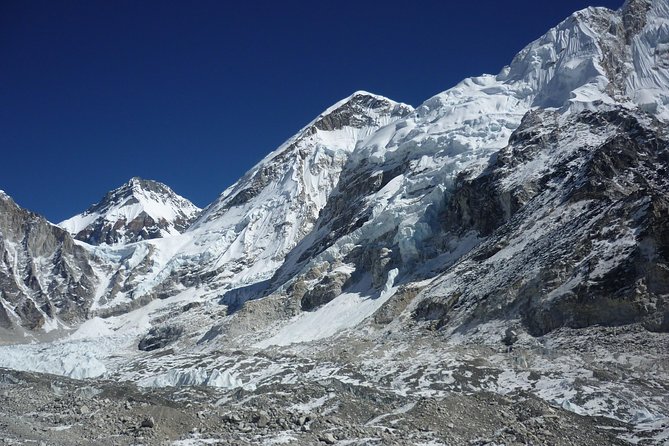
Reviewed · EVEREST BASE CAMP TREK
Everest Base Camp Trek 16 Days
Everest Base Camp is one of those treks where the scenery feels like it has gravity. You’re walking long enough to really notice the Himalaya changing with altitude, and you end up close to the action around the Everest icefalls and glaciers. I especially like the mix of scenery, rhododendron trails along the Dudh Koshi stream early on, then bigger and colder mountain drama as you approach the Everest area. The tradeoff is that even with a “moderate” label, this is still high-altitude trekking and it will test your legs and breathing if you’re not already hiking regularly.
I also like the human side of this trip. This is a private tour/activity, so it’s your group only, and that usually means the pace and support feel more personal than on a packed group tour. The reviews you provided point to a well-organized team, with managing director Mani mentioned often, and guides such as Binod Silwal praised for English, helpful food and overnight recommendations, and steady pacing.
Key highlights that make this Everest Base Camp trek worth your attention
- Close-up Everest views with a front-row seat to ice sheets, icefalls, and the falling cascades in the Everest area
- Dudh Koshi rhododendron scenery on the way in, with a pretty, colorful change of pace before the harsher heights
- A serious mountain sightline list, including Mt. Everest, Mt. Lhotse, Mt. Nuptse, Mt. Pumori, and also Ama Dablam, Thamserku, and Kusum Kanguru
- Private support and pickup, with private transportation arranged from Kathmandu
- A strong quality signal from the feedback summary you shared, including a 5-star rating and a 99% recommendation rate
- Guides who manage details, with Binod Silwal and Mani named in the reviews as part of what made the experience smooth
Everest Base Camp in 15 days, what you’re really signing up for
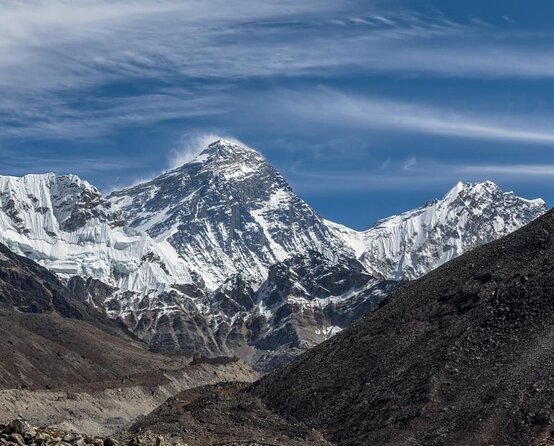
This trip is described as a moderate Everest Base Camp trek that runs about 15 days, with roughly 14 days of trekking. That “moderate” word matters, but it doesn’t mean easy. It usually means you don’t have to be a mountain athlete to participate, as long as you have a moderate physical fitness level and you can handle long walking days.
What makes this itinerary appealing is the way it’s framed: you’re not just hiking to say you got there. You’re walking in the Everest region long enough to absorb the changes, from lower valley trail vibes to the icy, dramatic zone near Everest. If you’re the type of traveler who likes to understand a place by slowly moving through it, this pacing makes sense.
And the payoff is specific. The trek summary calls out seeing Everest from the nearest point possible, plus surrounding peaks like Lhotse, Nuptse, Pumori, and the striking Ama Dablam. In practical terms, that means your camera breaks out often, and it also means your eyes keep working overtime because there’s always another peak showing up over your shoulder.
More ways to walk to Everest Base Camp:
- Everest Base Camp Trek – 14 Days
★ 5.0 · 1,499 reviews - Everest Base Camp Trek
★ 5.0 · 842 reviews - Everest Base Camp Helicopter Tour landing at Everest View Hotel
★ 5.0 · 668 reviews
Kathmandu launch: why private transport and pickup can be a big deal
Most people plan for the big part, the mountains. Then they get annoyed by the smaller stuff, like missed connections, confusing pickups, and last-minute scramble. This tour includes private transportation and offers pickup, which is one of the most underrated forms of “comfort” in a multi-day trek.
Starting in Kathmandu also gives you time to get your bearings in Nepal before you head into trekking mode. Since the information you shared says confirmation will be received at time of booking, you’re not left guessing forever about the logistics.
One more detail from your reviews that helps you plan mentally: at least some trekkers reported that the team helped coordinate their first flight to Lukla. That doesn’t mean every itinerary detail is listed in the “included” section you shared, but it does suggest the operator is used to helping guests connect smoothly to the trekking route.
Dudh Koshi rhododendron days: the part that makes the trek feel alive
The trek summary is very clear about the early scenery: you’ll follow trails along the Dudh Koshi stream, and you’ll be moving through areas with rhododendron blooms. This is a big deal because Everest treks often get marketed only as “cold and rocky.” Here, you get a more varied walk.
In day-to-day terms, a rhododendron-rich route usually means:
- You’re walking where the greenery and color can break up long visual monotony
- The air often feels less punishing in the lower zones
- You get a more gradual shift from forested paths to higher, colder terrain
If you like trekking that feels like travel, not just exercise, this is the section you’ll remember most fondly. It also helps your body mentally. When the trail looks softer, it’s easier to settle into your rhythm before the Everest-zone cold sets in.
The only consideration here is timing. The trek depends on good weather, and high-mountain conditions can change fast. Your experience provider notes you might need a different date or a full refund if the trek is canceled due to poor weather. So if you’re aiming for a specific seasonal moment, keep a flexible mindset.
The mountain lineup: Everest plus the peaks you’ll actually spot
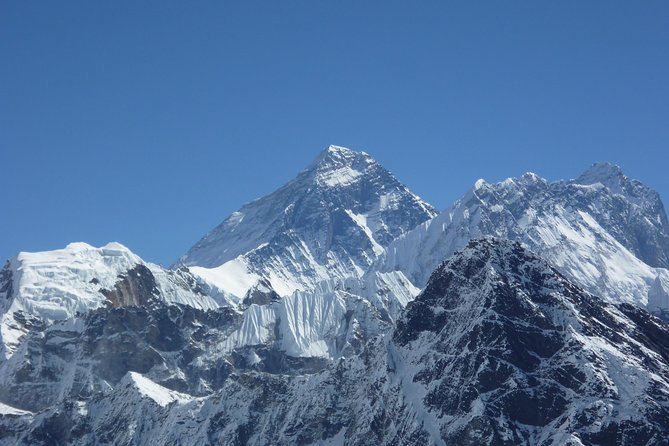
Everest Base Camp is about one mountain, but the view is about a whole neighborhood. The trek summary lists multiple peaks you’ll be able to see in the Everest region, including:
- Mt. Everest (8,848 m)
- Mt. Lhotse (8,516 m)
- Mt. Nuptse (7,855 m)
- Mt. Pumori (7,161 m)
- Mt. Ama Dablam (6,856 m)
- Mt. Thamserku (6,723 m)
- Mt. Kusum Kanguru (6,367 m)
When a trek includes a specific list like this, it usually means the route climbs enough to rotate your sightlines, so you’re not staring at just one wall of rock. I like that the mountains named are not random. They’re big enough that, when visibility is decent, they feel unmistakable.
Practical tip: on Everest treks, clouds are common, and views can be patchy. So you’ll want patience. If you get a day where the mountains are shy, that’s not failure, it’s normal. Focus on the trail experience first, the views second, and your day stays good even when the sky is stubborn.
More to compare around Kathmandu
- Private Kathmandu Sightseeing Tour | UNESCO World Heritage sites
★ 5.0 · 756 reviews - Kathmandu: 7 UNESCO Sites with Lunch
★ 4.8 · 744 reviews - Half day cooking class in Thamel kathmandu
★ 5.0 · 607 reviews - Everest Base Camp Trekking
★ 5.0 · 485 reviews
Approaching the Everest area: ice sheets, icefalls, and that big-feeling cold
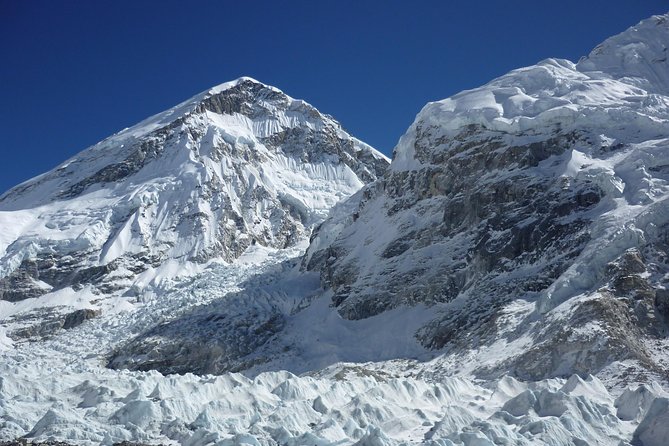
The trek summary calls out visiting ice sheets, icefalls, and the falling cascades in the Everest area. That’s the part that gives Everest treks their unique emotion. It’s not just “pretty peaks.” You’re watching a landscape that looks alive, moving, cracking, and shifting under its own rules.
What to expect in this section, based on how the trek is described:
- The terrain and surfaces can feel harsher as you get closer to the glacial zone
- The air gets thinner, so even small efforts feel heavier
- Your body pays attention more than your mind does
This is where having steady pacing matters. Your reviews name Binod Silwal and praise his ability to keep a good walking pace. That kind of pacing is not about speed. It’s about letting you climb in a way your body can handle, so the day doesn’t turn into a survival contest.
Also, because the experience provider says the trek requires good weather, the Everest-zone days depend heavily on conditions. If visibility is strong, this is where you’ll feel like you’re really near the Himalaya’s engine. If weather isn’t cooperating, your guide should be thinking about safe timing and realistic goals for what you can see that day.
Everest Base Camp day: the moment you came for, and how to protect it
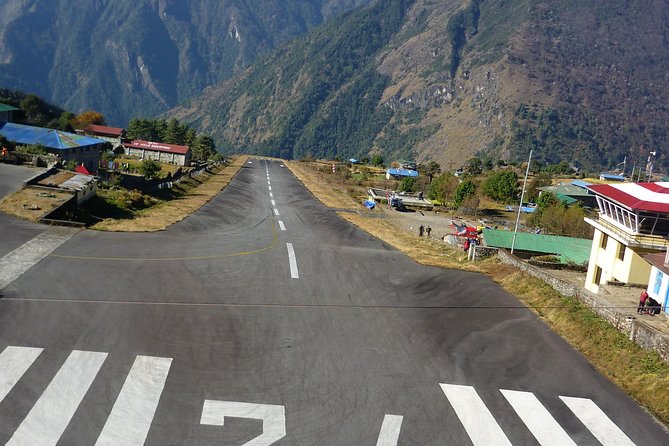
Reaching Everest Base Camp is the obvious goal. But the value of this trek is how you get there. Instead of treating the summit moment as a quick box check, this trek spends about 14 days walking through the Everest region first. That makes Base Camp feel less like an attraction and more like a finish line you’ve earned.
How to protect the moment:
- Keep your pace sensible in the days leading up to it
- Don’t waste your energy on unplanned detours
- Plan your gear so you’re not juggling layers while you’re trying to enjoy the view
One thing to remember: “difficult and daring” is not just marketing language in the trek summary. It’s a warning that this is physically serious. So if you’re going to treat Base Camp day like a celebration, do it with smart energy management, not a reckless burst.
And because the trek includes so many surrounding peaks in the description, your Base Camp experience is likely to feel like a panoramic show rather than a single-point view. You’re surrounded by mountain shapes and that “nearest point” idea becomes real when you see how huge Everest’s neighbors look from close range.
Meals and daily energy: lunch and dinner are not included
Here’s the one practical snag from your provided details: lunch and dinner are not included. Breakfast isn’t mentioned either way in the info you shared, so I’d plan your budget based on the clear exclusions: lunch and dinner.
What that means for your day-to-day:
- You’ll need to plan where and what you eat on trekking days
- You’ll want enough spending money for meals as you go
- Your guide and team can help with food choices, but the cost is on you
The reviews you shared are useful here. One reviewer praised Binod Silwal for recommending good food and overnight huts. That kind of guidance helps you eat better and sleep more comfortably, even if the meals themselves are not covered in the package price.
Guides and porters: the real difference between a trek and a slog
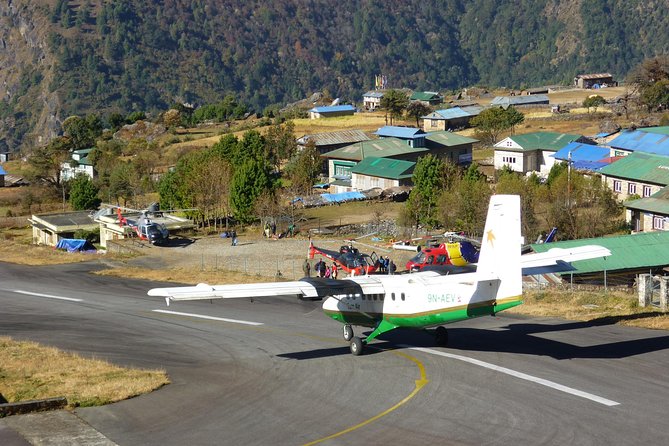
The trekking operator in your info shows up in the reviews as a team that actually manages details. Mani is named as managing director in multiple responses, and reviewers specifically thank the guides and porters for organization and pace.
Two guide-related points that stand out from the feedback you provided:
- Binod Silwal gets praise for being helpful with everything, including recommending good huts and food. A reviewer also noted his English and steady pace.
- Mani gets credit for being accommodating and for making the trip feel organized and supported.
This matters because Everest treks aren’t just about walking. They’re about decisions: how fast to go, when to rest, what food to choose, where to overnight, and how to respond when weather plays games.
If you want the experience to feel well-run, private trekking support helps a lot. And if you end up with a guide who sets a steady tempo, you’ll likely feel less beat up at the end of the day, even when the terrain is tough.
Price and value: is $1,538.47 a fair deal for Everest Base Camp?
The price listed is $1,538.47 per person. The tricky part is that “value” depends on what’s included versus what you’ll personally pay as you go.
From the information you provided:
- Included: private transportation
- Not included: lunch and dinner
- Pickup offered and the tour is private (your group only)
- The experience depends on good weather, with a reschedule or full refund if canceled for poor weather
So where does the value come from?
- Private transport and pickup reduce pre-trek headaches in Kathmandu.
- A private setup usually means fewer compromises on pace and support.
- The reviews highlight that guides and porters are a major part of what made the trek work well.
A fair way to evaluate the cost is to compare it to how much you’d spend on the same level of coordination on your own. Flights, transfers, and on-trail support can add up fast, and Everest adds extra complexity. If this package means you get a well-supported team handling the key logistics, the price can make sense.
One note: your included section only mentions private transportation. Some trekking expenses often vary by operator and season. So before you book, make sure you understand what you personally pay for on trail beyond lunch and dinner, especially if you want to budget tightly.
Who should book this trek, and who should rethink it
This is best for you if:
- You have moderate physical fitness and enjoy long walks
- You want a trek that mixes nature and high-altitude drama, not just a single scenery type
- You like having support and a private group setup
- You care about getting good guidance from a team on pacing and choices
You might think twice if:
- You’re new to hiking and want something truly easy
- You can’t handle altitude challenges, especially if you’re not used to trekking days
- You hate flexible plans, since the trek is weather dependent
The bottom line: if you’re ready for a serious hiking vacation, and you want your Everest Base Camp time to feel guided and organized, this fits.
Should you book Everest Base Camp with The Great Adventure Treks & Expedition?
Based on the details you shared, I’d call this a strong option if your priority is a well-run trek with private support, thoughtful pacing, and a real focus on the Everest region experience. The biggest practical plus is the combination of private transportation and pickup plus the guide- and team-driven quality reflected in the feedback you included, with names like Mani and Binod Silwal showing up for a reason.
The big caution is straightforward: be honest about your fitness and expect high-altitude trekking to challenge you. Also budget for lunch and dinner, since they’re not included.
If that all lines up with your style and comfort level, booking can be a very reasonable move for an Everest Base Camp trip that aims for the real thing, not just a quick photo stop.
FAQ
How long is the Everest Base Camp trek?
The trek is listed as about 15 days, with the trek portion described as around 14 days of walking in the Everest region.
Where does the tour start?
The location is Kathmandu, Nepal, and pickup is offered.
What is the price per person?
The price is $1,538.47 per person.
What is included in the price?
The only item listed as included is private transportation.
Are lunch and dinner included?
No. Lunch and dinner are listed as not included.
What fitness level do you need?
The information says travelers should have a moderate physical fitness level.
Is this a private tour?
Yes. It is a private tour or activity, and only your group participates.
What happens if the trek can’t run due to weather?
This experience requires good weather. If it is canceled due to poor weather, you’ll be offered a different date or a full refund.
Can I cancel for a full refund?
Yes. You can cancel up to 24 hours in advance for a full refund, and cancellations within 24 hours do not receive a refund.
Latest Kathmandu write-ups
- Langtang Valley Trek★ 5.0 · 3 reviews
- Langtang Valley Trek from Kathmandu★ 5.0 · 3 reviews
- Khopra Danda Trek★ 5.0 · 3 reviews
- 5 night / 6 days Kathmandu Nagarkot Chitwan Pokhara tour★ 5.0 · 3 reviews
- Nepal Highlights Tour: 5 Nights 6 Days Kathmandu & Pokhara Tour★ 5.0 · 3 reviews
- Kathmandu Valley Private Day Tour★ 5.0 · 3 reviews
- Kathmandu Heritage Day Tour★ 5.0 · 3 reviews
- Conquer the Himalayas: The Ultimate 16-Day Annapurna Circuit Trek★ 3.5 · 3 reviews
Everest Base Camp Trek, compared.



Everest Base Camp Helicopter Tour landing at Everest View Hotel
Read our review →


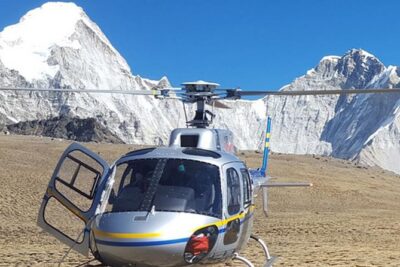
Everest Base Camp Helicopter Tour landing at Hotel Everest View
Read our review →
Browse the lists this tour appears in