
Reviewed · EVEREST BASE CAMP TREK
Everest Base Camp Trekking – 13 Days
Everest Base Camp is interesting because you get the full “Everest story” in one trek, from Lukla’s scramble of rooftops to the big views from Kala Patthar. What I like most is the structured acclimatization rhythm built into the route, and the licensed guide plus assistant sherpa and porter support that keeps the whole thing from feeling like you are winging it.
One real consideration: Lukla flights can be weather dependent. Even when everything is planned, delays and cancellations can happen, so you should build in extra time and keep your expectations flexible.
Key things to know before you go
- 13 days on the classic Everest Base Camp route, with acclimatization built into multiple stops
- Guide plus assistant sherpa and porter support (1 for 2 trekkers), which matters at altitude
- TIMS card, route maps, NAT t-shirt, and certificate included as part of the package
- Meals are mostly covered (12 breakfasts, 11 lunches, 12 dinners) so you can focus on the hike
- Optional gear supply (sleeping bag, down jacket, duffel bags) if you need it
- Max group size of 26, which helps the trek feel manageable
Everest Base Camp in 13 days: the real value behind the classic route
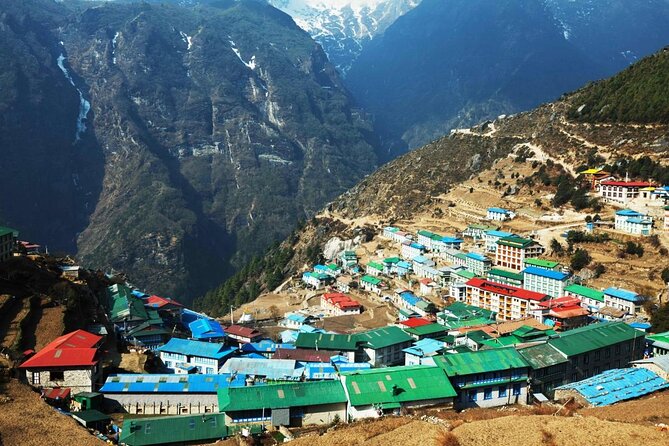
If you are chasing Everest Base Camp, you probably already know the famous milestones: Lukla, Namche Bazaar, Tengboche, Dingboche, Gorakshep, Everest Base Camp itself, then Kala Patthar for that early-morning payoff. This trek is popular for a reason. You do not just walk uphill. You move through Sherpa villages, monastery stops, and high-altitude acclimatization in a way that is meant to keep you functioning, not just suffering.
The best value here is not a single viewpoint. It is the way the days are paced. You reach Namche Bazaar, then you do a proper altitude day at Khumjung. Later you add another acclimatization day at Dingboche before you push higher. That pacing matters because altitude is not negotiable, and your “schedule” is really your body’s schedule.
You’ll also notice the route sticks to lived-in trails. You pass suspension bridges, pine forests, and rhododendron areas, and you spend time at village hubs rather than only walking through empty stretches. That means you get more than “a hike with a destination.” You get context, daily rhythm, and places to reset.
More ways to walk to Everest Base Camp:
- Everest Base Camp Trek – 14 Days
★ 5.0 · 1,499 reviews - Everest Base Camp Trek
★ 5.0 · 842 reviews - Everest Base Camp Helicopter Tour landing at Everest View Hotel
★ 5.0 · 668 reviews
Price and logistics: what $1,697.37 actually covers
At $1,697.37 per person, you are paying for more than a human being leading you on a path. You are buying a package that includes the stuff that usually gets messy on your own: guides, paperwork, meals, and a lot of the behind-the-scenes coordination.
Here is what I’d call the practical value in the inclusions:
- Fully licensed qualified trekking guide and assistant sherpa, plus porter service with a ratio of 1 porter for 2 trekkers. That is huge. Less weight on your back makes the climb to altitude towns more realistic.
- TIMS card plus all government and local taxes. These are not glamorous, but they protect you from the common “permit scramble” problem.
- Meals are included for most days: 12 breakfasts, 11 lunches, and 12 dinners. This reduces the mental load. At altitude, planning what to eat every day can become its own job.
- A first aid medical kit on the trek. This is the kind of inclusion you hope you never need.
- Route maps, plus an NAT t-shirt and certificate of appreciation. Small stuff, but it makes the trip feel officially handled.
What you should budget beyond the package is also clear:
- Extra drinks, alcoholic and non-alcoholic, are not included.
- Travel and rescue insurance is not included.
- Tips to guide and porters are not included.
If you want a rough way to think about the value: the trek would be hard to replicate for less money once you factor in guide time, porter ratio, meals, and the local permits. The price is not just “leading.” It is logistics plus daily support.
Kathmandu start point: where this trek begins and how it ends
This trek is based out of Kathmandu, starting at Nepal Adventure Team Pvt. Ltd, Amrit Marg 26, Kathmandu 44600, Nepal. You are also told pickup is offered, and the activity ends back at the meeting point. You will keep things simple: no need to solve transportation puzzles at the start or end.
Why this matters: with an EBC trek, the first day is often where plans break. You want a company that has a clear Kathmandu handoff, because you’ll want your gear sorted, your group organized, and your questions answered before you head to Lukla.
Also, keep in mind the program notes you will get confirmation at booking. That matters because the real EBC headache is sometimes timing, not the hike.
The Lukla flight reality check (and how to plan like a grown-up)
The trek begins with a flight to Lukla, then you start hiking. For most people, Lukla is the point where excitement meets stress. The altitude is real, but the logistics are also real.
The program is upfront about the weak link: bad weather can delay or cancel flights to and from Lukla. It says it is very likely this happens even in the best season, so you should plan with buffer time, typically a day or two extra in your schedule.
My advice is to treat Lukla like a “maybe day,” not a “sure thing day.” If you have tight work commitments at the end of your trip, you are setting yourself up for a scramble. If you have flexibility, you will enjoy the trek more because you are not constantly checking your phone and stressing over the next move.
More to compare around Kathmandu
- Private Kathmandu Sightseeing Tour | UNESCO World Heritage sites
★ 5.0 · 756 reviews - Kathmandu: 7 UNESCO Sites with Lunch
★ 4.8 · 744 reviews - Half day cooking class in Thamel kathmandu
★ 5.0 · 607 reviews - Everest Base Camp Trekking
★ 5.0 · 485 reviews
Lukla to Phakding: first legs on the Dudhkoshi corridor
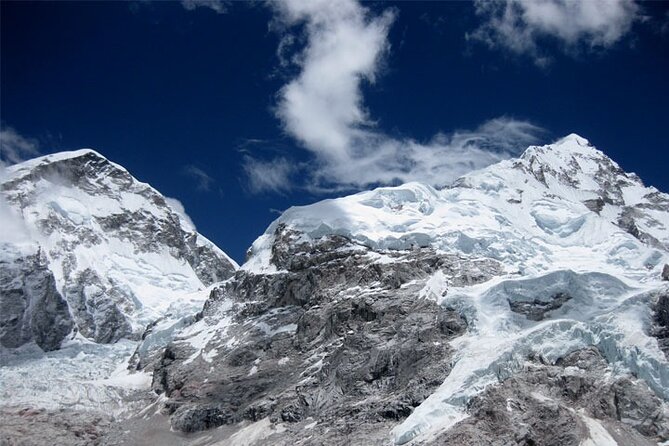
The first hiking day takes you from Lukla to Phakding village. It is described as an easier start, roughly four hours, with walking along the Dudhkoshi river and crossing a suspension bridge. You also visit monasteries and villages along the way.
This day is important because it is your “gear test.” Your boots, your breathing rhythm, and your packing choices get evaluated by your body whether you planned for it or not. The good news is this first stretch is meant to ease you in.
If you like small cultural details, this is where you get them. Monastery visits and village scenes help you settle into Nepal’s everyday life before altitude gets the spotlight.
Namche Bazaar day: Tengjing Hillary bridge, pine forest, and the climb up
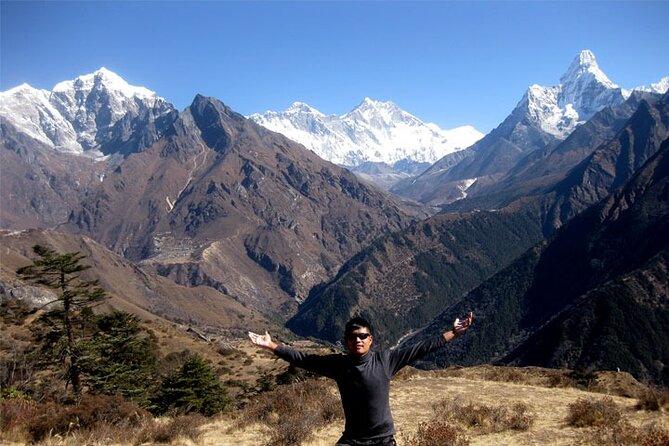
Day two moves you toward Namche Bazaar, often called the gateway to the Everest region. The program notes crossings of suspension bridges, including the Tengjing Hillary bridge, plus walking through river and pine forest.
It is about five hours in this version, and it is one of those days where you feel altitude even if you are not at high elevations yet. The climb up to Namche is gradual enough to keep moving, but you’ll notice your pace needs to slow down compared to lowland walking.
Namche is also where you start to feel the “trekking infrastructure.” You get the sense that people come here to trade news, repair gear, and rest before pushing higher. Even if you do not shop, it is a useful place to observe how a high-altitude community runs.
Khumjung acclimatization: viewpoint stops and monastery energy
Instead of going higher immediately, this trek builds in an acclimatization day at Khumjung. You hike up to Khumjung Village and you visit the national park headquarters office, plus a viewpoint of Everest.
Then you spend time around Khumjung, which gives you altitude practice without rushing the “big push.” This is the day where you learn how your body behaves when you go higher but your schedule is still controlled.
This stop also adds depth to your trip. You are not just stacking elevation. You are moving through Sherpa culture and Sagarmatha National Park context, and those viewpoint moments help you connect the scenery to the actual goal.
Tengboche Gompa and the wildlife stop you might actually spot
From Namche, you head to Tengboche Gompa. The day is listed around five hours, with pine forest walking and a stop at one of the region’s best-known monastery settings: the biggest monastery at Tengboche.
A practical detail here: the monastery day is noted as included, so you are not left wondering about entry fees or timing. You also get a chance for wildlife spotting in the program notes, including Himalayan Thar and musk deer.
Could you see them? Maybe. Could you just enjoy the setting and the mountain air? Also yes. Either way, Tengboche is one of those places where your brain quiets down. You start looking at the ridgelines with more focus.
Pangboche to Dingboche: monastery vibe, then a key acclimatization day
You continue to Pangboche, crossing a river and visiting Pangboche Monastery. You then overnight in Dingboche.
The next day is an acclimatization day at Dingboche, and you hike to Nakarjun Peak. The schedule labels this as a short hike, and that is exactly what you want: movement without overreaching.
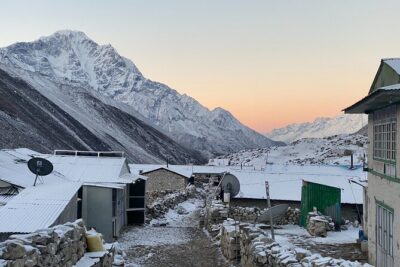
Why these days matter: the Everest region punishes “fast and careless.” Dingboche is where most trekkers start feeling the altitude as more than a number. Your goal becomes steady effort, not speed.
You’ll likely notice how meals and hydration feel more important than normal. With a good support crew, you can keep your routine consistent, and consistency is what makes acclimatization work.
Dingboche to Lobuche: the push toward Gorakshep feels different
Next you hike to Lobuche, crossing Thukla village. This is listed as about five hours.
This stage starts to feel more serious because you are edging closer to the Everest Base Camp approach. The terrain can feel tougher, and the air can feel sharper. Your body might also get less interested in long conversations and more interested in steady steps.
This is a good time to lean on the benefits of the porter support. If your load is reasonable, you can focus on the hike itself instead of micro-managing your backpack balance.
Gorakshep and Everest Base Camp: the day you remember for life
The trek then reaches Gorakshep, and you take lunch before visiting Everest Base Camp. The schedule calls out a short time for parts of this day, but the bigger point is the flow: get to Gorakshep, eat, then go to base camp.
Everest Base Camp is not just a destination. It is a checkpoint where you understand what you have been working toward. You might feel emotional. You might feel tired. You will probably feel both.
Also, Gorakshep is high and exposed. This is where warm clothing choices matter. The program includes optional gear supply, like a down jacket and sleeping bag option if you need it, which can help if you do not already have the right layers.
Kala Patthar early morning: why people wake up for it
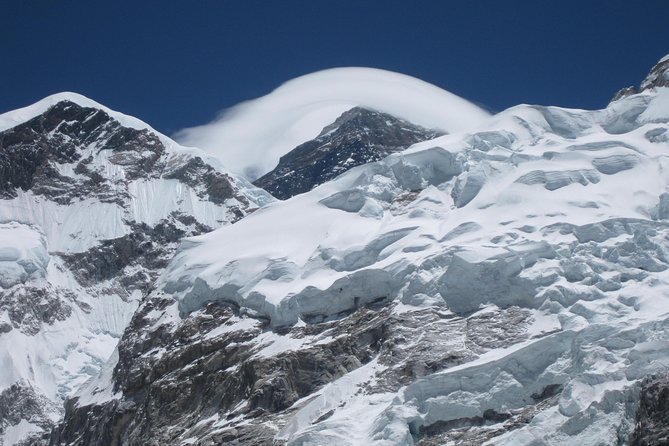
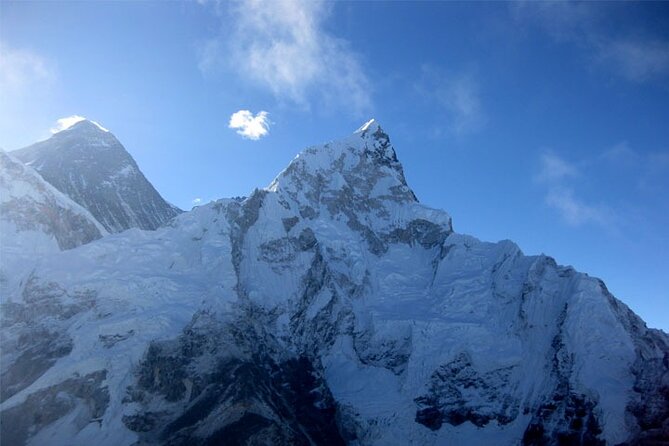
The next day is the famous early start to Kala Patthar, then trekking back to Pheriche. The goal here is the viewpoint payoff. Kala Patthar is the kind of hike that makes people say the trek was worth it, because the views are dramatic and the timing matters.
This is also one of those “listen to your leader” days. Go slow, keep moving, and don’t chase other people’s pace. The whole acclimatization structure you followed up to this point gives you a better chance to enjoy the sunrise effort rather than turn it into a survival grind.
The descent back: Namche, Lukla, and Kathmandu again
After Kala Patthar and returning to Pheriche, you trek back to Namche Bazaar, then continue down toward Lukla. Finally, you make it back to Kathmandu where the activity ends back at the meeting point.
Descending is usually easier on the lungs but not always on the knees and ankles. With treks like this, your legs can feel battered even after the highest altitude segment is done. I like that the return is included in the program, because you keep the same structure instead of trying to piece together last-minute decisions.
By the time you hit Kathmandu again, you can finally exhale. You also get a clear “finish line” feeling because the trip is not a one-way adventure with loose ends.
Your guide and sherpa crew: why professionalism matters above 5,000 meters
One of the most praised parts of this operator’s EBC experience is how organized and helpful the team is on the ground. Names like Jeeban show up as the kind of guide who keeps things clear, and Sizon has been credited as a key organizer for smooth trip planning for groups.
That is not just nice to hear. On an EBC trek, your success depends on details: timing, meal consistency, pacing advice, and how you respond if the weather turns or someone needs extra help.
The trek includes a fully licensed, qualified trekking guide, an assistant sherpa, and porter service (1 for 2 trekkers). In practical terms, that support system helps you manage the daily grind so you can focus on walking, acclimatizing, and enjoying the places you reach.
What you should pack and what you can leave for the crew
The program provides optional supply if necessary, including a sleeping bag, down jacket, and duffel bags (to be returned). That is a real help if you travel light or if you do not want to buy cold-weather gear for one trip.
But you still need to handle your own “core kit.” You are walking for many hours across changing altitudes and weather. Plan for cold mornings, warm afternoons, and possible wind around the higher camps.
If you are unsure what counts as essential, ask before you go. Optional rentals can reduce cost and baggage stress, but only if you confirm timing and sizes in advance.
Who this Everest Base Camp trek is best for
This is a good fit for you if:
- You want the classic Everest Base Camp route with multiple acclimatization steps.
- You have moderate physical fitness and can handle daily walking on uneven trails.
- You value strong local support, including a guide, assistant sherpa, and porter help.
- You prefer a structured plan over DIY decision making, especially with Lukla flight variability.
It is less ideal if you are looking for a luxury trip or a zero-stress schedule with guaranteed transport. The EBC region has a real weather and altitude reality. This trek is built to manage that, but it can’t erase it.
Should you book this Everest Base Camp trek with Nepal Adventure Team?
Book it if you want a well-supported, classic 13-day Everest Base Camp trek where the big moving parts are handled: licensed leadership, TIMS card, meals, porter support, and acclimatization days. The structure is the selling point, not just the summit dream.
Do not book it if you cannot handle schedule flexibility around Lukla. You are warned that flights can delay or cancel due to weather, and the trek can require extra buffer time.
If you are ready to commit to pacing, acclimatization, and steady effort, this is the kind of EBC setup that lets you enjoy the journey, not just survive it.
FAQ
How long is the Everest Base Camp trek?
The trek is listed as 13 days (approx.).
Where does the trek start and end in Kathmandu?
It starts at Nepal Adventure Team Pvt. Ltd, Amrit Marg 26, Kathmandu 44600, and it ends back at the same meeting point. Pickup is also offered.
What group size should I expect?
The maximum group size is 26 travelers.
What meals are included?
The package includes breakfast (12), lunch (11), and dinner (12).
How many guides and porters are included for each trekker?
You get a fully licensed trekking guide and an assistant sherpa, plus porter service with a ratio of 1 porter for 2 trekkers.
Is the TIMS card included?
Yes. The TIMS card (Trekkers Information Management System) is included.
Do they provide trekking gear if I do not have it?
Optional supply is available if necessary, including sleeping bag, down jacket, and duffel bags, and these items are to be returned.
What should I do if my Lukla flight is delayed or canceled?
The program notes that flights to and from Lukla may be delayed or canceled due to bad weather. It recommends planning for an extra day or two.
What is the cancellation policy for a full refund?
Free cancellation is offered. You can cancel up to 24 hours in advance for a full refund. If you cancel less than 24 hours before the start time, the amount you paid will not be refunded.
Latest Kathmandu write-ups
- Langtang Valley Trek★ 5.0 · 3 reviews
- Langtang Valley Trek from Kathmandu★ 5.0 · 3 reviews
- Khopra Danda Trek★ 5.0 · 3 reviews
- 5 night / 6 days Kathmandu Nagarkot Chitwan Pokhara tour★ 5.0 · 3 reviews
- Nepal Highlights Tour: 5 Nights 6 Days Kathmandu & Pokhara Tour★ 5.0 · 3 reviews
- Kathmandu Valley Private Day Tour★ 5.0 · 3 reviews
- Conquer the Himalayas: The Ultimate 16-Day Annapurna Circuit Trek★ 3.5 · 3 reviews
- Kathmandu Heritage Day Tour★ 5.0 · 3 reviews
Everest Base Camp Trek, compared.

Everest Base Camp Helicopter Tour landing at Everest View Hotel
Read our review →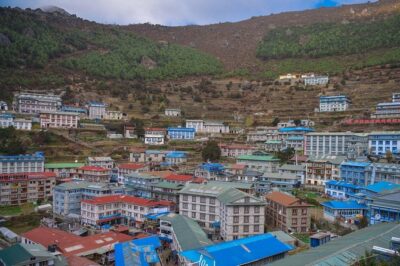
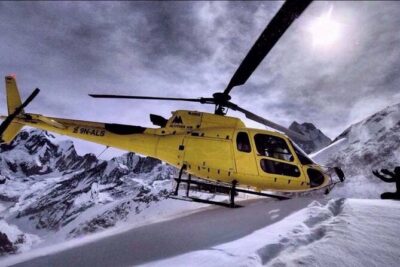
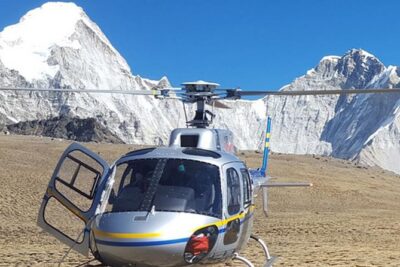
Everest Base Camp Helicopter Tour landing at Hotel Everest View
Read our review →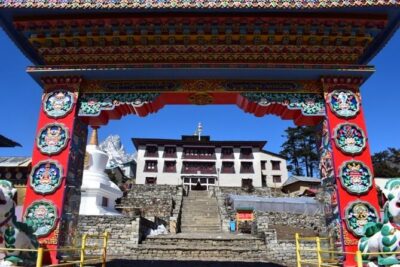
Browse the lists this tour appears in