
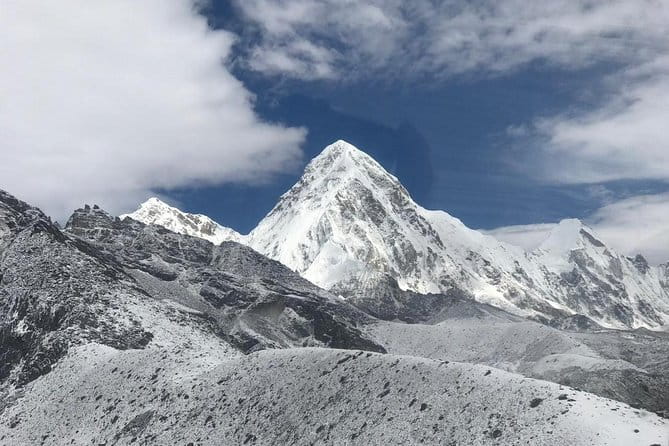
Reviewed · EVEREST BASE CAMP TREK
Everest Base Camp trek 14 days
Everest Base Camp is the kind of goal that sounds simple until you picture the logistics. This trek is interesting because it strips away a lot of the planning stress, so you can focus on altitude, pacing, and the views.
I especially like the low-friction setup: airport transfers, Kathmandu and Lukla flights, and accommodations for a full stretch are handled for you. I also like the meal plan clarity, since breakfast, lunch, and dinner are built into the trekking days listed in the itinerary.
One drawback to consider, like with any EBC trip, is that flights and schedules are tied to Lukla. Even with a well-run plan, weather and mountain conditions can affect how things unfold, so you’ll want a flexible mindset.
Key highlights I’d bookmark first
- Lukla flight coordination with round-trip flights Kathmandu to Lukla and back
- Sleeping bag and down jacket provided if you need them
- Most meals included with daily breakfast, lunch, dinner during trek days
- Accommodations planned for 13 nights, from Kathmandu into trekking lodges
- Small group size, up to 18 travelers for a more controlled experience
- Farewell dinner and cultural show to close the trip on a high note
What makes this Everest Base Camp trek feel low-stress
If you hate logistics, this is the sort of itinerary you’ll appreciate. You get picked up and dropped off around Kathmandu, plus transport by A/C car and tourist deluxe bus where needed, and then guided trekking days with lodging lined up.
Another smart part is that the trek comes with paperwork and administration covered. You’re given the essentials like the TIMS card and the trekking permit included, so you are not trying to figure out forms after you arrive. On top of that, there’s first aid medicine support and even a T-shirt plus a trip achievement certificate.
The real value is that you’re paying for “someone else to handle the moving parts.” At $1,380 per person, it can be a good deal compared to piecing things together, but only if you stay within what’s truly included and budget what’s not.
More ways to walk to Everest Base Camp:
- Everest Base Camp Trek – 14 Days
★ 5.0 · 1,499 reviews - Everest Base Camp Trek
★ 5.0 · 842 reviews - Everest Base Camp Helicopter Tour landing at Everest View Hotel
★ 5.0 · 668 reviews
Kathmandu arrival, city night setup, and Day 1 to Day 2
Your trip starts in Kathmandu, with airport pick-up and a standard hotel in twin sharing, breakfast included. This matters because the first night in Nepal is where you’ll either feel organized or jet-lagged and confused.
Day 2 is your launch point: you fly Kathmandu to Lukla (about 40 to 45 minutes), then trek from Lukla to Phakding. The walk is listed at around 3 to 4 hours, landing at about 2,640 meters. It’s not a hard day, but it’s the moment where the whole thing becomes real.
Practical tip: treat this first trek day like a warm-up, not a training run. The goal is to get your legs moving and your breathing steady before you start climbing toward Namche.
Lukla to Phakding: a gentle first taste of the route
Phakding is a classic early stop on the way to Everest Base Camp, and it’s a good place to settle into the rhythm of lodge trekking. You’ll have breakfast, lunch, and dinner included on trekking days, so you’re not hunting for meals while you’re still adjusting.
The short-ish trek time is also useful psychologically. After the flight, your system is still catching up. A 3 to 4 hour start lets you adjust without feeling punished.
On the downside, you should still expect basic lodge conditions. You’re in trekking country, not a hotel complex, so pack for cold nights and simple comforts.
Namche Bazaar acclimatization, plus the big jump in altitude on Day 3 and Day 4
Day 3 takes you from Phakding to Namche Bazaar. It’s listed as around 5 to 6 hours, and it’s a notable altitude shift to 3,440 meters. This is the part of the trek where you can feel the altitude start to matter, even if you’re moving slowly.
Day 4 is acclimatization in Namche Bazaar, with meals included. You’ll be at Namche long enough to let your body catch up, which is the point of these “stay put” days. They’re not wasted time. They often decide whether you feel strong later in the week.
What I like here is that the itinerary doesn’t just “go up, up, up.” It gives you a structured recovery window, and that helps you avoid the classic mistake of rushing.
More to compare around Kathmandu
- Private Kathmandu Sightseeing Tour | UNESCO World Heritage sites
★ 5.0 · 756 reviews - Kathmandu: 7 UNESCO Sites with Lunch
★ 4.8 · 744 reviews - Half day cooking class in Thamel kathmandu
★ 5.0 · 607 reviews - Everest Base Camp Trekking
★ 5.0 · 485 reviews
Tengboche to Dingboche: religious stop, then high-altitude breathing tests
Day 5 is your trek to Tengboche, around 6 to 7 hours, reaching about 3,860 meters. Tengboche is a major spiritual stop on this route, and it usually comes with that morning-and-evening stillness you don’t get on busier trails.
Then Day 6 brings a Dingboche acclimatization. The plan keeps you at about 4,410 meters, and you’ll have breakfast, lunch, and dinner included. Dingboche’s altitude is where many people realize they need to respect their pace.
Day 7 is another trek day to Dingboche, listed at 4,410 meters as well and around 5 to 6 hours. The way the itinerary is laid out suggests more than one segment around this zone, which is common on EBC routes. Practically, expect walking days that are manageable if you keep your effort calm and steady.
A useful mindset: in this altitude band, slow walking often feels like the only plan. You are saving energy for Kalapatthar and Everest Base Camp later.
Lobuche and Gorakshep: setting yourself up for Everest Base Camp on Day 9
Day 8 is the trek to Lobuche, around 5 hours, reaching about 4,910 meters. This is a step up into colder, harsher conditions, and your body will likely be more sensitive to exertion than earlier days.
Day 9 is the centerpiece: you trek to Everest Base Camp, then head back toward Gorakshep (about 5,200 meters). The itinerary lists Day 9 as “Everest Base Camp then back to Gorakshep,” which is exactly what you want. You get the big moment, but you also keep your sleep base where the next morning climb makes sense.
If you’re wondering how it will feel, plan on a mix of excitement and fatigue. Base Camp is special, but it’s still at high altitude, and the climb to it is not a stroll.
Practical pacing: keep your breathing quiet and steady. The fastest way to ruin a day is to “spike” your effort when you see other trekkers moving faster.
Kalapatthar on Day 10: the steep reward day and the long descent to Periche
Day 10 is a full combo day. You hike to Kalapatthar, listed at about 5,550 meters (around 2 hours 30 minutes), then trek down to Periche around 4,200 meters for about 7 hours.
This is one of those days where the hard part is not just altitude, it’s time on your feet. You’ll likely work harder than you expect, then keep going downhill afterward, which can strain tired legs.
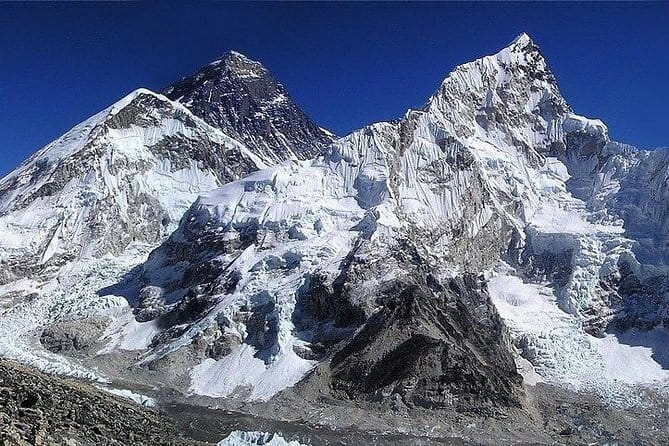
Still, Kalapatthar is the classic viewpoint in this area because the effort tends to match the payoff. The altitude hike is difficult, but it’s the kind of challenge that feels worth it when you’re standing there.
A simple trick: eat and drink on schedule during the morning hike. When you’re climbing high, “forgetting” to drink is not a cute personality quirk. It catches up fast.
The return: Periche to Namche to Lukla, then back to Kathmandu
Day 11 is the trek back to Namche Bazaar, listed at about 6 hours, reaching 3,441 meters. This is your “you did it” day. Even though it’s downhill and easier than climbing, your body still remembers the altitude.
Day 12 is the trek to Lukla, about 7 hours. That’s a longer walk than some people expect after days of high-altitude trekking. The good news is that you’re descending in elevation, even if it still feels like work.
Day 13 is your flight back to Kathmandu, then Day 14 wraps things up with a farewell and departure. This is when the emotional reset hits. The mountains are done, but you still have to go back to normal life where Wi-Fi is not a luxury, it’s the default.
Farewell dinner and cultural show: the real human touch at the end
One of the included elements that I think matters is the cultural show and farewell dinner. You’re not only treated to the physical trek. You also get a structured way to close the chapter and share the moment with your group.
Also, you’ll be carrying home more than photos. When you spend days with a guide and trekking crew, you end up learning how people live, work, and support travelers in this region. The end program is a good chance to feel that connection instead of just leaving quietly.
Price and what you truly get for $1,380
The price is $1,380 per person, and it includes a lot of the expensive hassle: Kathmandu and Lukla flight tickets, airport pick up and departures, lodging, trekking lodge stays, and most meals on trekking days.
It also includes the permits and management side: TIMS and trekking permit, plus guide salary and guide insurance. The sleeping bag and down jacket are included for those who need them, and that can be a big cost-saver if you don’t already own cold-weather gear.
What’s not included is equally important for budgeting. You’ll pay for extra meals in Kathmandu, personal expenses and bar bills, tour entrance fees, your international flight, travel insurance, and tips for the trekking crew. If you forget travel insurance, that’s not just a money detail. It’s the one “boring” purchase that matters most when something goes wrong at altitude.
My take on value: this price makes sense if you want structure and don’t want to negotiate logistics mid-trip. If you love doing everything yourself, you might find cheaper routes, but you’ll also take on more uncertainty.
Guides, crew, and equipment details that affect how comfortable you feel
This trek runs with a guide, and the itinerary includes guide accommodation and meals, plus guide insurance. That’s not just paperwork. It’s a signal that there’s staffing behind the scenes and not just a one-person handoff.
In the feedback, people repeatedly highlight strong organization and safety awareness, with names like Suresh and Sobit showing up, and sherpa Pasang being mentioned in connection with Everest summit experience. You should still confirm roles and expectations when you book, but it’s a good sign that real leadership is part of the package.
Gear-wise, the sleeping bag and down jacket being provided (if you need them) can be a game-changer. Cold nights at high altitude are no place to discover your gear is inadequate.
One more detail I like: there’s first aid medicine item included. That doesn’t replace common sense or medical care, but it helps you feel less exposed.
Who this Everest Base Camp trek suits best
This is built for people with moderate physical fitness who want an organized plan. You’ll be trekking multiple days with altitude gains and at least one long, demanding day to Kalapatthar and back down.
If you’ve got limited time to plan, or you don’t want to manage permits and transport, this will feel like a relief. If you enjoy training hard and going ultra fast, this itinerary may feel too structured and slow, but that’s usually a benefit at altitude.
It also helps that the group cap is 18 travelers, which tends to keep the experience more manageable than giant groups.
Should you book this Everest Base Camp tour?
Book it if you want a structured EBC trek where most meals, permits, lodging, and key logistics are handled. The added value of sleeping bag and down jacket support can also make the overall trip easier to budget.
Consider a different option if you want to fully customize every day, or if you already have all cold-weather gear and prefer self-arranged permits and trekking logistics. Also keep your expectations realistic about Lukla flights, because mountains and weather do not care about your calendar.
If you do book, do two things: pack for cold and stick to a conservative pace. You’ll enjoy the climb more, and you’ll give your body the best chance to feel good at Kalapatthar and Base Camp.
FAQ
Where does the trek start and what is the meeting point?
The experience starts in Kathmandu, with the meeting point in Kathmandu Valley, Bagmati Zone, Central Region. Airport pick up and departures in Kathmandu are included.
What flights and transportation are included?
You get Kathmandu to Lukla and Lukla back to Kathmandu flight tickets included, plus airport pick up and departures. During trips, transportation by A/C car and tourist deluxe bus is included.
What gear is included for cold weather?
A sleeping bag and down jacket are included if you need them for the trek. You can also expect a first aid medicine item.
What meals are included during the trek?
During the trekking days listed, you receive breakfast, lunch, and dinner (B.L.D). Extra meals in Kathmandu are not included.
What type of lodging should I expect?
You’ll stay in a standard hotel in Kathmandu on a twin sharing basis with breakfast, and you’ll use trekking lodges during the trek.
Are permits included?
Yes. The trekking permit and TIMS card (Trekking Information Management System) are included.
Is there free cancellation?
Yes, there is free cancellation. You can cancel up to 24 hours in advance of the experience’s start time for a full refund. If you cancel less than 24 hours before, the amount you paid is not refunded.
Latest Kathmandu write-ups
- Langtang Valley Trek★ 5.0 · 3 reviews
- Langtang Valley Trek from Kathmandu★ 5.0 · 3 reviews
- Khopra Danda Trek★ 5.0 · 3 reviews
- 5 night / 6 days Kathmandu Nagarkot Chitwan Pokhara tour★ 5.0 · 3 reviews
- Nepal Highlights Tour: 5 Nights 6 Days Kathmandu & Pokhara Tour★ 5.0 · 3 reviews
- Kathmandu Valley Private Day Tour★ 5.0 · 3 reviews
- Kathmandu Heritage Day Tour★ 5.0 · 3 reviews
- Conquer the Himalayas: The Ultimate 16-Day Annapurna Circuit Trek★ 3.5 · 3 reviews
Everest Base Camp Trek, compared.



Everest Base Camp Helicopter Tour landing at Everest View Hotel
Read our review →


Everest Base Camp Helicopter Tour landing at Hotel Everest View
Read our review →
Browse the lists this tour appears in