
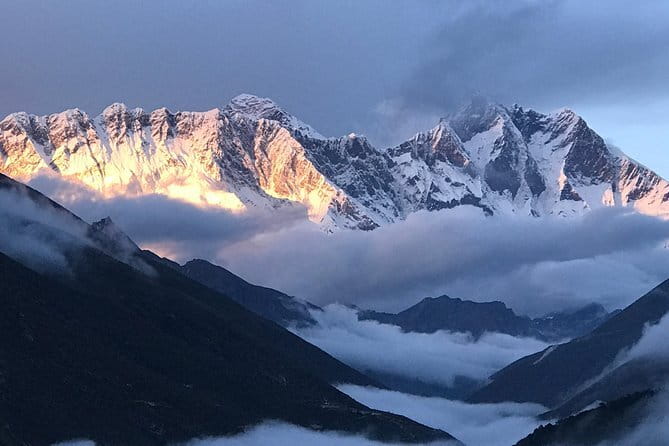
Reviewed · EVEREST BASE CAMP TREK
Everest Base Camp
Everest Base Camp is interesting because it turns one of the biggest bucket-list treks on earth into a real, step-by-step journey that starts in Kathmandu and ends at the base of Everest. I like the human support built into the trip, especially with Devendra Rai and his team helping keep the schedule, pacing, and decisions clear. I also like the lodge-centered experience, with coffee or tea plus breakfast, lunch, and dinner handled for you.
One possible drawback: this trek is demanding at altitude, so you really do need strong physical fitness. If you are not comfortable with high-altitude walking and taking guidance seriously, you will want to think hard before booking.
Key Things That Make This Everest Base Camp Trek Worth It
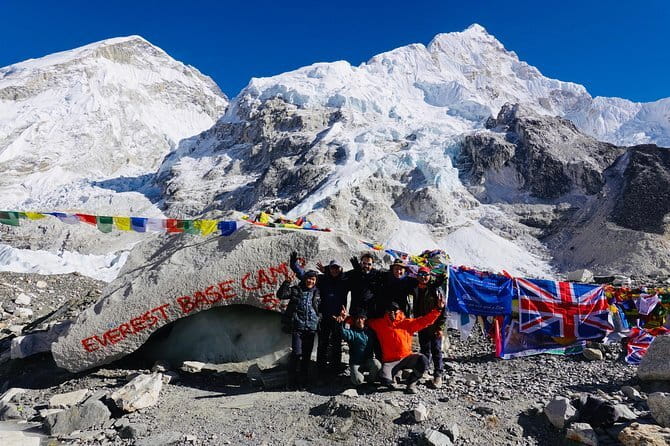
- Real team support you can count on, including guides such as Devendra Rai, Mauli, and others named in feedback like DK, Bimal, Kamal, Pramod, Saroj, Mowli, Promad, and Sandeez
- Acclimatization done with care, using lodge stops and structured pacing that makes high altitude feel manageable
- Full logistics and day-to-day basics covered, with accommodations plus guide and staff support built into the package
- Meals and coffee or tea included, with breakfast, lunch, and dinner so you are not hunting every day
- A clear goal beyond Base Camp, with Kala Pattar part of the payoff for views and perspective
Everest Base Camp From Kathmandu: What the Trek Actually Feels Like
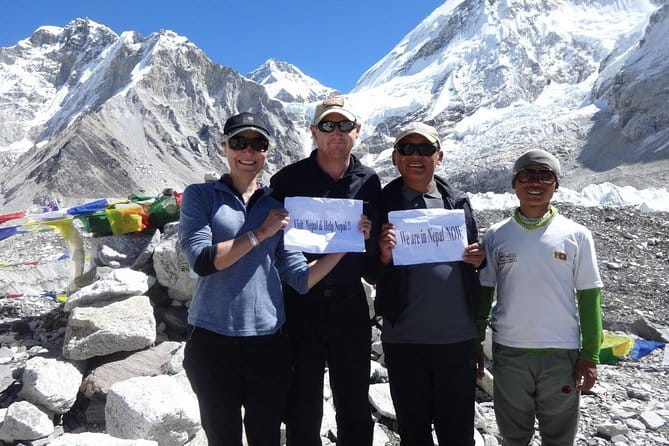
This is not a sightseeing day trip. It is a trekking program that goes from the city base in Kathmandu to the Everest region, with you spending days walking, adjusting to altitude, and living in mountain lodges. That shift is part of the magic. One moment you are dealing with Kathmandu logistics, the next you are moving at trekking speed, surrounded by the flora and fauna of the Himalayan region and the culture that lives around it.
What I like is that the structure is practical. You are not left to guess how to pace yourself, where you should be, or how the next transition happens. With a guide-led team and other staff on the ground, the trip is meant to run smoothly so you can focus on the trail and your health.
The culture component is also not just window dressing. Expect time in and around the traditions and daily lifestyle of the people along the route. That is where Everest Base Camp stops being only about the summit dream and starts becoming about the human rhythm of the Khumbu region.
More ways to walk to Everest Base Camp:
- Everest Base Camp Trek – 14 Days
★ 5.0 · 1,499 reviews - Everest Base Camp Trek
★ 5.0 · 842 reviews - Everest Base Camp Helicopter Tour landing at Everest View Hotel
★ 5.0 · 668 reviews
Price and Value: Why $2,389.75 Makes Sense, and When It Does Not
The price listed is $2,389.75 per person, and the duration runs about 10 to 17 days. That range matters because it changes how much time you have to move, rest, and acclimatize. Longer trips often feel less rushed, even when the daily walking is similar.
Here is where the value usually comes from. The package includes accommodations, a guide, other staff, and all logistics. It also includes meals: breakfast, lunch, and dinner, plus coffee and/or tea. For a trek at this altitude, having those daily basics included is a big deal. You spend less time making small decisions every day and more time doing the one job that matters: taking care of your body.
Now, the places where extra money can appear are clearly spelled out. You should expect to pay separately for:
- Alcoholic beverages
- All beverages including mineral water and alcoholic drinks
- International airfares and travelers insurance
- Emergency evacuation if needed
- Tipping for guides, porters, and drivers (not mandatory, but customary in Nepal)
So the cost is not just “the trek price.” It is the price of organization plus a large chunk of daily living. If you already have solid travel insurance and you plan ahead for water, you are in better shape. If you show up hoping everything is fully covered, you may feel surprised later.
Getting Started in Kathmandu: The 10:15 am Airport Arrival Moment
Your day begins in Kathmandu at Tribhuvan Airport. The start time listed is 10:15 am, and the meeting point is Tribhuvan Airport, Kathmandu, Nepal. Pickup is offered, and the tour also notes that the area is near public transportation.
This matters because early coordination reduces stress. A trek like Everest Base Camp punishes wasted time. When your first hours are organized, you can settle in, handle paperwork or briefings, and get mentally ready for days of trekking.
The trip also uses a mobile ticket, and you should receive confirmation at booking time. If you like knowing you are locked in and not waiting for last-minute details, that is a practical plus.
One more small point that people often forget: service animals are allowed. If that affects your planning, make sure you confirm how your needs will be handled with the operator ahead of time.
The Trek Route Big Picture: Lukla Up, Base Camp and Kala Pattar Back Down
Even without a day-by-day schedule printed here, the trek’s shape is clear from the information provided and the trip outcomes shared. You trek from the Lukla side toward Everest Base Camp and then back again. In one feedback set, the group described a shorter option, doing roughly 11 days from Lukla to EBC and back. That gives you a real sense of how pacing and trip length can vary.
You can also expect a highlight beyond Base Camp. Kala Pattar is specifically mentioned in the review text as part of the superb experience. That is usually the kind of viewpoint that changes how you understand the climb: not just reaching a place, but seeing the bigger geography that Everest has been drawing on for decades.
What I want you to take seriously is the acclimatization rhythm. One review response explicitly calls out the importance of listening to guides’ and leaders’ advice for success in high altitude. That tells you this trip is designed around smart pacing, lodge stops, and a focus on not rushing the body.
So in practical terms, the route is:
- Transition from Kathmandu logistics into the trek region
- Movement up through the Everest area with lodge stays
- Time built around high-altitude decision-making
- Arrival at Everest Base Camp
- A viewpoint moment at Kala Pattar
- Trek back toward Lukla and down from the mountain world
More to compare around Kathmandu
- Private Kathmandu Sightseeing Tour | UNESCO World Heritage sites
★ 5.0 · 756 reviews - Kathmandu: 7 UNESCO Sites with Lunch
★ 4.8 · 744 reviews - Half day cooking class in Thamel kathmandu
★ 5.0 · 607 reviews - Everest Base Camp Trekking
★ 5.0 · 485 reviews
Meals and Lodges: What Is Included, What You Still Need to Budget For

One of the most praised parts of this experience is how well day-to-day needs get handled. The package includes breakfast, lunch, and dinner, plus coffee and/or tea. It also includes accommodations, guide, other staffs, and all logistics.
For you, that is less about comfort and more about consistency. When meals are arranged and lodging is handled, you can keep your routine without scrambling. At altitude, that matters. A stable daily rhythm helps you stay calm and helps you make good health choices.
At the same time, the exclusions are important. Alcohol is not included. Also, all beverages including mineral water and alcoholic drinks are not included. That means you should budget for water and any non-included drinks. If you tend to forget that bottled water costs add up quickly, plan for it early.
Another practical detail: tipping is not mandatory but customary. That usually means you should carry a bit of cash for your guide, porters, and drivers if you feel the service was excellent.
Why the Team Is the Real Differentiator (Devendra Rai and the Support Crew)
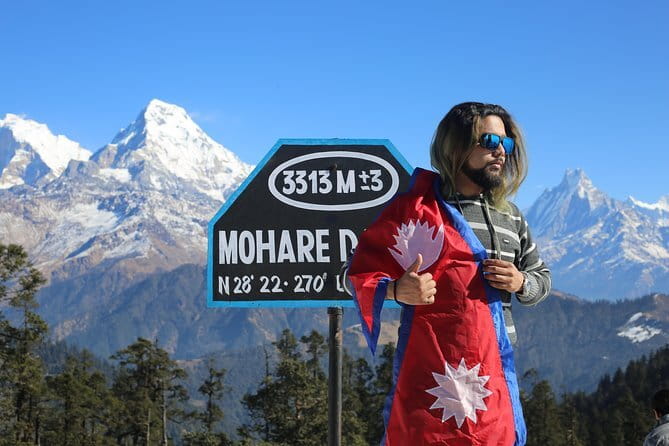
This is a trek where the “company” matters in a very real way. People did not just rate the scenery. They rated the feeling of being looked after, safe, and guided.
Across the feedback, the same themes show up again and again:
- A sense of safety and being in good hands
- Attentive guides who respond to needs
- Porters who provide muscle power and everyday support
- Logistics that feel faultless, nothing too much trouble
You can also see specific names linked to that support. Devendra Rai is consistently mentioned as a key guide and organizer. Mauli appears in multiple experiences. Other names tied to guidance and care include DK, Bimal, Kamal, Pramod, Saroj, Mowli, and porters such as Kamal, Promad, and Sandeez.
Why does this matter to you? Because on Everest Base Camp, you are always making small decisions about pace, energy, and altitude tolerance. When your guide team is calm and organized, those decisions feel less scary. When the porter team is attentive, you feel more free to focus on your own breathing and legs.
This is also where “well organized” becomes more than a buzzword. One review response specifically praised the acclimatization stops and lodge process as faultless. That is exactly the kind of thing you want in an altitude trek. It is not glamorous, but it is where success gets built.
Acclimatization and Pacing: The Quiet Skill That Determines How Smooth It Feels
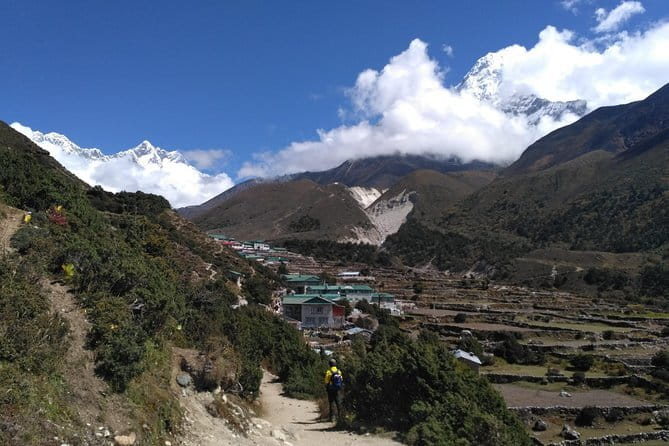
You are not just walking because the trail is there. You are walking in a high-altitude environment that rewards patience. The data you have here points toward a trekking style that emphasizes listening to guidance and trusting the acclimatization plan.
That includes lodge stop structure and a pacing approach that helps you recover and adjust. One feedback item describes that the stops and acclimatization at lodges were faultless. Another points out that being responsible and well-disciplined trekkers, and listening to leaders, is key for success in high altitude.
So what should you do as the trekker? Keep it simple:
- Follow the pace your guide sets
- Don’t treat every day like a race
- Pay attention to how you feel at altitude
- Take your time at lodge stops and don’t rush transitions
If you have ever done a trek and felt like you were “getting away with it,” this is where Everest will stop you from pretending. The good news is that this trek is built around keeping you on the right track.
Who This Everest Base Camp Experience Suits Best
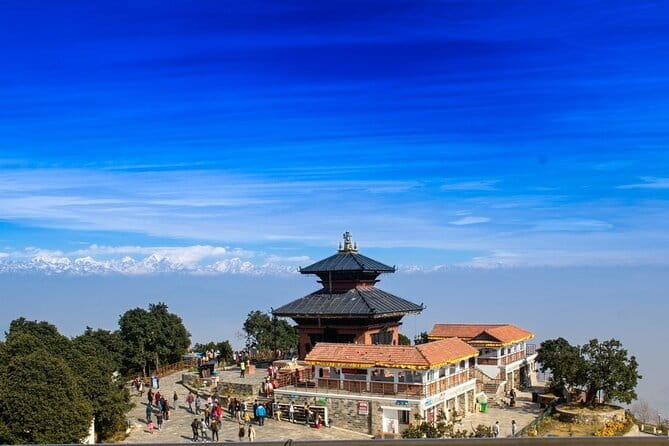
This is best for you if:
- You want structured guidance and clear logistics rather than DIY uncertainty
- You prefer having meals and accommodations handled
- You like the idea of a trekking team with a strong sense of care and communication
- You can bring strong physical fitness and are ready to respect altitude pacing
It may not be ideal if you are looking for extreme flexibility to do whatever you want, whenever you want. This trek is designed to follow a plan for health and safety. That is the trade-off for all the included logistics.
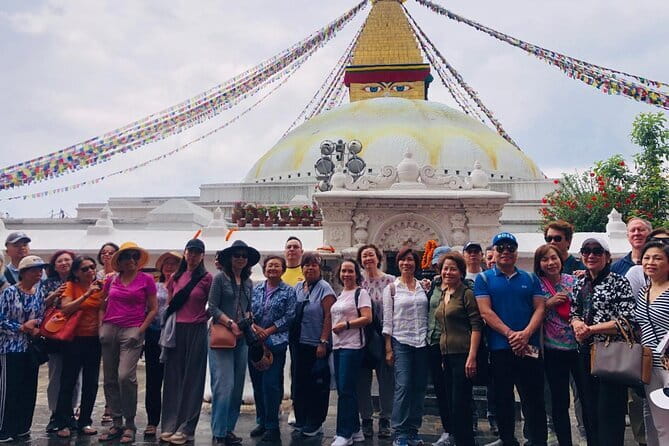
If you are traveling with a group, this setup can work very well. One group described being eight people from Taiwan, and the overall feeling centered on trust, safety, and smooth teamwork from the operator side.
Should You Book This Everest Base Camp Trek?
I would tell you to book it if you want a trip where the hardest part is the walking, not the confusion. The big selling point here is the combination of logistics, full meal coverage, accommodations, and a support crew that people repeatedly describe as attentive and safe. With names like Devendra Rai and Mauli showing up as part of that team, you are not just buying a route, you are buying people.
I would pause if you do not feel confident in your physical fitness for a high-altitude trekking program, or if you are counting on beverages, mineral water, insurance, or emergency evacuation to be included. Those gaps are clearly listed.
If your plan is to show up ready to work hard, listen to your guide, and enjoy the culture and lodge life as part of the journey, this is a strong option for Everest Base Camp, with Kala Pattar as a meaningful extra payoff.
FAQ
Where does the Everest Base Camp experience start?
The meeting point is Tribhuvan Airport, Kathmandu, Nepal, with a start time of 10:15 am.
What is the price for the trek?
The price is $2,389.75 per person.
How long is the trek?
The duration is approximately 10 to 17 days.
Is pickup included?
Pickup is offered.
What meals are included?
Coffee and/or tea are included, along with breakfast, lunch, and dinner.
Are accommodations included?
Yes. Accommodations are included, along with the guide, other staff, and all logistics.
What is not included in the price?
Alcoholic beverages are not included. Also, all beverages including mineral water and alcoholic drinks are not included, plus international airfares, travelers insurance, and emergency evacuation if needed.
Is tipping required?
Tipping is not mandatory, but it is customary in Nepal for guides, porters, and drivers.
Is the cancellation policy flexible?
Yes, there is free cancellation. You can cancel up to 24 hours in advance for a full refund, and if you cancel within 24 hours you will not be refunded.
Latest Kathmandu write-ups
- Langtang Valley Trek★ 5.0 · 3 reviews
- Langtang Valley Trek from Kathmandu★ 5.0 · 3 reviews
- Khopra Danda Trek★ 5.0 · 3 reviews
- 5 night / 6 days Kathmandu Nagarkot Chitwan Pokhara tour★ 5.0 · 3 reviews
- Nepal Highlights Tour: 5 Nights 6 Days Kathmandu & Pokhara Tour★ 5.0 · 3 reviews
- Kathmandu Valley Private Day Tour★ 5.0 · 3 reviews
- Conquer the Himalayas: The Ultimate 16-Day Annapurna Circuit Trek★ 3.5 · 3 reviews
- Kathmandu Heritage Day Tour★ 5.0 · 3 reviews
Everest Base Camp Trek, compared.



Everest Base Camp Helicopter Tour landing at Everest View Hotel
Read our review →


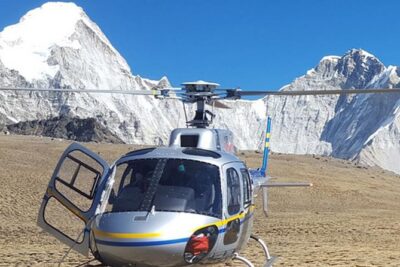
Everest Base Camp Helicopter Tour landing at Hotel Everest View
Read our review →
Browse the lists this tour appears in