
Reviewed · EVEREST BASE CAMP TREK
Everest Base Camp Trek
Everest Base Camp is interesting because it mixes hard hiking with a real sense of place, you’re walking toward a summit-sized legend one meal, one altitude step, and one village stop at a time. I like that this package is truly all-inclusive on the essentials for the trek part, including lodge lodging, daily meals, and the key transportation links. I also like that you go with an experienced mountaineering guide plus porter support, so you’re not trying to figure out high-altitude logistics while you’re already out of breath. The main consideration is that altitude and conditions are real, and you still need to bring the right mindset, plus plan for what’s not covered like personal insurance and drinks.
In Kathmandu, you get a straightforward arrival setup, airport pickup, a 3-star hotel for two nights, and a trek briefing that helps you get your bearings fast. The guides tied to this company have strong reputations for clear daily route guidance and calm leadership, with names like Suman, Prakash, Ajit, Adjit, and Bibek showing up in customer write-ups.
Key things to know before you pack
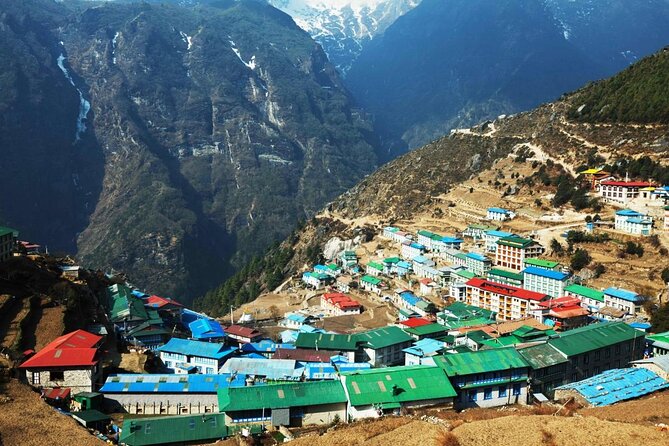
- Lukla is handled with round-trip flights, so your trek starts where it should, not at the far end of a road trip.
- Two nights in Kathmandu at a 3-star hotel gives you a buffer for briefing, rest, and Thamel shopping.
- All trekking meals are included (breakfast, lunch, dinner), which matters more up high than you think.
- Max 16 travelers keeps the group manageable on narrow trails and in lodge dining rooms.
- Porter support plus a mountaineering guide reduces the stress load when altitude slows everyone down.
Why Everest Base Camp still feels like a once-in-a-lifetime plan
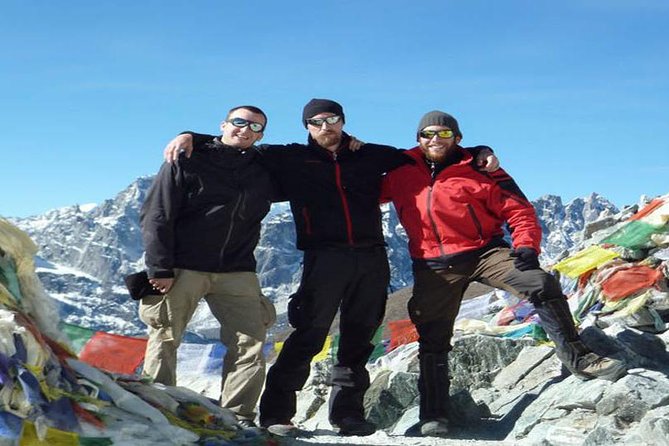
Everest Base Camp is not just a destination. It’s a moving experience, you gradually trade city noise for prayer flags, then thin air, then big silence, then the kind of views people remember for decades. What makes this trek plan especially appealing is that the structure takes weight off your shoulders. You’re paying for a lot of the “getting there and staying alive” work, not just scenery.
You’ll be walking high-altitude trails over a two-week window with 11 trekking days plus two additional days in Kathmandu. That pacing is important. It gives you time to adjust, and it keeps you from turning the trek into a forced march where everyone suffers and nothing feels rewarding.
That said, the mountain does not care about your spreadsheet. You need moderate fitness, you need to listen to your guide, and you need to accept that weather and flight schedules can affect timing.
More ways to walk to Everest Base Camp:
- Everest Base Camp Trek – 14 Days
★ 5.0 · 1,499 reviews - Everest Base Camp Trek
★ 5.0 · 842 reviews - Everest Base Camp Helicopter Tour landing at Everest View Hotel
★ 5.0 · 668 reviews
Kathmandu arrival: hotel comfort and a briefing that sets you up
Your trip opens in Kathmandu with a simple, practical flow. Representatives pick you up at the airport and transfer you to a 3-star hotel, where you’ll rest and have breakfast. You also get a short briefing focused on the Everest Base Camp trek, so you’re not guessing about gear needs, trail rhythm, or what the next day expects.
Then you’re free to spend the rest of your arrival day as you like. If you want to shop, Thamel is close and easy to explore. If you want calm, this is your day to keep it low-key and focus on sleep. Kathmandu is also where I’d quietly double-check basics like how you’ll manage layers and hydration, because once you’re flying to Lukla, there’s no “quick stop” for last-minute fixes.
One small drawback to be aware of: only breakfast is included in Kathmandu. Meals beyond that are on you, plus you’ll likely want to budget for bottled or boiled water and any snacks you prefer.
The Lukla flight day: where the trek becomes real
After you fly to Lukla, you get another trek briefing, then the hiking begins right away. You start from Lukla and head toward Phakding, walking along the Dudh Koshi river for about three hours. That first hiking day is a real moment. It’s not a test of speed, it’s a test of your body getting used to trekking posture, pack weight, and the simple truth that every step takes more effort than it did at sea level.
Phakding is your overnight stop. Staying in a lodge here matters because it breaks the trek into a manageable rhythm. You get a warm-ish meal, a place to sleep, and a reset before the altitude climbs from there.
A practical note: Lukla flights can be sensitive to weather, and this trekking style depends on those flight connections. The company does include round-trip flights between Kathmandu and Lukla, which is a big part of the value, but still plan some mental flexibility if schedules shift.
The heart of the trek: 11 days of passes, villages, and lodge life
The biggest part of the experience is the trekking itself, 11 days walking high-altitude trails between passes and villages. Even without listing every single settlement on your schedule, you can expect a consistent rhythm: hike in the day, arrive at a village, settle into a lodge, eat, and prep for the next day’s route.
Here’s what I like about this structure for your real-life comfort:
- Lodge accommodation keeps you from carrying everything you need for sleeping.
- Porter support helps you save energy for the climb and descent parts that truly drain legs.
- Daily meals remove a major planning headache. Up high, it’s easier to eat what’s offered and stay on schedule than to play “what restaurant is open” with a tired body.
Your guide is also a key part of the experience. Multiple customers highlight the way certain guides explain the route each day and tell you what to expect. For example, Adjit is praised for giving very detailed route notes, plus advice on good photo spots. Prakash gets mentioned for clear instructions around meal times and pacing, making sure people are settled before the next day plan begins.
And yes, pace can slow down on purpose. One write-up praises Prakash for keeping the team safe and well even when it took longer than expected. That matters because Everest trekking is not a straight-line challenge, it’s an altitude management game where the wrong push can ruin the entire trip.
More to compare around Kathmandu
- Private Kathmandu Sightseeing Tour | UNESCO World Heritage sites
★ 5.0 · 756 reviews - Kathmandu: 7 UNESCO Sites with Lunch
★ 4.8 · 744 reviews - Half day cooking class in Thamel kathmandu
★ 5.0 · 607 reviews - Everest Base Camp Trekking
★ 5.0 · 485 reviews
Getting to Everest Base Camp: what your guide helps you do
The whole point of the itinerary is reaching Everest Base Camp. What you’re really buying here is not just permission to dream, it’s guided planning that keeps the trek within reach for a real range of hikers.
Your mountaineering guide plays three practical roles:
- Route and timing decisions so you know where you’re headed and when you’ll stop.
- Altitude awareness so symptoms and fatigue are treated seriously, not shrugged off.
- On-the-ground problem solving, especially for day-to-day logistics like walking pace, lodge coordination, and how to handle colder or rougher weather.
You’ll also have safety support baked in. The package includes a First Aid kit carried by the guide. That doesn’t replace smart personal health habits, but it does mean you’re not trekking with zero emergency readiness.
One more detail I respect in this setup: the included planning includes “necessary paperwork” with the Government of Nepal and the tax department. That sounds boring until you realize it often determines whether things run smoothly behind the scenes.
Meals and porter support: the underrated comfort win
Let’s be honest. On Everest treks, food is not just fuel. It’s morale. This package includes breakfast, lunch, and dinner during the trekking in the Himalaya, plus lodge accommodation. That’s a big deal because it prevents meal-hunting and money stress on days when you’re tired and cold.
Porter support also changes how you experience the trek. Even if you’re fit, trekking with the wrong load can turn every day into a battery drain. With a porter, you can focus on your breathing, your steps, and staying warm, especially during rest stops.
Hydration and hot drinks are a different story. Drinks during the trip are not included. That means you’ll likely pay extra for tea, cold drinks, and anything bottled or heated, depending on what’s available in each lodge. Budget for that.
Accommodation in Kathmandu versus on the trail
In Kathmandu, you get two nights in a 3-star category hotel. That’s the right kind of comfort for an early trip stage: hot shower when it’s available, real beds, and a base where you can rest before the trekking begins.
On the trail, you’ll stay in lodges. Lodge accommodation is part of how this trek stays sustainable for visitors who are not carrying full camping gear. It also shapes the social experience. Lodge dining rooms become your daily meeting point, and your guide often uses that time to run tomorrow’s plan.
If you’re the type who needs total privacy, lodges might feel basic. If you’re the type who likes people watching, sharing stories, and keeping the day’s energy going with a group, you’ll probably enjoy it.
Price and logistics: is $1,750 good value?
At $1,750 per person, the big question is what you’re actually paying for. This package includes a lot of the high-cost, high-friction parts:
- Kathmandu airport pickup and ground drives
- Kathmandu hotel for two nights (3-star category)
- Round-trip flights Kathmandu to Lukla
- Trek lodge accommodation
- Trek meals: breakfast, lunch, and dinner
- Guide and porter support
- First aid kit carried by the guide
- Paperwork with Nepal authorities and taxes
- Crews’ salary, food, and accommodation
When you put it together, this is not just a “guided hike.” It’s an operational bundle. Flights to Lukla alone are a major piece of the cost on Everest itineraries, and transport plus meals remove costs you’d otherwise have to negotiate day by day.
What’s not included is equally important, because this is where your real budget can creep:
- Meals other than breakfast in Kathmandu
- Travel insurance, rescue and evacuation coverage, and trip cancellation costs
- Any extra nights in Kathmandu if timing changes
- International airfare to Nepal
- Personal expenses like phone calls, internet, laundry, bar bills, and battery recharging
- Drinking water and all drinks, including alcoholic and nonalcoholic beverages
- Nepal entry visa fee
- Tips for the crew
My advice for value: treat the base price as a solid foundation, then plan a separate pocket for drinks, snacks, and personal costs. Also buy personal travel insurance. Not because you expect trouble, but because altitude travel can turn logistics into an emergency in minutes.
Group size, pacing, and the kind of trip this is
This is a small group trek, with a maximum of 16 travelers. That’s a sweet spot for Everest Base Camp. You get companionship and shared timing, but you’re not stuck in a massive line on narrow paths or waiting forever in lodges.
The itinerary is best for people with moderate physical fitness who want guided support rather than a solo expedition. You’re still doing the work, walking the passes and adjusting to altitude. But you’re not planning every route decision, booking every bed, or negotiating meal schedules.
Who should think twice? If you have serious mobility limits or you’re not comfortable walking long days at elevation, this could feel overwhelming. Altitude is a factor for everyone, even strong hikers.
Guides you may be in the rotation for, and what that means for you
Your experience depends heavily on the guide. In the feedback tied to this company, certain names come up repeatedly. Some people praised Suman for organized support after arrival. Others mention Ajit or Adjit for detailed daily route guidance and photo-friendly suggestions. Prakash gets credit for clear next-day instructions and steady, safety-first leadership. Bibek also appears in customer stories for professional, friendly assistance.
You can’t count on the exact guide you read about, but you can count on a style: detailed daily guidance, calm leadership, and attention to how the group is doing, not just the stopwatch.
Should you book this Everest Base Camp trek?
Yes, you should seriously consider booking this option if you want an Everest Base Camp trek where logistics are handled: Kathmandu pickup, a real hotel base, Lukla flights, lodge stays, and all trekking meals. You’ll also like it if you value a structured plan with a mountaineering guide and porter support, because that combination makes the trek feel more human when altitude slows you down.
You should think twice if you’re trying to keep costs ultra-tight beyond the published price, because drinks, extra Kathmandu meals, visa fee, tips, and travel insurance are not included. You should also plan for altitude with respect, not bravado.
If you want a trek that balances adventure with real organization, this one hits the mark. Just bring layers, bring patience, and give your body time to adapt. The mountain will do the rest.
FAQ
How long is the Everest Base Camp trek in this package?
It’s a two-week style itinerary, with 11 days of trekking plus two additional days in Kathmandu.
What does the trip include for accommodation and meals?
In Kathmandu, you get two nights in a 3-star category hotel. During the trek, you stay in lodge accommodation with breakfast, lunch, and dinner included.
Are flights included to get to the trekking start?
Yes. The package includes round-trip flights between Kathmandu and Lukla, plus airport pickup and ground transfers.
How many people are in the group?
The maximum group size is 16 travelers.
What is not included in the price?
Not included are meals other than breakfast in Kathmandu, rescue and travel insurance, extra Kathmandu nights due to schedule changes, international airfare, personal expenses, all alcoholic and nonalcoholic drinks, drinking water, Nepal entry visa fees, and tips for the crew.
Can I get a refund if I cancel?
Yes. There is free cancellation up to 24 hours before the experience starts for a full refund.
Latest Kathmandu write-ups
- Langtang Valley Trek★ 5.0 · 3 reviews
- Langtang Valley Trek from Kathmandu★ 5.0 · 3 reviews
- Khopra Danda Trek★ 5.0 · 3 reviews
- 5 night / 6 days Kathmandu Nagarkot Chitwan Pokhara tour★ 5.0 · 3 reviews
- Nepal Highlights Tour: 5 Nights 6 Days Kathmandu & Pokhara Tour★ 5.0 · 3 reviews
- Kathmandu Valley Private Day Tour★ 5.0 · 3 reviews
- Conquer the Himalayas: The Ultimate 16-Day Annapurna Circuit Trek★ 3.5 · 3 reviews
- Kathmandu Heritage Day Tour★ 5.0 · 3 reviews
Everest Base Camp Trek, compared.



Everest Base Camp Helicopter Tour landing at Everest View Hotel
Read our review →



Everest Base Camp Helicopter Tour landing at Hotel Everest View
Read our review →
Browse the lists this tour appears in