
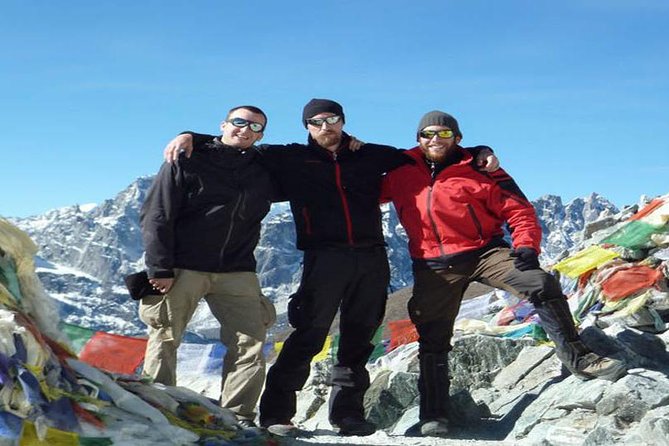
Reviewed · EVEREST BASE CAMP TREK
Everest Base camp Trek
The interesting part of the Everest Base Camp trek is how fast it turns into a real mountain experience. One moment you are dealing with Kathmandu logistics, and the next you are boarding a thrilling flight to Lukla and starting the walk toward Everest’s doorstep.
I love that the trip is run with a government-licensed, English-speaking guide who handles the daily flow and keeps you moving with smart check-ins, like Damu and other “bhais” noted by past trekkers. I also love the practical bundle of essentials included for you, especially three meals a day plus lodging, so you can spend your energy on the trail instead of spreadsheets.
One consideration is the comforts are basic. You get accommodations where the toilet is outside your room, and there is no hot shower, battery charging, or Wi-Fi for your camera along the way.
Key things I’d circle on your planning list
- A Lukla flight that sets the tone early, then a steady trail progression through Everest villages
- Private group trek, only your group participates, with a guide who stays with you
- Meals and lodging included, with clear expectations (outside-room toilets)
- Full paperwork support for the Everest National Park entry permit so you do not scramble last minute
- Support crew built in, including porters (listed as 2 clients to 1 porter) so you trek smarter
- A high-payoff finish, Everest Base Camp plus Kalapathher for extra panoramic viewing
Lukla to Everest Base Camp: why this trek hits differently
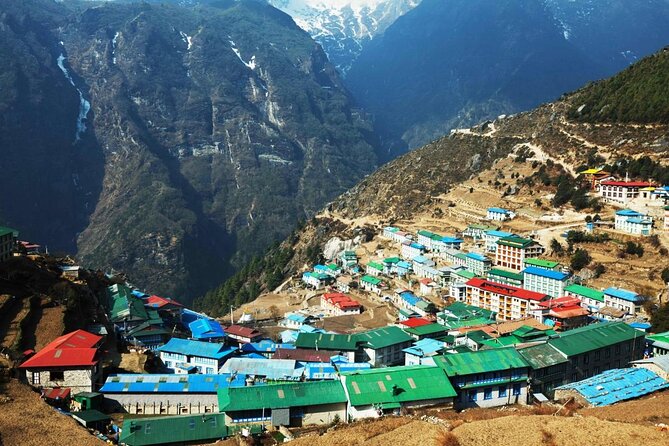
This is not a “just walk and take photos” plan. You start with that jump from Kathmandu reality to the Khumbu region, then you settle into long days of climbing, descending, and repeating the same pattern: walk, eat, recover, sleep, repeat. That rhythm is exactly why people get hooked.
If you want the memorable kind of trip, I like that the experience is framed as an emotional and mental journey as much as a physical one. The best guides on this route run it that way too, with calm pacing and regular encouragement when the trail gets tedious. Past trekkers singled out guides such as Damu and Kamal, along with assistants like DB and DalBahadur, for doing the “day briefing” style work that helps you feel ready for what comes next.
The scenery payoff is also real. As you move through the Everest region village chain and push toward Base Camp, you’re set up to see big-name peaks and ranges, including Ama Dablam, Lhoste, and views in the orbit of Makalu. You also get specific peak spotting toward the end, and that can feel like a reward you earned by keeping your pace steady.
More ways to walk to Everest Base Camp:
- Everest Base Camp Trek – 14 Days
★ 5.0 · 1,499 reviews - Everest Base Camp Trek
★ 5.0 · 842 reviews - Everest Base Camp Helicopter Tour landing at Everest View Hotel
★ 5.0 · 668 reviews
Price and what you actually get for $1,500
At $1,500 per person for about 12 days (the experience is also described as a roughly two-week trek in some planning versions), this can be good value if you care about having key logistics handled. The included items are the kind that usually cost you time and energy when you try to do things piecemeal.
Here’s what’s included that matters most:
- Flight(s) between Kathmandu or Ramechap and Lukla, plus the return
- Airport pickup and drop in Kathmandu using private vehicle
- Three meals a day during the trek (breakfast, lunch, dinner)
- All accommodations during the trek
- Everest National Park entry permit paperwork
- Guide and porter support (with a porter allocation listed)
What is not included, and can change your real cost:
- Nepal entry visa fee (USD 40)
- International airfare and travel insurance
- Drinks and small snacks like bottled mineral water
- Extras such as hot shower, battery charging, and Wi-Fi
- Tips for guide and porter
So the value equation is pretty clear. If you want fewer moving parts and you appreciate having meals and lodging already planned, the price makes sense. If you’re the type who hates paying for group logistics and prefers to run your own schedule, then you will want to budget extra time and risk on your own.
Kathmandu start: pickup, meeting at Tribhuvan, and your first day flow
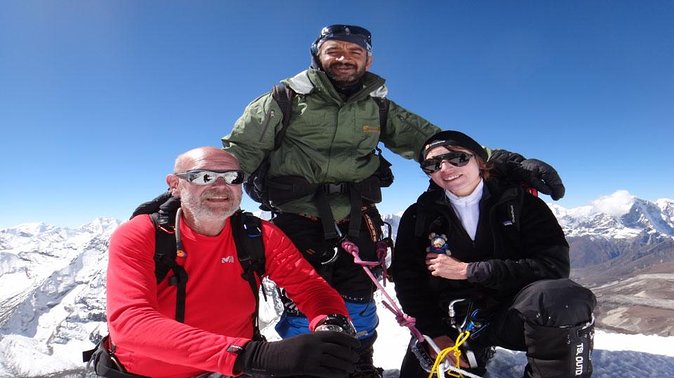
Your trek kicks off at Tribhuvan Airport in Kathmandu. Pickup and drop are included via private car, van, or bus, so you should not have to figure out transport right after landing or on departure day.
You also get mobile ticketing, which is one of those small modern touches that makes check-in smoother, especially if you are traveling with only a hand carry.
The practical benefit of starting with an organized handoff is that your brain is still fresh. On a trek like this, the first day’s biggest risk is not physical, it is mental overload. When the flight plan and ground transfer are covered, you can focus on what you came for.
Trek days that follow the Khumbu River and classic suspension-bridge moments
From Lukla, you move into the first “real” walking days that feel like a gateway to Everest country. You’ll pass monuments, cross areas like the Dudh Kosi River, and spend time on routes that include suspension bridges and forest walk sections before reaching Phakding village.
Why I think this day band matters: the early miles teach you how the trek works without forcing you to jump straight into peak effort. You learn how to settle into the daily rhythm of walking, stopping, eating, and managing your gear.
Phakding is a smart first base because it puts you in a village setting quickly. You get a night at a place built for trekkers, and that matters when you are adjusting to the route and the long days.
Potential drawback? The early pace can tempt people to go too hard because they feel motivated at the start. If you’ve ever done a hike where the first hour is fast and the last third is misery, you already know the fix. Keep your effort even. Save the fireworks for Base Camp.
More to compare around Kathmandu
- Private Kathmandu Sightseeing Tour | UNESCO World Heritage sites
★ 5.0 · 756 reviews - Kathmandu: 7 UNESCO Sites with Lunch
★ 4.8 · 744 reviews - Half day cooking class in Thamel kathmandu
★ 5.0 · 607 reviews - Everest Base Camp Trekking
★ 5.0 · 485 reviews
Namche and Tengboche nights: where the trip turns social and scenic
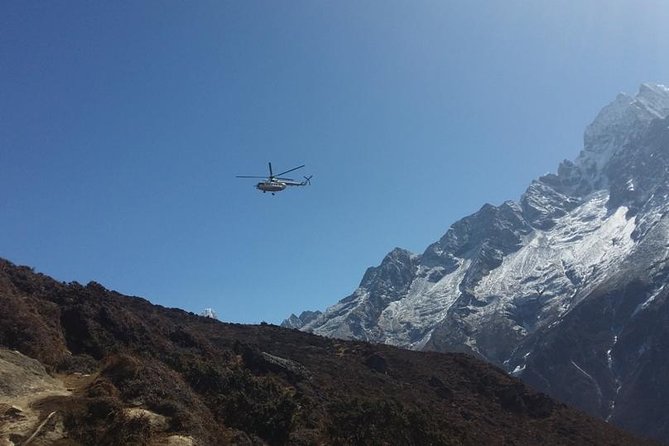
As the trek continues, you’ll spend nights in the key Everest-region stops, including Namche and Tengboche. These are the places where the route feels most alive.
Namche is a major step up in the sense that you feel like you are in the thick of trekking culture. That means you will likely get steady support from staff and you’ll see plenty of fellow hikers. You also start to notice how the scenery shifts as you gain access to bigger mountain views.
Tengboche adds a different flavor. You’ll reach it after trekking through the village chain, and the experience tends to feel more “spiritual and quiet” at night compared to busier stops. What I like here is that you get a break from pure walking monotony. It becomes a routine with variation: some days are about effort, some are about sights and settling in.
One more practical note: these villages are where you benefit most from having a guide who explains the next day clearly. If your guide, like Damu, does evening check-ins and helps you feel set for the next push, you’ll enjoy the pacing more and panic less.
Dingboche and Lobuche: when you learn to pace for real altitude-style fatigue
Next up are nights at Dingboche and Lobuche, two stops that help shape how the trek feels in the middle stretch. By now, the challenge is not only the physical work. It’s also your ability to keep your mind on the job when the days get longer and the goals keep inching forward.
This is where a strong guide earns their pay. Guides like Kamal and his assistants, plus teams like DB and other helpers, are remembered for staying calm and managing the group through the toughest sections. Even if you are an experienced trekker, this part of the route tests discipline, not just legs.
What makes these village nights valuable is the chance to reset between effort days. You’ll have included lodging and meals, so you can stop thinking about logistics and start listening to your body.
Gorakshep, Everest Base Camp, and the Kalapathher finish
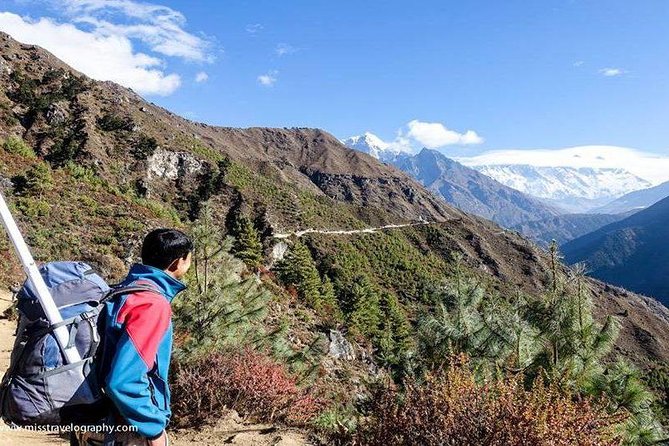
Approaching Base Camp, the trek takes you to Gorakshep and then on to Everest Base Camp itself. This is where the whole thing starts to feel unreal in a good way. When you finally reach the endpoint, you are not just seeing a place. You are standing at the result of days of slow, steady effort.
The fact that the experience doesn’t stop at Base Camp is a big deal. After Base Camp, you go on to Kalapathher, described as the next destination above Base Camp. This is the “one more push” moment that can turn a great trek into a standout memory.
The route also sets you up for impressive mountain viewing. The information you’re given highlights multiple peaks and surrounding views that trekkers often spend time pointing out, such as Thamsherkhu, Kusum khangaru, Tabuche, Cholache, Ama Dablam, Lhoste, and views linked to other peaks including Island Peak, Makalu, and Labuche.
Practical advice from the reality of this route: treat the final approach as a pace problem, not a sprint problem. If you rush here, you lose the joy at the finish.
Lodging and meals: included, but expect the basics
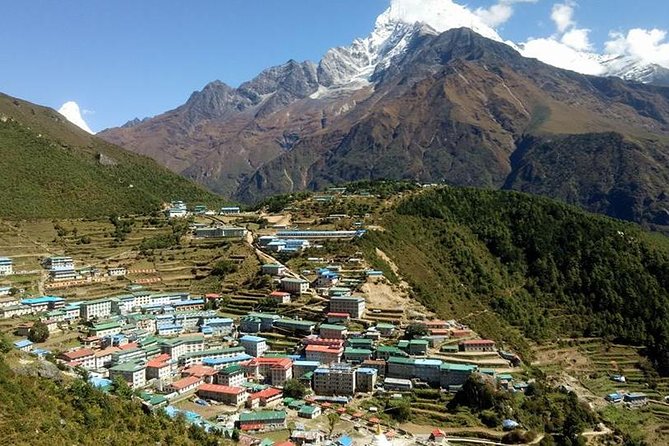
You get accommodations during the trek, with a clear note: toilet will be outside your room. That’s not a deal-breaker, but it changes your comfort priorities. Plan for it like you would plan for a long off-grid trip. The more you expect standard hotel setup, the more you’ll feel annoyed.
On the good side, you do get three meals a day (breakfast, lunch, dinner). This matters more than it sounds because it protects your energy. When food is handled, you can keep walking without constantly calculating whether you have enough cash, enough options, or enough stomach space.
The trade-off is that comfort upgrades are not part of the deal:
- No hot shower
- No battery charging
- No Wi-Fi for your camera
So if you rely on power for devices, or you expect to recharge every night, you’ll want to manage expectations and energy use. (And yes, you’ll likely want to bring a plan for keeping your camera running without depending on charging every day.)
Guide leadership: Damu, Kamal, and the calm that keeps you safe
For treks like this, the guide is the product. The best part of what you’re buying here is not just route knowledge. It is the day-to-day management that helps you handle fatigue, weather shifts, and decision points.
Past trekkers specifically praised guides such as Damu for detailed evening briefings and for checking in during the toughest stretches with calm confidence. Other names you may see tied to successful climbs include Damodar Mainali, and leadership support from Kamal, plus assistants like DB, DalBahadur, and Kalu Bhai. You may also find a guide and porter combo such as Nir, depending on the team assigned.
Here’s what that usually translates to for you on the ground:
- You get a clear sense of what today’s walking feels like and how to handle it
- The group keeps a reasonable pace rather than scattering
- You feel less alone when the trail turns tedious
Even the reviews you shared lean hard on the “who will guide you” idea. I agree. You can train hard, but you still want someone who knows how to keep things organized when conditions change.
Who this trek is best for, and who should rethink it
The experience is labeled for people with moderate physical fitness. It also strongly implies you should have trekking experience. The reason is simple: Everest Base Camp is not a beginner trail, even when the route is well-supported.
This trek suits you if:
- You already understand what long hiking days feel like
- You want an organized private group trek, not a casual hop-on experience
- You care about a guide who handles planning and pacing, not just walking alongside you
It might not suit you if:
- You need a lot of comfort amenities (hot shower, charging, Wi-Fi are not included)
- You do not have trekking experience and you expect this to feel like a mild vacation walk
- You get stressed when facilities are simpler than home, because outside-room toilets are part of the plan
A quick checklist for making this work financially and mentally
Before you book, I recommend you think through two questions.
First, can you handle the included basics? Outside-room toilets plus no hot shower and limited charging is the reality here. You can still love the trek, but you need to adjust your expectations early.
Second, can you cover the extras without surprises? You’ll need the Nepal entry visa fee, plus international airfare and travel insurance. Drinks and small snacks are also on your tab, and tips for your guide and porter should be part of your budgeting.
If you can say yes to both, this trip is likely a strong fit.
Should you book the Everest Base Camp trek?
If you want a high-impact Everest experience with key logistics handled, a real mountain guide team, and a route that takes you to Everest Base Camp plus Kalapathher, I’d say this is worth serious consideration. The included meals, lodging, permits, and the guide support help you focus on the actual trek rather than chasing details.
But if you are expecting hotel-style comfort, daily charging, or easy walking for beginners, you should hesitate. This is a trek that asks for trekking experience, patience, and a steady pace.
Given the strong satisfaction rating and the repeated praise for guide leadership, including names like Damu and Kamal, my advice is simple: book it if you want a guided, structured, memorable Everest journey and you can accept the basics along the way.
Latest Kathmandu write-ups
- Langtang Valley Trek★ 5.0 · 3 reviews
- Khopra Danda Trek★ 5.0 · 3 reviews
- Langtang Valley Trek from Kathmandu★ 5.0 · 3 reviews
- 5 night / 6 days Kathmandu Nagarkot Chitwan Pokhara tour★ 5.0 · 3 reviews
- Nepal Highlights Tour: 5 Nights 6 Days Kathmandu & Pokhara Tour★ 5.0 · 3 reviews
- Kathmandu Valley Private Day Tour★ 5.0 · 3 reviews
- Conquer the Himalayas: The Ultimate 16-Day Annapurna Circuit Trek★ 3.5 · 3 reviews
- Kathmandu Heritage Day Tour★ 5.0 · 3 reviews
Everest Base Camp Trek, compared.



Everest Base Camp Helicopter Tour landing at Everest View Hotel
Read our review →



Everest Base Camp Helicopter Tour landing at Hotel Everest View
Read our review →
Browse the lists this tour appears in