
Reviewed · LANGTANG VALLEY TREK
Explore The Beauty Of Langtang Valley In 8-Days Trek
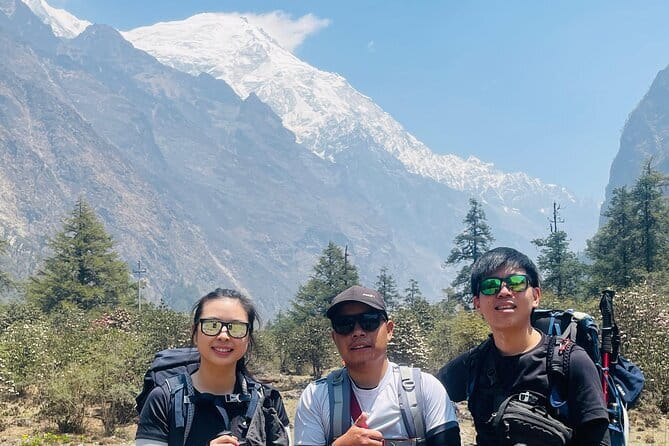
Langtang Valley has a way of feeling both close to the Himalaya and genuinely human. You get big mountain moments, but you also pass through real villages, suspension bridges, and everyday tea-house life as the valley climbs from river gorge to high viewpoints. If you like your trekking trip to feel organized without feeling rigid, this 8-day route fits that sweet spot.
I love the flexible pace built into the plan. You can take extra breaks for photos and even breakfast along the way, and the guide keeps the day rhythm comfortable instead of rushing you. I also like the attention to support, including a licensed English-speaking trekking guide and practical Kathmandu pickup and drop-off.
One thing to consider is that this is still a true trek. Even with the flexibility, you are doing several hours of walking most days, plus altitude steps upward, so you will want to take acclimatization seriously and not treat it like a casual stroll.
Key highlights you will feel on the ground
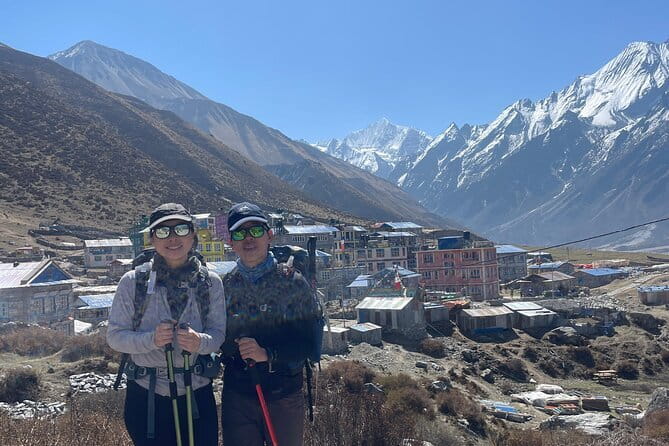
- Flexible timing on the trail, with extra breaks for views and breakfast breaks
- Licensed English guide for small groups (up to 5 trekkers), so help stays close
- Classic valley route with bridges and forests, from Syabrubesi up through Lama Hotel and onward
- Kyanjin Gompa and the optional Tserko Ri hike for big 360-degree views
- Teahouse stays plus most meals included, making it easier to budget and travel light
- Culture night and farewell dinner, a nice human finish to the mountain days
Why Langtang Valley feels special on an 8-day trek
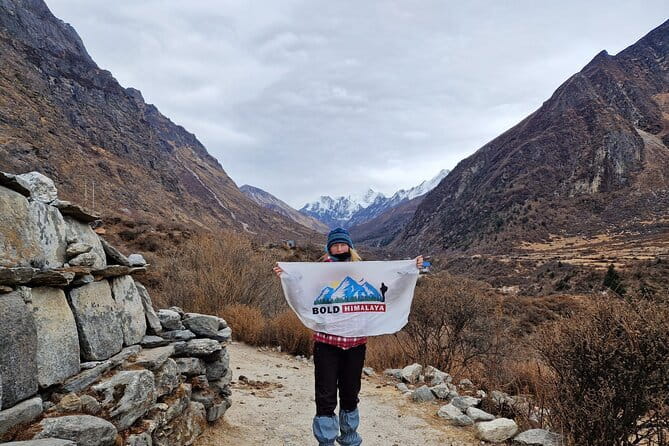
Langtang Valley is not the biggest trek in Nepal, but it packs a lot of variety. You start near rivers and villages, then climb through forests and meadows, and by the time you are higher up the air changes. The valley becomes more quiet, more open, and the mountains start to feel like they are leaning in.
This itinerary also keeps you moving at a pace that makes sense for most people. The days are planned with room for rest, photo stops, and short breaks that keep your body from getting ahead of your plan. You can go at a beginner-friendly speed, which matters because high-altitude trekking is as much about steady effort as it is about willpower.
And yes, the viewpoint payoff is real. Your time around Kyanjin Gompa sets you up for either a relaxed sightseeing day or a more adventurous push to Tserko Ri, where the views are described as 360 degrees. If you enjoy that feeling of standing on the edge of the mountains, this is one of the reasons people choose Langtang.
More of the Langtang valley:
- Langtang Valley Trek
★ 5.0 · 140 reviews - Langtang Valley Trek
★ 5.0 · 61 reviews - Langtang Valley Trek
★ 5.0 · 50 reviews
Price and value: what $270 really covers
At $270 per person, this trek is priced like a practical, organized group trip rather than a luxury private expedition. What helps the value is what is included. You get teahouse accommodation along the trek route, the guide’s work support, and meals for breakfast, lunch, and dinner across the days listed.
You also get the annoying logistics handled. Hotel pickup and drop-off in Kathmandu is included, and the plan includes transport to Syabrubesi and back. That is not glamorous, but it saves time and stress, especially if you are arriving in Nepal and trying to get ready fast.
A key detail: the guide is described as licensed and supported with salary, meals, lodging, and insurance. In plain terms, that means you are traveling with someone who is meant to be responsible for the group’s safety and day-to-day flow. For me, that is part of the value, because it reduces the mental load of organizing a route in the Langtang area.
The main value tradeoff is that you are not going ultra-fast or ultra-comfortable every step of the way. Teahouse trekking is cozy but simple, and the trip is designed for steady hiking rather than private guiding through every moment. If you want full-on hotel comfort on the mountain days, you should expect the standard teahouse style that comes with this type of trek.
Kathmandu arrival, pickup, and the drive to Syabrubesi
Your trip begins in Kathmandu, with a meeting point at Tribhuvan International Airport area along Ring Rd. From there, you travel by shared jeep to Syabrubesi, and the day is paced as a travel day rather than a punishment hike.
On Day 1, you will likely spend about 6 hours on the road, passing mountain valleys, villages, rivers, and waterfalls. This is useful for two reasons. First, you get warmed up to the terrain without altitude pressure right away. Second, those early views set expectations so the next day feels like a continuation, not a surprise.
One smart practical tip: if you are arriving without a fully settled plan, ask for clarity on where the team meets you. The operator has shown support in real-life situations, including helping with late luggage issues in Kathmandu, so you can expect someone to help you keep moving when travel gets messy.
For Kathmandu comfort, the plan says you can choose accommodation options from 3-star to 5-star hotels and resorts at an extra cost. If you like sleeping well before a trek, treat that extra upgrade as a real recovery tool, not just a comfort perk.
Day-by-day: from Syabrubesi to Lama Hotel

Day 2 is where the trek starts in earnest. After breakfast, you hike from Syabrubesi to Lama Hotel, around 2,380m, taking about 5.5 hours. It is a steady climb, not a sprint, and it focuses you on building rhythm.
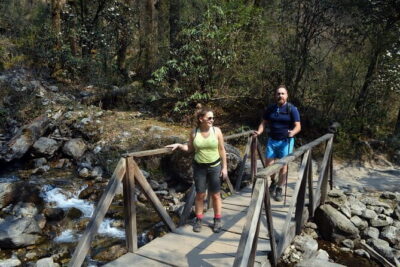
The route includes key crossing points, including suspension bridges over the Bhote Koshi and Langtang areas mentioned in the plan. Bridges are not just scenic, they also help you mentally process the scale of the valley. When you step onto those bridges, you understand how the trek is shaped by the river geography below you.
What you will like here is the balance between effort and interest. The day is long enough to feel like a real hike, but not so intense that you get slammed right away. For beginners, the plan explicitly recommends walking at your own pace so you can acclimate better.
If you are the type who wants structure, you will appreciate that this is not a free-for-all day. You will follow the guide, keep moving through the scheduled hours, and use the planned breaks as checkpoints for how your body feels.
More to compare around Kathmandu
- Everest Base Camp Trek – 14 Days
★ 5.0 · 1,499 reviews - Everest Base Camp Trek
★ 5.0 · 842 reviews - Private Kathmandu Sightseeing Tour | UNESCO World Heritage sites
★ 5.0 · 756 reviews - Kathmandu: 7 UNESCO Sites with Lunch
★ 4.8 · 744 reviews
Day 3: Langtang Village at 3,430m
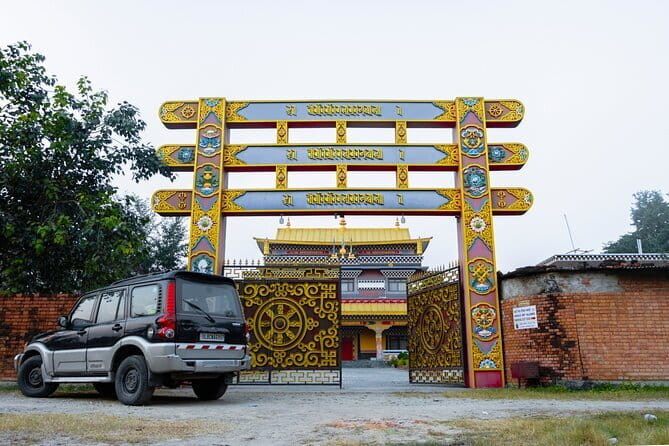
On Day 3, you trek from Lama Hotel to Langtang Village (about 3,430m) in roughly 6 hours. This leg is described as ascending through forests and meadows, which is a nice mix of shade, open stretches, and changing scenery.
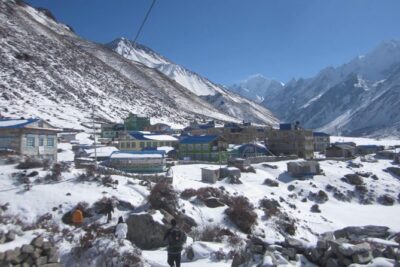
This is the day that often gives trekkers their first deep sense of what Langtang is. You are not just hiking toward a summit. You are hiking through inhabited areas where the valley’s life continues as you climb. Even if you focus on walking technique, you will still notice the shift from lower river terrain to higher mountain air.
The flexible pacing matters most on days like this. If you start feeling slower than expected, you can rely on those built-in breaks so you do not force yourself into a pace you cannot maintain. If you feel great, you can still take extra photo and rest stops without derailing the schedule.
Teahouses are part of the experience, and the plan includes accommodation along the route. That means you can spend less time hunting for food options and more time enjoying the people, the warm rooms, and the slower evening pace that makes trekking feel real.
Day 4: Kyanjin Gompa, panoramic views, and the 3,870m day
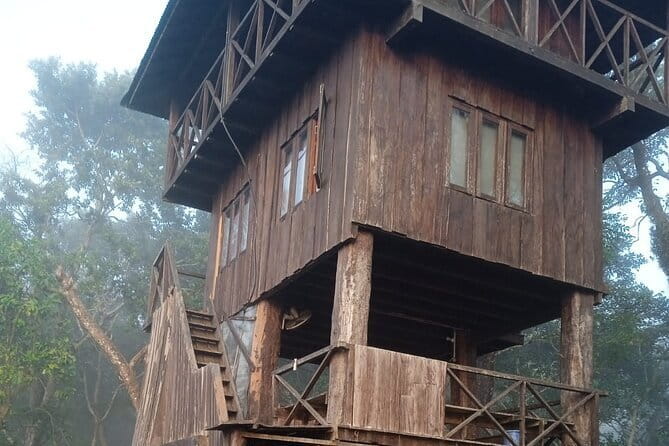
Day 4 climbs to Kyanjin Gompa at about 3,870m, taking around 4.5 hours. It is shorter than some other days, and the plan frames it as scenic, with breathtaking mountain views as you move into the higher valley.
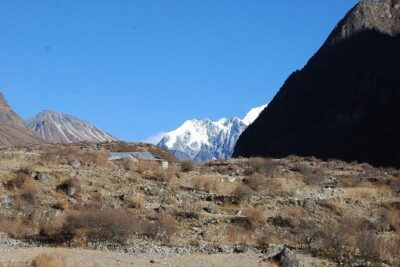
You are also getting a more concentrated viewpoint experience. Kyanjin Gompa is known in trekking circles for opening up sightlines toward major peaks, and the plan specifically mentions views of Langtang Lirung and Gangch areas. Even if you cannot identify every peak in fog or low light, the point is that the mountains start showing up as clear shapes instead of distant blocks.
This is often when trekkers slow down mentally. You start appreciating how the valley layers stack up, and you notice the wind and temperature changes more clearly. If you want photos, this is the day to be patient, because weather can shift quickly at altitude.
Day 5: Kyanjin Gompa exploration and the optional Tserko Ri hike
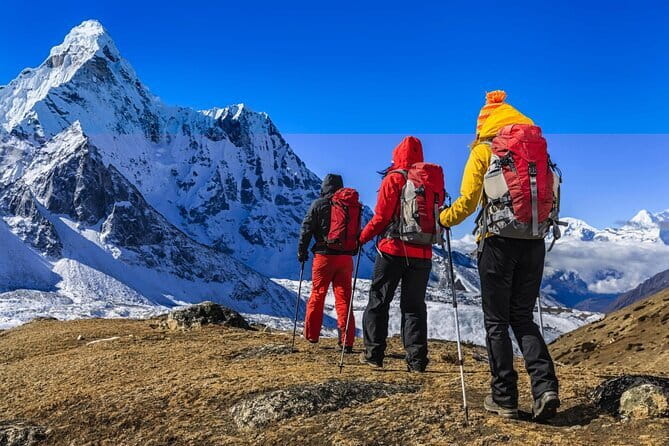
Day 5 is a great choose-your-own-adventure day. You wake up for views around Kyanjin Gompa, and then you can explore the area. For the more adventurous, there is an optional hike to Tserko Ri at about 4,984m.
The plan highlights the Tserko Ri option as a route with 360-degree views. That description is exactly the reason this trek attracts people who love big panorama moments. If you feel strong that morning and the weather cooperates, the extra altitude step can be a very memorable payoff day.
If you do not want the extra climb, you still get a full day in the Kyanjin Gompa area. Either way, the guide’s flexibility helps here, because you can match the day to your energy and how acclimatized you feel.
Practical note: when the hike is optional, you should make your decision early. Altitude decisions made late can pressure you. The guide can help you judge conditions, but you are still the one wearing your boots and carrying your body.
Day 6: descending back to Lama Hotel
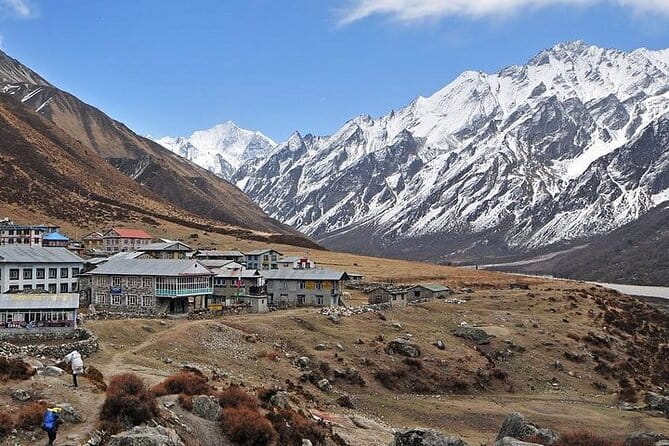
Day 6 is a return hike to Lama Hotel (about 2,380m) in roughly 6 hours. The plan frames it as retracing your steps through the valley.
This is a good day to think about legs, not just scenery. Descent can feel easier in altitude terms, but it can be rough on knees if you rush or stride too hard. The best way to enjoy this day is to keep your pace steady and let the ground do the work.
At the same time, retracing your path is not boring. When you know where you have been, you notice details you missed earlier, like how the bridge crossings relate to river bends, or how forest sections transition into meadows. You get a second chance to absorb the valley’s rhythm, and sometimes the light hits differently on the way down.
Day 7: back to Syabrubesi via the Syafru area
Day 7 takes you down toward Syabrubesi, with the itinerary naming Syafru as the stop. The trek is about 5 hours, passing rolling hills and lush green forests.
This leg is often when trekking starts to feel emotionally different. You have already done the hard climbs, you recognize the terrain, and you are walking toward the end of the trail. That mental shift makes the last stretch feel lighter, even if the day is still active.
Again, keep using the guide’s planned breaks and refreshments. The trip mentions regular breaks and refreshments throughout the trek, which is not fluff. It helps you maintain energy so you are not stuck craving something at the worst possible time.
Day 8: drive back to Kathmandu
On Day 8 you return to Kathmandu after breakfast, with about 6 hours of driving described. The plan frames it as scenic, with views of mountains and charming towns.
This matters because the drive is your transition out of trek mode. You go from thin-air effort to road comfort, and you start resetting your hydration and appetite. If you are thinking about spending more time in Nepal right after the trek, Day 8 is your recovery window.
If you are the kind of traveler who likes closing the loop with a final meal, the program includes a farewell dinner and a special cultural show during the overall trip experience. Those moments are a nice bridge between the mountain days and life back in the city.
Teahouses, meals, and comfort that keeps you trekking
The plan includes teahouse accommodation along the trek route and meals throughout: breakfast (7), lunch (8), and dinner (7). It also mentions some seasonal fruits during the trek.
That meal structure is practical. It reduces uncertainty when you are tired and hungry and altitude can make decision-making harder. It also helps you keep a consistent energy flow, instead of budgeting time and money into finding food each day.
Teahouses are simple, but the “best teahouses along the trek route” wording signals that you are not stuck in the most uncomfortable option. I like trekking trips that pay attention to the sleeping and dining basics, because that is what helps you wake up ready.
Accommodation in Kathmandu is flexible too. You can choose 3-star to 5-star options for an extra cost, which gives you a lever for recovery. If you want a proper shower and a restful bed before the trek ends, that extra comfort can be worth it.
Your guide experience, small-group support, and real-world care
This is a small-group trek. The plan notes a licensed trekking guide for up to 5 trekkers, with English support in person. In a group that size, you are not just a number. You are more likely to get help quickly if someone is slowing down.
The human factor shows up in the operator’s style. In past experiences, the team member Sorbit (also seen as Sobit) has been described as warm and attentive, including meeting a traveler who had luggage delays and escorting them around Thamel to handle shopping needs. That is not mountain time, but it signals an operator that pays attention when the trip gets real.
There is also mention of Garap as an outstanding guide on a solo high-altitude trek, with support that felt especially important for first-timers. Even if your experience will vary, it tells you the guides are being chosen for patience and knowledge, not just route logistics.
If you want a trek where you can ask questions about culture and nature, the plan includes a guide sharing Himalayan culture and nature insights as you hike. That transforms “walking from point to point” into learning about where you are, even when the day is physically demanding.
Should you book this Langtang trek
You should book this trek if you want an 8-day Langtang Valley route with teahouse comfort, included meals, and a guide who keeps the day manageable. It is especially a good fit if you are new to high-altitude trekking and want the plan to support acclimatization by encouraging a slower pace.
You might skip it if you hate the idea of long walking days or you want a fully private, ultra-luxury experience on the mountain route. This is a trek built for movement, not for staying put.
If you do book, my best advice is simple: go slow, drink water regularly, and let the day breaks do their job. If the Tserko Ri option appeals to you, decide based on how you feel that morning and keep safety in the driver seat. With the small-group setup and attentive guiding style described, you are set up for a trip that feels both scenic and well handled.
FAQ
How long is the Langtang Valley trek?
The trek is listed as 8 days approximately.
Where does the tour start?
The meeting point is in Kathmandu, near Tribhuvan International Airport on Ring Rd.
Is pickup and drop-off included?
Yes, the plan includes pick up and drop off in Kathmandu.
What is the trekking route like on the first trekking day?
On Day 2 you trek from Syabrubesi to Lama Hotel (2,380m) in about 5.5 hours, after breakfast.
Do I get a licensed guide and do they speak English?
Yes. The trip includes an in-person English trekking guide, and the licensed trekking guide covers up to 5 trekkers.
What is included for meals during the trek?
Breakfast, lunch, and dinner are included, with breakfast listed for 7 days, lunch for 8 days, and dinner for 7 days, plus some seasonal fruits during the trek.
Are teahouse accommodations included?
Yes. Accommodation in teahouses along the trek route is included.
Is there an optional hike included?
Yes. On Day 5, there is an optional hike to Tserko Ri (4,984m).
What is the cancellation policy?
Cancellation is free up to 24 hours in advance for a full refund. If you cancel less than 24 hours before the experience start time, the amount paid is not refunded.
Latest Kathmandu write-ups
- Langtang Valley Trek★ 5.0 · 3 reviews
- Langtang Valley Trek from Kathmandu★ 5.0 · 3 reviews
- Khopra Danda Trek★ 5.0 · 3 reviews
- 5 night / 6 days Kathmandu Nagarkot Chitwan Pokhara tour★ 5.0 · 3 reviews
- Nepal Highlights Tour: 5 Nights 6 Days Kathmandu & Pokhara Tour★ 5.0 · 3 reviews
- Kathmandu Valley Private Day Tour★ 5.0 · 3 reviews
- Conquer the Himalayas: The Ultimate 16-Day Annapurna Circuit Trek★ 3.5 · 3 reviews
- Kathmandu Heritage Day Tour★ 5.0 · 3 reviews
Langtang Valley Trek, compared.
7 Days Langtang Valley Private Trek From Kathmandu
Read our review →Browse the lists this tour appears in