
Reviewed · LANGTANG VALLEY TREK
Kathmandu to Langtang Valley 7-Day Trek
Langtang Valley is interesting because it feels like a real mountain system, not just a single point on a map. I love the mix of forest walking through rhododendrons and pine, and the clear push toward Kyanjin Ri at 4,773 m for big, crisp views of the Langtang peaks and glaciers. One possible drawback: the days are long, and you should be ready for steady uphill effort, even though this trek is designed to suit people without past trekking experience.
You start with a morning pickup in Kathmandu and a long drive north, then you settle into mountain guest house nights inside Langtang National Park. You get the key paperwork handled (TIMS and the park permit), which makes the trek feel smoother from day one. If you’re thinking about monsoon season, plan carefully, since the trip is not geared for that period.
Key things I’d bet you’ll notice fast
- Beginner-friendly feel, built for moderate fitness (with guidance for people new to trekking)
- Guides and porters get consistently praised by name, including Raj Tamang, Pratip, Raju, Haj, with porters like Dup, Maila, and Hem
- Park permits and TIMS card are included, so you’re not scrambling for paperwork
- A clear scenery arc from waterfalls and villages to rhododendron and pine forest, then to monastery views
- A real high point payoff at Kyanjin Ri (4,773 m), reached via a timed round trip from Kyanjin Gompa
- Logistics are handled end-to-end with hotel pickup and drop, plus sharing jeep or bus transfers
Langtang Valley: why this trek feels special
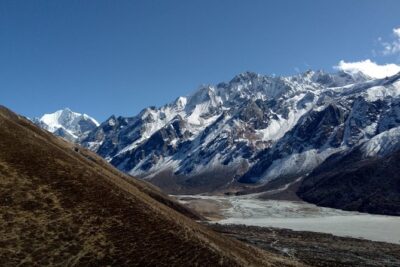
Langtang Valley sits in Rasuwa district, about 80 km north of Kathmandu, and it runs right inside Langtang National Park. The park borders the Tibet Autonomous Region of China, and that geography matters. You’re trekking through a protected area with dense forest and a strong sense that you’re moving through a live ecosystem, not just following a trail.
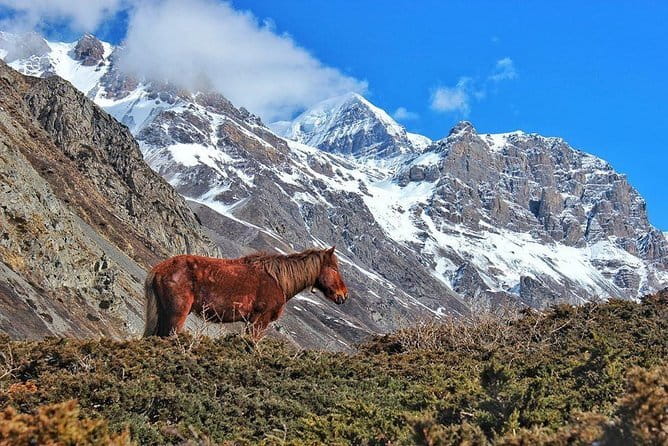
What makes it more than a routine hike is the combination of plant life and mountain drama. You can look for deciduous trees like oak and maple, evergreen pines, and rhododendrons that bloom in season. Wildlife is a real part of the story too, from Himalayan Black Bear and Himalayan Tahr to macaques and red panda. You might not see a snow leopard on every trek, but the park’s bird life is huge, with more than 250 species, and that presence usually shows up as constant movement in the trees and along ridges.
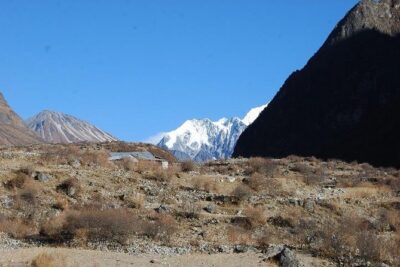
If you’re coming from a crowded, high-traffic Nepal route, Langtang often feels calmer. The trail still gives you classic uphill trekking days, but the setting tends to feel more intimate. You’ll also be near big Langtang mountain faces for much of the trek, so even when views are cloudy, the route still feels like it’s leading somewhere.
More of the Langtang valley:
- Langtang Valley Trek
★ 5.0 · 140 reviews - Langtang Valley Trek
★ 5.0 · 61 reviews - Langtang Valley Trek
★ 5.0 · 50 reviews
Day 1 from Kathmandu to Syabrubesi: the long start that sets the tone
The trek starts early, with hotel pickup in Kathmandu and a start time around 6:45 am. You’ll head to Balaju bus station area, then take a 6 to 7 hour bus ride north toward Syabrubesi. This is a long travel day, but it’s also a useful one. It helps you settle into the pace of the trek without spending your first day walking hard.
Why I like this kind of start: you get acclimated to the rhythm of Nepal travel. You’re not just doing a transfer, you’re watching the region change, and you’ll feel it as the road climbs away from Kathmandu’s bustle. The transfer is included, and so are hotel pickup and drop, which removes a lot of stress for your first morning.
At the end of the day, you’ll be in Syabrubesi. Plan on an easy evening, because tomorrow’s trek starts with real hiking time. If you come in with tight schedules, this is where you’ll feel the strain. If you come in with patience, it’s a smooth opener.
Day 2 from Syabrubesi to Lama Hotel: waterfalls, village life, and park entrance
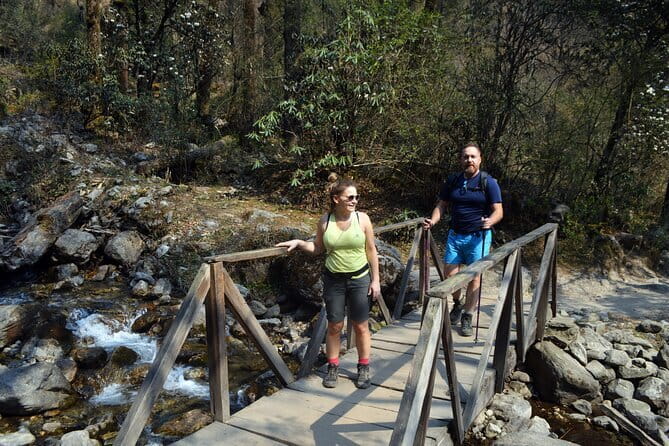
Day 2 begins with a 5 to 6 hour hike from Syabrubesi toward Lama Hotel inside Langtang National Park. Expect a trail that mixes forest and scenery, with waterfalls and traditional village sections along the way.
This is one of those “warming up” days that still has meaning. You’re not just stretching legs. You’re entering the protected park zone for the main trek, and you’ll start to feel how the terrain funnels you between forest and open viewpoints. If you like trekking days that slowly build, this one works well.
The biggest consideration here is pacing. A 5 to 6 hour hike in mountain terrain can feel like two days if you go out too fast. The trick is to treat this as a “find your rhythm” day. Let your guide and group pace yourself, and keep breaks short but regular.
Day 3 from Lama Hotel to Langtang Village: rhododendron and pine forest walking
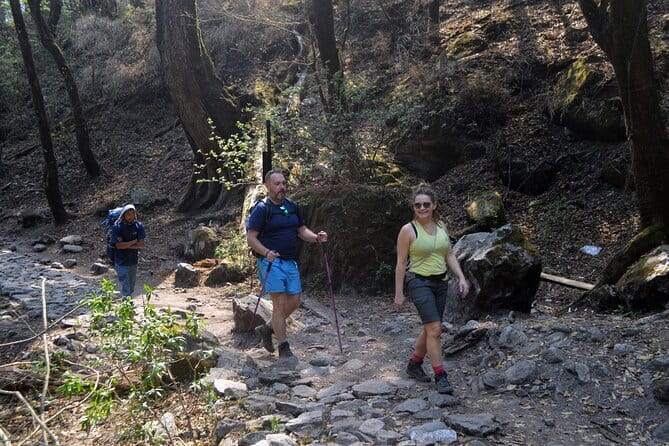
On Day 3 you hike about 6 to 7 hours from Lama Hotel to Langtang Village, still in Langtang National Park. The route is described as moving through dense forest, with rhododendrons and pine trees playing a major role in the feel of the day.
For me, this is where the trek starts to look and smell like a mountain season. Even when visibility changes, the forest sections keep the trail interesting. You’re surrounded by trees, and that means shade, steady footing, and the constant sound of birds and small wildlife movement.
Because this is a longer day than Day 2, it’s also a good day to check your body early. If you get sore hips or knees, it’s easier to fix on Day 3 than on the summit day that follows. Wear your most trusted trekking shoes, keep your pack comfortable, and don’t wait until the end of the day to realize you packed wrong.
More to compare around Kathmandu
- Everest Base Camp Trek – 14 Days
★ 5.0 · 1,499 reviews - Everest Base Camp Trek
★ 5.0 · 842 reviews - Private Kathmandu Sightseeing Tour | UNESCO World Heritage sites
★ 5.0 · 756 reviews - Kathmandu: 7 UNESCO Sites with Lunch
★ 4.8 · 744 reviews
Day 4 Langtang Village to Kyanjin Gompa: monastery walls and mountain panoramas
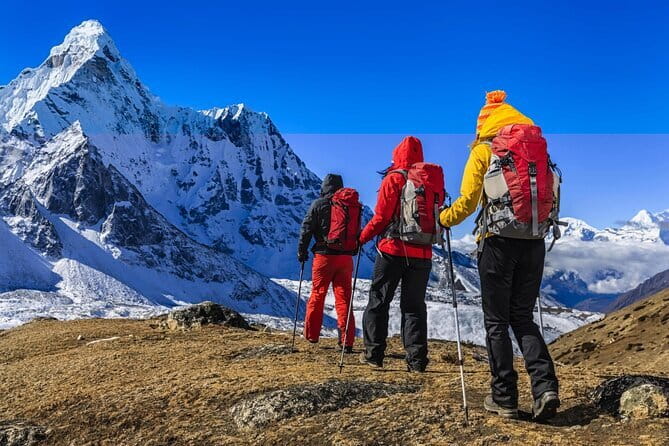
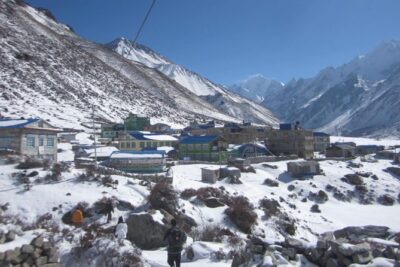
Day 4 is a shorter hike at 3 to 4 hours, from Langtang Village to Kyanjin Gompa. Kyanjin Gompa is described as one of the oldest monasteries in the region, and it’s a major emotional and visual change from the earlier forest walking.
This is the day where the trek stops being only about getting from point A to point B. The gompa setting gives you a place to pause and take in the wider mountain world around you. You’ll get panoramic views of the surrounding peaks, which is exactly what you want before the higher viewpoint day.
The drawback, if you’re not used to trekking, is that the first half of the day can feel deceptively gentle. Then you reach gompa territory and the elevation and cool air can hit. Build in time to rest and warm up. If you’re traveling with a group, follow the guide’s advice on timing so you’re not rushing when the air feels thin.
Day 5 Kyanjin Gompa to Kyanjin Ri at 4,773 m, then back to Lama Hotel
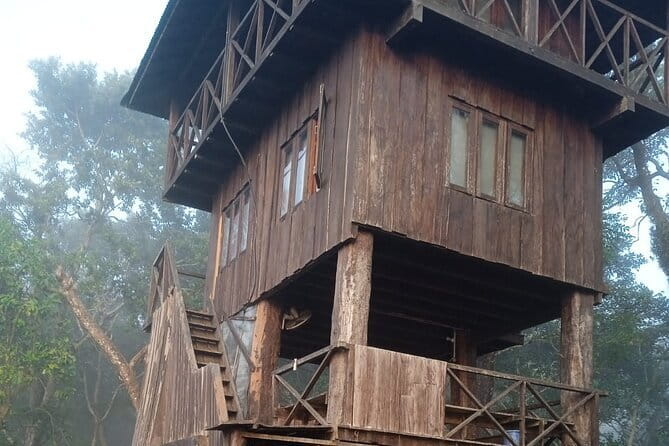
Day 5 is the star day. You do a 3 to 4 hour round trip from Kyanjin Gompa to Kyanjin Ri, then hike back down to Lama Hotel for the night.
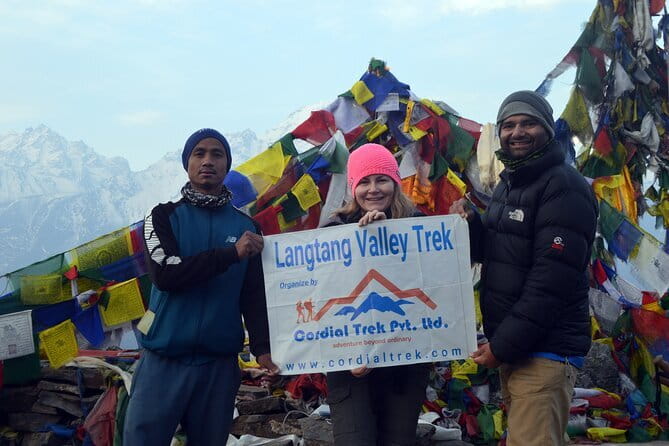
Kyanjin Ri is at 4,773 m, and the views are specifically described as including Mt. Langtang Ri, Mt. Dorje Lakpa, and Mt. Langtang Lirung. That list matters because it gives you names to connect with what you’re seeing. Even if you only remember two peaks, you’ll feel more grounded, less like you’re staring at a blank wall of cloud.
How to make this day work: go slower than you think you need to. High points punish fast pacing. If you start strong, you’re more likely to finish strong. And when you reach the viewpoint, don’t turn it into a quick photo sprint. Take a few calm minutes so the altitude settles and you can actually enjoy the view.
Then you hike back down to Lama Hotel. That means you get the “mountain top” feeling, followed by the “thank goodness for downhill” feeling. It’s still work, though. Downhill can stress knees and calves, so keep your steps short and controlled.
Day 6 Lama Hotel back to Syabrubesi: reset your energy
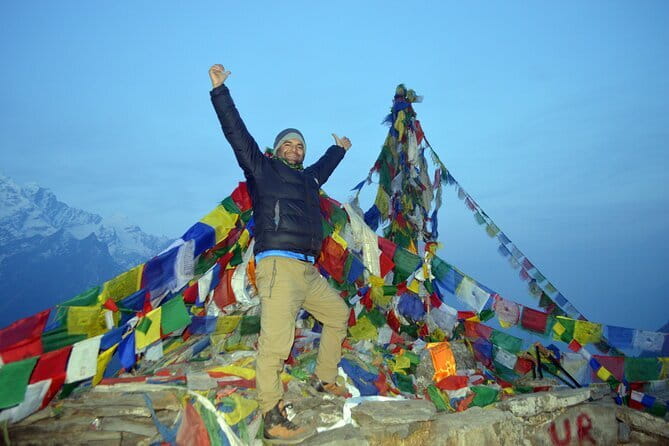
Day 6 takes you from Lama Hotel back to Syabrubesi, again about 5 to 6 hours on the trail. The goal here is not another summit push. It’s a return to comfort and a chance to breathe easier before the long ride back to Kathmandu.
This day is also a practical checkpoint. If you had any trouble on Day 5, this is where you find out if you can manage it. If your energy is low, the downhill sections can feel harder than expected, because your body is tired. If your energy is good, you’ll likely enjoy the trail more on the way down, because you’re seeing familiar sections with less urgency.
At the end of the day you stay in Syabrubesi at a guest house. Keep your evening simple: hydrate, eat what you can, and try to sleep early.
Day 7 Syabrubesi to Kathmandu: the big ride home
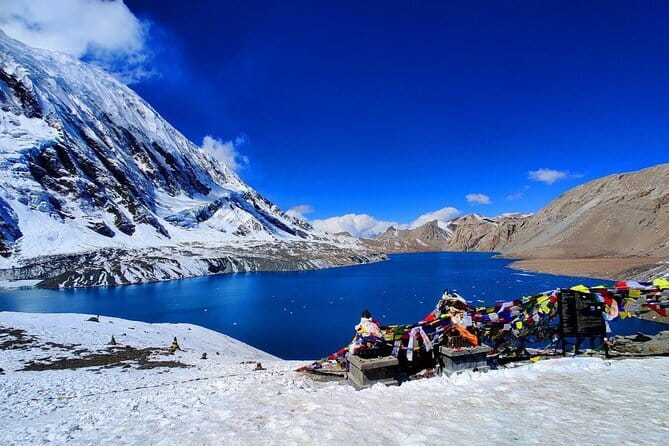
The final day is mostly transport. You’ll take a 7 to 8 hour sharing jeep or bus drive from Syabrubesi back to Kathmandu, then get escorted back to your hotel.
This is a long sit, so pack for comfort. Also remember that trek legs and travel legs are different. Your body may feel fine on the inside but stiff once you’re in a vehicle for hours.
Once you’re back in Kathmandu, you’ll likely feel a mix of satisfaction and restlessness. That’s normal. A trek like this puts you in rhythm, then stops it suddenly. If you can, keep your evening plans light. Let the day’s movement settle before you do anything demanding.
Price and what $300 buys you (and what it doesn’t)
At $300 per person, this trek is positioned as good value if you want organized logistics rather than self-planning. The included items matter because they remove the usual “hidden effort” costs on trekking trips.
What you’re getting included:
- Sharing jeep or bus transfers Kathmandu to Syabrubesi and back
- Mountain guest house nights
- National park permit and TIMS card
- Hotel pickup and drop
What is not included:
- Meals
- Optional gratuity for your guide
Here’s the practical way to think about the value. Trek permits, TIMS, and basic logistics are a chunk of work, and they can take time to sort on your own. If you’re paying $300 and those pieces are handled, you’re buying saved energy and less risk of paperwork mistakes. Meals not being included is the main variable you’ll need to budget for. If you prefer having control over food choices and timing, that might not bother you. If you like everything bundled, you’ll want to plan your daily meal costs ahead of time.
Also note the trek is described as having pickup offered and even group discounts, plus a mobile ticket. Those small touches often mean smoother communication and fewer surprises.
Guides and porters: the human service layer you’ll actually feel
One of the most praised aspects of this kind of trip is how the team manages the group. In the Langtang trek experience, the guide names that come up repeatedly include Raj Tamang, Pratip, and Haj. You’ll also see the porter team recognized, including Dup, Maila, and Hem.
What this usually means on the ground is practical support. Guides described as caring and attentive are helpful when weather shifts or when energy dips. They can also make the trek feel safer for first-timers by guiding pacing and stopping for the right moments. A good porter team matters because it changes what you carry. Even if you choose to carry a light daypack, having experienced porters share the load tends to reduce stress.
There’s also a service side that I think is worth mentioning: communication and problem-solving. One example described is the team recovering forgotten shoes and returning them later to a hotel. That kind of help is not guaranteed in any trek, but it reflects a company culture that pays attention after the fact, not just during the hike.
If you care about the quality of your day-to-day experience, this is where you should focus. A well-organized trek is not only about the route. It’s about how quickly issues get fixed and how consistently someone checks in on your comfort.
What a beginner should expect physically, without sugarcoating it
This trek is described as suitable for people with moderate physical fitness and no prior trekking experience. That’s a solid promise, but you still need to treat it like real trekking. You have multiple long hike days in the 5 to 7 hour range, plus the high viewpoint day.
The altitude highlight is Kyanjin Ri at 4,773 m. That’s high enough to feel it, even if you’re fit. The trek’s design helps because you’re not jumping to the summit from sea level in one leap. You build up through the early hiking days and you spend nights at mountain guest houses.
My practical advice for first-timers:
- Start slow every morning. You can speed up later if you feel good.
- Take short breaks more often. You’ll keep your breathing steady.
- Keep your layers ready. Mountain air can change quickly.
- Don’t assume downhill is easy. It can be harder on your legs than the uphill feels.
Also, since this is a private tour/activity, you’ll be with your group only. That can reduce chaos and make it easier for the guide to adjust pace.
Best time to go: rhododendrons, snow mood, and monsoon reality
The trek is available all year long except monsoon seasons. That’s important because the monsoon period can mean slippery trails and poor visibility. In contrast, when the rhododendrons and wildflowers are blooming, the foreground of your trek is more than just dirt and stones. It’s colorful forest walking that changes the feel of each day.
You’re also trekking through an area with dense forest and a mountain backdrop. So even if clouds roll in, you still get movement, shade, and tree cover. If you want the classic mountain photo moments, you’ll still need patience with weather. But the route itself tends to stay interesting even when the sky isn’t cooperating.
Should you book this Kathmandu to Langtang Valley trek?
Book it if you want:
- Organized, low-stress logistics with transfers, permits, and guest house nights handled
- A trek that offers a real climb to Kyanjin Ri without being only for expert hikers
- Strong focus on caring guiding, plus a porter team that helps keep the trek comfortable
Think twice if:
- You know you struggle with long hiking days. Even with a beginner-friendly description, you still have multiple 5 to 7 hour days.
- You’re set on monsoon timing. The trek is not designed for that season.
If you’re ready to work a little for views, and you want an authentic Langtang National Park experience with a team that seems to care, this is a smart value pick at $300.
FAQ
What time does the trek start?
The meeting start time is 6:45 am.
Where does the trek begin and how do you get there?
You start with pickup in Kathmandu, then travel to the route’s starting point by sharing bus or jeep, heading toward Syabrubesi.
How long are the hikes on most days?
Hiking times vary by day, with several days around 5 to 7 hours, plus shorter sections on some days such as the Kyanjin Gompa hike.
What are the main stops on the route?
Key places include Syabrubesi, Lama Hotel, Langtang Village, Kyanjin Gompa, Kyanjin Ri, and the return back through Syabrubesi to Kathmandu.
How high do you go?
The highlight viewpoint is Kyanjin Ri at 4,773 m.
Are meals included in the price?
No. Meals are not included.
What’s included in the cost?
Included items are sharing jeep or bus transfers, mountain guest house, national park permit and TIMS card, and hotel pickup and drop.
Do I need prior trekking experience?
The trek is described as being planned to suit travelers with no prior trekking experience, with guidance and a moderate physical fitness level expectation.
Is this tour private?
Yes, it is described as a private tour/activity, meaning only your group participates.
Is there free cancellation?
Yes, cancellation is free up to 24 hours in advance for a full refund.
Latest Kathmandu write-ups
- Visit Swayambhunath and Bauddhanath Stupa with Guide★ 5.0 · 5 reviews
- 10 days Annapurna Base Camp Trek★ 5.0 · 5 reviews
- Langtang Trek from Kathmandu 7 Days★ 5.0 · 5 reviews
- Island Peak Climbing with Everest Base Camp★ 5.0 · 5 reviews
- 7 Day Kathmandu Pokhara Tour★ 4.5 · 5 reviews
- Chandragiri Hill Cable Car Tour with Hotel Transfers from Kathmandu★ 4.5 · 5 reviews
- Kathmandu city day tour (4 world heritage sites)★ 5.0 · 5 reviews
- Everest Mountain Flight★ 5.0 · 5 reviews
Langtang Valley Trek, compared.
7 Days Langtang Valley Private Trek From Kathmandu
Read our review →
Browse the lists this tour appears in