
Reviewed · MOMO MAKING CLASSES
Kathmandu: Local Women Lead Nepali Cooking & Momo-Making Class
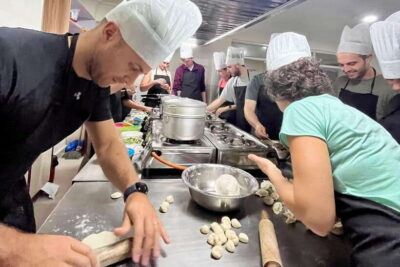
What makes this Kathmandu class interesting is the flow: you start in a Thamel market, pick ingredients, then move straight to the stove to make Nepali comfort food. It is not just watching someone cook, it is getting your hands busy right away.
I particularly like the hands-on, step-by-step instruction and the fact that the class is capped at a small group size (max 8). That setup makes it easier to ask questions and actually nail the techniques instead of rushing through.
One consideration: it is a 3-hour session, so you will learn a lot, but you are still leaving before you can perfect everything from scratch. Also, specialty drinks and tips are not included, so plan on spending a little extra if that matters to you.
Key highlights to know before you go
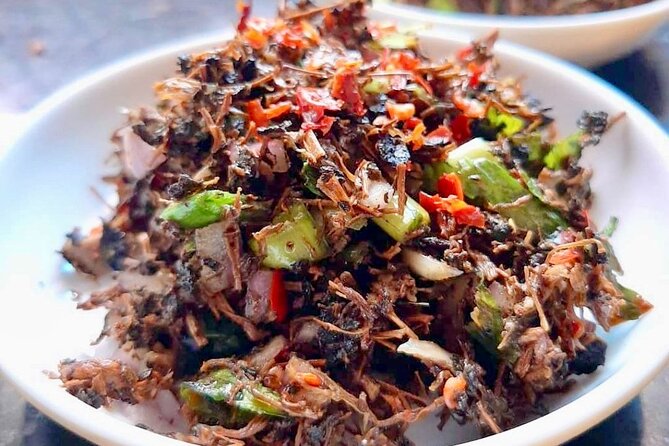
- Thamel market stop for spices, produce, and Nepali staples you will use in class
- Hands-on momo practice plus classic Nepali dishes you assemble and cook yourself
- Nepali masala tea during the lesson, so you snack and sip while learning
- Small group size (up to 8) for more chef attention and fewer waits
- You eat what you cook, with a proper tasting session at the end
Thamel market start: where the flavors actually begin
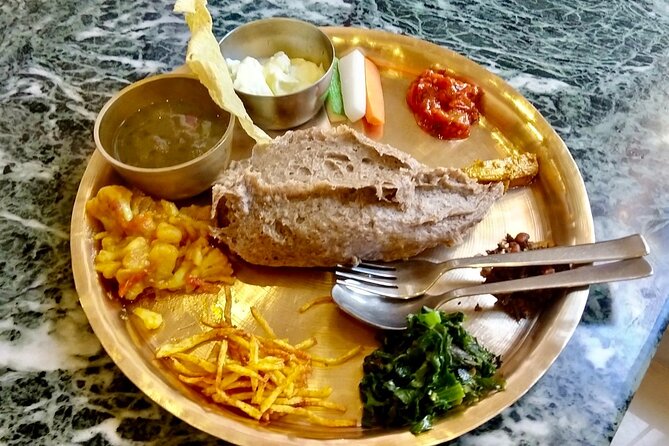
Most cooking classes in big cities start at a kitchen. This one starts where Nepalis actually shop, in Thamel. You will walk through a market setting to see the ingredients you will use, from everyday staples to the spices that shape the taste of Nepali food.
Why that matters: when you understand what you bought, you cook with more confidence later. Spices and aromatics are not just labels in a recipe. In Nepal, they come with different textures and smells depending on how they are ground and stored. Even a short market stop helps you connect the dish to the ingredients.
The market segment also sets your expectations. You are not going to get handed a pre-made shopping bag. You will have time to look closely and follow the class lead on what to purchase for the menu you will cook.
More Cooking Classes in Kathmandu
- Half day cooking class in Thamel kathmandu
★ 5.0 · 607 reviews - Kathmandu: Local Women-Led Nepali Cooking & Momo Class
★ 4.9 · 360 reviews - Local Women Lead Nepali Cooking Class
★ 5.0 · 125 reviews
Women-led instruction and step-by-step guidance
The class is taught by an experienced chef and instructor, with cooking instructions you can follow even if your cooking skills are basic. One theme that comes up strongly is how clearly the teachers explain what to do, and how willing they are to slow down when you need it.
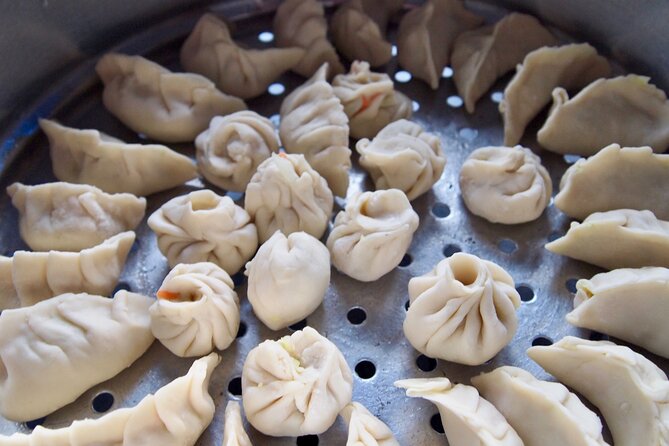
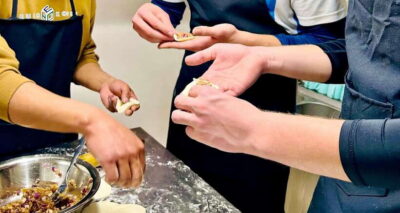
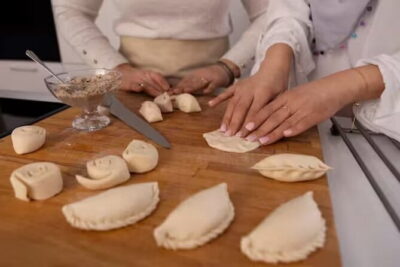
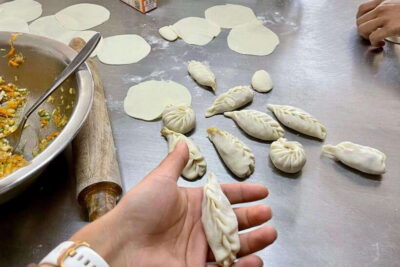
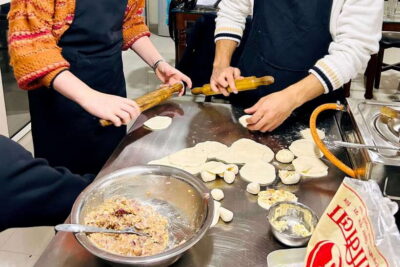
This is especially helpful for momo-making. Dumplings can look simple until you try to shape them and keep the dough smooth. Here, you get guidance as you knead, roll, and handle the dough, plus help that keeps you from guessing.
And yes, the class is small, max 8 people. That means the instructor is more likely to notice when your folds are off, your dough is too sticky, or your heat is a little too high. If you like learning by doing, this small-group structure makes the 3 hours feel real, not rushed.
Nepali dishes you can expect to make
Your menu is built around classic Nepali comfort food, with a focus on cooking techniques you can repeat at home. While exact dishes can vary by the class setup, you can reasonably expect the session to include momo making and other popular Nepali plates.
Here are examples of dishes that show up in this style of class:
- Momos (dumplings), with the key hands-on dough and shaping work
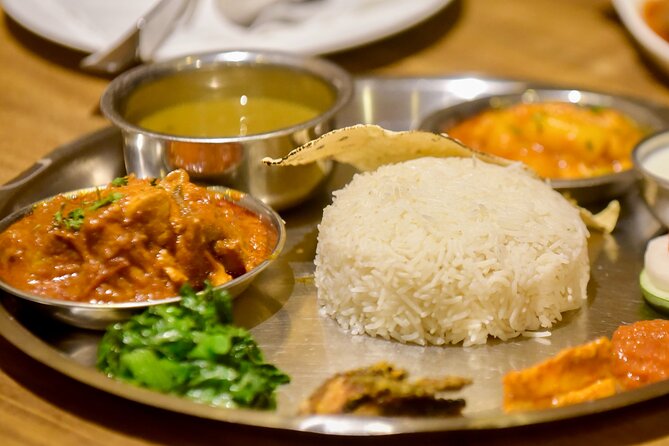
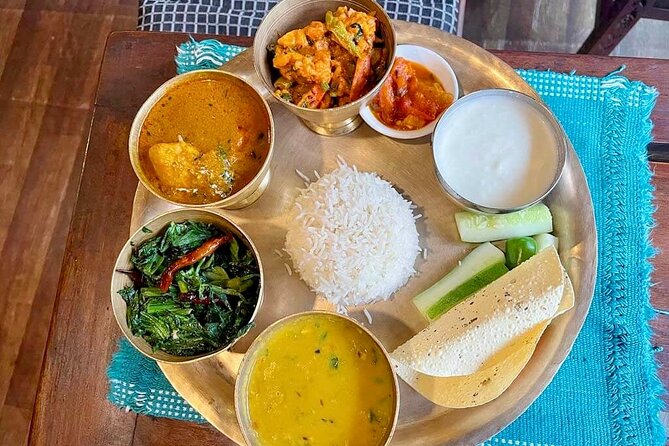
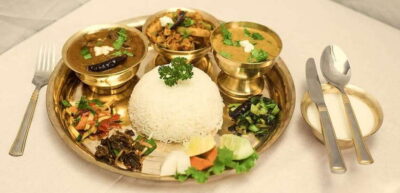
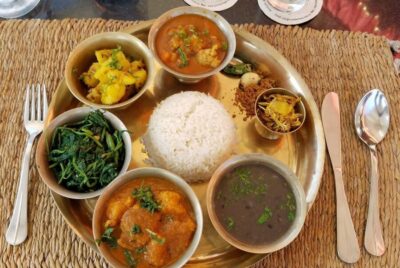
- Dal bhat, the core meal of lentils and rice, cooked with the right balance of seasonings
- Carrot pudding, a dessert option that surprised people in a good way because it feels Nepal-ish, not generic
The big win is variety without chaos. You are not switching between five unrelated dishes. You learn the logic behind each dish, how it fits Nepali meals, and what each component is supposed to taste like.
Also, you will make tea called Nepali masala tea during the lesson. That matters because it gives you another tasting reference. You learn flavor patterns that show up in savory dishes too.
The cooking flow: from prep to stove time to tasting
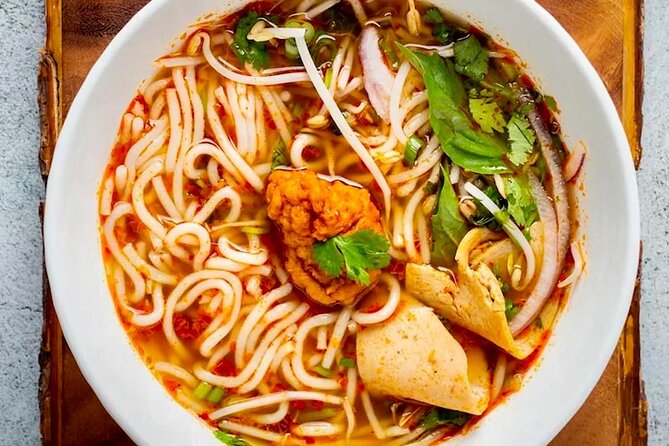
The class structure follows a clear rhythm:
1) Market and ingredient selection
2) Cooking work at the kitchen with step-by-step guidance
3) Tasting session after you finish cooking
You will use the cooking equipment and accessories provided, which is a big deal when you are traveling. No scavenger hunt for measuring cups or a worry that you will burn something because the tools are wrong.
At the tasting stage, you get to eat what you cooked, not just sample a bite while the chef handles the rest. That changes the experience. You get to taste while your memory of the steps is fresh, so you can figure out what worked and what you would tweak next time.
If you care about food value, this is one of the best setups. You pay for a meal experience that includes learning and eating, not just time in a kitchen.
More Momo Making Classes in Kathmandu:
- Kathmandu: Traditional Momo Making Class & Pickup
★ 4.8 · 60 reviews - Traditional Nepali Momo Making Classes
★ 5.0 · 53 reviews - Kathmandu: Local Women-Lead Nepali Cooking & Momo Class
★ 4.9 · 45 reviews - Kathmandu: Local Lead Nepali Cooking & Momo Making Class
★ 4.9 · 40 reviews
Price and value: what $35 really buys you
At $35 per person for about 3 hours, this class is priced in the sweet spot for a hands-on food experience in Kathmandu. You are not paying just for someone to talk. The price covers the cooking class with step-by-step instruction, a market or shop tour to buy key ingredients, equipment, and a tasting session.
It also offers optional hotel pickup and drop-off if you select that add-on. Even when the class is near public transport, pickup can cut stress after a day of walking and sightseeing.
Small-group size is a quiet value driver. Max 8 travelers means less waiting, fewer hands-on chances stolen by the group flow, and more real instruction per person. That makes the time feel worth it, especially if you want to leave with practical skills.
One note on spending: specialty drinks and alcoholic drinks are not included. Tips are also not included. If you like to order drinks with meals, factor that into your mental budget.
Location and timing: how to fit it into a Kathmandu day
This class meets at Kathmandu Cooking Academy in Thamel, on Yapikhya Marg (Kathmandu 44600). The activity ends back at the meeting point, which is convenient if you are staying in the area.
Duration is listed as about 3 hours. For planning, I treat this as a half-day slot that works well as either:
- Your first real food-focused activity after arriving, so you learn ingredients and flavor patterns fast, or
- A break from sightseeing when you want something active but not physically punishing
You will also be near public transportation, which makes it easier to adjust if your hotel pickup is not selected or timing changes.
Also, the class includes confirmation at booking time, so you can plan your day without endless guesswork. If you like to keep your schedule flexible, this kind of straightforward confirmation helps.
Who should book this cooking class
You will likely enjoy this class most if you like:
- Learning by doing, especially with dumplings like momos
- Cooking in a group but still getting direct attention from the chef and instructor
- A food activity that includes a market visit, not just a kitchen lesson
It is also a strong fit if you want a social experience without needing to be outgoing. In this class format, people tend to chat naturally because you are all working on the same dishes. One review called out making friendly connections with other tourists, which makes sense since the work is shared and the tasting happens together.
If you are short on time, the half-day length is a plus. If you want to go deeper into multiple cuisines beyond Nepali staples, you might feel the focus is narrow. But for Nepali food basics, this is exactly the point.
Practical tips so your 3 hours go smoothly
Here are the practical things I would plan for, based on how this class is structured:
- Wear comfortable shoes. You will be up and moving during the market stop and then standing while cooking.
- Bring a water strategy. You are cooking and walking for part of the time, and snacks can be limited to what the class provides.
- Come ready to follow instructions closely. Momo dough and cooking temperatures reward attention.
- If you have dietary restrictions, ask in advance. The format involves buying ingredients at the market and cooking specific dishes, so it is best to confirm what adjustments, if any, are possible.
- Expect a hands-on workload. This is not a slow demonstration where you only watch.
And because it is a market-based experience, go with an open mind about shopping choices. Even if you think you know what you want, ingredient quality and what is available in the market can influence the final menu.
If you are thinking about the money side: the tour includes the class, equipment, and tasting, but it does not include tips or specialty drinks. If you want tea, you are covered for the lesson tea, but not for extra beverages.
Should you book the Kathmandu momo and cooking class?
Yes, I think you should book this class if you want a hands-on Nepali food lesson in a small group, with a real market start in Thamel. The value is strong for the price because it includes the market/shop segment, step-by-step cooking instruction, equipment, and a tasting of what you made.
Skip it or consider alternatives if you dislike shopping for ingredients as part of an activity, you cannot eat the dishes being prepared, or you want a longer session for deeper practice. For most people, though, this hits the sweet spot: learn technique, cook classic Nepali dishes, and eat them while the flavor lessons are still fresh in your mind.
Latest Kathmandu write-ups
- Langtang Valley Trek★ 5.0 · 3 reviews
- Khopra Danda Trek★ 5.0 · 3 reviews
- Langtang Valley Trek from Kathmandu★ 5.0 · 3 reviews
- 5 night / 6 days Kathmandu Nagarkot Chitwan Pokhara tour★ 5.0 · 3 reviews
- Nepal Highlights Tour: 5 Nights 6 Days Kathmandu & Pokhara Tour★ 5.0 · 3 reviews
- Kathmandu Valley Private Day Tour★ 5.0 · 3 reviews
- Conquer the Himalayas: The Ultimate 16-Day Annapurna Circuit Trek★ 3.5 · 3 reviews
- Kathmandu Heritage Day Tour★ 5.0 · 3 reviews
Momo Making Classes, compared.
MoMo or Dal Bhat Cooking Class at Aama Kitchen in Pokhara
Read our review →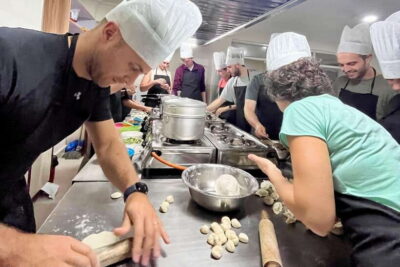
Browse the lists this tour appears in