
Reviewed · THAMEL
Half Day Cooking Class in Thamel with Local Market Visit
If you like the idea of learning food the way locals do, this Thamel cooking class with a market visit is a smart, hands-on choice. I love that you shop for ingredients first, then cook with them right away. I also love the way the class is set up so you eat what you make, which keeps everything fresh and hot. One possible drawback to plan around is that the market portion can feel different depending on the day, so it is worth being flexible about how much shopping time you get.
The biggest comfort here is structure: an English-speaking instructor guides you step by step, and the class stays small so you are not lost in a crowd. You will cook four courses from traditional Nepali and Newari menus, and every menu includes momos. If you prefer very mild food, you can control the chili level, but you will still taste plenty of spices along the way.
Key Highlights Worth Planning Around
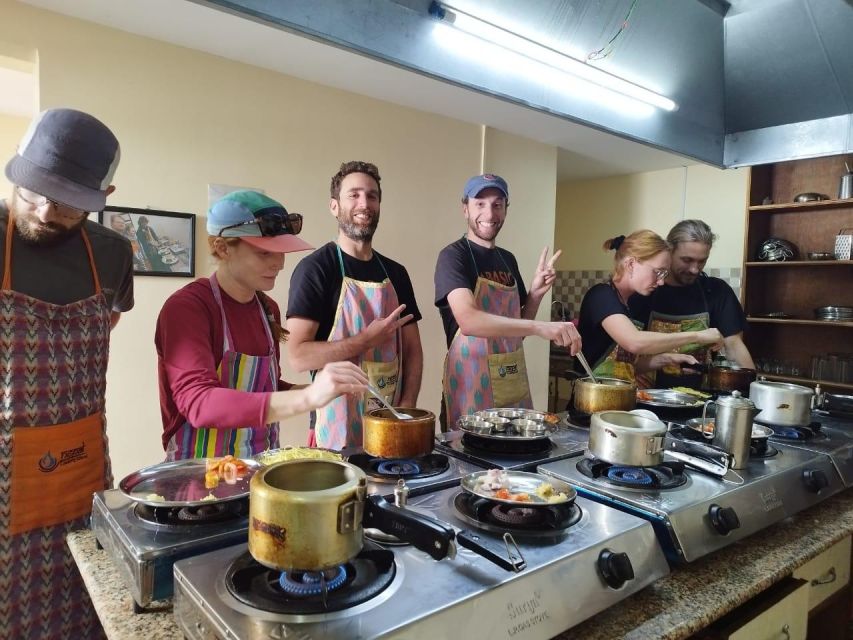
- Market-to-kitchen flow so your ingredients are fresh and you learn what you are actually cooking with
- Four courses in one sitting, with you cooking one course and eating it immediately
- Momos are guaranteed because each of the three menus includes them
- Small group size up to 8, which helps you get real attention and clear instructions
- English instruction and step-by-step cooking, so you can follow even if you have never cooked Nepalese food before
- Adjustable spice to your taste, with you controlling how much chili goes into your dishes
Why a Thamel Market Visit Makes This Class Click
Thamel is where most first-timers in Kathmandu end up, but a cooking class can either stay locked in a kitchen or connect you to real ingredient culture. This one makes the connection with a local market visit where you see the spices, produce, and staples used in Nepalese and Newari cooking. That matters because the flavors make more sense once you have handled the ingredients yourself.
I also like that this class treats spice as a learning topic, not just a heat level. You will taste and use seasonings that show up in everyday cooking, including the aromatic spices that give Nepali dishes their character. When you know what something is and why it is there, you can recreate it later at home.
One thing to keep in mind: markets are not always timed the same way every day. On one Saturday morning experience, the market stop did not happen as expected, and spices bought there were considered expensive. If you care a lot about the market part, I would confirm directly with the school the day before your session.
More Cooking Classes in Kathmandu
- Kathmandu: Local Women-Led Nepali Cooking & Momo Class
★ 4.9 · 360 reviews - Kathmandu: Local Women-Lead Nepali Cooking & Momo Class
★ 4.9 · 45 reviews - Kathmandu: Local Lead Nepali Cooking & Momo Making Class
★ 4.9 · 40 reviews
Your Half-Day Schedule: Three Shifts, One Goal, Hot Food
This experience runs for about 3 hours and comes in three daily shifts: 9:00 am, 1:30 pm, and 4:30 pm. You should think of it as a compact, high-focus food lesson, not a long cooking retreat. The pacing works because you do not cook blindly for a big finale, you cook one course at a time and then eat it.
That one-course-then-eat structure is the secret sauce. It keeps things fresh, and it also helps you understand results in real time. You can adjust seasoning as you go, and if you realize you want it less spicy, you get another chance for the next dish.
Pickup is also simple for most people staying in Thamel. You will get picked up inside Thamel by walk, which is helpful if you are already exploring on foot in that area. Just know that if you are staying outside Thamel, pick up is not included.
Entering the Market for Nepalese Ingredients
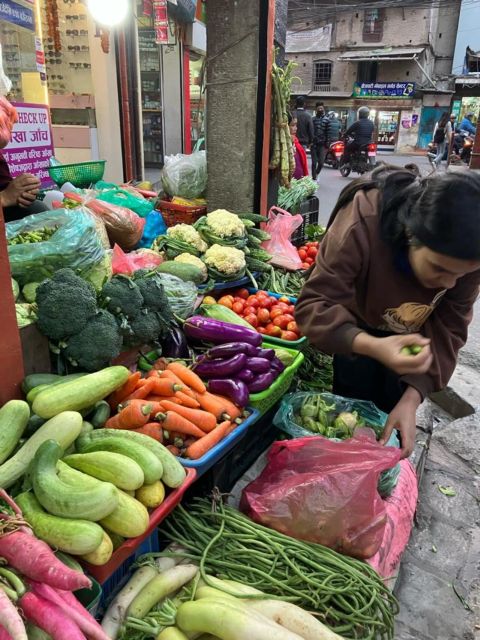
The market stop is where the lesson starts to feel practical. You are not just being shown a spice tin, you are learning what ingredients look like in Nepal and how they get used. You’ll gather what you need for the cooking session, and that makes the rest of the class feel like a chain, not random steps.
Even if you have cooked before, a local market changes how you think about flavor. You can see how spices are sold, what fresh items look like, and how everyday Nepalese meals come together. It also gives you a chance to ask questions about ingredients, which is usually where you get the most personal, useful answers.
My practical advice: bring your camera, but also bring your curiosity. Take photos of ingredients if you want to recreate recipes later, and use the market time to ask what tends to be used more often, and what is optional. The class includes ingredients and equipment, so you are not expected to shop like a chef. You are there to learn what those foods are and how they behave in a recipe.
Cooking Four Courses of Nepali and Newari Food
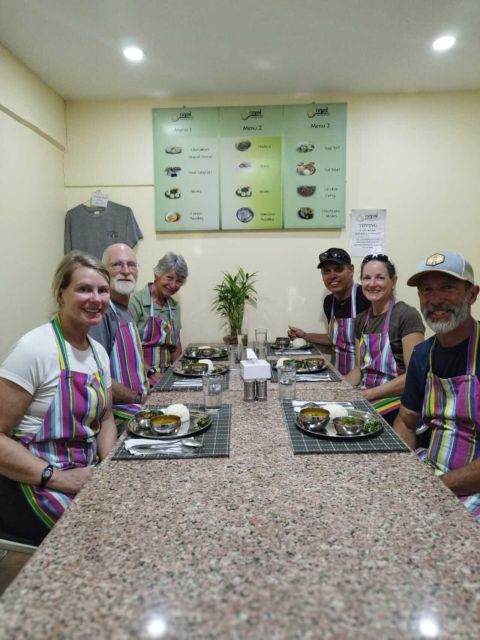
This is the hands-on part, and it is built for your stomach as much as your brain. You will cook a four-course menu featuring traditional Nepali and Newari food, with instruction that walks you through each process step by step. You cook, you eat, you cook again, and by the end you have a full meal created by your own hands.
The fact that the course is cooked and eaten immediately is not just convenient. It builds confidence. You see what the dish should taste like, then you can carry that understanding into the next recipe. If you are the type who learns best by doing, this format fits.
Also, the class emphasizes technique. You will learn Nepalese cooking methods in a way that is meant to be repeatable. You will notice how spice timing and seasoning choices affect the final dish. Even if you do not memorize every detail, you will likely remember the big ideas about flavor balance.
More that starts in Thamel:
- Kathmandu: Wood Carving Workshop with Local Artisan (Thamel)
★ 4.9 · 17 reviews - Kathmandu: Guided Food/ Drink Tasting walking Tour in Thamel
★ 5.0 · 4 reviews - Thamel Rickshaw tour
★ 4.7 · 3 reviews - Kathmandu: About 3-hour Cooking Class Experience near Thamel
★ 5.0 · 3 reviews
How spice control works (and why it is comforting)
A lot of people worry about Nepalese food being too spicy. The good news is you control how much chili you add for each dish. If you love chili, you can increase it. If you want it mild, you can go light or skip.
That is a big deal for comfort. It turns spice from a surprise into a choice, so the class stays fun instead of stressful.
Menus, Momo Focus, and Flexible Dish Swaps
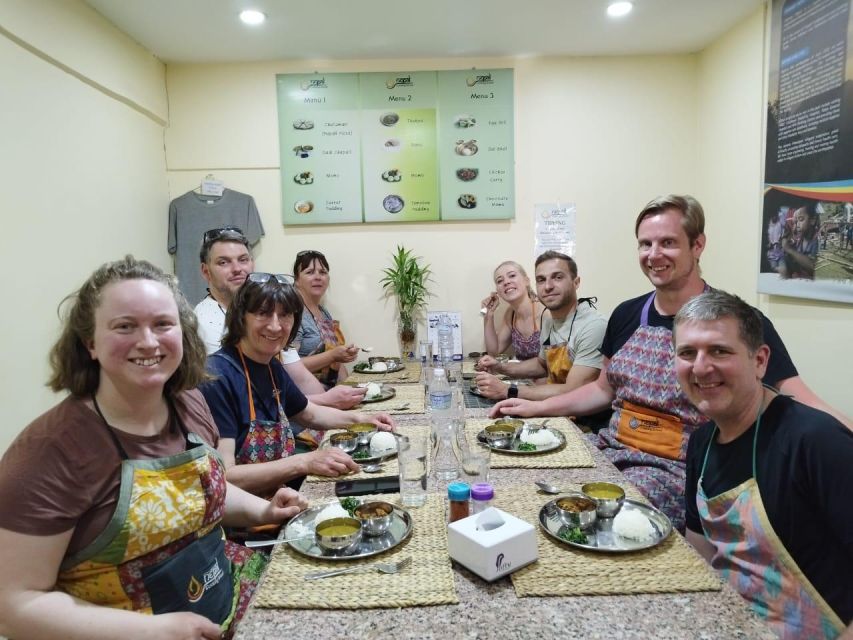
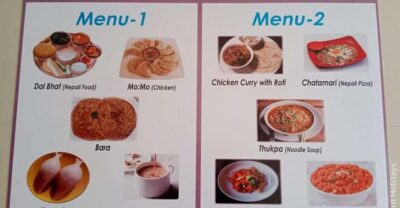
You get three different menus, and each menu includes four traditional dishes. This matters because you are not stuck with a single set menu. It also helps prevent the class from feeling repetitive, since you have a full lineup rather than one snack and three side lectures.
Momos show up on every menu, and that is a smart move. Momos are one of the foods most people look for in Nepal, and having them included ensures you leave with a signature dish. You will also learn how the dough or filling approach works in your specific menu sequence, which is better than just watching someone else do it.
One of the best parts of the setup is flexibility. Experiences described the menu choices as well organized, with the ability to adapt or swap individual dishes within the menu depending on what works for you. You can use this to adjust for preferences, and it also makes the class feel personal instead of factory-made.
If you have allergies or strong dietary restrictions, you should tell the cooking school in advance. The school notes you can share dietary needs so they can suggest alternatives or accommodations.
Taste Your Own Creations, Then Learn What Makes Them Work
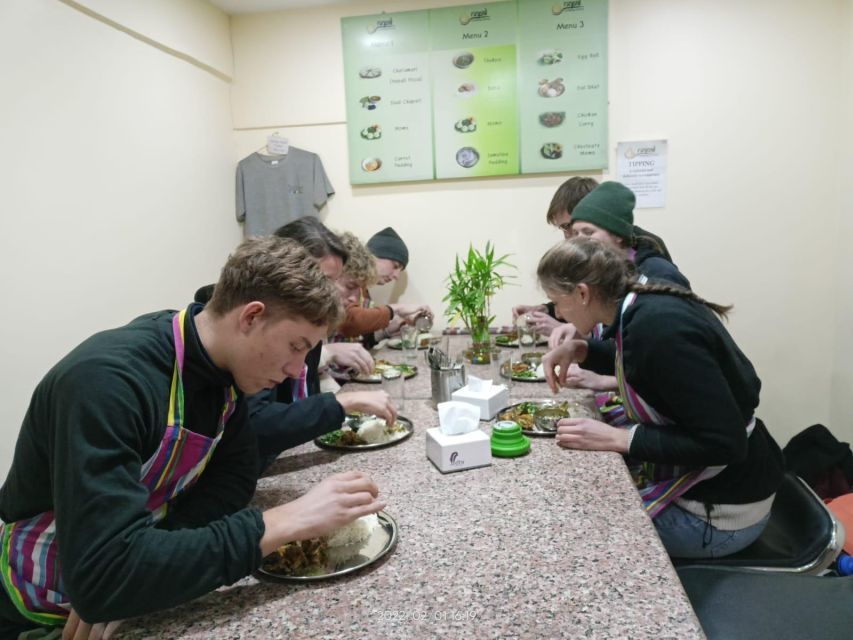
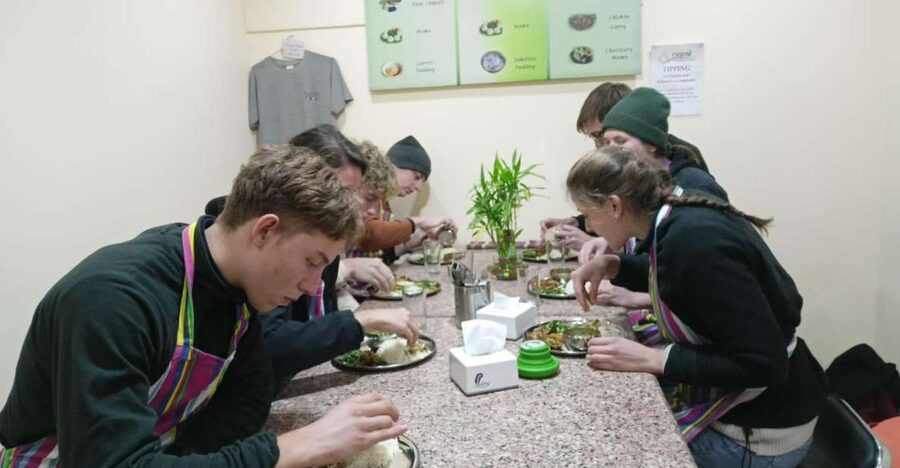
Cooking classes can sometimes miss the point, because you end up with food you made and no context for why it tastes good. Here, tasting is built into the rhythm. You eat what you cook while it is fresh and hot, so you can compare your results to what the instructor expects.
That feedback loop helps you learn faster. If something seems off, you are not waiting until the end of the class to figure it out. You are tasting immediately, so you pick up on how seasoning, cooking time, and technique shape the dish.
The experience also includes tasting a variety of dishes, not just your one main course. With four courses total, you get a wider sense of Nepalese and Newari flavor patterns in a single afternoon or morning.
And yes, you should come hungry. The class is designed around the idea that you will eat a lot. Even with a small group, this is still a full meal experience.
Price and Value: Is $21 Worth It?
At $21 per person for a roughly 3-hour session, this is priced like a value-focused activity, not a premium luxury cooking day. The value comes from three places: ingredient learning, hands-on cooking time, and eating a multi-course meal that you make yourself.
You are getting:
- a local market visit
- an English-speaking instructor
- equipment and ingredients
- masala tea plus drinking water
- four courses of traditional Nepali and Newari food
- a small group format limited to 8 participants
- a taste of every dish you cook
That is a lot bundled in, especially because you are not paying extra for transportation to a private location (private transportation is not included). You are also not paying extra for alcohol, since alcohol is not included.
Is it perfect value for everyone? If you already eat Nepalese food regularly and only want one dish, you might feel four courses is more than you need. But if you want real technique and a market context you can actually use, this is strong for the price.
Small Group, English Instruction, and Real Interaction
The class is limited to 8 participants, which changes the whole vibe. You get more chances to ask questions and to see what you are doing compared to the person next to you. It also makes the instructor’s guidance feel more personal when you are working on your own plate.
The instruction is in English, which is a practical advantage for visitors who are not confident with local terms. Even if you do not catch every spice name, you will still learn the method through watching, doing, and asking.
One review described the instruction as very interactive, and another emphasized a relaxed atmosphere that felt more like cooking with a friendly family than attending a stiff class. I would expect that you get a patient teaching style, since the structure is step by step and you will be cooking multiple dishes, not just one.
What to Bring and What to Expect During the Class
This experience keeps things simple. You only need to bring a camera. Everything else, including cooking equipment and ingredients, is included.
That said, bring two mental tools:
1) Come ready to cook, not just watch. You will be hands-on through multiple steps.
2) Share any dietary needs before you start so the instructor can make adjustments. The school specifically asks you to inform them about allergies or dietary restrictions.
Also, plan to stay flexible with your schedule around the shift time. Morning, afternoon, and evening sessions are available, so you can pick what fits your Kathmandu day without needing a full day committed.
Who This Cooking Class Suits Best (And Who Might Want Something Else)
This class is best for you if:
- you want a hands-on Nepal food experience in a short time
- you like learning from ingredients, not just recipes
- you want to eat multiple dishes you helped make
- you prefer smaller groups and English guidance
It may be less ideal if:
- you expect a guaranteed long market browsing time every day, because market timing can vary
- you want to control your shopping budget for spices beyond what is needed for the lesson
- you are looking for a purely theoretical cultural lecture, not cooking
If you are traveling alone, this can still work well. Small group classes tend to feel welcoming, and you get enough attention to keep up.
Should You Book This Thamel Cooking Class?
I think you should book it if you want an efficient, tasty way to learn Nepalese and Newari cooking while you are already in Thamel. The combination of market learning, step-by-step instruction, and four courses you eat hot and fresh is a strong value for $21. It is also one of the better formats for first-timers, because you get immediate results, and you can control chili to match your comfort level.
I would hold off or at least confirm details if the market visit is your top priority. One experience suggested the market piece might not happen the same way on a Saturday morning. If that is a dealbreaker for you, ask the school before you go so there are no surprises.
If you do book, do yourself a favor: show up hungry, take a camera, and be ready to cook.
FAQ
How long is the cooking class?
The class duration is about 3 hours, including the market visit and cooking four courses.
What are the class time options?
There are three shifts each day: 9:00 am, 1:30 pm, and 4:30 pm.
Is the local market visit included?
Yes. A local market visit is included as part of the experience.
How many people are in the group?
It is a small group limited to 8 participants.
What is included in the meal?
The class includes four courses of traditional Nepali and Newari food, and you will taste what you cook. Masala tea and drinking water are included.
What should I bring, and what should I tell the school?
Bring a camera. If you have dietary restrictions or allergies, tell the cooking school so they can suggest suitable ingredient options.
More Shopping Tours in Kathmandu
- Kathmandu Food & Drink and Shopping Rickshaw Tour
★ 5.0 · 48 reviews - Kathmandu: Food, Drink and Shopping Rickshaw Tour
★ 4.9 · 15 reviews - Kathmandu: Food, Drink and Shopping Rickshaw Tour
★ 4.7 · 7 reviews
More Markets in Kathmandu
- Kathmandu Secret Food Crawl & Local Market Tour
★ 4.7 · 54 reviews - Oldest Local Market Walking Tour With Living Goddess Kumari
★ 5.0 · 8 reviews - Kathmandu Food Crawl & Market Tour
★ 5.0 · 8 reviews
Latest Kathmandu write-ups
- 16 Days Island Peak Climbing With Everest Base Camp Private Trip★ 5.0 · 3 reviews
- Private Nepal round trip including Ghorepani Poonhill trek★ 5.0 · 3 reviews
- Everest Base Camp Trekking 16 Days★ 4.0 · 7 reviews
- 15 Days Round Annapurna Trek with Poon Hill from Pokhara★ 5.0 · 5 reviews
- 14 Days Luxury Annapurna Base Camp Trek★ 5.0 · 6 reviews
- Everest Base Camp Trek★ 5.0 · 32 reviews
- Everest Base Camp Trek★ 5.0 · 87 reviews
- Everest Base Camp Trek★ 5.0 · 97 reviews
Thamel, compared.
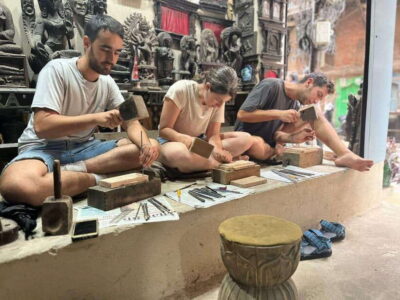
Wood Carving Workshop with Local Artisan (Thamel)
Read our review →
Guided Food/ Drink Tasting walking Tour in Thamel
Read our review →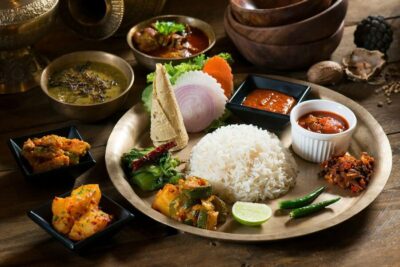
About 3-hour Cooking Class Experience near Thamel
Read our review →Browse the lists this tour appears in