
Reviewed · LANGTANG VALLEY TREK
Langtang Trekking
Langtang, Gosaikunda, and Chisopani is interesting because it pairs Kyanjin Ri viewpoint big-mountain drama with Tibetan Buddhist monasteries and the bright, unreal color of Gosainkunda lakes. The trek moves through real villages, not just trail scenery, and it still feels adventurous even when you are taking it one careful step at a time.
I love that the route is anchored by the Kyanjin Gompa area, with monastery stops that actually explain what you are seeing instead of just pointing at it. I also like the human side of the trip, the way guides such as Kumar and Pradip keep things organized and fun, including photo-friendly moments and clear explanations.
One thing to consider, before you fall in love with the idea, is the commitment. You need at least moderate fitness for long walking hours, and the trip price does not include meals or trek accommodation, plus bottled water and snacks are not included.
Key things you will notice on this trek
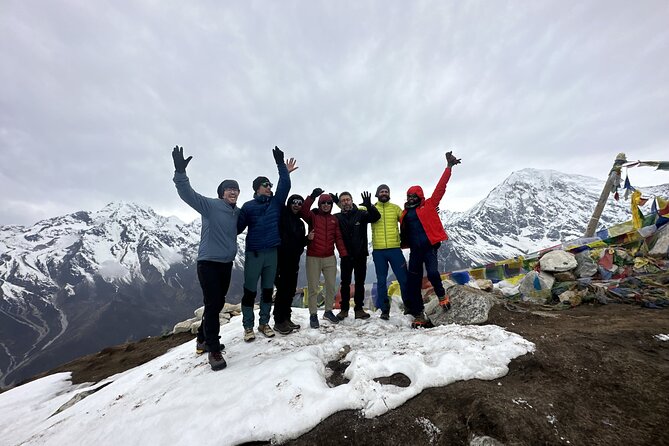
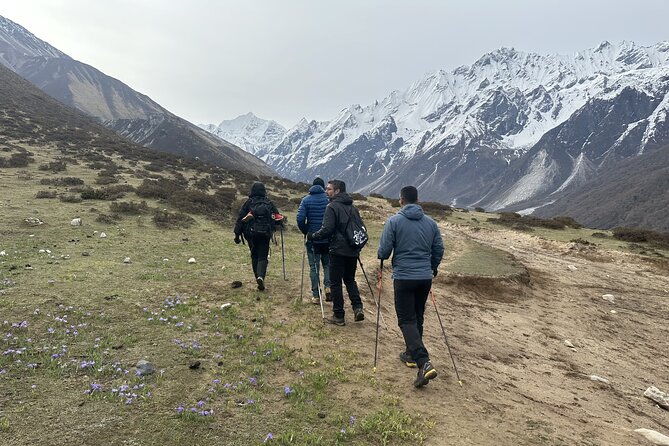
- Kyanjin Ri viewpoint and the Langtang valley monastery circuit, including Kyanjin Gompa
- Gosainkunda Lake plus linked lake stops with names like Mangengoth and Mul Kharka
- Government-licensed English speaking guide, which helps a lot on cultural stops
- Guide styles that fit real people, like Kumar’s fun pace and Pradip’s friendly explanations
- Private group setup and pickup, with an air-conditioned vehicle used for the travel portions
- Clear budget expectations, since lunch, dinner, breakfast, and trek lodging are not included
Why this Langtang-Gosaikunda-Chisopani route feels different
This trek is not only about reaching a view. It is about the way the landscape and culture talk to each other as you move through the Langtang region. You are looking at surreal mountain backdrops while also seeing Tibetan Buddhism reflected in monasteries and the day-to-day rhythm of hamlets.
What I like most is how the route is built around two kinds of highlights. First, you get major mountain moments, especially around the Kyanjin Ri viewpoint and the Kyanjin Gompa area. Second, you get the Gosainkunda section, where the air feels colder as you work upward, and the lakes bring a strong sense of place. That combination tends to make the long walking days feel worth it.
The trek is also described as one of the better ways to explore the Langtang valley by hitting multiple signature areas in one go. If you only did a short Langtang hike, you might miss the bigger cultural and high-lake feel. If you only did Gosainkunda without the Langtang valley monastery side, you might miss a major part of what makes this region tick.
More of the Langtang valley:
- Langtang Valley Trek
★ 5.0 · 140 reviews - Langtang Valley Trek
★ 5.0 · 61 reviews - Langtang Valley Trek
★ 5.0 · 50 reviews
Season choice: spring and autumn shine, monsoon is possible, winter is not
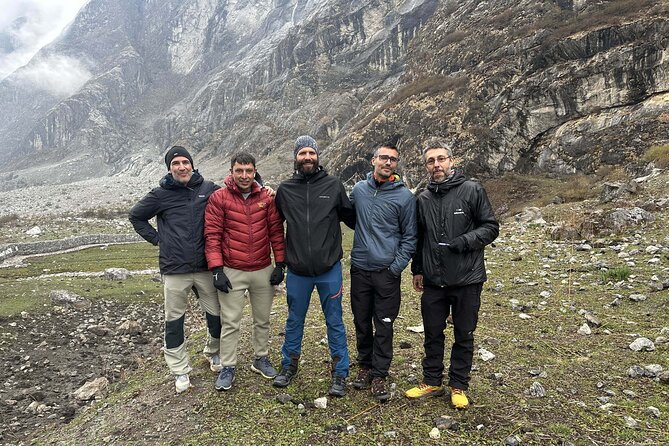
The trip can be done in any season except winter. That is a helpful range, but it comes with a real-world tradeoff.
- Spring and autumn are described as the best seasons for this trek. Expect more reliable hiking conditions and better odds of clearer mountain views.
- Monsoon is not so good, but trekking is still possible. In practice, this usually means more slippery trails and a higher chance that skies are less cooperative.
- Winter is excluded for this package.
If you are trying to maximize your “I am really here” moments, go for spring or autumn. If your calendar forces monsoon timing, just plan to slow down and take extra care on footing.
The 13 days connect Langtang monasteries, Gosainkunda lakes, and Chisopani calm
You should think of this as one continuous story told across the Langtang valley and beyond. Over the 13 days (approx.), you are moving from the Langtang side toward the Gosainkunda lake area, then onward to Chisopani.
Here is how the highlights fit together, in the order you will likely feel them:
Langtang valley focus: Kyanjin Ri and Kyanjin Gompa
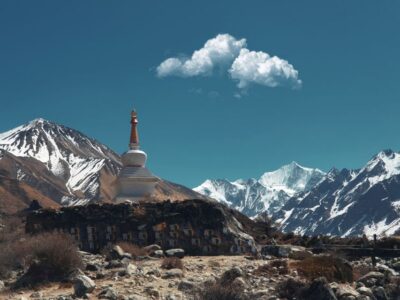
The trek’s high point begins with the kind of viewpoint that makes you stop and stare. Kyanjin Ri is the big “wow” moment in the area, and it is tied to the Langtang valley route. In many trekking routes, you get one viewpoint and then move on. Here, the viewpoint leads you into the monastery area, which makes the religious and cultural elements feel connected to the views rather than separate.
Kyanjin Gompa is described as the largest monastery in the Langtang valley. Even if you are not a deep expert in Tibetan Buddhism, you will likely appreciate the way these sites give meaning to the region. You are walking in a place where devotion and daily life share the same space.
More to compare around Kathmandu
- Everest Base Camp Trek – 14 Days
★ 5.0 · 1,499 reviews - Everest Base Camp Trek
★ 5.0 · 842 reviews - Private Kathmandu Sightseeing Tour | UNESCO World Heritage sites
★ 5.0 · 756 reviews - Kathmandu: 7 UNESCO Sites with Lunch
★ 4.8 · 744 reviews
Village and monastery steps: Sherpa Gaon and Shin Gompa
After the core Langtang monastery zone, you keep meeting cultural stops. Sherpa Gaon is one of the highlighted hamlets, and it helps you understand that the people here are living their culture, not just hosting trekkers.
Then you have Shin Gompa, another monastery stop. This matters because the trek is not just “look at a building.” You should expect guidance that explains what you are seeing, especially since the guide is English speaking and government licensed. When your guide is good, these stops become a kind of moving classroom.
The Gosainkunda section: icy air and turquoise lake views
Gosainkunda is the signature high-lake moment of the trek. You are going for the turquoise water and the feeling that the air is sharper and colder as you climb higher into the lake zone.
The trek also includes Gosainkunda and its siblings, with names like Mangengoth and Mul Kharka. That is a big deal. Instead of only seeing one lake and calling it a day, you get multiple lake-area stops. It helps you compare the mood of each spot, and it usually makes the hike feel less repetitive.
Finishing movement toward Chisopani
Chisopani appears as the final highlight. This is where the trek often starts to feel like you are transitioning from high-mountain intensity back toward a more settled rhythm. Even without inventing daily distances, you can expect that the walking effort continues, while your mind shifts toward how the route ends.
Kyanjin Ri and Kyanjin Gompa: where the trek gets its main “anchor” moments
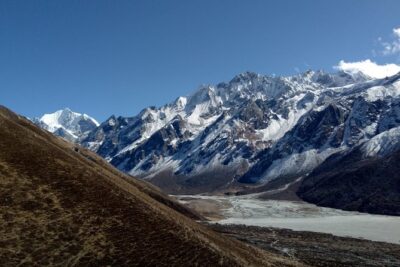
If you care about views, this is the section to pay attention to. Kyanjin Ri is singled out as one of the trek’s top features, and it tends to be the moment where people realize the whole effort was not just for the photos. The viewpoint helps you understand the scale of the Langtang range and how it frames the monasteries and village areas below.
Right after that, Kyanjin Gompa brings the cultural layer into focus. Being described as the largest monastery in the Langtang valley is not just trivia. It gives you a sense that this is a central spiritual location for the region. When your guide explains what the monastery represents, it can change the way you experience the buildings, prayer spaces, and how people move through the compound.
Practical tip: viewpoints often require patience with clouds and wind. Start the day ready for a slower pace, especially if you want clear skies.
Sherpa Gaon and Shin Gompa: a cultural trek that still respects your energy
One reason this package stands out as a cultural tour is that it includes hamlets and monasteries as part of the hiking flow, not as brief photo stops. Sherpa Gaon is one of the listed highlights, and it gives you a glimpse of how life continues in this high country.
Then Shin Gompa adds another monastery stop. When these places are placed along the trail correctly, the trek feels like you are learning as you go. You are not rushing from one destination to the next like a checklist.
This is also where your guide quality matters most. In real terms, an English speaking guide can help you ask the kinds of questions that turn a building into a story. That is exactly what guides like Pradip are known for, with friendly explanations of landscapes and cultural sites along the way, plus helping with photography. If you enjoy learning and you like to ask questions, you will likely feel satisfied here.
Gosainkunda and the lake-sibling stops: the cold-air payoff
Gosainkunda is the emotional center of the trek. The lake is described as unparalleled in color, and the experience includes the icy air you feel above Gosainkunda Lake.
But the real value here is that the trek is not limited to one lake moment. You also get Gosainkunda and its siblings, with stops such as Mangengoth and Mul Kharka. Multiple lake stops give you variety in the same general high-altitude zone. It also helps you avoid the feeling that you only experienced one good view and then walked for the rest of the day.
What to expect here in plain terms:
- The air tends to feel sharper, so plan for layers.
- You will likely spend time moving slowly, taking in the lakes and letting your body adjust.
- The guidance from your trekking guide matters, because you are in a sacred area, and interpretation can change the tone of your visit.
This part of the trek is often what people remember long after they forget the smaller trail turns. It is the reason the route is worth considering if you want a mix of mountain views and high-lake atmosphere.
Mangengoth, Mul Kharka, then Chisapani: keeping the rhythm to the end
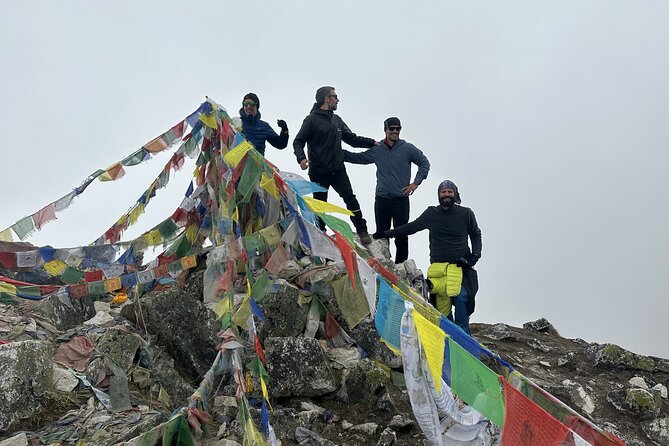
After Gosainkunda and the sibling lake stops, you keep trekking through named areas like Mangengoth and Mul Kharka, then onward to Chisopani (listed as Chisapani in the highlights).
This section is important because it tests your pacing. Not every trek feels the same each day, but this one is designed so you finish with a calmer landing rather than a sudden stop. Chisopani is often where you start thinking about showers, warm meals, and the relief of regular rest.
One detail you will be grateful for is the guide and porter teamwork. The trip includes a porter support element in the region’s typical model, and the tour explicitly notes tip expectations for both guide and porters, which usually means they are part of your daily logistics. One of the guides associated with this style of trip, Pralad, is described as patient, especially when the group walked slowly. That kind of patience is not a luxury on long routes. It keeps everyone moving safely and helps you enjoy the scenery rather than just survive the day.
Guide and organization quality: why English matters on a cultural trek
This package is sold with an English speaking trekking guide licensed by Government, and that is a strong baseline. It is one of those “seems small until you need it” features. Cultural sites, monastery context, and even navigating the route feel easier when you can understand what the guide is saying and ask follow-up questions.
What I especially like is the way guides are described as engaging and consistent. Kumar is noted for making the trip very fun and for being consistently humorous, plus knowing a lot about what people asked. Pradip is described as experienced and friendly, with explanations of cultural sites and landscape features, and he even took very nice pictures. Another team pairing includes Pralad and porter Sunil, with a focus on patience for slower walking pace and good hotel choices.
Also worth noting, the trip management is described as well organized by Devaraj. Even if you do not care about logistics, good organization matters for you on the ground, because it reduces the stress that can drain your energy on tough hiking days.
Air-conditioned vehicle and pickup: small comfort, big impact
Some treks just start with a long travel day. Here, pickup is offered, and the included transport includes an air-conditioned vehicle.
That is practical value if you are arriving in Kathmandu and want to avoid the scramble of finding your way to the start point. It also helps if you arrive tired. When your trekking days are demanding, you want your first day to be as smooth as possible.
You also get a mobile ticket. That matters for peace of mind. Less paperwork hunting, fewer delays when plans shift.
Price and value: what $699 covers, and what you must budget
The price is $699.00 per person for a 13-day trek (approx.). The headline number is only useful when you look at what is included and what is not.
What is included in the price
- English speaking trekking guide licensed by Government
- Permits
- Air-conditioned vehicle
- Pickup is offered, and you get a mobile ticket
For many trekkers, permits are a big hidden cost. Having them included makes budgeting simpler. The licensed English guide is also a real value, not just a marketing line, because it affects how well you understand cultural and route details.
What is not included
The not-included list is long enough that you should budget deliberately:
- Lunch, dinner, breakfast
- Accommodation during the trek
- Snacks, bottled water
- Coffee and/or tea
- Alcoholic beverages
- Use of bicycle (so it is not a bike-focused trip)
- Visa fee to enter Nepal
- International flight tickets
- Travel insurance
- Tips for guide and porters
- All fees and taxes
So, is $699 a good value? It can be, if you are comfortable adding costs for meals, lodging during the trek, and tips. If you want a fully packed package where everything is included, this one may feel incomplete. But if you plan ahead and you value a licensed guide and permits in the baseline price, you are paying for the right things, not just a route name.
Logistics that matter: start time, private group, and how confirmation works
The meeting point start time is 7:15 am. That early start is not unusual on trekking routes, but it affects what you do the night before. Plan for an early morning, and try not to schedule anything that runs late the evening before.
This is also a private tour or activity, meaning only your group participates. If you want flexibility and a more personal guide relationship, that is a plus. The downside is you might not get the same budget spread you would in a big group format.
Confirmation is received within 48 hours of booking, subject to availability. That is useful if your schedule is tight.
Service animals are allowed, and the meeting area is near public transportation. Those are small details, but they can make a difference depending on your situation.
Getting ready: fitness, pacing, and cold-weather realism
The trek is described as suitable for anyone at least fit to walk for long hours, and it highlights extreme climate and terrain. That is the honest framing: you do not need to be a mountaineer, but you do need stamina.
Practical advice for your body:
- Bring a pacing mindset. The best treks are steady, not heroic.
- Expect cold, especially around higher, lake-based days. Layers are your friend.
- If you need to walk slowly, do it. Good guides adjust, and patience is part of the experience.
This trek’s value is that it trains you to endure in harsh conditions while still delivering meaningful cultural and scenic rewards.
Should you book this Langtang trekking package?
Book it if you want a trek that blends Langtang valley monastery culture with Gosainkunda high-lake moments, and you like the idea of spending enough time in each area to actually feel the rhythm of the region. The guide quality and English communication seem to be a strong point, especially with guides like Kumar and Pradip, and good organization from Devaraj.
Consider another option if you want a fully inclusive package where meals, trek lodging, and drinks are covered. Here, you will need to plan for those costs, and you should also avoid winter travel since this trek is not offered for that season.
If you are ready for long walking hours, and you want the kind of day-to-day experience that mixes serious mountain atmosphere with real cultural stops, this route is a strong choice.
FAQ
How long is the Langtang, Gosaikunda, and Chisopani trek?
The duration is 13 days, approximate.
What time does the trek start?
The meeting point start time is 7:15 am.
What is included in the $699 per person price?
It includes an English speaking trekking guide licensed by Government, permits, and an air-conditioned vehicle (plus pickup is offered).
What is not included in the price?
Not included are snacks, bottled water, alcoholic beverages, coffee and/or tea, visa fee to enter Nepal, international flight tickets, travel insurance, tips for guide and porters, all fees and taxes, and lunch, dinner, breakfast, and accommodation during the trek.
Which seasons can you do this trek in?
It can be done in any season except winter. Monsoon is not so good but trekking is possible. Spring and autumn are best.
Is this a private tour, and how soon will I get confirmation?
Yes, it is private, and only your group will participate. Confirmation is received within 48 hours of booking, subject to availability.
Latest Kathmandu write-ups
- Langtang Valley Trek★ 5.0 · 3 reviews
- Khopra Danda Trek★ 5.0 · 3 reviews
- Langtang Valley Trek from Kathmandu★ 5.0 · 3 reviews
- 5 night / 6 days Kathmandu Nagarkot Chitwan Pokhara tour★ 5.0 · 3 reviews
- Nepal Highlights Tour: 5 Nights 6 Days Kathmandu & Pokhara Tour★ 5.0 · 3 reviews
- Kathmandu Valley Private Day Tour★ 5.0 · 3 reviews
- Conquer the Himalayas: The Ultimate 16-Day Annapurna Circuit Trek★ 3.5 · 3 reviews
- Kathmandu Heritage Day Tour★ 5.0 · 3 reviews
Langtang Valley Trek, compared.
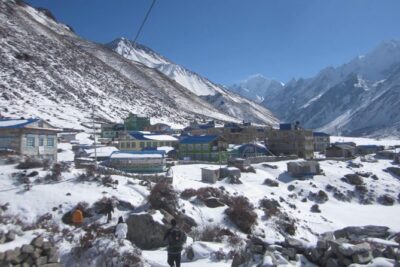
7 Days Langtang Valley Private Trek From Kathmandu
Read our review →Browse the lists this tour appears in