
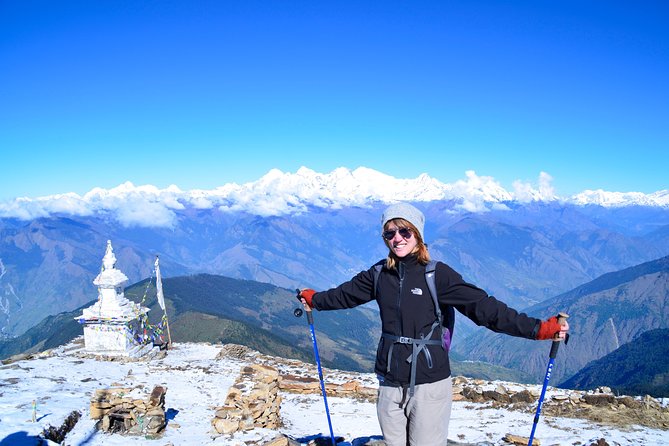
Reviewed · LANGTANG VALLEY TREK
Langtang Valley Trek
Langtang Valley Trek is one of those close-to-Kathmandu treks that still feels genuinely remote, with glaciers showing up like you can touch them. I love the forest days, especially when rhododendrons turn the trail into a living spring postcard with snow peaks peeking through.
The real emotional payoff is Kyanjin Gompa. It is a centuries-old Buddhist area where you can visit a cheese factory, and guides like Prakash, Bishal, and Ram are known for keeping the route and pace sensible so you do not feel rushed.
The main consideration is altitude and stamina. You get up to viewpoint country like Tserko Ri at 5,000m, and the later climbs can feel hard, even if the trek is described as moderate overall, so plan to move slow and steady.
Key Things That Make This Trek Worth Your Time
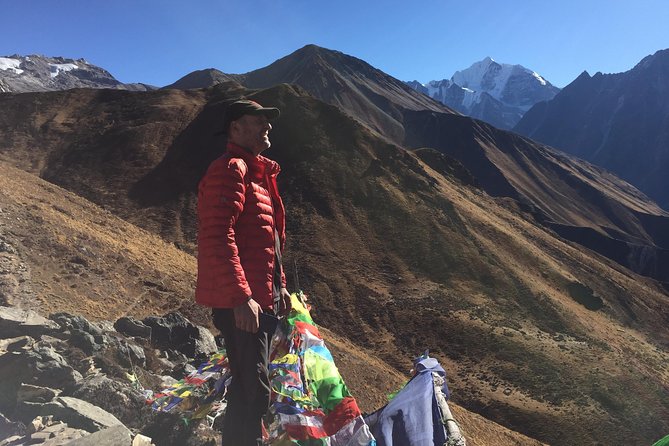
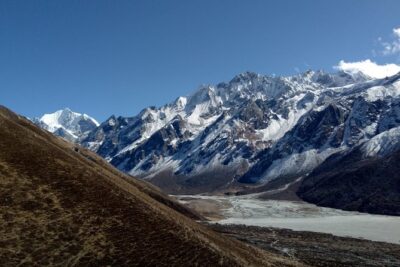
- Valley of Glaciers setting: big ice energy and mountain drama close to Kathmandu.
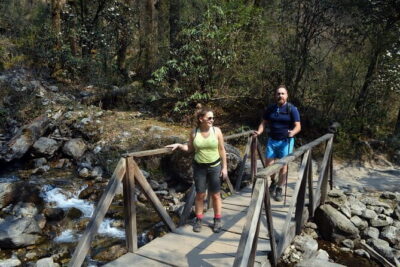
- Rhododendron and forest trekking: dense woods, suspension bridges, and river trail walking.
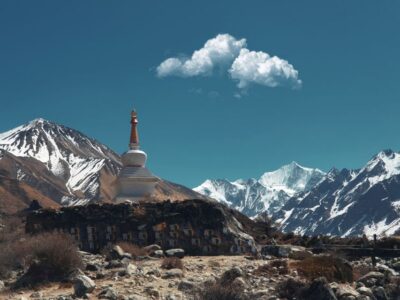
- Kyanjin Gompa payoff: monasteries plus the option to grab cheese from the local factory.
- Side hike to Tserko Ri (5,000m): a high viewpoint that helps you feel why the effort matters.
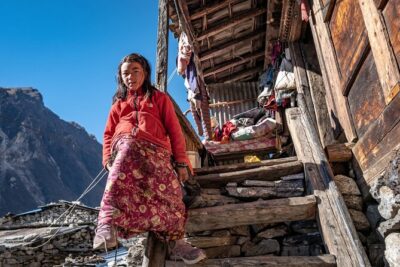
- Tamang villages along the way: real settlement life, not just scenery.
- Good organization that reduces stress: guides named in feedback often focus on safety and smooth logistics.
Where Langtang Fits for Time and Ambition
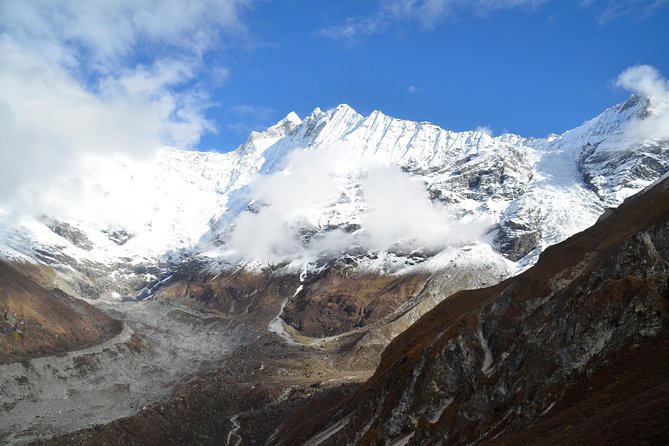
If you want a Himalayan trek but you do not have a month, Langtang Valley is a strong fit. It is close enough to Kathmandu that you are not spending days just getting to the mountains, yet you still get proper trekking days with lodges, trekking meals, and that slow altitude climb.
I also like how the trek is structured around a clear progression. You drive from the city to the trailhead, hike toward a key village base, then add short viewpoint goals before you loop back down. That rhythm works well for first-timers and for people who want to feel challenged without being thrown into pure marathon mode.
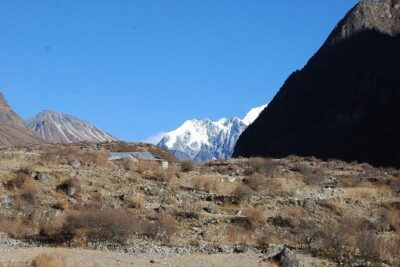
One more thing I appreciate: the trek is designed around the valley itself. You are not only hiking to a single summit. You are seeing how glaciers, pastureland, forests, and culture sit together in one system, right down to daily life in the Tamang settlements.
More of the Langtang valley:
- Langtang Valley Trek
★ 5.0 · 140 reviews - Langtang Valley Trek
★ 5.0 · 61 reviews - Langtang Valley Trek
★ 5.0 · 50 reviews
The Kathmandu Start: Hotel Nights, Welcome Dinner, and Getting Sorted
Your trip begins in Kathmandu with airport help. An airport representative meets you outside Tribhuvan International Airport and you get a transfer to your hotel by private vehicle.
You stay two nights in Kathmandu with breakfast included. That matters because it gives you time to get your gear in order, rest your legs after flying, and handle any small tweaks before you hit the trail.
There is also a welcome dinner at a typical local restaurant with a cultural dance show. It is a simple extra, but it helps you switch into Nepal mode quickly, especially if this is your first time here.
Tip for your sanity: if you are seeing a start time listed as 12:15 am, confirm pickup timing clearly when you book. Early-morning transfers happen in Nepal, but the exact hour you need matters when you are trying to pack and sleep well.
Getting to Syabrubesi: Why That 7-Hour Jeep Ride Is Part of the Experience
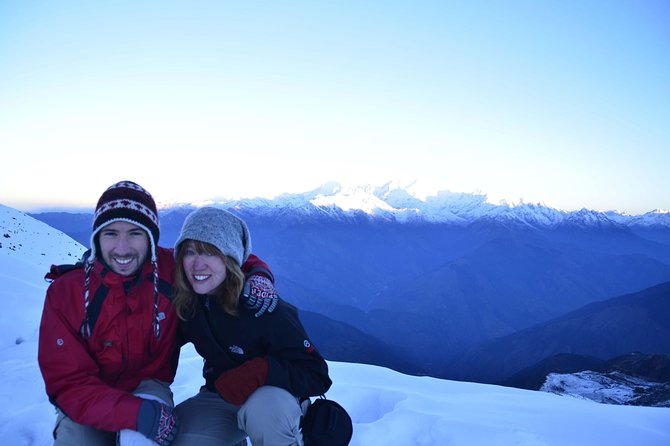
Day 2 is all about the transition from Kathmandu valley to trekking reality. You drive about 7 hours by local jeep from Kathmandu to Syabrubesi.
The route is described as moving north out of Kathmandu valley through foothills and river scenery along the Trisuli River. You also get glimpses of Ganesh Himal and Tibet peaks, plus terraced fields and green hills. Even if you are tired, this stretch helps you get your bearings fast.
Why this matters for value: that long drive is included in the package, and it is not a small detail. In Nepal trekking, how you get to the trailhead affects how you feel on Day 3, and this plan aims to take the log-jam parts off your plate.
Day 3 to Day 4: Into the Forest and Toward Lama Hotel
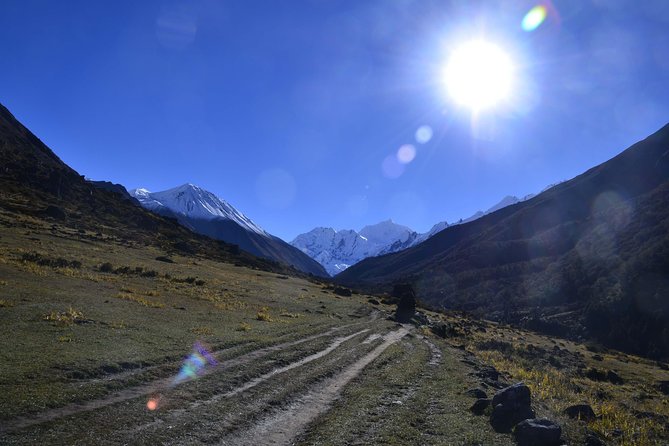
On Day 3 you start your first real trek day to Lama Hotel. The trail follows the Langtang River, with dense forests and suspension bridges. Expect the usual ups and downs, not a straight-line walk.
This is one of my favorite trek styles: river walking early on usually keeps your mind focused and your legs warmed up. You are not staring at a summit plan right away. You are reading the trail, crossing bridges, and settling into rhythm.
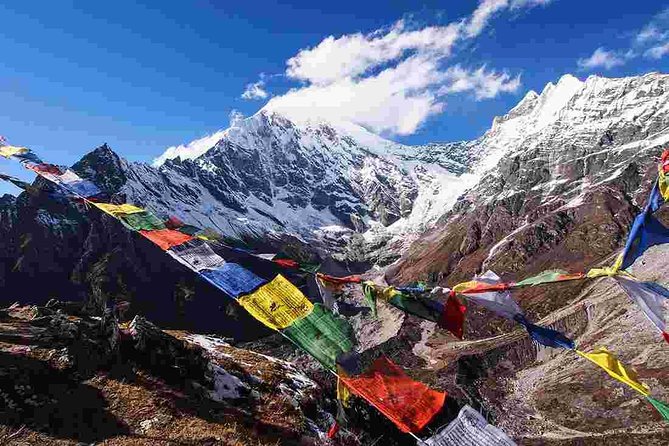
Day 4 continues the ascent, now through rhododendron, oak, and pine forests. This is where you can start seeing snow peaks of Langtang, plus broad valley views with grazing animals like yaks, cows, sheep, goats, and horses.
Langtang village is highlighted as one of the oldest villages along this trekking trail. That adds depth to the walk, because you are not only moving through nature, you are walking through a place where people have adapted to mountain life for generations.
What to watch: forest walking can make distance feel shorter, then you realize you still climbed a lot. Keep your pace steady, take short breaks, and do not assume you can sprint because the ground is shaded.
More to compare around Kathmandu
- Everest Base Camp Trek – 14 Days
★ 5.0 · 1,499 reviews - Everest Base Camp Trek
★ 5.0 · 842 reviews - Private Kathmandu Sightseeing Tour | UNESCO World Heritage sites
★ 5.0 · 756 reviews - Kathmandu: 7 UNESCO Sites with Lunch
★ 4.8 · 744 reviews
Day 5: A Short Push to Kyanjin Gompa
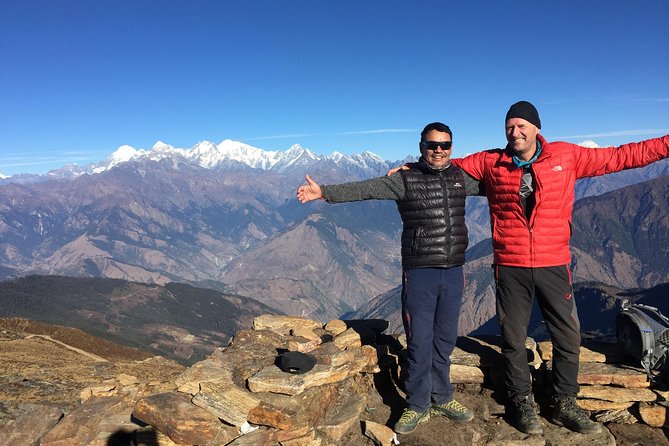
Day 5 is an easier-feeling day: a short trek of about 3 hours to Kyanjing Gompa (often tied closely to Kyanjin Gompa in common trekking use).
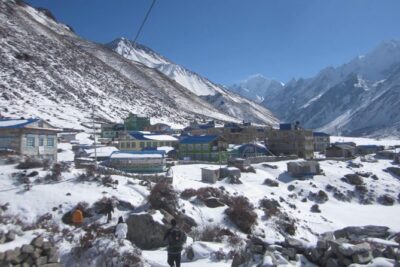
Kyanjin is described as the last human settlement in the Langtang valley. When you reach it, you get that “we finally made it” feeling, because you are no longer walking toward villages every hour.
The practical perk here is that you can visit the cheese factory and buy cheese. You can also visit monasteries and learn about the religious values of people in the region. Even if you do not speak the local language, monastery spaces communicate with silence, routine, and how people move through the day.
This day also helps your acclimatization. You are not spending all your energy on Day 5, which makes Day 6 more enjoyable.
Day 6: Kyanjin Gompa Sightseeing and the Glacier View Payoff
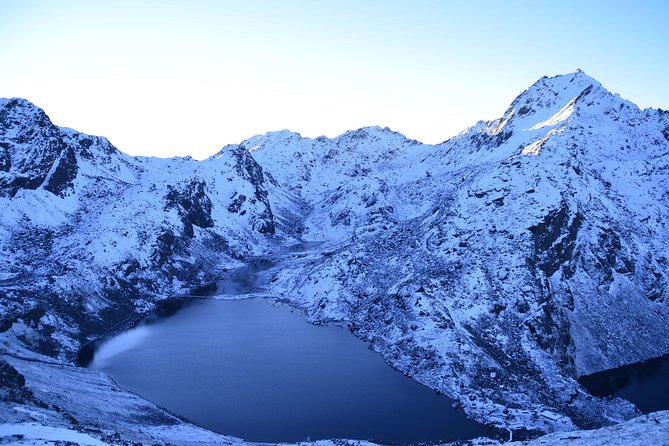
Day 6 is built around staying in place and doing short walks with big rewards. You sightseeing in and around Kyanjin Gompa, visiting old Buddhist monasteries and walking a bit to see icy cones of Langtang peaks and glaciers that originated from the Himalayas.
You then have another optional-style walk to Tserko Ri (5,000m) for panoramic views of the Langtang glaciers and Langshisha Kharka, described as beautiful yak pasture land.
I like this structure because it gives you options based on how you feel that morning. If altitude makes you cautious, you can still get value from the monastery visit and the easy glacier-view walking. If you feel strong, the viewpoint hike is the highlight.
In feedback for this trek, people also mention being able to go up to Kyanjin Ti and Tserko Ri when the group’s timing and energy worked out. That is a good reminder that a flexible guide can matter, not just a fixed schedule.
Day 7 to Day 8: Downhill to Lama Hotel and Syabrubesi
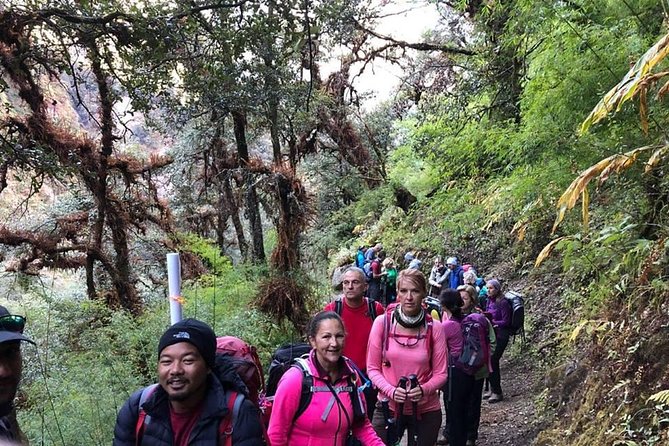
Day 7 brings the downhill. You revert your trek to Lama Hotel, about 6 hours on an easy walk through green forest and Tamang settlements.
Downhill days feel easier in theory, but your knees and ankles have other opinions. The best move is to take shorter steps and keep your feet planted. Also, do not save all your water for later. Hydration stays important even when you are descending.
Day 8 continues downhill about 6 hours to Syabrubesi. You walk through lush green vegetation from Lama Hotel, and you end the trek phase with the feeling that you are back in civilization, but without losing the mountain memory.
Why this matters: the trek is designed so you do not need to carry a huge amount of stress on your final trekking days. You still work, but you do not have another high push before you return.
Day 9 and Day 10: Return to Kathmandu and Airport Drop-Off
On Day 9, after breakfast, you take a local jeep or bus back to Kathmandu, then transfer to your hotel. You get time to freshen up, plus free time around Thamel for shopping or eating.
That matters because after lodge days and trekking schedules, a real shower and some flexibility make the trip feel complete.
Day 10 is the simplest day: you get dropped at the International airport for your flight home or onward. It is a clean ending to a trek that is mostly about getting your mind and body into a steady mountain rhythm.
Lodges, Meals, and the Comfort Level You Should Expect
Your trekking days use local lodges for accommodation. The big value point is that the package includes everyday three meals during the trek: breakfast, lunch, and dinner.
You also get a first aid medical kit box. It is not the same as a hospital, but it helps for basic trekking needs, which is all you can reasonably ask for in remote areas.
WiFi, hot shower access, and charging are listed as not included. Plan for that. You will still have warm meals, a bed, and basic comfort, but modern conveniences are spotty when you are that far up the trail.
If you need gear support, the operator says they can provide a company duffel bag and sleeping bag for the trek if needed. That is useful for travelers who come with light luggage or who do not want to buy everything before Nepal.
Price and What Makes It Feel Fair at $850
At $850 per person, this trek is not cheap, but it is also not just selling a view. The price includes the heavy logistics: airport and hotel shuttles in Kathmandu, private jeep transport to and from Syabrubesi, a government-authorized trekking guide, lodge lodging during the trek, and essential trekking and entry permit fees.
It also includes a welcome dinner with cultural dance show, first aid kit box, and a trip achievement certificate. Those extras are not the main reason to pay, but they add up when you look at what you would otherwise arrange yourself.
What is not included is also clear: Nepal entry visa fees, international airfare, WiFi and hot shower access during the trek, porters if you choose them, and tips to crews.
My practical advice: this price tends to make the most sense if you want a guided trek with meals already handled and you do not want to figure out permits and timing on your own. If you are a super independent traveler who already knows Nepal logistics well, you might find cheaper ways to assemble the trip. But for most people, the included guide, meals, and ground transport are what keep this from turning into a DIY project.
Guides, Safety, and the Small Stuff That Changes Everything
A recurring theme in feedback for this trek is that the guides are organized and take safety seriously. Names that come up include Prakash, Bishal, Ram, Zagat, Keshab, Buddhi, plus coordination by Ganesh for communication ahead of time.
What you should care about is not the name on a list. It is the working style:
- Guides give good route knowledge and pacing advice.
- Groups report feeling safe and well looked after.
- Coordination is described as smooth, sometimes with flexible adjustments so you can do the hikes you want, like Tserko Ri.
If you have questions before you go, one review notes communication happened easily through Whatsapp. That matters because unclear communication is one of the most common stressors on trekking trips.
Also, you get a “private tour/activity, only your group participates” setup, plus group discounts. That combination can mean a calmer trek experience than large group tours, especially if your group ends up small.
What You Really Need to Prepare For (Altitude, Packing, Pace)
This trek calls for moderate physical fitness. That is a helpful baseline, but it does not remove altitude from the problem list.
You should prepare for:
- Long walking days of around 6 to 7 hours on some legs.
- A viewpoint day to Tserko Ri at 5,000m.
- Weather sensitivity, because the experience is described as requiring good weather.
Packing is not listed in the data you gave, so I will keep this general. Bring layers, focus on comfortable walking footwear, and expect limited charging and WiFi up the trail. If you are offered a sleeping bag through the company, still verify what you will get and whether you need a liner.
On the trail, the best strategy is simple: go slower than you think you need to. Mountain air punishes fast pacing. Drink water regularly, even when you feel fine, and keep breaks short.
Who This Trek Suits Best
This is a good match if you:
- Want a Himalayan trek that is close to Kathmandu but still feels remote.
- Like forests, rivers, and villages as much as they like mountain views.
- Want lodge comfort with meals handled.
- Are okay with altitude and you can handle the idea of a tough viewpoint hike.
It is also a strong choice if you are traveling with a friend or small group and you want private group participation. The itinerary is built for people who want structure, but you still get chances for short side walks at Kyanjin Gompa.
If you are someone who hates any steep effort at all, be honest with yourself about Tserko Ri and the later climb days mentioned in feedback. The trek can be doable, but it is not a flat stroll.
Should You Book the Langtang Valley Trek?
I would book this trek if you want value in the practical sense: guided routing, meals included, lodge logistics handled, and a clear destination payoff at Kyanjin Gompa plus a high viewpoint at Tserko Ri.
Skip or reconsider if altitude makes you nervous and you cannot commit to slow pacing, or if you strongly need daily hot showers and reliable charging. Those are not included, and you will feel that limitation once you’re out of the Kathmandu bubble.
If you do book, do one more thing that pays off: confirm your timing and pickup details clearly, including that early listed start time. Once that is settled, this itinerary does a nice job turning effort into real views, real culture, and that glacier-focused sense of place the Langtang region is known for.
FAQ
Where does the trek start and how do you get there?
You start in Kathmandu. You fly into Tribhuvan International Airport, then take a private vehicle transfer to your Kathmandu hotel. After your Kathmandu nights, you drive about 7 hours by local jeep to Syabrubesi, which is where the trekking begins.
How long is the Langtang Valley Trek?
The duration is listed as 10 days approximately, including two nights in Kathmandu and trekking days between Syabrubesi and Kyanjin Gompa.
What are the key trekking destinations during the trip?
The trip includes Syabrubesi, Lama Hotel, Langtang village area views, Kyanjin Gompa, and viewpoint walking up to Tserko Ri (5,000m). You then trek back down to Lama Hotel and return to Syabrubesi before going back to Kathmandu.
What meals are included?
During the trek, the package includes three meals each day: breakfast, lunch, and dinner.
Is a guide included?
Yes. You get an experienced Nepal government authorized trekking guide.
Are permits and entry fees included?
The tour includes essential trekking and entry permit fees.
Do I need to pay extra for a porter?
A porter is available at an extra cost, so you are not required to have one included by default.
Is WiFi or a hot shower included on the trek?
No. WiFi, hot shower access, and charging are not included during the trekking days.
Is there free cancellation?
Yes. You can cancel up to 24 hours in advance for a full refund. If you cancel less than 24 hours before the experience start time, you will not receive a refund. The experience also requires good weather, and if it is canceled due to poor weather, you will be offered a different date or a full refund.
Latest Kathmandu write-ups
- Langtang Valley Trek★ 5.0 · 3 reviews
- Khopra Danda Trek★ 5.0 · 3 reviews
- Langtang Valley Trek from Kathmandu★ 5.0 · 3 reviews
- 5 night / 6 days Kathmandu Nagarkot Chitwan Pokhara tour★ 5.0 · 3 reviews
- Nepal Highlights Tour: 5 Nights 6 Days Kathmandu & Pokhara Tour★ 5.0 · 3 reviews
- Kathmandu Valley Private Day Tour★ 5.0 · 3 reviews
- Conquer the Himalayas: The Ultimate 16-Day Annapurna Circuit Trek★ 3.5 · 3 reviews
- Kathmandu Heritage Day Tour★ 5.0 · 3 reviews
Langtang Valley Trek, compared.
7 Days Langtang Valley Private Trek From Kathmandu
Read our review →Browse the lists this tour appears in