
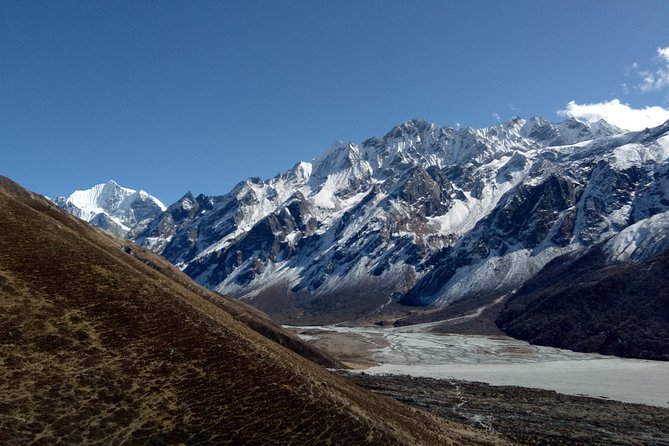
Reviewed · LANGTANG VALLEY TREK
Langtang Valley Trekking
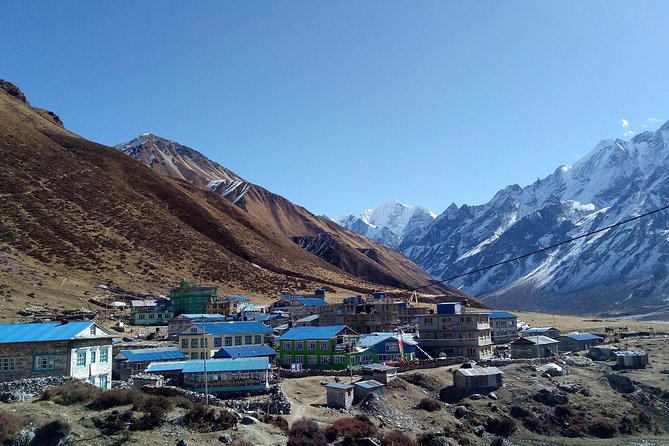
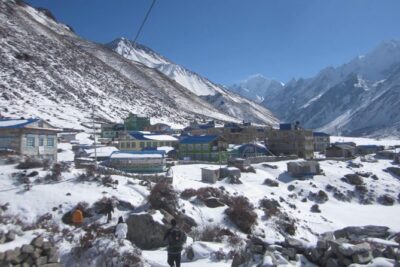
Langtang Valley trekking is interesting because you are not just hiking in the Himalayas, you’re walking through Langtang National Park where mountain scenery blends with Tamang villages and Tibetan Buddhist details. Expect trail days framed by rhododendron, orchid, and pine forests, plus a real chance to spot wildlife like monkeys, musk deer, and pika, with the danphe (Nepal’s national bird) showing up if you’re lucky. With coordinators like Mr Mani helping smooth the plan, it can feel surprisingly organized for a wilderness trek.
Two things I particularly like. First, the nature mix is specific and day-to-day interesting, not generic mountain views. You’re trekking in a protected area with many vegetation types, and that variety changes how the trail feels as you go. Second, the cultural signs are constant and not just sightseeing. Gompas, mani walls, and prayer flags show the area’s strong Tibetan Buddhism influence, and you’ll pass through Tamang communities with their distinct culture and way of life.
One consideration: altitude and timing. Even with good pacing and support from guides (names you might meet include Pasang, Ganesh, and Sundeep), you should plan for breath-catching climbs, slower days, and basic lodging where comfort is simple. That’s normal here, but you should be ready for it.
Key highlights that make this trek worth your time
- Langtang National Park setting with forests and wildlife you can actually encounter on the trail
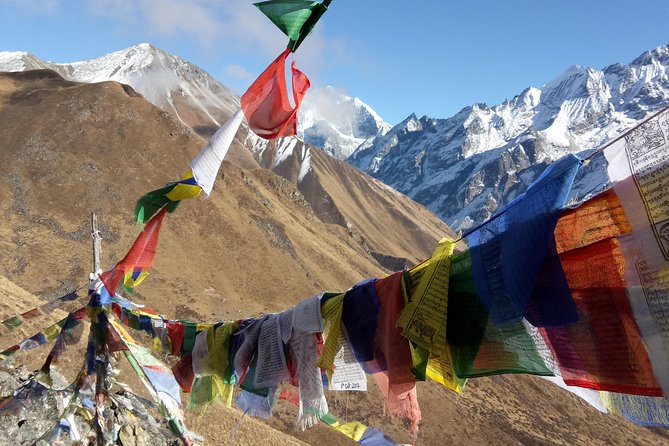
- Tamang culture on the route through gompas, mani walls, and prayer flags
- Private approach so your group stays together and can move at your pace
- View days like Tserko Ri where the effort usually feels worth it
- Guide support that matters (you may meet people like Pasang, Indra, Shubham, or Prakash)
- Less-crowded feel compared with some better-known Nepal routes, if conditions cooperate
Langtang Valley, not just another mountain trek
Langtang sits about 150 kilometers north of Kathmandu. That distance matters because it affects the whole vibe of the trek. You are leaving the city behind for a region that feels more remote and intimate, with the mountains close enough that you start tracking weather and clouds like a local.
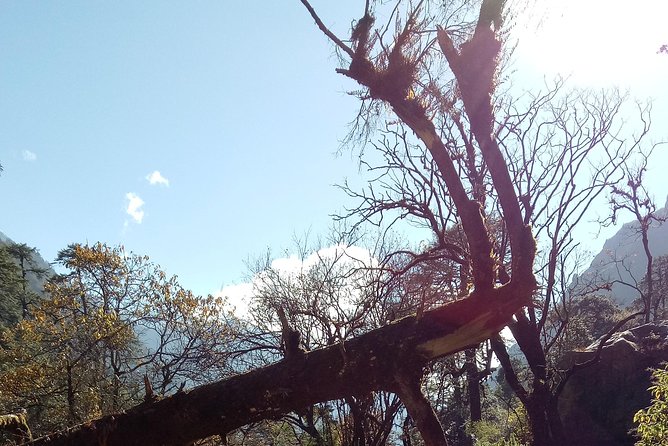
Inside the national park, the terrain is tied to ecosystems, not just altitude. The park is described as having 14 vegetation types across 18 biological system types. That means your trek can move through different forest moods and trail atmospheres, from rhododendron seasons to pine backwoods, and potentially orchid areas depending on timing. If you love details, this is the kind of trek where you notice what kind of greenery is surrounding you, not only what peaks are in the distance.
Wildlife is part of the point here. You can see monkeys, musk deer, and pika, and you’re even in the danphe zone. I’m not promising sightings, but I like that the trek is set up in a way where nature is a main character, not a background poster.
More of the Langtang valley:
- Langtang Valley Trek
★ 5.0 · 140 reviews - Langtang Valley Trek
★ 5.0 · 61 reviews - Langtang Valley Trek
★ 5.0 · 50 reviews
Getting there the right way: Kathmandu and the road up
This experience starts at 9:15 am and offers pickup. Since it’s private, you are not forced into a mixed group schedule. That matters on a trek where road conditions can be part of your day, not something you ignore.
One practical thing to know: the drive from Kathmandu toward the trailhead area can be a bit difficult. People often reference the Kathmandu to Dhunche road as rough. If you know you get carsick, bring what works for you, and don’t assume this will feel like a smooth transfer.
Your base in Kathmandu is also where the trek becomes real. Even if the hike is the headline, the pre-trek hours set your mindset: getting your gear ready, confirming small details, and making sure you understand the rhythm of the next days. In this trek format, you’ll have a private setup with your group, so you can ask questions without feeling rushed.
What the Langtang National Park terrain gives you each day
A trek is only as good as the daily hiking payoff. In Langtang, that payoff is usually a mix of mountain views and repeated moments of “wait, that’s pretty close.”
You can expect:
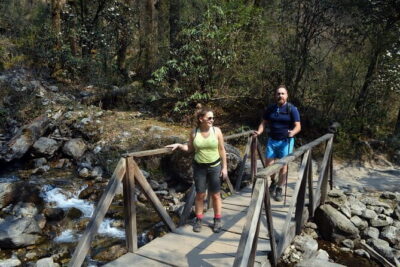
- Forest trekking with real variety, since the park includes multiple vegetation types.
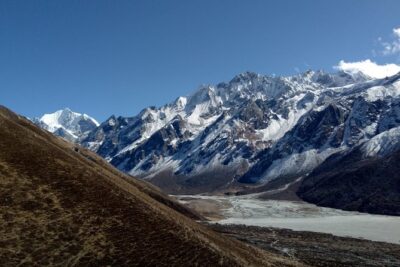
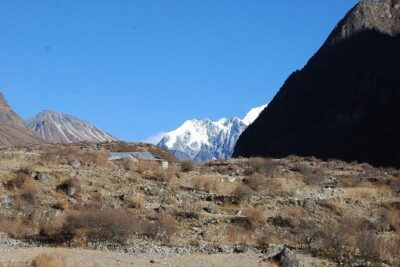
- Mountain views that feel layered, especially as you climb into the valley.
- Nature sightings potential, particularly birds and small wildlife, because the park is a living habitat.
What I like most is how the setting supports different types of hikers. If you want steady walking, you get it. If you want to stop often for photos and birdwatching, the ecosystem makes those pauses feel meaningful. Just remember, wildlife watching goes better when you walk smoothly and keep your expectations flexible.
Tamang culture, gompas, mani walls, and why it’s more than decoration
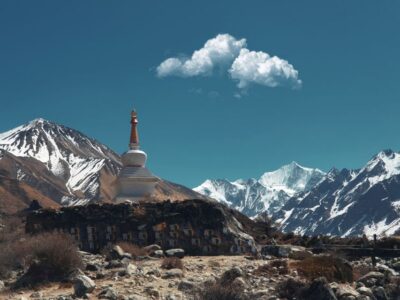
Because Langtang lies near Tibet, there’s a strong Tibetan Buddhist influence in everyday mountain life. On the trail, you’re likely to see gompas, mani walls, and prayer flags. These aren’t just roadside props. They’re part of how communities express faith and identity in the valley.
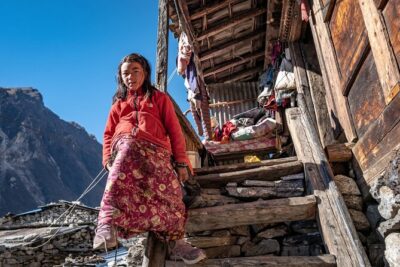
Tamang culture is a big part of the reason the trek feels distinct. The Tamang people began from Tibet and maintain a recognizable culture, including their own way of life and traditions. When you see those religious markers and the local community presence, the trek becomes a cultural walk as much as a physical one.
I’d treat this as an opportunity to slow down. When you pause to look at a mani wall or prayer flags, you’re practicing the same kind of attention locals use every day. It can turn a simple stretch of trail into something memorable.
More to compare around Kathmandu
- Everest Base Camp Trek – 14 Days
★ 5.0 · 1,499 reviews - Everest Base Camp Trek
★ 5.0 · 842 reviews - Private Kathmandu Sightseeing Tour | UNESCO World Heritage sites
★ 5.0 · 756 reviews - Kathmandu: 7 UNESCO Sites with Lunch
★ 4.8 · 744 reviews
Food and sleep: simple guest houses, realistic expectations
Here’s the part I think people should plan for early. Lunch and dinner are not included, so you’ll be paying for meals during the trek.
That sounds simple, but it changes your approach. You need to budget for it and also accept that your food choices may be limited by what’s available at the tea houses or guest houses along the route. In the experiences I saw, meals are often described as basic and simple. That doesn’t automatically mean bad, but it means you should go in expecting hearty, practical food rather than gourmet dining.
Lodging is similar. Guest houses are described as basic. You should pack like you’re staying in a working trek network, not a boutique hotel.
The upside: basic lodging keeps things flexible. You can rest when you need to, keep your pack lighter, and get back on the trail without the stress of chasing comfort.
Guides and porters: the difference between hiking and having a good trek
This trekking experience is private, and the stories you’ll hear tend to agree on one thing: the guide can make the trek feel easy.
Names that show up in people’s experiences include:
- Ganesh, praised for helpfulness
- Pasang, praised for professionalism and caring support
- Sundeep, praised for patience, especially when someone needed a slower pace
- Indra, praised as professional
- Prakash, praised for guiding through big highlights
- Shubham, praised for attentiveness and kindness
- JayRam K.C, also noted for being supportive
You’ll also hear respect for porters, including how surprising it is that they carry heavy bags quickly and efficiently.
How you benefit from this: a good guide helps you manage pace, choose when to push uphill, and understand what you’re seeing. The best ones also know local culture and help you connect what you pass each day with how people live here.
If you have any concerns (altitude worries, slower walking days, or a desire to learn more about what you’re seeing), ask those questions early. Private style means you should be able to get direct answers.
Altitude and pacing: where the trek can feel tough
Altitude is part of the deal on Himalayan treks. Even when guides do everything right, you still have to follow your body.
One review theme is that altitude challenge can be real, even if the trek is doable for many people. The good news is that support matters. Guides who slow down for you, guide you with safety in mind, and keep your schedule realistic can make a big difference.
Practical advice:
- Start slower than you think you need to.
- Don’t treat every climb like an all-out workout.
- Drink water consistently, even if you feel fine.
- Plan to take extra breaks if you feel breathless.
If you’re older or have limited stamina, this kind of private, supportive setup can be a good fit, especially with a guide who adapts to your needs.
Price and logistics: getting value in a private trek package
At $2,102.57 per person, this is not a budget trek. So you should think like a value hunter, not just a price checker.
What’s clearly included is private transportation. That’s helpful, especially since road time from Kathmandu is part of your journey. But the included list is short, and your real value depends on what your overall package covers beyond transportation.
Before you book, confirm what is included for your specific departure:
- Guide services and how long they accompany you
- Porter support, and whether that’s included or optional
- Any permits or park fees
- How your meals are handled since lunch and dinner are not included
My rule: if the package is truly private, you should expect more than just a driver. The positive experiences people shared leaned heavily on guide support and coordination. Still, don’t assume it. Ask, get it in writing, and then you’ll feel confident paying for convenience.
Weather reality: when nature decides the schedule
This trek requires good weather. If conditions are poor, you may be offered a different date or a full refund. That’s not a small detail. Mountain weather can change quickly, and a trek like this is affected by visibility, safety, and trail conditions.
So, what should you do?
- Bring layers for sudden temperature shifts.
- Keep your schedule flexible when possible.
- Expect some days to feel slower if the sky is unpredictable.
Who should book Langtang Valley, and who might prefer something else
This trek is a good match if you want:
- Tamang culture and Tibetan Buddhist details on the trail
- Nature-focused walking with forests and wildlife potential
- A private group setup and guide support that can adapt to your pace
- A less crowded feel than some of Nepal’s bigger trekking circuits (when conditions allow)
It might not be your best fit if:
- You need fully included meals and hotel-level comfort (lunch and dinner are not included, and lodging is basic)
- You want a trip where the road transfer is easy and smooth (the Kathmandu to Dhunche road can be difficult)
- You’re not prepared for altitude pacing, even with a supportive guide
Should you book this Langtang Valley trek?
If you want a trek that mixes mountain scenery with Tamang life and religious markers you can actually see each day, I’d strongly consider it. The value comes from the setting and the human support, especially if you can connect with a guide like Pasang, Ganesh, Sundeep, Indra, Prakash, or Shubham.
Just go in with two clear mindsets. First, accept that the trek environment is simple: basic guest houses and meals you pay for. Second, take altitude and pacing seriously.
If you can say yes to both, Langtang is the kind of trek that feels personal, not just scenic.
FAQ
What is the Langtang Valley Trekking experience and where does it take place?
It’s a trekking experience in Nepal that takes place inside the premises of Langtang National Park, with the Langtang area about 150 kilometers north of Kathmandu.
How long is the trek?
The duration is 9 days (approx.).
What time does it start?
The meeting point start time is 9:15 am.
Is pickup included?
Yes, pickup is offered.
What is included in the price?
The listed included item is private transportation.
What is not included?
Lunch and dinner are not included.
Is this a private tour?
Yes. It’s private, meaning only your group will participate.
How does confirmation work after booking?
You receive confirmation at the time of booking.
What is the cancellation policy and what happens with bad weather?
There is free cancellation, and you can cancel up to 24 hours in advance for a full refund. The experience requires good weather, and if it’s canceled due to poor weather, you’ll be offered a different date or a full refund.
Latest Kathmandu write-ups
- Langtang Valley Trek★ 5.0 · 3 reviews
- Khopra Danda Trek★ 5.0 · 3 reviews
- Langtang Valley Trek from Kathmandu★ 5.0 · 3 reviews
- 5 night / 6 days Kathmandu Nagarkot Chitwan Pokhara tour★ 5.0 · 3 reviews
- Nepal Highlights Tour: 5 Nights 6 Days Kathmandu & Pokhara Tour★ 5.0 · 3 reviews
- Kathmandu Valley Private Day Tour★ 5.0 · 3 reviews
- Conquer the Himalayas: The Ultimate 16-Day Annapurna Circuit Trek★ 3.5 · 3 reviews
- Kathmandu Heritage Day Tour★ 5.0 · 3 reviews
Langtang Valley Trek, compared.
7 Days Langtang Valley Private Trek From Kathmandu
Read our review →Browse the lists this tour appears in